Does A Thicker Bike Cover Always Last Longer? 10 Fit And Material Myths Explained
Does a thicker bike cover really last longer? Discover 10 common myths about thickness, fit, fabric, waterproofing and durability to choose a cover that protects your bike better and lasts longer.
Does A Thicker Bike Cover Last Longer? 10 Common Myths Explained
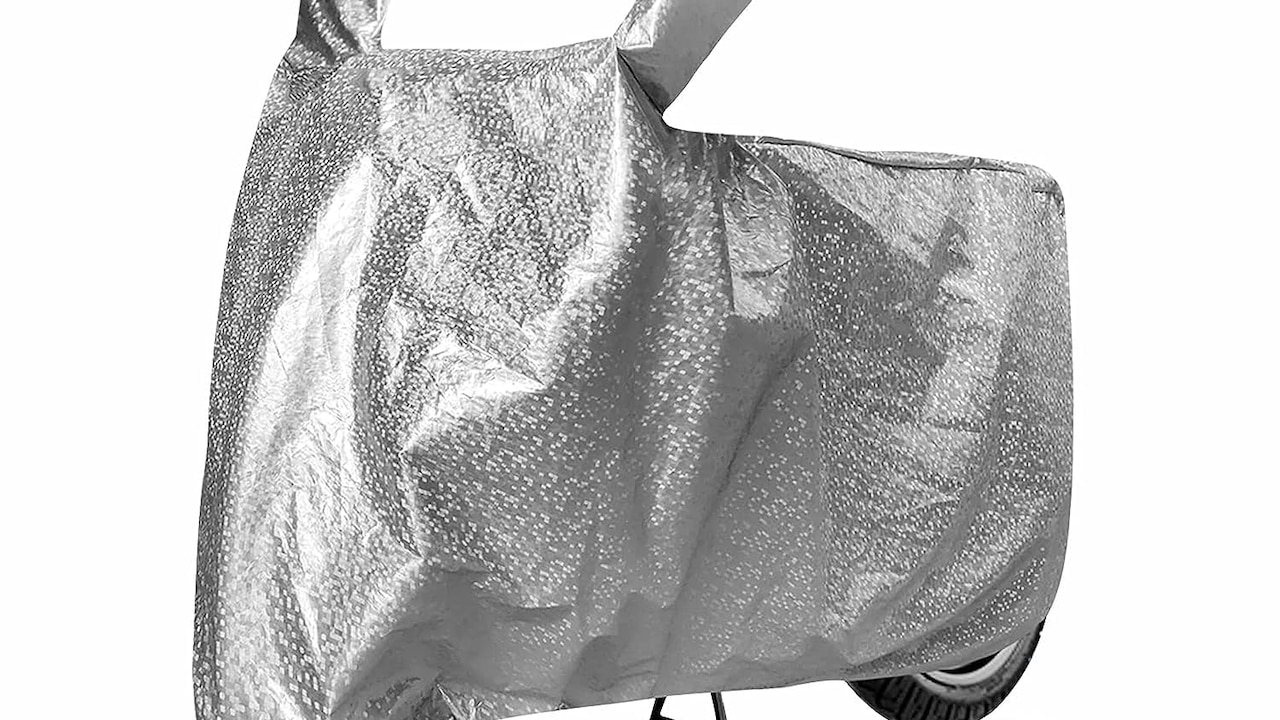
Buying a bike cover often feels like one of those jobs that should take five minutes. Check the size, pick something that looks sturdy, pay ₹700 or ₹1,200, and move on. Then summer arrives, the cover fades. Monsoon winds make it flap like a flag outside a cricket stadium. A few months later, the mirror section tears or the inner surface starts sticking to the paint. That is when thickness usually gets blamed. A thicker cover certainly feels reassuring in the hand. More material suggests more strength, rather like assuming a heavier raincoat must handle rain better. Yet bike covers face a complicated mix of sunlight, heat, dust, wind, water, sharp contact points and repeated folding. A bulky fabric can still fail quickly if it fits badly or uses weak seams.
Does A Thicker Bike Cover Last Longer? 10 Common Myths Explained
Photo Credit: Amazon
The better question is not, “How thick is it?” It is, “How well does the whole cover work?” These ten common myths explain why durability depends on far more than fabric weight.
10 Common Bike Cover Fit And Material Myths You Should Stop Believing
1. Myth: A Thicker Bike Cover Will Always Last Longer
Thickness can improve durability, but it never guarantees it. A thick cover made from poor-quality fabric may crack, peel or weaken faster than a lighter cover with stronger fibres and better coating.
Think of two covers parked outside the same apartment building. One feels heavy enough to double as a picnic sheet. The other feels noticeably lighter. After months of afternoon sun, the heavier cover starts turning brittle around the mirrors, while the lighter one remains flexible. The difference may come from UV resistance, weave quality and coating rather than thickness.
Extra bulk can even create problems. Very heavy covers place more strain on stitching when wind pulls at them. They also become harder to remove, fold and store, which encourages rough handling.
Thickness works best as one part of a larger package. Look at tear resistance, seam construction, UV protection and surface coating too.
A cover should feel substantial without behaving like a tarpaulin borrowed from a construction site. Durability comes from balance, not simply piling on more material.
2. Myth: A Loose Cover Is Safer Because It Does Not Rub The Paint
A little breathing room helps, but an oversized cover can become surprisingly destructive. When strong wind enters underneath, loose fabric starts flapping against mirrors, panels and the fuel tank. That repeated movement creates friction and puts stress on the cover itself.
Picture a bike parked beside a busy road during a windy evening. A baggy cover repeatedly snaps against the handlebar area. It may look harmless from the balcony, yet thousands of small movements can weaken seams and coating over time.
A loose fit also gives wind something to grab. Once air gets underneath, the cover behaves more like a sail than protection. Elastic hems and fastening straps then carry the load, increasing the chance of tearing.
The ideal fit follows the basic shape of the bike without stretching tightly across sharp areas. It should leave enough room for easy fitting while remaining secure around the lower section.
Buying one size larger “just to be safe” often has the opposite effect. A properly fitted cover usually experiences less movement, less strain and, consequently, less wear.
3. Myth: A Tight Fit Means The Cover Is Perfectly Sized
A cover that hugs every curve may look neat, but tightness can shorten its working life. When fabric stretches hard across mirrors, indicators, handlebars or a rear carrier, those areas become permanent stress points.
Each time the cover goes on or comes off, the material drags over the same corners. Eventually, tiny abrasions can develop into thinning, cracks or tears. The damage often appears first near mirrors because they create prominent contact points.
A tight cover also becomes annoying during daily use. Imagine returning home after a long commute and wrestling a stubborn cover over the rear section while carrying a helmet in one hand. Convenience disappears quickly. People naturally tug harder, and the fabric pays the price.
Good sizing should provide enough ease for smooth installation without leaving excessive loose material. Some models include shaped mirror pockets or extra room around handlebars for exactly this reason.
The best fit feels controlled rather than squeezed. If fitting the cover resembles forcing an overstuffed suitcase shut before a holiday, the size probably needs reconsideration.
4. Myth: Waterproof Fabric Means Water Can Never Reach The Bike
“Waterproof” sounds wonderfully absolute. Real-world use tends to be less tidy.
Water resistance depends not only on the main fabric but also on seams, stitching holes, coatings and prolonged exposure. A waterproof sheet with poorly sealed seams can still allow water through during heavy rain. Stitching creates tiny openings, and water has an irritating talent for finding them.
Another problem appears underneath. Moisture can come from condensation rather than direct rainfall. A warm bike covered too quickly after a ride may release heat and moisture beneath the fabric. Humid weather can make matters worse.
That does not mean waterproof covers are pointless. Far from it. A well-designed cover with coated fabric and properly treated seams offers valuable protection during wet weather.
The key is avoiding blind faith in one label. Check whether seam areas receive additional protection and whether the cover has some provision for airflow.
A cover should keep rain out without turning the space beneath it into a miniature steam room. Water management matters just as much as water blocking.
5. Myth: The Heaviest Material Offers The Best Protection
Weight creates an immediate impression of quality. Lift two covers at a shop and the heavier one often feels more expensive, more serious and somehow more dependable. Unfortunately, the weighing-scale test tells only part of the story.
Heavy material can offer useful abrasion resistance, especially when a bike stays outdoors for long periods. However, excessive weight brings trade-offs. A bulky cover becomes harder to handle and takes up more space in a storage box or backpack. When wet, it can become even more cumbersome.
More importantly, weight does not reveal fibre strength, coating quality or flexibility. A lighter synthetic fabric with a dense weave may resist tearing better than a thick material with weak construction.
Daily usage also matters. Someone covering a bike twice a day needs a different balance from someone storing a motorcycle for several weeks. Constant lifting and folding favour a manageable fabric that does not turn every morning departure into a small workout.
Judge protection by performance, not heft. A bike cover is protective equipment, not a dumbbell.
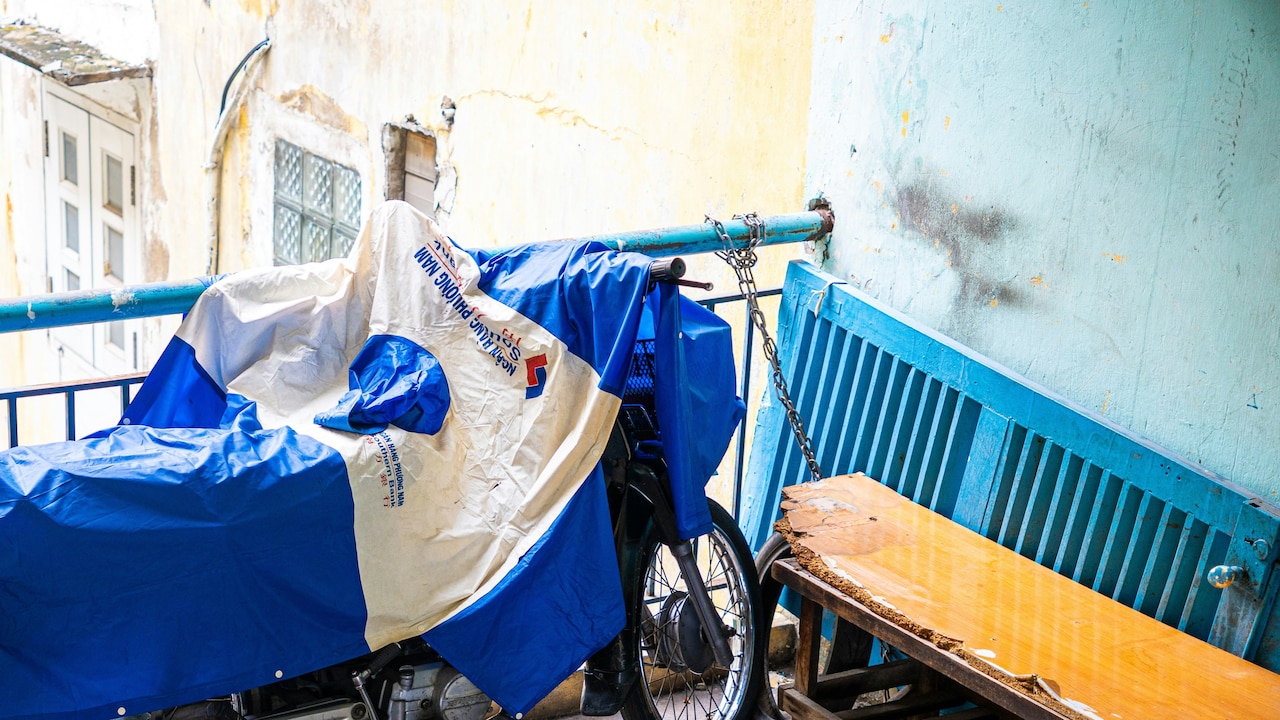
6. Myth: Any Polyester Bike Cover Offers The Same Durability
Polyester appears on countless product labels, which makes it easy to assume all polyester covers behave similarly. They do not.
The material name reveals the fibre family, not the full quality of the finished fabric. Weave density, thread strength, coatings, UV treatment and manufacturing standards can vary considerably. Two covers carrying the same “polyester” description may age very differently.
One might remain flexible through months of summer heat. Another may fade quickly and begin developing weak spots where the fabric bends during folding. The label looks similar; the construction tells another story.
Coatings also change performance. Some polyester fabrics receive layers designed to repel water or reflect heat. Others use basic treatments that lose effectiveness after repeated exposure.
That is why vague material descriptions deserve a closer look. Product specifications that mention fabric construction, weather resistance and reinforced areas offer more useful clues than the word “polyester” alone.
It is rather like ordering tea. The word tells you what family the drink belongs to, but it certainly does not guarantee what arrives in the cup.
Does A Thicker Bike Cover Last Longer? 10 Common Myths Explained
Photo Credit: Unsplash
7. Myth: Double Stitching Makes Every Cover Stronger
Double stitching sounds reassuring and can certainly strengthen a well-made cover. Yet two lines of poor stitching are not automatically better than one well-executed reinforced seam.
Seam durability depends on thread quality, stitch spacing, fabric strength and placement. If the material around the seam is weak, stronger stitching may simply cause the fabric next to it to tear first.
High-stress areas deserve particular attention. Mirror sections, handlebar corners and lower fastening points experience frequent pulling. Reinforcement in these areas can matter more than decorative double stitching along sections that carry little load.
The seam design should also consider water. Every needle creates holes. Without suitable seam treatment, extra stitching may create additional pathways for moisture.
A quick visual check can reveal plenty. Uneven lines, loose threads and large gaps rarely inspire confidence. Neat, consistent seams with reinforced stress points suggest better attention to construction.
Stitch count makes good marketing because it is easy to describe. Real durability hides in the details. Strong seams should work with the fabric rather than merely look impressive in a product photograph.
Also Read: 10 Best Car And Bike Accessories Under ₹1000 That You Will Actually Use
8. Myth: A Bike Cover Should Be Completely Airtight
Keeping dust and rain away sounds easier if nothing can enter at all. That logic makes an airtight cover seem ideal. In humid conditions, however, trapped moisture can become an unwelcome passenger.
Air inside the cover changes temperature throughout the day. Heat from the engine, damp surroundings and overnight cooling can all contribute to condensation. Without ventilation, moisture may linger against metal and painted surfaces.
Ventilation does not mean cutting large holes into the cover and inviting rain inside. Good designs use protected vents positioned so air can circulate while direct water entry remains limited.
Breathability becomes particularly useful during the monsoon or in coastal areas, where humidity can remain stubbornly high. A bike that looks dry outside may still sit in damp air underneath an impermeable cover.
Owners can help by allowing a hot or wet bike to cool and dry before covering it whenever practical.
The best cover acts more like a well-designed jacket than plastic food wrapping. It blocks the weather while allowing enough airflow to manage moisture. Total isolation may sound protective, but bikes benefit from breathing room too.
Does A Thicker Bike Cover Last Longer? 10 Common Myths Explained
Photo Credit: Amazon
9. Myth: A Premium Price Automatically Means Better Material
Price can reflect better materials, stronger stitching and thoughtful design, but a higher tag does not guarantee any of them. Branding, packaging, distribution and extra features also affect what ends up printed on the label.
A ₹1,800 cover may outperform a ₹600 option, especially if it offers better UV protection, secure straps and reinforced seams. Yet a ₹2,500 cover with flashy graphics and weak fastening points can still disappoint.
Instead of treating price as a quality certificate, compare practical features. Does the cover fit the bike category properly? Are the seams neat? Does the fabric resist sunlight? Are fastening straps positioned sensibly? Can the material handle frequent folding without cracking?
Durability also depends on how the cover will be used. A premium outdoor cover may make sense for a bike parked in an uncovered space every day. Someone using a cover mainly inside a basement parking area may not need the same weather protection.
Pay for useful construction rather than prestige. A cover earns its value after months of boring reliability, not during the exciting thirty seconds spent opening the package.
10. Myth: Material Matters More Than How The Cover Is Used
Even an excellent bike cover can suffer an early retirement through rough handling.
Covering a motorcycle immediately after a long ride can expose the inner surface to high temperatures around the exhaust and engine. Dragging the cover across the ground collects grit, which may later rub against painted surfaces. Pulling hard on one corner instead of lifting the cover evenly places unnecessary strain on seams.
Storage habits matter too. Folding a wet cover and stuffing it under the seat or into a cupboard encourages dampness, unpleasant smells and material deterioration. Leaving it crumpled in direct sun every afternoon is hardly kinder.
Simple habits can stretch its lifespan considerably. Allow hot components to cool. Shake off dust before fitting the cover. Let a wet cover dry before storing it. Remove it gently rather than yanking it away from mirrors and handlebars.
The fabric cannot control any of these decisions.
A durable cover is partly manufactured and partly maintained. Treat it like a disposable sheet and even expensive material will struggle. Treat it sensibly and an ordinary cover may surprise you with how long it lasts.
Products Related To This Article
1. TVS Bike Cover for Rain with UV Protection & Dustproof
2. PROTEGO All Weather Protection Two Wheeler Cover for All Activa
3. Raida RainPro Bike Cover for RE Interceptor 650
4. Autofy 100% Waterproof (Tested) Scooter Bike Cover Dustproof UV Protection Bike Body Cover
5. ULTRA SHIELD All Weather Body Fit Two-Wheeler Cover with Advanced Waterproofing tech
6. Neodrift 'SuperMax' Bike Cover Compatible with RE Classic 350
7. Waterproof Bike Cover Compatible with Honda Shine Cover with All Weather Protection and Triple Stitch
A thicker bike cover can be tougher, but thickness never tells the whole story. Real durability comes from the relationship between material quality, fit, stitching, waterproofing, ventilation and everyday handling.
The strongest-looking cover may fail if wind constantly catches its oversized sides. A waterproof fabric may still struggle if weak seams let rain through. A premium model can disappoint when it fits badly, while a moderately priced cover may last for years because its construction suits the bike and its surroundings.
The smartest buying decision therefore begins with the bike rather than the product label. Consider where it is parked, how often the cover will be removed, how much sun and rain it faces, and whether the shape suits mirrors, handlebars and accessories.
Then look beyond thickness.
A good bike cover does not need to resemble armour. It simply needs to fit properly, handle the weather, survive regular use and come off each morning without starting a wrestling match before breakfast.
(Disclaimer: This article may include references to or features of products and services made available through affiliate marketing campaigns. NDTV Convergence Limited (“NDTV”) strives to maintain editorial independence while participating in such campaigns. NDTV does not assume responsibility for the performance or claims of any featured products or services.)