Are Sequins Safe For Kids Clothing? 10 Partywear Comfort Myths Parents Should Know
Are sequins safe for kids’ clothing? Discover 10 common partywear comfort myths about sequins, fabrics, fit, lining and footwear that parents should know before choosing festive outfits for children.
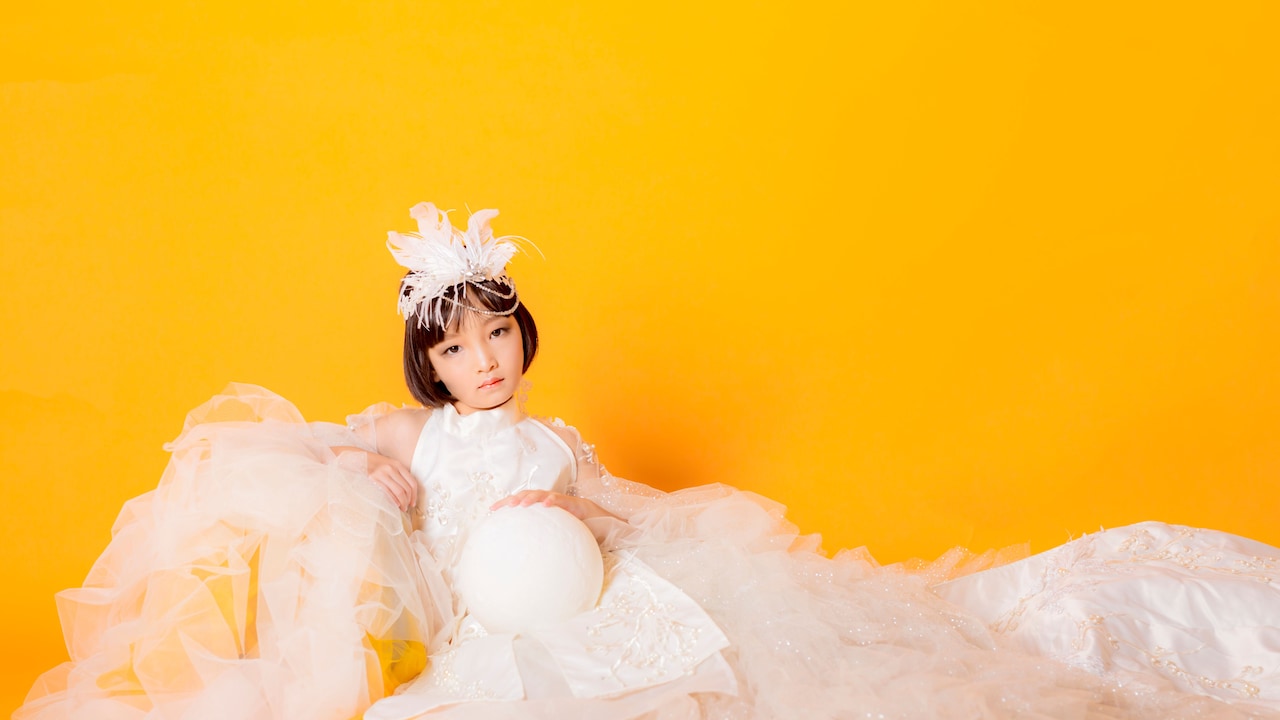
Myths to avoid when shopping for partywear clothes for kids
Children's partywear has become wonderfully dramatic. Tiny lehengas sparkle under fairy lights, jackets come covered in intricate embroidery, and dresses often have enough shimmer to compete with the décor. For parents, choosing such outfits can be part of the excitement. Then the party begins. Within twenty minutes, a child who looked delighted in front of the mirror may start scratching a neckline, tugging at a sleeve or asking when the fancy clothes can come off. That does not mean sequins, embroidery or festive fabrics should disappear from children's wardrobes. It simply means appearance cannot be the only test of a good outfit.
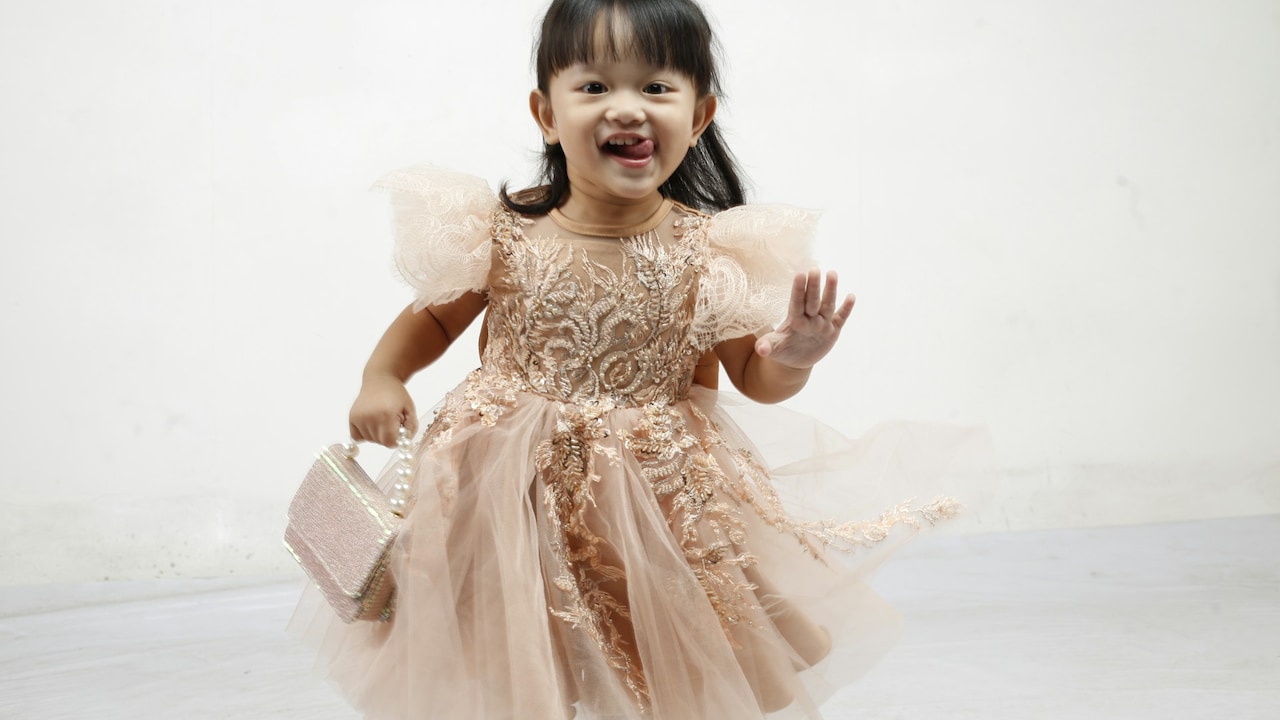
How to choose partywear clothes for kids
Photo Credit: Unsplash
Comfort depends on several small details: lining, stitching, fabric weight, fastenings, fit and even where decorative elements sit against the skin. Children also move very differently from adults. They jump, squat, climb chairs, chase cousins and occasionally turn a carefully planned outfit into playground clothing.
Also Read: From Playdates To Parties: Top 5 Kids Summer Dresses
Before buying that glittering party set, it helps to separate genuine comfort concerns from familiar clothing myths.
10 Partywear Comfort Myths Parents Should Stop Believing
1. Myth: Sequins Are Always Unsafe For Children
Sequins often get blamed for every scratchy festive outfit, but the problem is usually not the sequin itself. Placement and construction matter far more.
Sequins stitched onto the outside of a garment can be perfectly manageable when a soft lining separates them from the child's skin. Trouble begins when rough threads, sharp edges or exposed backing rub against the arms, neck or waist.
Parents can run a hand along the inside of the garment before buying it. If the seams feel rough against an adult palm, they may feel much worse on sensitive skin. Areas around armholes, collars and waistbands deserve extra attention because they experience constant movement.
Loose sequins create another concern, particularly for toddlers who may pull small decorations off and put them in their mouths. Firm stitching matters.
A sparkly outfit should also survive ordinary movement. Ask the child to raise both arms, sit down and walk around during the trial. Party clothes should be worn, not endured like ceremonial armour.
Sequins can therefore be safe. They simply need thoughtful construction, secure attachment and sensible placement.
2. Myth: More Embellishment Means Better Partywear
A heavily decorated outfit may photograph beautifully, but children rarely judge clothing by embroidery density.
They judge it by whether they can move.
Dense beadwork, mirror work, stones and layered embroidery can make even a small garment surprisingly heavy. A dress that feels manageable during a five-minute trial may become tiring after an hour of running between tables at a wedding reception.
Weight around the shoulders and waist can be particularly uncomfortable. Thick decorative borders may also make skirts stiff, while embellished sleeves can restrict arm movement.
That does not mean simple clothing looks ordinary. Strategic decoration often creates a more elegant effect. A detailed neckline, embroidered hem or embellished jacket can bring plenty of festive charm without covering every centimetre.
Parents shopping within a budget may find this approach useful too. Instead of paying ₹3,000 extra for dense decoration, that money could go towards better fabric, stronger stitching or an outfit the child can wear again.
The best partywear does not need to announce itself from across the banquet hall. Sometimes a little sparkle works harder than an entire galaxy.
3. Myth: A Soft Outer Fabric Guarantees Comfort
Parents often touch the outside of a dress or kurta and immediately decide whether it feels comfortable. Unfortunately, children's skin spends most of the evening against the inside.
That difference matters.
A garment may have soft velvet, satin or organza on the outside while hiding rough seams, synthetic netting or scratchy embroidery backing underneath. Decorative threads can also protrude through the fabric and irritate the skin.
Checking the lining is therefore essential. Soft cotton or breathable blended linings can help create a barrier between delicate skin and decorative fabrics. The lining should also cover areas where sequins, beads or metallic threads have been stitched.
Turn the garment inside out while shopping. Examine the seams, tags and embroidery backing. Run fingertips around the neckline and underarms. These little checks reveal more than simply admiring the outer fabric.
Some children are particularly sensitive to texture and may reject anything that feels even slightly rough. Their reaction is useful information, not unnecessary fussiness.
If a child keeps touching, scratching or pulling at the same area during a fitting, the outfit is already giving its review.
4. Myth: Tight Clothing Looks Smarter On Children
A fitted outfit can look polished, but "fitted" and "tight" are very different ideas.
Children need room to bend, sit, eat and race towards the dessert counter at impressive speed. Clothing that hugs the waist, shoulders or chest too closely can quickly become uncomfortable.
Tight waistbands deserve particular attention. During long celebrations, children may sit for meals, dance and play for several hours. An outfit that feels fine before dinner may become restrictive afterwards.
Parents should check whether two fingers can comfortably fit beneath a waistband without stretching it. Sleeves should allow full arm movement, and trousers should not pull sharply when the child squats.
Buying an oversized outfit is not the answer either. Excess fabric can cause tripping or make movement awkward.
The ideal fit provides structure with breathing room. Adjustable waistbands, elastic panels and drawstrings can help, especially for growing children.
A slightly relaxed fit may also extend the usable life of expensive festive clothing. When an outfit costs ₹4,000 or more, getting more than one celebration out of it feels considerably better than discovering it became too tight after one wedding season.
5. Myth: Synthetic Fabrics Should Always Be Avoided
Synthetic fabric has developed a reputation for being automatically uncomfortable, but the reality is more complicated.
Many partywear garments use polyester, nylon or blended fabrics because they hold colour well, resist wrinkles and create structured shapes. These materials are not automatically unsuitable for children.
The question is how they are used.
A synthetic outer layer with a breathable lining can work well. Problems usually appear when thick synthetic fabric sits directly against the skin, traps heat or has poor ventilation.
Climate matters too. A layered outfit that feels pleasant inside an air-conditioned banquet hall may become unbearable during an outdoor afternoon function.
Parents can consider the venue and length of the event before choosing fabrics. Lightweight blends often make more sense for warm celebrations, while richer fabrics may suit cooler evenings.
Breathability can also be improved through design. Short sleeves, looser cuts and lighter linings allow more airflow even when the outer fabric is synthetic.
Rather than rejecting fabric based solely on the label, examine the complete garment. Comfort comes from the combination of fabric, construction, lining and fit.
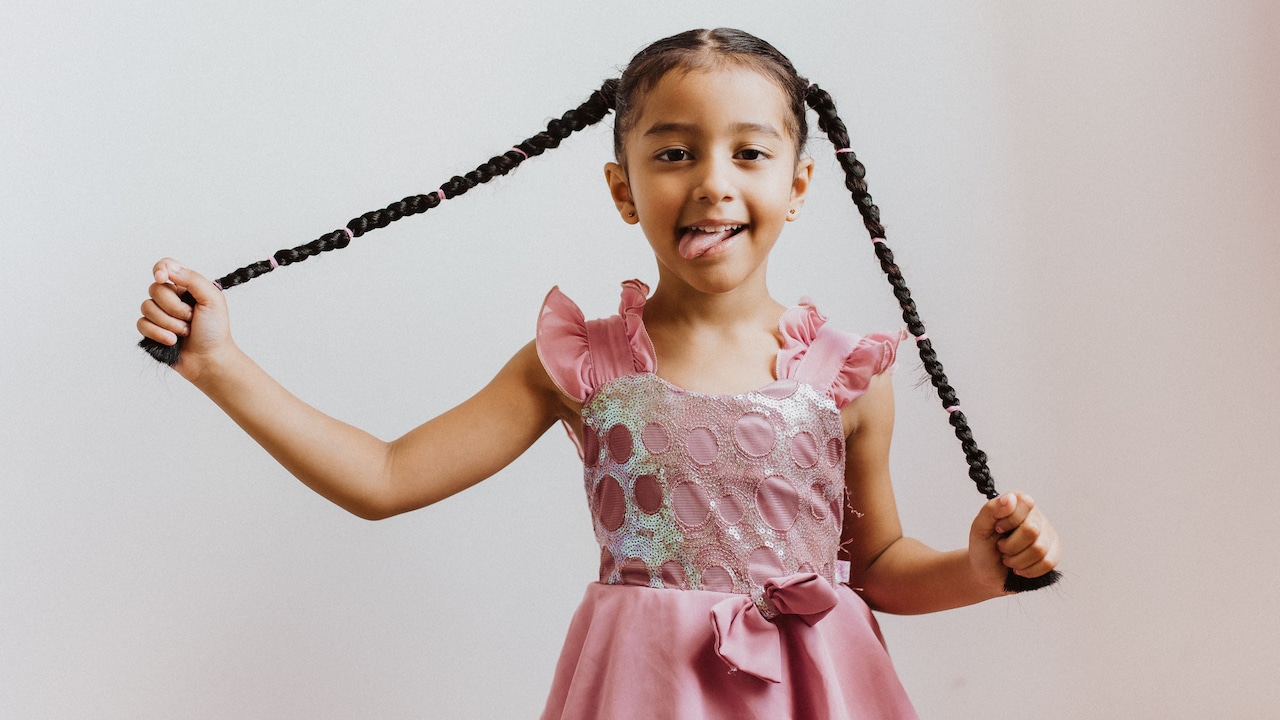
Clothes made of synthetic fabrics can still suit children; Photo Credit: Pexels
6. Myth: If A Child Does Not Complain, The Outfit Is Comfortable
Children do not always announce discomfort clearly.
Some become unusually quiet. Others get restless, keep pulling at their clothes or suddenly insist on changing. Younger children may simply become irritable without explaining what feels wrong.
Parents can watch for small clues. Frequent scratching may suggest rough seams or embellishments. Constantly adjusting a waistband may indicate tightness. Refusing to raise the arms could mean stiff sleeves or a restrictive bodice.
Party excitement can also distract children from discomfort at first. A child may happily wear a glittering outfit during photographs and begin complaining only after an hour.
A short trial at home can help. Let the child wear the outfit for fifteen or twenty minutes before the event. Encourage normal movement rather than standing carefully in front of a mirror.
Walking, sitting, climbing a sofa and bending down reveal far more about comfort than a quick fitting.
The goal is not to interrogate the child every five minutes. Simply pay attention to behaviour. Children have surprisingly effective ways of reviewing clothes, even when they never use the word "uncomfortable".
7. Myth: Expensive Partywear Is Automatically Better Made
Price tags can suggest craftsmanship, but they do not guarantee comfort.
A ₹7,000 festive set may contain gorgeous embroidery yet still have rough seams. Meanwhile, a thoughtfully designed ₹2,500 outfit may provide soft lining, adjustable fastenings and much better movement.
Parents should therefore judge construction separately from price.
Check whether embellishments are securely attached. Look at the inside finishing around zips and buttons. Examine hems for loose threads. Test closures several times because decorative hooks that look elegant can sometimes be frustrating to fasten.
Buttons should also be secure, especially on clothing for younger children. Tiny detachable decorations can become choking hazards.
Brand reputation may provide some reassurance, but inspection still matters. Children's clothing experiences a surprising amount of physical activity. One wedding reception can involve running, dancing, spilled juice, floor sitting and enthusiastic tug-of-war with cousins.
A delicate garment designed mainly for photographs may not survive that reality.
Good children's partywear combines appearance with practical workmanship. If the construction looks fragile before the outfit has even left the shop, the dance floor is unlikely to improve matters.
8. Myth: Layering Always Makes Festive Clothes More Comfortable
Adding layers can sometimes protect sensitive skin, but too many layers create an entirely different problem.
A cotton vest under an embroidered kurta may reduce irritation. A soft slip beneath a net dress can also prevent scratchiness. However, adding several inner garments, heavy underskirts and jackets may quickly trap heat.
Children naturally generate plenty of warmth while playing. At crowded celebrations, the combination of dancing, bright lights and layered clothing can become exhausting.
Parents can use layers strategically rather than automatically.
If the main concern is scratchy embroidery, a thin breathable inner layer may be enough. If a jacket is decorative rather than essential, choose one the child can remove later.
The same principle applies to skirts. Multiple layers of stiff netting may create dramatic volume but can make sitting uncomfortable. Softer underskirts often provide shape without turning the outfit into a small tent.
Planning an easy "comfort escape" helps too. Keep a simpler change of clothes available during long weddings or evening functions.
Festive clothing should help children enjoy the celebration, not test their endurance until the return journey home.
9. Myth: Shoes Matter Less Than The Outfit
Parents may spend days choosing partywear and only a few minutes selecting shoes. That imbalance often becomes obvious halfway through the event.
Hard soles, stiff straps and new shoes can cause blisters surprisingly quickly. A child wearing comfortable clothing may still spend the evening miserable because of footwear.
Party shoes should allow natural movement. The toe area needs enough space, and straps should stay secure without digging into the skin. For younger children, flexible soles can make walking and running easier.
Breaking shoes in before the event is also useful. Wearing them around the house for short periods reveals pressure points before the actual celebration.
Parents should resist choosing a larger shoe simply because children grow quickly. Footwear that slips at the heel can increase the chance of trips and falls.
Comfortable shoes do not have to look boring. Plenty of festive flats, juttis and smart trainers now pair easily with traditional and contemporary outfits.
At a lively family function, nobody remembers whether a child's shoes perfectly matched the embroidery. They will certainly remember the child dancing happily instead of sitting beside the shoe rack with sore feet.
10. Myth: Partywear Only Needs To Look Good For A Few Hours
"A few hours" can feel surprisingly long when a child is uncomfortable.
Birthdays, festive dinners and weddings rarely follow exact schedules. A two-hour event can stretch into four, particularly when photographs, ceremonies and family conversations enter the picture.
Parents can therefore think beyond appearance and ask how the outfit will perform throughout the day.
Can the child use the washroom easily? Can complicated buttons or layered skirts be managed without adult assistance? Will the fabric still feel comfortable after sitting for an hour? Can a jacket or dupatta be removed safely if the child wants to play?
Ease of care matters too. Children's partywear may encounter cake icing, juice, chocolate or mysterious stains that nobody witnessed happening. Extremely delicate garments that demand expensive cleaning after every wear may become impractical.
Versatile outfits often offer better value. A festive jacket can be paired with simpler trousers later. A comfortable skirt can work with another top.
The best partywear survives more than photographs. It becomes part of the celebration without constantly demanding attention from either the child or the parent.
Products Related To This Article
1. YK Girls Sequin Embellished Tulle Fit & Flare Mini Dress
2. Trendyol Girls Embellished Hooded Sweatshirt
3. H&M Girls Embellished Sweatshirt
4. Kidlily Embellished Velvet Dress
5. Kidlily Embellished Puff Sleeve Velvet Bodycon Dress
6. BAESD Girls Pure Wool Sequin Embellished Winter Fit & Flare Fur Dress
7. Hopscotch Hopscotch Baby Girls Sequin Bodice Party Dress
Sequins are not the villain of children's partywear, and glitter does not need to disappear from festive wardrobes. The real issue is how clothing feels once the photographs finish and the children start behaving like children.
Secure embellishments, smooth linings, sensible fits, breathable layers and comfortable shoes matter far more than the amount of sparkle on an outfit. Price alone cannot guarantee those details either.
Parents can make better choices by looking beyond the front of the garment. Turn it inside out. Feel the seams. Check the waistband. Test the fastenings. Most importantly, let the child move before deciding.
A beautiful outfit should survive sitting on the floor, chasing cousins, dancing enthusiastically and possibly acquiring a little dessert along the way. After all, the best partywear compliment is not "What a stunning outfit." It is seeing a child forget about the outfit completely and enjoy the party.
(Disclaimer: This article may include references to or features of products and services made available through affiliate marketing campaigns. NDTV Convergence Limited (“NDTV”) strives to maintain editorial independence while participating in such campaigns. NDTV does not assume responsibility for the performance or claims of any featured products or services.)