10 Trouser Buying Mistakes That Lead To Creasing, Discomfort And Poor Versatility
Avoid common trouser-buying mistakes that cause creasing, discomfort and limited styling options. Learn what to check in fabric, fit, rise, length and colour before choosing your next pair.
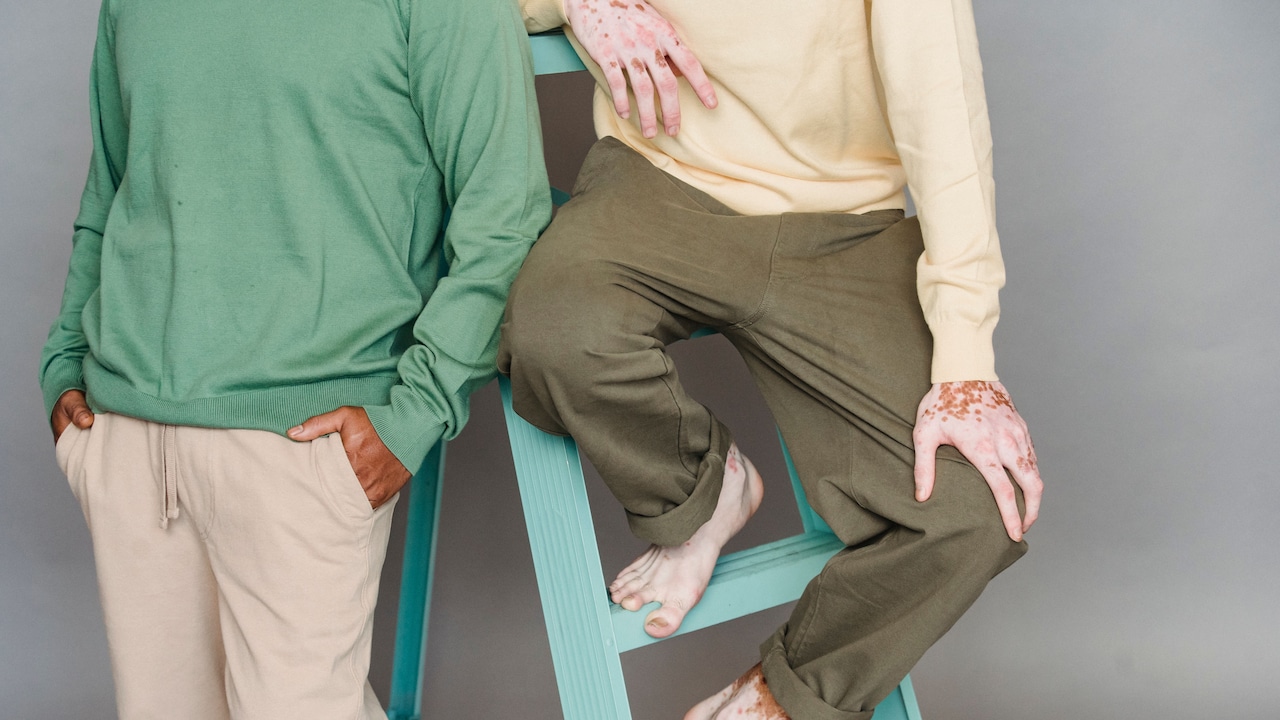
10 Trouser Buying Mistakes That Ruin Fit, Comfort And Versatility
Trousers rarely get the attention that shirts, winter jackets or shoes receive. That is slightly unfair, considering they spend the entire day dealing with sitting, walking, bending, commuting, and the occasional dash across a platform. A pair may look wonderfully crisp under bright store lighting, only to develop deep folds behind the knees before lunch. Another may fit neatly while standing but feel like a belt has been tightened one notch too far after a full meal. Then there are those stylish purchases that somehow match only one shirt, one pair of shoes and one very specific mood. These disappointments usually have less to do with price and more to do with buying decisions. A ₹4,000 pair chosen carefully can prove more useful than a ₹10,000 pair bought because the fabric looked luxurious on a mannequin. Fit, fabric, rise, construction and colour all affect how trousers behave beyond the fitting room. Knowing what to inspect before paying can save money, reduce wardrobe frustration and make getting dressed considerably easier. Here are ten trouser-buying mistakes that often lead to creasing, discomfort and poor versatility.
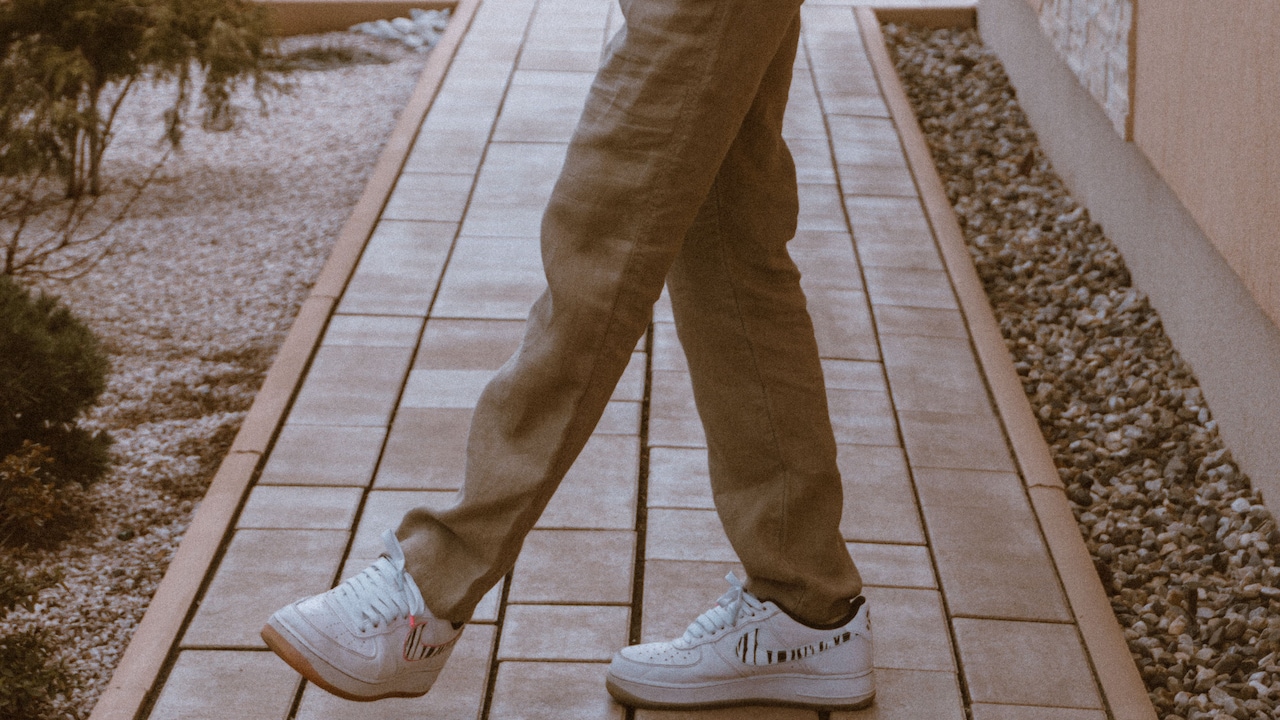
10 Trouser Buying Mistakes That Ruin Fit, Comfort And Versatility; Photo Credit: Pexels
Common Trouser Buying Mistakes To Avoid
1. Choosing Fabric For Looks Alone
Fabric creates the first impression, so it is easy to fall for a pair that looks smooth, rich and beautifully draped on the hanger. The trouble begins when appearance becomes the only criterion.
Some lightweight fabrics crease almost immediately after sitting. Others feel impressive in an air-conditioned store but become uncomfortable during a warm commute. Very stiff materials may hold a sharp silhouette, yet restrict movement enough to make climbing stairs feel oddly athletic.
Before buying, gently scrunch a small section of the trouser fabric in the hand for a few seconds. Release it and see how quickly it recovers. A few soft lines are normal. Deep wrinkles that remain visible may hint at constant ironing later.
Also consider where the trousers will actually be worn. Wool blends often work well for formal settings because they drape neatly and resist wrinkles better than many pure natural fabrics. Cotton offers comfort but may crease more. Blended fabrics with a little stretch can make long workdays easier.
Beautiful fabric matters, but useful fabric matters every Monday morning.
Also Read: 5 Best Wide-Leg Trousers For A Put-Together College Fit Under ₹1,500
2. Buying Trousers That Fit Only While Standing
The fitting-room mirror encourages one particularly misleading test: standing completely still.
Unfortunately, trousers spend much of their working life doing everything except that.
A waistband that feels comfortably snug while standing may dig into the stomach while sitting at a desk. Thighs that look streamlined in front of a mirror may suddenly feel restrictive when climbing into a cab. A crotch that appears fine at rest can pull awkwardly once the knees bend.
Always sit down while trying trousers. Cross one leg over the other. Walk around the fitting room if space allows. Bend slightly and take a few normal steps rather than performing the stiff little shuffle people often do while trying clothes.
Pay attention to horizontal pulling lines across the thighs or pockets that flare open. These often suggest that the trousers are too tight.
There should be enough room for movement without creating excess fabric. Good tailoring follows the body rather than trapping it.
If a pair becomes uncomfortable during a two-minute fitting, an eight-hour workday is unlikely to improve the relationship.
3. Ignoring The Trouser Rise
Rise sounds like one of those tailoring terms that belongs in a conversation involving measuring tapes and serious-looking tailors. In reality, it can completely change how comfortable and flattering trousers feel.
The rise refers to the distance between the crotch seam and the waistband. Low-rise trousers sit lower on the hips, while mid-rise and high-rise versions sit progressively higher.
Choosing the wrong rise can create several problems. A rise that sits too low may cause the waistband to slide, especially when sitting or bending. It can also make tucked-in shirts look untidy. A rise that feels too high may seem restrictive if the cut does not suit the wearer's proportions.
Mid-rise trousers often provide an easy middle ground for workwear and smart-casual outfits. They generally sit comfortably around the natural waist area and work well with tucked shirts, polos and lightweight knitwear.
Look at the side profile while trying trousers. The waistband should sit naturally rather than cutting into the stomach or collapsing below it.
Comfort begins long before the hem reaches the shoe. Sometimes the most important centimetres are sitting quietly around the waist.
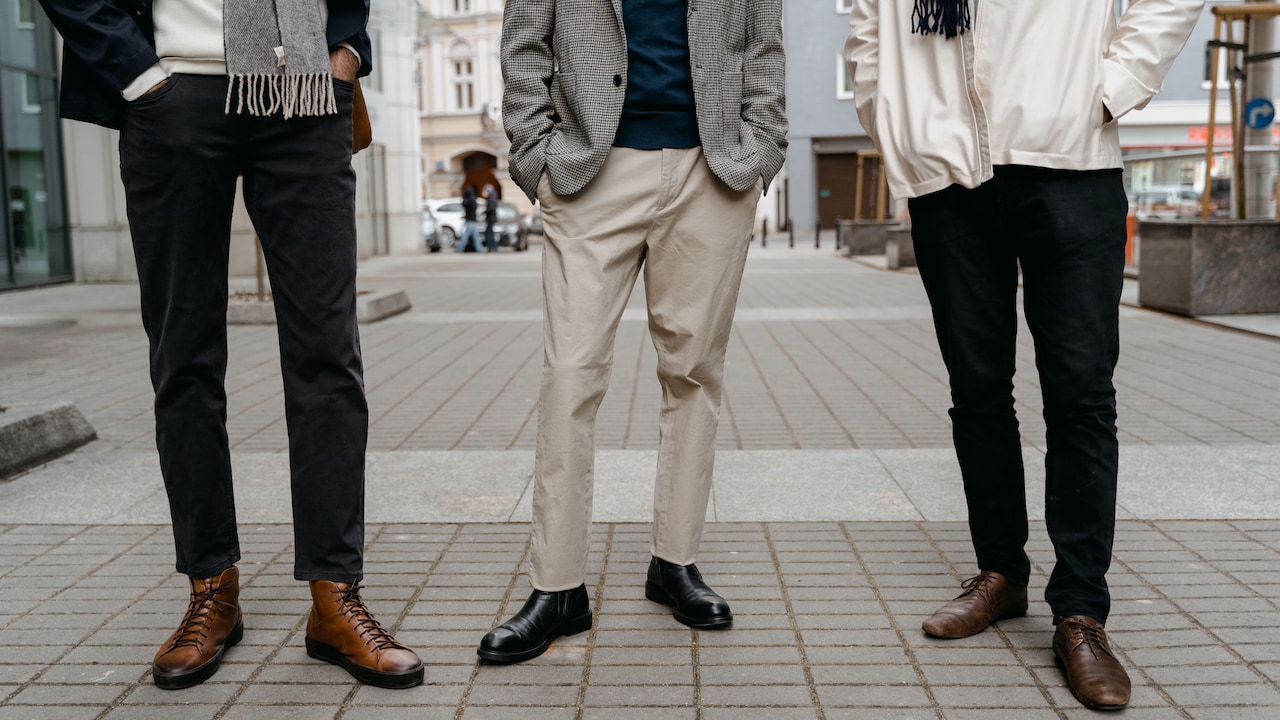
10 Trouser Buying Mistakes That Ruin Fit, Comfort And Versatility; Photo Credit: Pexels
4. Mistaking Tightness For A Better Fit
Slim trousers can look sharp. Trousers that appear to have been vacuum-sealed onto the legs generally do not.
One common buying mistake involves choosing the smallest size that can technically be buttoned. The reasoning seems logical: fewer wrinkles, cleaner lines and a more tailored appearance. In practice, excessively tight trousers often create more creasing, not less.
When fabric stretches too strongly across the hips, thighs or crotch, tension lines appear. These horizontal folds can make even expensive trousers look poorly fitted. Tightness also puts pressure on seams and pockets, causing them to gape or distort.
A good fit leaves a little breathing room. The trousers should skim the thighs rather than grip them. At the waist, one or two fingers should fit comfortably inside the waistband without forcing it.
Body shape matters too. Someone with muscular thighs may need a roomier cut even when the waist measurement is relatively small. Altering the waistband later can produce a better result than squeezing into a narrow silhouette.
Sharp dressing should never require strategic breathing before sitting down.
5. Overlooking How The Trousers Crease Behind The Knees
Most shoppers inspect trousers from the front. Some check the back. Very few pay much attention to what happens behind the knees.
That area, however, reveals plenty about fabric and fit.
Every pair of trousers will develop some folds when the knees bend. That is simply movement. The concern begins when sharp wrinkles remain after standing again or when large bunches of fabric collect around the back of the knee.
Several things can cause this. The fabric may crease easily, the trousers may be too tight through the thigh, or the leg may contain excess length. Sometimes an overly tapered cut also creates tension along the lower leg.
During the fitting, sit for a minute or two, then stand and inspect the fabric. If the trousers already resemble the end of a wedding reception, imagine how they may look after a full commute and several hours at a desk.
This small test proves especially useful when comparing two pairs at different price points.
Creasing cannot disappear completely. The goal is not trousers made of cardboard. It is fabric that moves, recovers and remains reasonably polished.
6. Forgetting To Check Pocket Behaviour
Pockets have a surprisingly expressive way of announcing a poor fit.
Side pockets that remain flat usually signal that the trousers have enough room through the hips. When they flare outward, pull open or create little wings at the sides, something is often wrong.
The most common culprit is tightness around the seat or upper thighs. The fabric has nowhere else to go, so the pocket opening gets pulled apart.
This issue can become particularly noticeable with formal trousers because the clean lines of the garment make every distortion obvious. It also reduces versatility. A pair that looks strained with a tucked shirt may appear even more awkward under a fitted blazer.
Put a phone or wallet into the pocket while trying the trousers, especially if those items are normally carried there. A pocket that behaves perfectly when empty may bulge dramatically once loaded.
Back pockets deserve attention too. They should sit flat rather than gape.
Trousers are everyday clothing, not showroom exhibits. They should still look good after keys, cards and a phone join the outfit.
7. Choosing A Colour That Works With Almost Nothing
A striking pair of rust, bottle-green or pale cream trousers can look fantastic in the store. Then it reaches the wardrobe and begins demanding an entirely new supporting cast.
Colour affects versatility far more than many buyers expect.
Before purchasing trousers, mentally match them with at least three shirts or tops already owned and two pairs of shoes. If every combination requires buying something else, the trousers may not be as practical as they first appear.
For maximum flexibility, shades such as charcoal, navy, mid-grey, beige, olive and dark brown often integrate easily into existing wardrobes. They can move between office wear, dinners, family gatherings and smart-casual weekends with relatively little effort.
That does not mean brighter trousers should disappear. Statement colours can add personality. They simply work better when bought deliberately rather than because a sale sign suddenly made maroon seem essential.
A ₹3,500 pair worn forty times offers better value than a ₹2,000 bargain worn twice.
Versatility rarely announces itself dramatically. It quietly appears on mornings when almost every shirt seems to work.
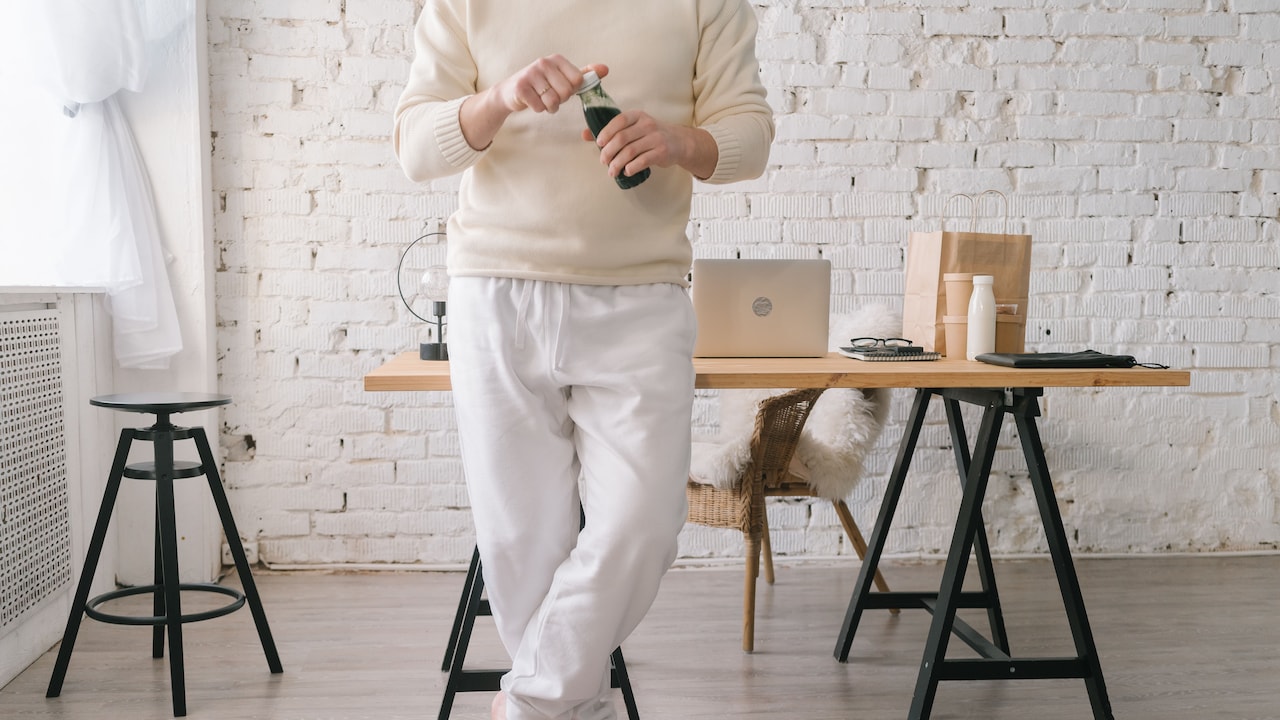
10 Trouser Buying Mistakes That Ruin Fit, Comfort And Versatility; Photo Credit: Pexels
8. Ignoring Hem Length And Shoe Pairing
Trouser length can make an otherwise excellent pair look surprisingly untidy.
Too much fabric around the ankle creates heavy folds and repeated creasing. Too little can make formal trousers appear accidentally cropped. The ideal length depends on the cut, footwear and personal style, but ignoring it completely usually creates trouble.
When trying trousers, wear shoes similar to those they will usually accompany. Formal shoes, loafers and trainers all change how the hem falls.
Classic formal trousers often look balanced with a slight break, meaning a small fold where the fabric meets the shoe. Modern tapered trousers can finish a little shorter and cleaner. Wide-leg designs usually require their own careful proportion.
Do not reject an otherwise excellent pair simply because the length is wrong. Hem alterations are often straightforward and relatively inexpensive. Many local tailoring shops can handle basic adjustments without turning the purchase into a major project.
What matters is recognising the problem before wearing the trousers repeatedly.
Fabric pooling around the shoe does not look relaxed. More often, it looks as though the wearer borrowed trousers from a taller cousin.
9. Focusing On Waist Size While Ignoring Seat And Thigh Fit
Trouser labels encourage shoppers to think mainly about waist measurements. Bodies, inconveniently, contain several other dimensions.
Two people with the same waist size can have completely different proportions through the hips, seat and thighs. That means identical trousers may fit one person beautifully and pull awkwardly on another.
Always judge the whole upper section of the trousers. The seat should appear smooth without sagging or stretching. The thighs should allow comfortable movement. The crotch should not create radiating tension lines.
If the waist fits but the thighs feel tight, trying a larger size and altering the waistband may produce a much cleaner result. Tailoring trousers slightly smaller is often easier than forcing insufficient fabric to accommodate a fuller area.
Different cuts also exist for a reason. Straight, relaxed, athletic and tapered fits can solve proportion problems without requiring dramatic alterations.
Treat the size label as a starting point rather than a verdict.
Nobody at dinner can see the number printed inside the waistband. Everyone can see pockets pulling sideways because the wrong cut won an argument with common sense.
10. Buying For One Occasion Instead Of A Real Wardrobe
Special occasions have a strange effect on shopping judgement.
A dinner, celebration or important meeting appears on the calendar, and suddenly trousers are chosen entirely around one shirt, one jacket and one evening. The outfit works beautifully. After that, the trousers disappear into the wardrobe like a retired stage actor.
A better purchase should ideally have a life beyond its first outing.
Before buying, imagine the trousers in three different settings. Could they work with a formal shirt for the office? Could they pair with a polo for dinner? Could they handle a casual weekend with clean trainers?
Fabric and detailing make a big difference. Extremely shiny finishes, bold patterns or elaborate trims can reduce repeat use. Cleaner designs generally adapt more easily.
Versatile trousers do not need to look boring. Texture, subtle checks and interesting shades can provide character without limiting combinations.
This approach also makes spending easier to justify. Paying ₹6,000 for trousers that become a dependable wardrobe regular may feel far more sensible than spending ₹3,000 on a pair that waits eleven months for another suitable occasion.
Products Related To This Article
1. FABRIPPLE Men Classic Loose Fit Cargos Trousers
2. REDFISH Women Comfort High-Rise Trousers
3. Roadster The Lifestyle Co Men Relaxed Fit Linen Trousers
4. BAESD Women Straight Fit High-Rise Easy Wash Trousers
5. Roadster The Lifestyle Co Men Relaxed Fit Trousers
6. Blissclub Women The Ultimate Straight Pants Lite with invisible pocket
7. FEATOUS Men Striped Relaxed Straight Leg Easy Wash Trousers
Buying good trousers involves more than finding the right waist size and checking whether the colour looks flattering under changing-room lights.
Fabric determines how well trousers handle creasing. Rise influences comfort. Seat and thigh proportions decide whether the garment moves naturally. Hem length affects polish, while colour and detailing determine how often the trousers can realistically leave the wardrobe.
The most useful habit is surprisingly simple: test trousers for real life before buying them. Sit down. Walk around. Check the pockets. Look behind the knees. Imagine existing shirts and shoes alongside them. Notice how the waistband feels after movement rather than judging it while standing perfectly still. These small checks can prevent plenty of expensive disappointments.
The best trousers are rarely the pair that creates the biggest impression on the hanger. They are the pair that still looks composed after a commute, feels comfortable after lunch and somehow works again when an unexpected dinner invitation arrives. That is the sort of versatility worth making room for in any wardrobe.
(Disclaimer: This article may include references to or features of products and services made available through affiliate marketing campaigns. NDTV Convergence Limited (“NDTV”) strives to maintain editorial independence while participating in such campaigns. NDTV does not assume responsibility for the performance or claims of any featured products or services.)