10 Car Fragrance Mistakes That Can Make A Small Cabin Feel Overpowering
A strong car fragrance can quickly overwhelm a small cabin. Avoid these 10 common mistakes to keep your car smelling fresh, balanced and pleasant without turning every drive into a scent overload.
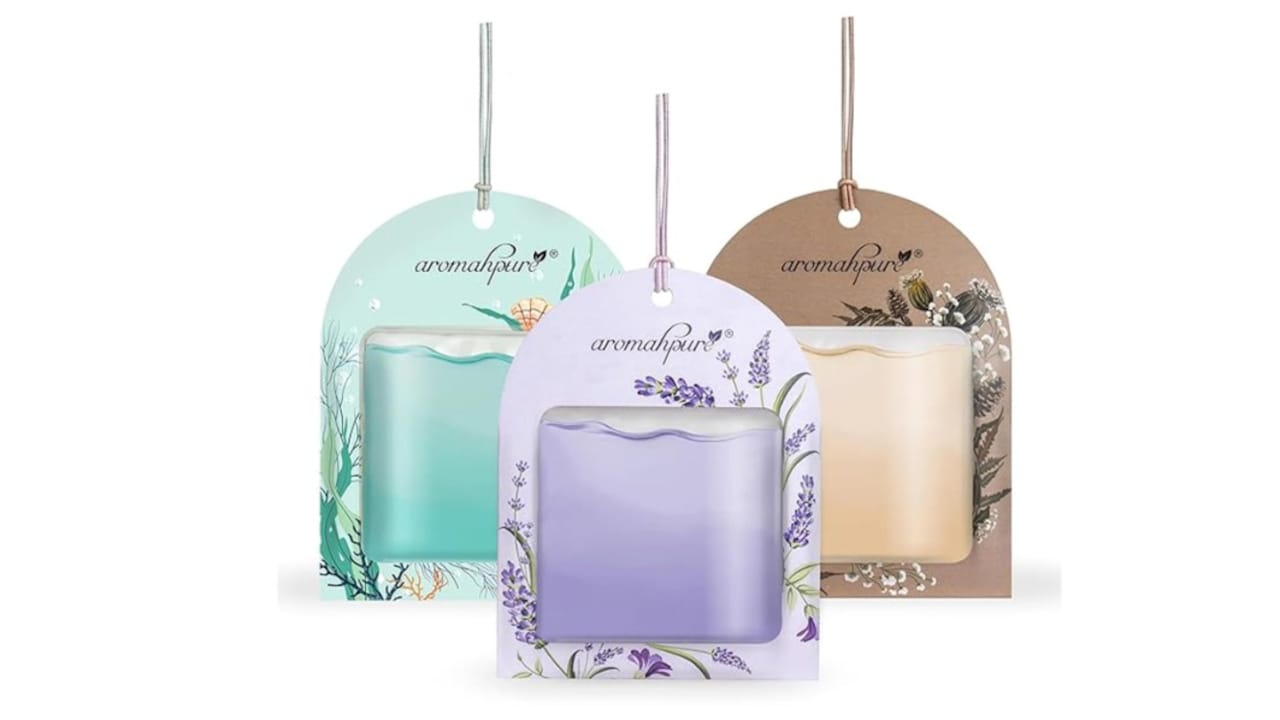
Car Smelling Too Strong? 10 Fragrance Mistakes You Should Avoid
A good-smelling car creates an instant impression. Open the door, catch a gentle citrus note or a clean woody scent, and the cabin suddenly feels more welcoming. After a long day, that tiny detail can make crawling through traffic feel a little less tiring. The trouble starts when fragrance stops playing a supporting role and takes over the entire cabin. Cars have limited interior space, particularly hatchbacks, compact SUVs and small sedans. Windows stay closed for long stretches, air-conditioning recirculates the same air, and fragrances build up faster than many drivers realise. Something that smells mild in a shop can feel surprisingly intense once it spends an afternoon inside a parked car. Heat adds another twist. A freshener left inside a vehicle under the afternoon sun can release fragrance much faster than expected. Add a dashboard spray, scented seat product and a strong vent clip, and the cabin begins smelling less like a fresh car and more like three different air freshener aisles arguing with each other. The following mistakes often cause that problem.
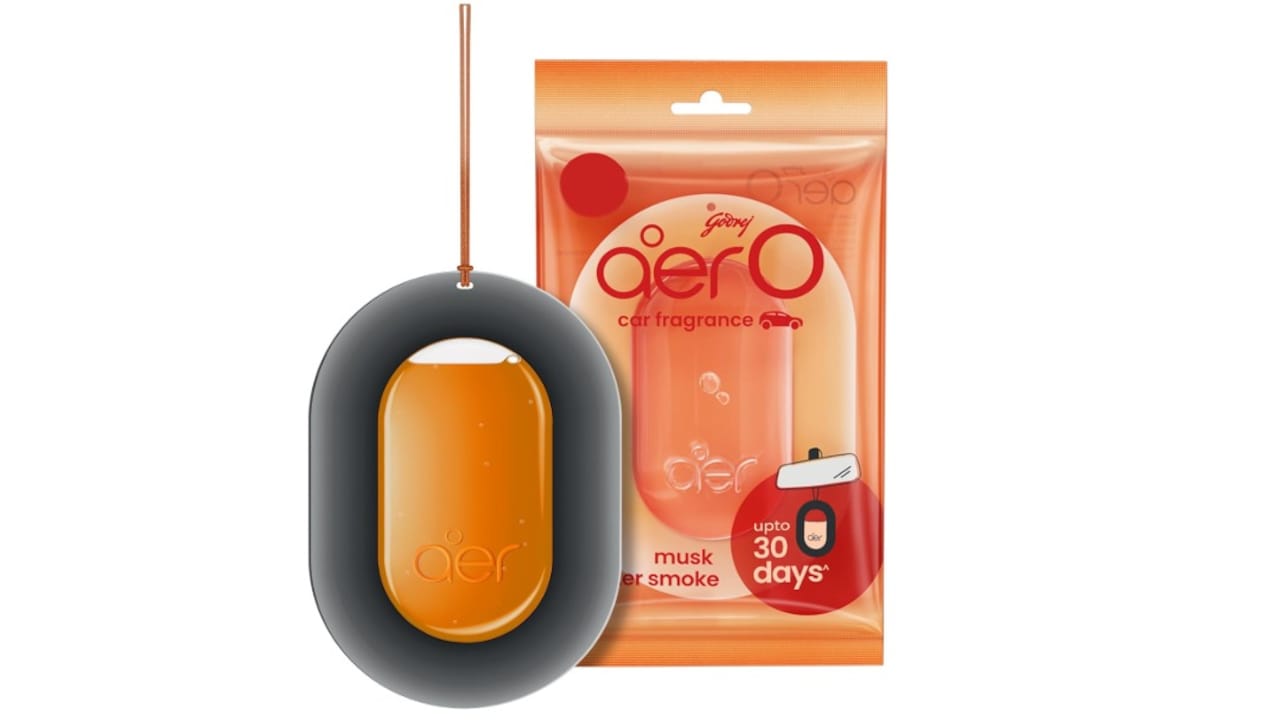
Car Smelling Too Strong? 10 Fragrance Mistakes You Should Avoid; Photo Credit: Amazon
Common Car Fragrance Mistakes That Can Overwhelm A Small Cabin
1. Using Too Many Fragrance Products At Once
One fragrance product may smell pleasant. Three rarely smell three times better.
A common mistake involves placing a hanging freshener on the mirror, fixing another product to the AC vent and keeping a scented gel cup somewhere near the dashboard. Each item may seem mild on its own, yet their combined fragrance can become surprisingly heavy inside a closed cabin.
Different scent families can also clash. A sweet vanilla freshener mixed with sharp lemon and woody musk may create an odd combination that feels confused rather than luxurious. The nose struggles to process several strong notes at once, especially during a long commute.
Small cabins need restraint. One carefully chosen fragrance source usually works better than several competing products. Give it time before deciding that the scent feels too weak. Fragrance circulates differently once the AC starts and passengers settle inside.
Think of car fragrance like seasoning food. A little brings everything together. Empty half the spice box into the pan and even the best ingredients lose their charm.
Also Read: Best Air Fresheners for Cars: Gentle Scents That Will Not Trigger Headaches On Long Drives
2. Choosing A Fragrance That Is Too Strong
Some scents simply carry more weight than others.
Heavy oud, intense musk, sugary vanilla and powerful floral fragrances can smell impressive when sampled briefly. Inside a compact car, however, those same notes may become exhausting after twenty minutes. A scent strip at a shop cannot recreate the experience of sitting beside the fragrance in traffic with the windows closed.
Strength matters as much as scent preference.
Drivers who enjoy rich perfumes often assume they will enjoy equally rich car fragrances. The comparison does not quite work. Perfume sits on the body and disperses into open space. A car freshener continuously releases aroma into a small enclosed area.
Lighter options often suit everyday driving better. Citrus, green tea, mild lavender, fresh linen and subtle aquatic fragrances can create noticeable freshness without dominating the cabin.
That does not mean strong scents must disappear completely. The trick lies in intensity. A milder version of a favourite woody or spicy note can work beautifully.
The best cabin fragrance should quietly greet passengers. It should not introduce itself before they have even closed the door.

Car Smelling Too Strong? 10 Fragrance Mistakes You Should Avoid; Photo Credit: Amazon
3. Hanging Fresheners Too Close To The Face
The rear-view mirror seems like the obvious place for a hanging freshener. Unfortunately, it also places the fragrance remarkably close to the driver and front passenger.
During a short drive, that may not seem important. During a forty-minute crawl through city traffic, constant exposure can become irritating. Every movement of the car swings the freshener slightly, pushing concentrated fragrance towards the front seats.
The problem becomes more noticeable with paper fresheners that have just been opened. Many release their strongest scent during the first few days. Removing the entire wrapper immediately and hanging the product at face level can make the opening fragrance burst overwhelming.
A slower release works better. Some hanging fresheners allow users to expose the product gradually by keeping part of the wrapper intact. Following the manufacturer's directions can prevent that first-week fragrance explosion.
Placement also deserves thought. Depending on the product design and safety instructions, a less intrusive position may distribute fragrance more gently.
Freshness should blend into the cabin atmosphere. Nobody wants every red signal accompanied by a coconut-scented pendulum swinging enthusiastically near their nose.
4. Spraying Fragrance Directly Onto Seats And Carpets
A quick spray on fabric seems like an easy way to make the cabin smell fresh for longer. It can also create one stubbornly concentrated fragrance patch.
Car seats, floor mats and carpets absorb liquids. When fragrance lands directly on these materials, the scent may remain far stronger than expected. Heat trapped inside a parked vehicle can intensify it further. By evening, that innocent morning spray may have developed considerably more personality.
There is another practical issue. Some fragrance products contain ingredients that may not suit every upholstery material. Leather, synthetic trim and delicate fabrics can react differently, so spraying without checking product instructions may leave marks or unwanted residue.
If a product is designed as a cabin mist, a light application into the air is generally more sensible than soaking surfaces. Even then, moderation matters. A couple of sprays can be enough in a small cabin.
Drivers sometimes chase longevity by using more product. That usually solves the wrong problem.
A pleasant car should smell lightly fresh, not as though the seats have spent the afternoon marinating in perfume.
5. Ignoring How Heat Intensifies Fragrance
Summer changes almost everything about fragrance inside a car.
A vehicle parked outdoors can become extremely warm, particularly during sunny afternoons. That heat can accelerate evaporation from gels, vent products and liquid fresheners. As a result, a fragrance that felt perfectly balanced during a cool morning drive may smell far stronger when the car is opened later.
This explains a familiar experience: the door opens after several hours in the sun and a wall of fragrance arrives before the heat does.
Placement can make matters worse. Keeping a fragrance container directly on a hot dashboard exposes it to intense sunlight and temperature changes. Apart from making the smell stronger, unsuitable storage may also affect the product itself.
Always follow the storage and placement instructions supplied with the freshener. Avoid improvising simply because a spot looks convenient.
During hotter months, reducing fragrance intensity often makes sense. Products with adjustable settings can be particularly useful because the release level can be lowered.
A car does not need its fragrance working overtime in May. The weather is already doing plenty of that job.
6. Masking Bad Odours Instead Of Removing Them
Strong fragrance cannot truly fix a dirty cabin.
It may cover an unpleasant smell for a while, but the original source usually remains underneath. Food wrappers forgotten beneath a seat, damp floor mats, spilled coffee, stale cigarette smoke or wet umbrellas can all create lingering odours.
Adding a powerful freshener on top often produces something worse: bad smell plus perfume.
Imagine a forgotten takeaway packet meeting an enthusiastic vanilla fragrance during a hot afternoon. Neither side wins.
Cleaning should come before scenting. Remove rubbish, vacuum carpets, wipe surfaces and dry anything that has remained damp. If an unusual smell continues, the source may require more attention. Air-conditioning systems, cabin filters and hidden moisture can contribute to persistent odours.
Once the interior smells neutral, a mild fragrance has much less work to do. It becomes an accent rather than camouflage.
This approach also saves money. Constantly buying stronger fresheners because the cabin “still smells odd” can become an unnecessary cycle.
Good car fragrance starts with cleanliness. Perfume should decorate fresh air, not negotiate with yesterday's samosa crumbs.
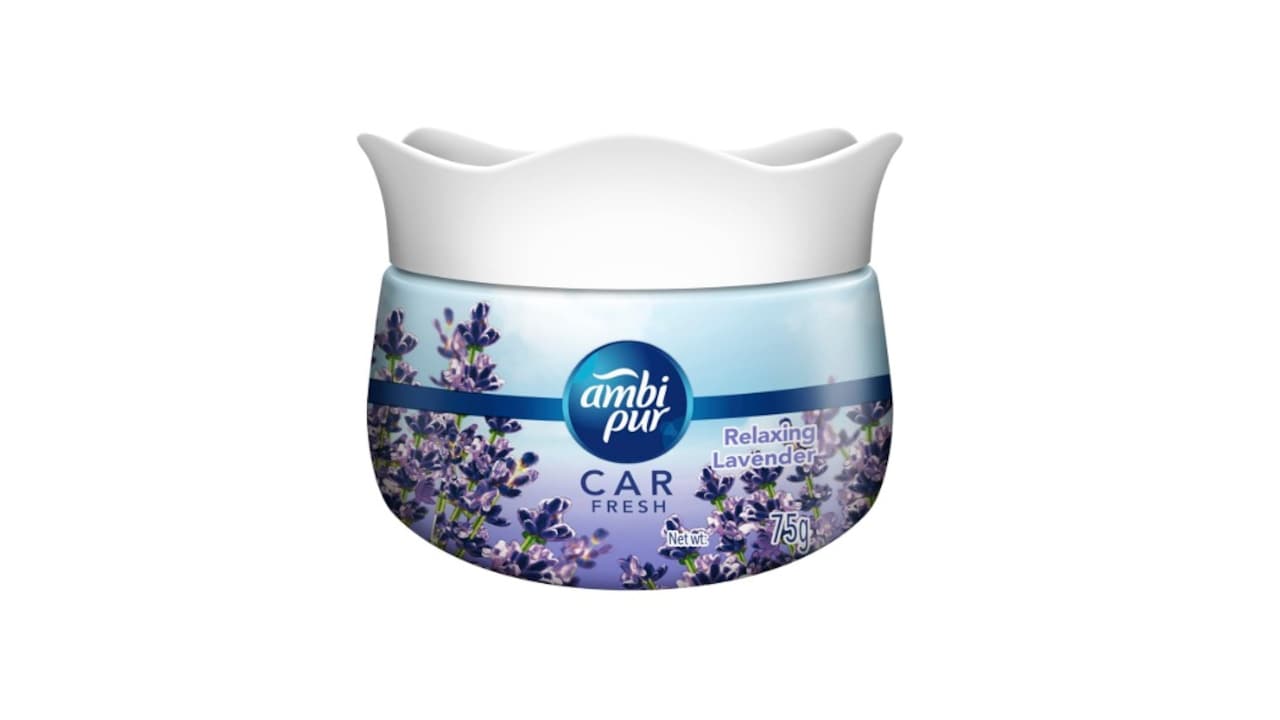
Car Smelling Too Strong? 10 Fragrance Mistakes You Should Avoid; Photo Credit: Amazon
7. Setting Vent Fresheners To Maximum Strength
Vent fresheners offer convenience because the AC helps distribute fragrance throughout the cabin. That advantage can quickly become a problem when the product stays permanently on its strongest setting.
Air from the vent carries the fragrance directly into the cabin. With the blower running at high speed, especially on recirculation mode, a powerful vent clip can fill a compact vehicle within minutes.
Drivers often increase the setting because the scent seems faint immediately after installation. The nose then adapts, making the fragrance appear weaker. This can lead to another increase even though passengers entering the car may find the smell intense.
Start low instead.
Allow the freshener to run through a few normal journeys before changing the setting. What seems subtle during the first five minutes may feel much stronger after half an hour.
AC usage also changes throughout the year. During hotter months, stronger airflow may naturally release more fragrance than expected.
Adjustability exists for a reason. Treat the strength control like a volume knob. A comfortable drive rarely requires the fragrance equivalent of a loudspeaker at a wedding procession.
8. Forgetting About Nose Blindness
The human nose gets used to familiar smells remarkably quickly.
After repeated exposure, a fragrance may seem to disappear even though it remains noticeable to everyone else. This temporary adaptation often causes drivers to add another freshener, increase the strength or spray extra fragrance around the cabin.
Soon, regular passengers barely notice the difference, while someone entering the car for the first time receives the full aromatic shock.
This is one reason fragrance levels should not be judged only during everyday commuting. Spending time away from the car can reset the sense of smell. After a few hours, the scent may become much easier to notice again.
Passenger reactions can also offer useful clues. If several people immediately comment on how strong the cabin smells, the fragrance probably is not “barely there”.
More product does not always restore enjoyment. Sometimes the nose simply needs variety or a break.
Rotating fragrances occasionally can help too, although mixing them simultaneously should be avoided.
A good scent does not need to announce its attendance every morning. Sometimes becoming less noticeable simply means the nose has become familiar with it.
9. Mixing Car Fragrance With Personal Perfume
The fragrance inside a car does not exist alone. Personal perfume, deodorant, hair products and even strongly scented hand creams can join the atmosphere.
Put several passengers inside a compact car and the scent profile becomes surprisingly complicated.
A strong car freshener may work reasonably well when nobody is wearing perfume. Add a sweet fragrance, a spicy cologne and perhaps the aroma of takeaway chai, and the cabin can suddenly feel crowded in more ways than one.
This matters particularly before long journeys, weddings or evening events when people tend to wear stronger personal fragrances.
Keeping the car scent neutral or subtle prevents unnecessary competition. Clean citrus, mild herbal notes or soft fresh fragrances generally sit more comfortably beside personal scents than dense gourmand or musky options.
It also helps to avoid spraying perfume inside the car as a substitute for air freshener. Personal fragrances are designed for skin or clothing according to their directions, not necessarily for cabin surfaces.
A pleasant journey needs room for people to breathe. The fragrance should accompany the conversation, not become the loudest passenger in the vehicle.
10. Replacing Fresheners Before The Old Scent Has Faded
Changing fragrances can make a cabin feel refreshed, but timing matters.
Removing one freshener and immediately installing a completely different scent may create an unexpected overlap. Fragrance molecules can linger in fabrics, floor mats and the ventilation system long after the original product has been removed.
Switch from vanilla to lemon too quickly and the cabin may spend several days smelling like an experimental dessert.
The problem becomes stronger when the previous fragrance was intense. Instead of replacing it instantly, allow the cabin to air out. Open the doors or windows where practical and safe, clean interior surfaces if needed, and give lingering fragrance time to fade.
A neutral gap makes the next scent easier to judge as well. Otherwise, it becomes difficult to know whether the new product is genuinely unpleasant or simply fighting with its predecessor.
This small pause also encourages more thoughtful fragrance choices instead of constant replacement.
Car scents do not need to change every time their novelty fades. Sometimes a slightly quieter cabin feels better than another immediate burst of perfume.
Products Related To This Article
1. Evair BLACK AMBER Luxury Car Air Freshener
2. Involve One Snow Fall Car Perfume
3. CamPure Camphor Cone Pack of 2- 100% Organic
4. Godrej aer O – Hanging Car Air Freshener
5. Luxe Car Perfume 170g - Arctic
6. Nytarra Luxury Car Perfume A Fresh Start
7. Azure Coast | Luxury Car Perfume
Car fragrance works best when it feels almost effortless. The ideal scent sits gently in the background, making the cabin seem cleaner and more pleasant without demanding attention.
Most overpowering fragrance problems come from excess rather than poor taste. Too many products, overly strong scents, high vent settings, direct spraying and heat can all magnify what initially seemed like a harmless freshener. Nose blindness then encourages even more fragrance, creating an easy cycle to miss.
The simplest solution is moderation. Keep the cabin clean, choose one fragrance source, start with a low intensity and allow enough time to judge the result. Remember that passengers may smell the cabin more clearly than someone who drives the same car every day.
A compact car does not require much fragrance to create an atmosphere. A subtle citrus note during the morning commute or a soft woody scent on an evening drive can add a pleasant finishing touch. After all, the best compliment is not, “That air freshener is strong.” It is, “Your car always smells nice.”
(Disclaimer: This article may include references to or features of products and services made available through affiliate marketing campaigns. NDTV Convergence Limited (“NDTV”) strives to maintain editorial independence while participating in such campaigns. NDTV does not assume responsibility for the performance or claims of any featured products or services.)