10 Reasons Food Turns Cold Quickly In A Steel Lunch Box And What Helps Retain Heat
Steel lunch boxes can lose heat quickly due to thin walls, loose lids, cold surroundings and poor insulation. Here’s why your food cools fast and the simple changes that can help it stay warm longer.
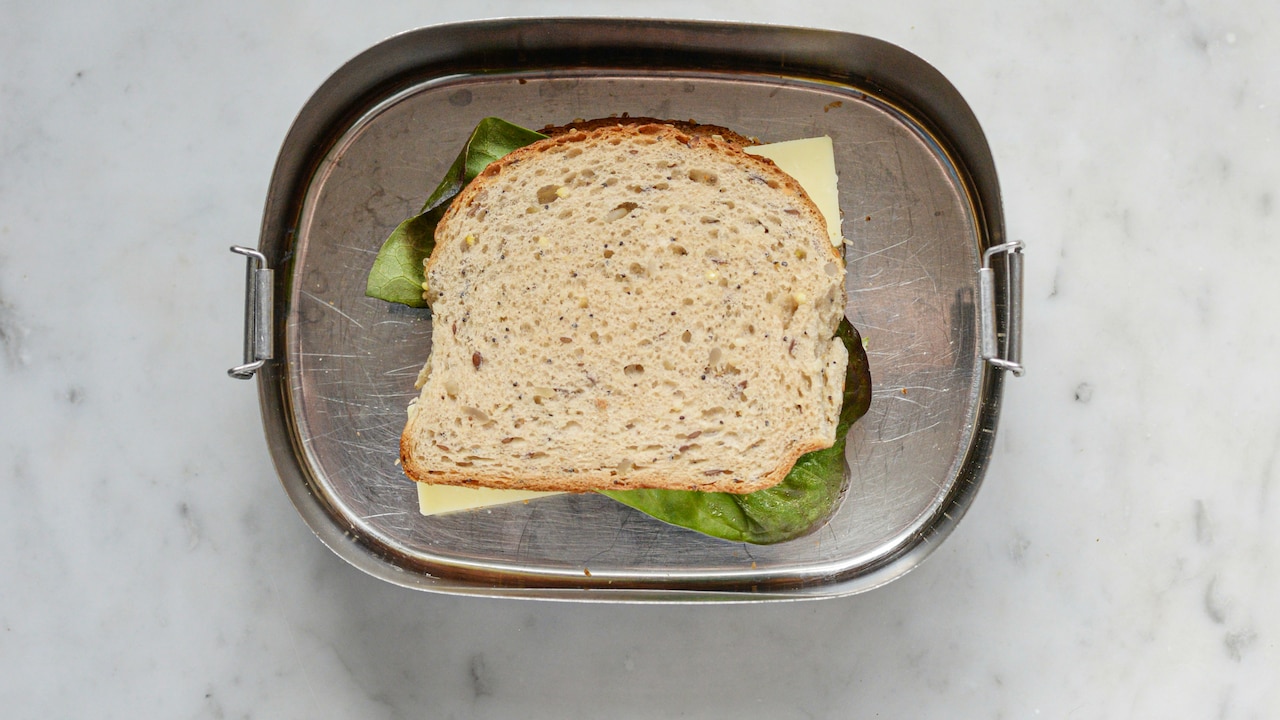
10 Reasons Your Steel Lunch Box Does Not Keep Food Hot For Long
Opening a lunch box at one in the afternoon can feel like a tiny moment of anticipation. The lid comes off, the aroma of jeera rice or aloo paratha rises for a second, and then comes the disappointment: the food is already cold. Steel lunch boxes remain popular for good reason. They are durable, easy to clean, resistant to stains and perfectly suited to everyday meals. They also survive the rough-and-tumble journey inside school bags, office backpacks and crowded local transport. However, plain stainless steel is not automatically a good heat-retaining material.
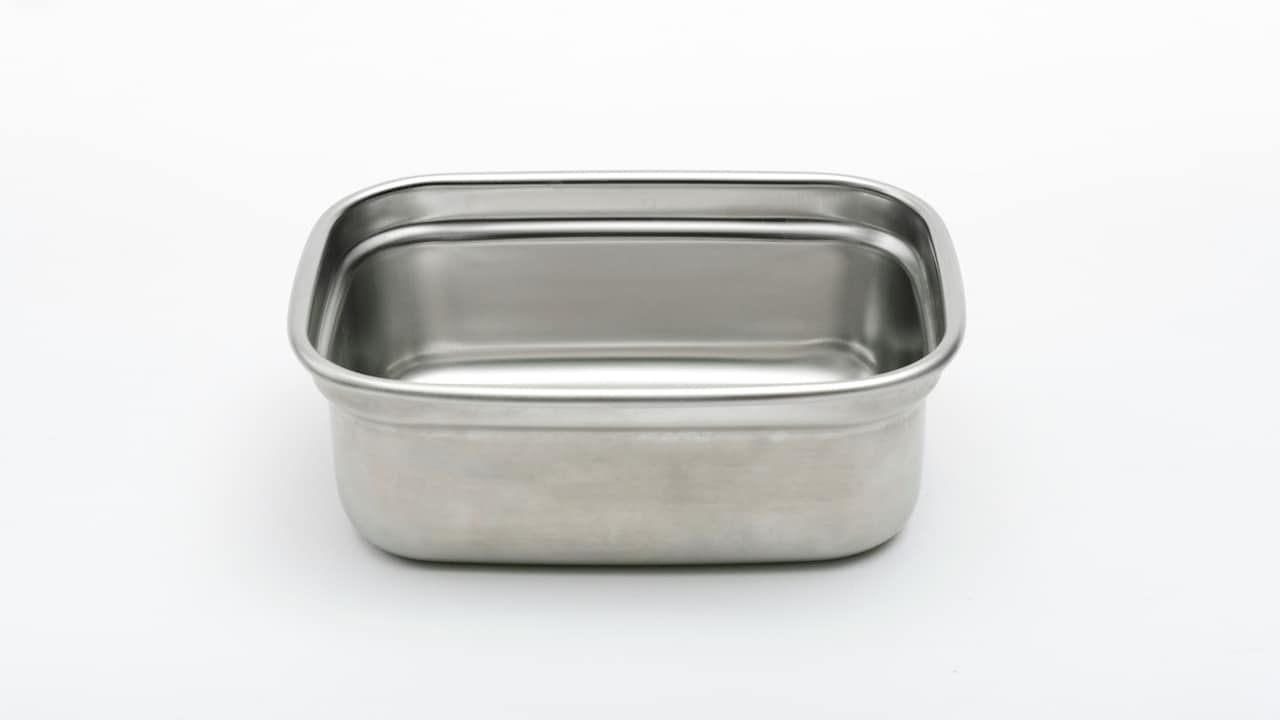
10 Reasons Food Turns Cold Quickly In A Steel Lunch Box And What Helps Retain Heat
Photo Credit: Unsplash
Several things happen between packing breakfast-time food and opening the box at lunch. Heat travels through the steel walls, escapes around the lid and disappears into surrounding air. Even seemingly harmless habits, such as placing a hot lunch inside a cold container, can speed up the cooling process.
Fortunately, keeping lunch warmer does not always require buying an expensive new tiffin. A few practical changes can help.
Why Food Cools Quickly In A Steel Lunch Box
1. Steel Conducts Heat Faster Than You Might Expect
Steel feels solid and dependable, but that does not mean it traps heat particularly well. A standard single-wall steel lunch box allows heat from freshly cooked food to travel through its metal surface and escape into the surrounding air. That is why the outside of the box often becomes noticeably warm just after packing.
Think of a steaming portion of rajma and rice packed at 8 am. The food heats the steel walls almost immediately. Those walls then pass the warmth to the air inside the kitchen, car, office or school bag. By lunchtime, much of that stored heat has disappeared.
Insulated containers perform better because they place a barrier between the hot food and outside air. A double-wall vacuum lunch box slows heat transfer considerably.
If replacing the box is not practical, wrapping the regular steel container in a thick cloth, lunch bag or insulated sleeve can help. Even a clean kitchen towel provides another layer through which heat must travel. It may look like a humble trick, but sometimes the old-fashioned solutions earn their place.
2. A Cold Lunch Box Steals Heat From Fresh Food
Freshly cooked food may enter the lunch box piping hot, but the container itself could be sitting at room temperature or feeling particularly cool on a winter morning. The moment hot food touches cold steel, some of its heat transfers straight into the box.
That temperature exchange starts before the lid even closes.
Preheating the container can reduce this initial heat loss. Pour hot water into the steel box, close the lid and leave it for a few minutes. Empty the water, wipe the container quickly and add the freshly cooked meal. The warmed steel is less likely to pull as much heat away from the food.
This technique works especially well for dishes with plenty of moisture, such as dal, khichdi, sambar, pulao and gravies.
There is one practical detail worth remembering: do not leave the empty warmed box sitting around for ten minutes while hunting for matching lids. Pack immediately.
A couple of minutes of preparation in the morning can give lunch a noticeably better chance of staying comforting rather than becoming refrigerator-adjacent by noon.
Also Read: Say Goodbye To Cold Lunches: Top 5 Microwave-Safe Tiffin Boxes Worth Buying
3. Too Much Empty Space Lets Heat Escape Faster
A half-filled lunch box may look perfectly sensible when the appetite is small, but all that unused space can work against heat retention.
When hot food sits inside a container with a large pocket of air above it, the food also warms that air. Each time heat moves from the meal into the trapped air and container walls, the food gradually cools. Larger empty spaces generally mean more air needs warming.
A snugly filled container usually holds temperature better.
This does not mean stuffing the tiffin until dal starts attempting an escape through the lid. Instead, choose a box that matches the portion. A compact container filled reasonably close to capacity is often better than a large dabba carrying one lonely roti and a spoonful of sabzi.
For smaller meals, use smaller compartments or containers. If lunch includes rice and curry, packing them separately in appropriately sized boxes can also help.
Portion planning therefore does more than prevent food waste. It can quietly support temperature retention too, proving once again that the right-sized dabba deserves more respect than it usually gets.
4. The Lid May Not Seal As Tightly As It Seems
A lunch box can look firmly closed while still allowing warm air to escape through tiny gaps around the lid.
Basic steel containers often use simple press-fit lids. They work well for carrying dry food, but they may not create a strong thermal seal. As hot air rises inside the box, warmth gradually escapes through those small openings and cooler air takes its place.
A lid with a silicone gasket or locking mechanism generally provides a tighter seal. It can also reduce the chances of curry making an ambitious journey across notebooks, chargers and office documents.
Check existing lids for warping, dents or loose edges. Years of use, falls from kitchen shelves and enthusiastic scrubbing can affect how well a lid fits.
If the box closes unevenly, replacing the lid or container may improve heat retention.
Also avoid opening the packed box repeatedly before lunchtime. Every curious peek releases warm air. The aroma of fresh paneer might be tempting, but lifting the lid for “just one look” is effectively inviting the heat to leave early.
5. Food May Not Be Hot Enough When Packed
Sometimes the lunch box gets blamed when the real problem begins at the stove.
Food that feels warm rather than properly hot at packing time has much less stored heat to lose. If breakfast preparation finishes early and lunch sits uncovered for twenty minutes before entering the box, cooling has already started.
Where food safety allows, pack the meal soon after cooking while it remains thoroughly hot. Reheat dishes that were prepared earlier until they are steaming before transferring them into the container.
Moist foods generally retain warmth better than very dry ones. Dal, curry, khichdi and gravy-based sabzi often stay warmer than plain rotis or dry stir-fries because water stores heat effectively.
However, hot food should not simply sit for hours at unsafe temperatures. Heat retention and food safety need to work together. A thermal container designed to keep food hot offers a better option when lunch must remain packed for a long period.
The basic rule is simple: a lunch box cannot preserve warmth that was never there in the first place. Start hot, pack promptly and give the container a fighting chance.
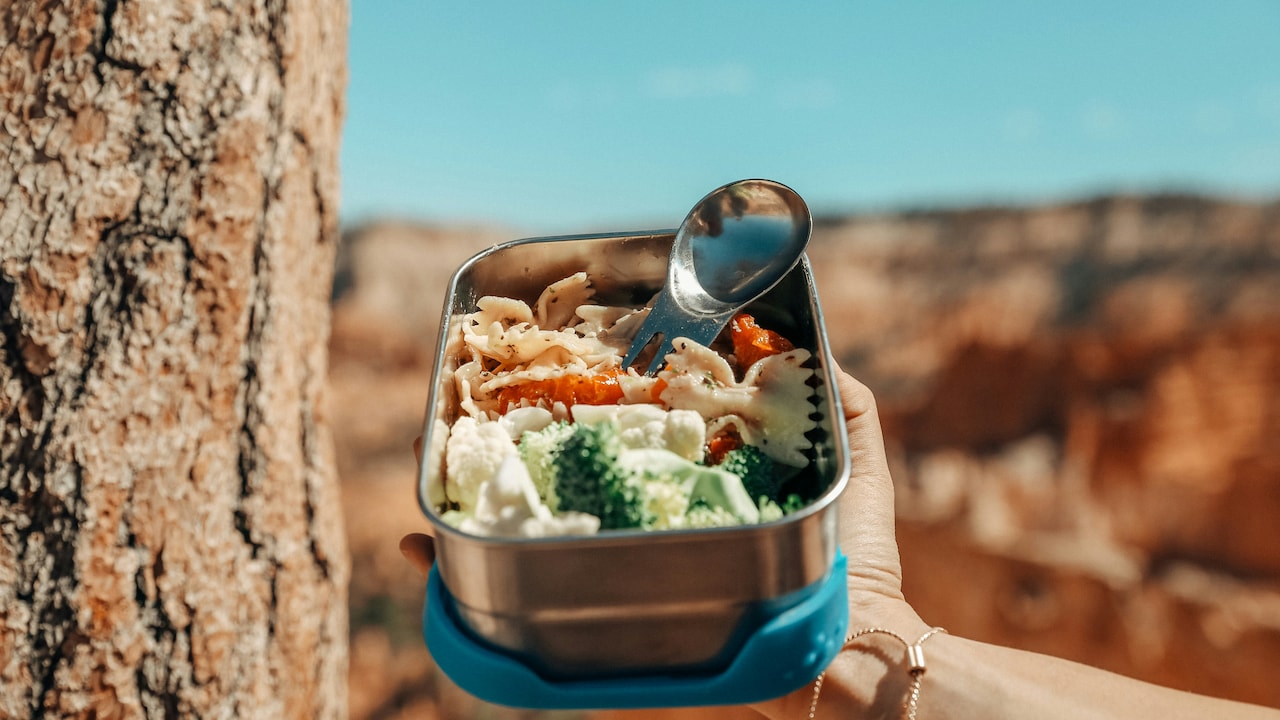
10 Reasons Food Turns Cold Quickly In A Steel Lunch Box And What Helps Retain Heat
Photo Credit: Unsplash
6. Thin Steel Walls Lose Heat More Quickly
Not all steel lunch boxes behave the same way. Two containers may look almost identical on a shop shelf while performing very differently by lunchtime.
Thin, lightweight steel heats up and cools down quickly. That makes such boxes easy to carry, but it also means they offer little resistance to heat moving from the food towards the surroundings.
Heavier construction can slow the process slightly, although insulation matters more than thickness alone. A double-wall or vacuum-insulated container creates a much stronger barrier than ordinary single-wall steel.
When choosing a new lunch box, look beyond shiny finishes and attractive shapes. Check whether the product mentions double-wall construction, vacuum insulation or thermal retention. A container costing ₹800 may sometimes offer more practical value than repeatedly replacing ₹300 boxes that cannot meet the same need.
For anyone using an existing thin steel tiffin, an insulated outer lunch bag can provide a helpful upgrade without replacing the container itself.
The box does not need to resemble equipment from a science laboratory. It simply needs enough protection to stop lunchtime heat from disappearing on the morning commute.
7. Cold Side Dishes Can Cool The Main Meal
Packing hot and cold foods together may seem convenient, especially when one lunch box contains several compartments. Unfortunately, temperature differences inside the box can work against the hot meal.
Imagine freshly prepared lemon rice sitting beside chilled curd straight from the refrigerator. Heat naturally moves from warmer areas towards cooler ones. The rice begins losing warmth while the curd warms up, leaving neither item at its ideal temperature.
The same issue can occur with cold salads, raita, fruit or refrigerated chutneys.
Keep chilled accompaniments in a separate container whenever possible. Small leakproof boxes work well for curd, salad and sauces, while the main insulated container can hold the hot food.
This separation also helps preserve texture. Nobody dreams about warm cucumber raita or salad leaves gently steaming beside pulao.
If the lunch box has built-in sections without thermal barriers, use those compartments for foods that can comfortably sit at similar temperatures.
A little strategic packing goes a long way. Lunch does not need complicated engineering, but hot and cold items usually get along better when they maintain some respectful distance.
8. The Lunch Box Sits In A Cold Environment
Where the lunch box spends its morning matters almost as much as what happens inside it.
A steel container left beneath an air-conditioning vent, beside a cold window or inside a chilly vehicle will lose heat faster. The greater the difference between the temperature of the food and its surroundings, the faster heat tends to move outwards.
Office air conditioning can be particularly unforgiving. A box placed on an exposed desk from 9 am until 1 pm may cool much faster than one kept inside an insulated bag.
Store the lunch box away from direct cold airflow. Keep it zipped inside a padded or thermal lunch carrier whenever possible. A cloth napkin wrapped around the container can provide another useful layer.
During cooler months, even placing the tiffin inside the centre of a backpack rather than an external compartment may help reduce exposure.
Of course, this does not mean hiding lunch beside a laptop's ventilation fan and hoping technology will provide free heating. Keep electronics and food safely separated.
The aim is simply to create a more stable environment so the box does not spend four hours battling aggressive air conditioning before lunch.
9. Frequent Opening Releases Trapped Warmth
Every time a hot lunch box opens, warm air escapes and cooler air rushes inside. The effect may seem small, but repeated opening can reduce the temperature noticeably.
This often happens when several items share the same large container. Someone opens the box for a mid-morning snack, closes it again, then opens it later to remove chutney or fruit. By lunchtime, the main meal has already been exposed several times.
Packing snacks separately solves much of this problem.
Keep biscuits, fruit, nuts or a mid-morning sandwich in another small box rather than storing them above the hot lunch. The main tiffin can then remain sealed until mealtime.
The same principle applies while packing. Fill the container, close it securely and leave it closed rather than repeatedly opening it while arranging the bag.
Heat retention depends on trapping warm air, and an unopened lid acts like a gatekeeper.
There is also something pleasantly satisfying about saving the reveal for lunch. When the lid finally comes off and a little burst of steam appears, even an ordinary weekday dal-chawal suddenly feels far more inviting.
10. The Lunch Box Lacks Proper Insulation
The biggest reason many steel lunch boxes cool quickly is also the simplest: they were designed mainly for carrying food, not maintaining its temperature.
Traditional stainless steel dabbas are excellent for durability and everyday convenience. However, a single layer of metal provides almost no dedicated thermal insulation.
Vacuum-insulated lunch boxes work differently. They use two steel walls with a low-pressure space between them. With fewer particles available to transfer heat, warmth escapes more slowly. Some models also include insulated lids and silicone seals to reduce losses from the top.
Anyone regularly packing lunch four to six hours before eating may notice the biggest improvement by switching to a properly insulated container.
Before buying, consider capacity, weight, cleaning requirements and whether the inner sections are genuinely insulated. A huge thermal box might retain heat beautifully but quickly lose its charm during a crowded commute.
For existing steel boxes, use an insulated carrier, preheat the container and pack food while hot. Those simple steps will not transform a basic dabba into a vacuum flask, but they can still make lunchtime considerably warmer.
10 Reasons Food Turns Cold Quickly In A Steel Lunch Box And What Helps Retain Heat
Photo Credit: Unsplash
Products Related To This Article
1. Stainless Steel Snackle Box Container – 2 Pack Bento Box for Kids
2. Kraft Perma Therm 3-Tier Stainless Steel Insulated Lunch Box
3. Ganesh Shine Stainless Steel Airtight Leak-Proof Lunch Box for Office
4. Kraft Stainless Steel Lunch Box with Handle - 2290 Ml
5. WARMEO BENTO Microwave-Safe Stainless Steel Lunchbox
6. Stainless Steel Lunch Box for Kids & Adults
7. Elan Dabbawala 3 Compartment Tiffin Box
A cold lunch is not always the result of a poor-quality steel box. Heat can disappear because of thin walls, cold containers, loose lids, oversized compartments, chilled side dishes and even an overenthusiastic office air conditioner.
The good news is that several fixes require very little effort. Preheating the box, matching container size to the portion, packing food promptly and keeping cold accompaniments separate can all help. An insulated outer bag offers another easy improvement.
For people who routinely pack meals many hours before lunch, a vacuum-insulated steel container remains the more reliable choice.
After all, a home-cooked meal carries more than calories. It might be yesterday evening's carefully prepared dal, a parent's early-morning parathas or a simple comfort meal packed before a hectic workday. Keeping it pleasantly warm does not require magic. It mostly requires giving that escaping heat fewer places to go.
(Disclaimer: This article may include references to or features of products and services made available through affiliate marketing campaigns. NDTV Convergence Limited (“NDTV”) strives to maintain editorial independence while participating in such campaigns. NDTV does not assume responsibility for the performance or claims of any featured products or services.)