Does Faster Frothing Create Better Foam? 10 Milk-Frothing Myths Explained
Milk frothing is full of myths, from speed and temperature to milk type and equipment. Discover what actually creates smooth, stable foam and which common frothing habits can ruin your coffee.
Does Faster Frothing Make Better Foam? 10 Milk-Frothing Myths Busted
There is something oddly satisfying about watching plain milk turn into soft, glossy foam. A few seconds earlier, it looked completely ordinary. Then comes the gentle whirl, the tiny bubbles and, with a little luck, that smooth texture associated with a well-made café cappuccino. The trouble begins when frothing advice starts sounding like kitchen folklore. One person insists that colder milk always works best. Someone else says full-fat milk produces the thickest foam. A friend may swear that running the frother at maximum speed is the secret to professional results. Soon, making a simple cup of coffee feels like preparing for a science practical.
Does Faster Frothing Create Better Foam? 10 Milk-Frothing Myths Explained
Photo Credit: Amazon
Milk foam does involve science, but good results do not require complicated rules. Proteins, fat, temperature, air and technique all play a role. Understanding how they work together makes frothing far easier.
So, before blaming the milk, the frother or the mug, it helps to separate useful technique from popular myth.
The Truth Behind Common Milk-Frothing Myths
1. Faster Frothing Always Creates Better Foam
Speed certainly looks impressive. A frother spinning at full power creates movement, bubbles and drama within seconds. That does not mean the foam will be better.
Good milk foam depends less on raw speed and more on how evenly air enters the milk. When too much air gets forced in too quickly, large bubbles can form. The result may look wonderfully tall for a moment, then collapse before the coffee reaches the table. Cappuccino foam should feel creamy rather than resemble bath bubbles.
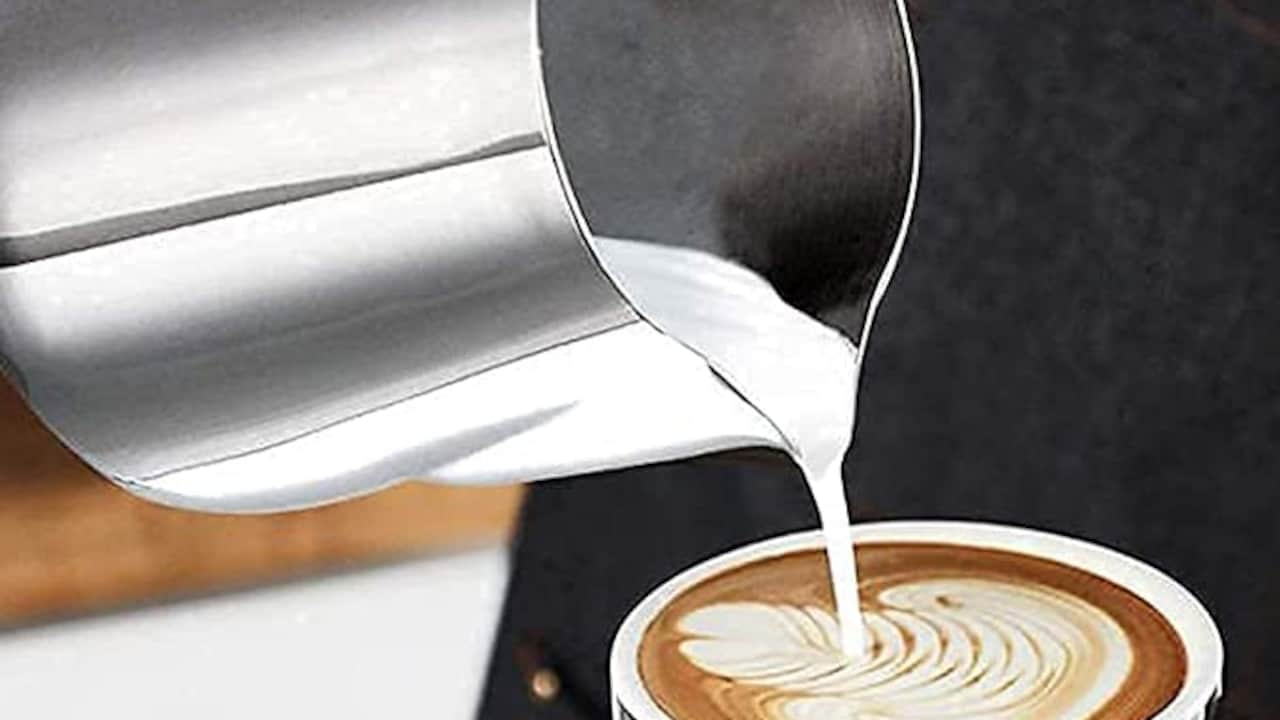
A controlled whirl works better because it helps break larger bubbles into smaller ones. These tiny bubbles create what baristas often call microfoam: smooth, glossy milk with a texture closer to melted ice cream than shaving foam.
This explains why a powerful ₹3,000 frother does not automatically beat a modest handheld model. Technique still matters.
Think of whisking curd for raita. Wild whisking may splash everywhere, while steady mixing produces a smoother texture. Milk behaves differently, of course, but the principle is familiar. More speed is not always more skill.
2. Full-Fat Milk Always Makes The Best Foam
Full-fat milk has a reputation for being the undisputed king of coffee foam. It certainly produces rich, creamy drinks, but “best” depends on what kind of foam sits at the top of the wish list.
Milk proteins help form and stabilise bubbles. Fat adds richness and improves mouthfeel, yet too much fat can interfere with bubble stability. This means lower-fat milk can sometimes create a larger, firmer foam, while full-fat milk usually produces a creamier texture.
For a flat white or latte, that rich texture can be ideal. Someone chasing a tall, airy cappuccino may actually prefer toned milk.
The difference becomes obvious during weekend coffee experiments at home. Two cups made with different milks can look completely different even when the same frother and technique are used.
There is no universal champion. Full-fat milk offers body and sweetness, while lower-fat versions can produce lighter, more abundant foam.
Rather than asking which milk is “best”, ask what the drink needs. A velvety latte and a cloud-like cappuccino are not chasing exactly the same finish.
3. Milk Must Be Nearly Frozen Before Frothing
Cold milk helps, but there is no need to treat the refrigerator like a cryogenic chamber.
Starting with chilled milk gives more time to introduce air before the milk becomes too hot. That extra working time makes it easier to develop fine bubbles and a smooth texture. However, milk does not need to be on the verge of freezing.
In fact, excessively cold milk simply takes longer to heat. With some home frothers, that may mean extra waiting without any meaningful improvement in foam quality.
Fresh milk taken straight from a normal refrigerator usually works perfectly well. What matters more is avoiding milk that starts warm, particularly when using steam. Warm milk reaches its ideal serving temperature quickly, leaving little time to develop texture.
Picture the morning rush. Tea is brewing, breakfast is half-ready and someone has already asked where the car keys are. Measuring milk temperature before frothing hardly sounds appealing. Fortunately, it is unnecessary.
Use properly chilled milk, not icy milk. Good technique needs a sensible starting temperature, not frost on the carton.
4. Boiling Milk Makes Foam Thicker
This myth probably survives because hot milk often feels richer. Unfortunately, boiling is not the route to better foam.
Milk proteins change as temperature rises. Gentle heating helps produce a pleasant texture, but excessive heat can damage the foam structure. Once milk becomes too hot, sweetness can also fade and the flavour may turn slightly cooked.
Anyone who has forgotten a saucepan of milk on the hob knows that smell. It certainly does not suggest café-style elegance.
For most coffee drinks, milk should feel hot and comfortable rather than aggressively boiling. With a steam wand, many people stop heating when the jug becomes too hot to hold comfortably for more than a moment. A thermometer offers more precision, but everyday home frothing does not demand laboratory discipline.
Boiling also creates another familiar problem: the dreaded milk skin. That film might suit certain traditional preparations, but it contributes little to smooth microfoam.
Better foam comes from controlled heat, not maximum heat. If the milk is bubbling furiously before it meets the coffee, it has already gone further than necessary.
5. More Bubbles Mean Better Foam
A mug overflowing with foam can look impressive enough for a social media photograph. Yet quantity tells very little about quality.
The best foam contains countless tiny bubbles that are difficult to see individually. Large visible bubbles usually suggest that too much air entered the milk or that the frother failed to distribute it evenly.
Good microfoam should look glossy, almost like wet paint. Tap the jug gently on the counter and swirl it. If the surface becomes smoother and shinier, the texture is heading in the right direction.
By contrast, stiff foam filled with large bubbles often separates quickly. The liquid milk sinks while a dry foam cap sits on top like a reluctant passenger refusing to join the journey.
This distinction matters particularly for latte art. Smooth foam blends with espresso and flows easily. Coarse foam lands in clumps, making even a simple heart look like an accidental map.
So, do not judge frothing success by height alone. A smaller amount of silky foam can make a far better drink than a towering pile of unstable bubbles.
6. Expensive Frothers Guarantee Café-Quality Results
Premium equipment can make frothing easier, faster and more consistent. It cannot perform magic.
A high-end machine may offer stronger steam pressure, better temperature control and more precise settings. Those features help, especially when several coffees need to be made back to back. Yet poor technique can still turn expensive equipment into a bubble-making machine.
Meanwhile, a ₹700 handheld frother can produce enjoyable foam when used correctly. The texture may not match the finest steam-wand microfoam, but it can still transform an everyday cup.
The biggest improvements often come from simple habits: using fresh milk, choosing the right quantity, keeping the frother at the correct depth and stopping before the milk overheats.
Equipment matters most when expectations become more demanding. Someone practising latte art every morning may value a stronger steam wand. Someone making one evening cappuccino after work may not need a machine that occupies half the kitchen counter.
Price can buy convenience and consistency. Skill still determines whether those advantages become visible in the cup.
7. Plant-Based Milk Cannot Produce Proper Foam
Plant-based milk once had a reputation for producing thin, disappointing foam. That criticism made more sense when cafés had fewer options. Today, many oat, soy and almond drinks have been developed specifically for coffee.
The key lies in their protein, fat and stabiliser content. Different plant-based drinks behave differently when heated and aerated. Soy often froths well because of its protein content. Oat drinks can create a creamy texture, particularly versions labelled for barista use. Almond drinks vary more widely and may separate if overheated.
Technique needs a slight adjustment too. Plant-based milk can react badly to excessive heat, so a gentler approach usually helps.
The result may not behave exactly like dairy milk, but that does not make it inferior. It simply follows a different set of rules.
Anyone who has ordered an oat cappuccino at a busy Bengaluru café has probably seen how convincing the texture can be. Smooth plant-based foam is no longer a novelty.
The carton matters, the temperature matters and the technique matters. The absence of dairy does not automatically mean the absence of good foam.
Does Faster Frothing Create Better Foam? 10 Milk-Frothing Myths Explained
Photo Credit: Amazon
8. Frothing For Longer Always Improves The Texture
When the foam looks disappointing, the instinctive response is often to keep frothing. Another ten seconds feels as though it should fix everything. Sometimes it does the opposite.
Milk has a useful frothing window. Once enough air has entered and the texture has become smooth, continuing to froth can introduce excess air or overheat the milk. The foam may become dry, stiff and difficult to pour.
With handheld frothers, prolonged mixing can also create a thick layer on top while leaving thin milk underneath. That separation produces a drink that looks impressive but feels uneven.
Knowing when to stop is therefore part of the technique.
Watch the surface rather than the clock. The milk should increase in volume without turning into a mountain. A glossy finish and fine bubbles usually signal that the job is done.
It resembles whipping cream in one important way: there is a point where more effort stops being helpful.
Better frothing is not about persistence. It is about recognising the moment when the milk has reached the texture the drink actually needs.
9. The Frother Should Stay In The Same Position
Holding a frother perfectly still might seem like the easiest way to maintain control. In practice, positioning often needs small adjustments.
At the beginning, the frother should sit close enough to the surface to pull air into the milk. Too deep, and the milk spins without gaining much volume. Too high, and it sprays bubbles everywhere, possibly decorating the kitchen counter instead of the cappuccino.
Once enough air has entered, moving the frother slightly deeper helps circulate the milk. This rolling movement breaks larger bubbles into smaller ones and creates a smoother consistency.
The same general idea applies to steam wands, although the technique differs depending on the machine.
Small movements matter more than dramatic ones. There is no need to wave the frother around like a tiny electric lassi whisk. Subtle changes in depth usually work better.
Listen too. A gentle paper-tearing sound during steaming often indicates that air is entering correctly. Loud spluttering suggests the position needs adjustment.
Good foam comes from interaction, not simply switching the machine on and hoping for the best.
Also Read: Top 5 Kitchen Chopping Boards Under ₹500 For Everyday Meal Prep
10. Any Leftover Milk Can Be Frothed Again
Re-frothing leftover milk sounds economical. With grocery bills climbing, throwing away milk feels unnecessarily wasteful. Still, repeatedly heating and frothing the same milk rarely produces the best texture.
Once milk has been heated, its proteins have already changed. Cooling and reheating it can weaken its ability to create stable foam. The flavour may also become flatter, particularly after repeated heating.
There is also a food-safety concern when warm milk sits around for too long before returning to the refrigerator. The safest and tastiest habit is to froth only the amount needed.
That does not require perfect measurement. After a few attempts, the right quantity for a favourite mug becomes easy to judge.
If a little milk remains immediately after frothing, it can still be used sensibly in another drink or poured into porridge rather than repeatedly reheated.
Coffee shops usually work with measured portions for a reason. Freshly frothed milk offers better sweetness, better texture and more predictable results.
Saving ten rupees worth of milk should not turn tomorrow morning's cappuccino into a science experiment.
Does Faster Frothing Create Better Foam? 10 Milk-Frothing Myths Explained
Photo Credit: Amazon
Products Related To This Article
1. Coffee Frother Electric Rechargeable Coffee Maker Machine for Home Electric Coffee Frother Machine
2. GetSetNova Rechargeable Milk Frother & Coffee Whisker with Dual Spring Tech
3. Konquer TimeS Rechargeable Milk Frother
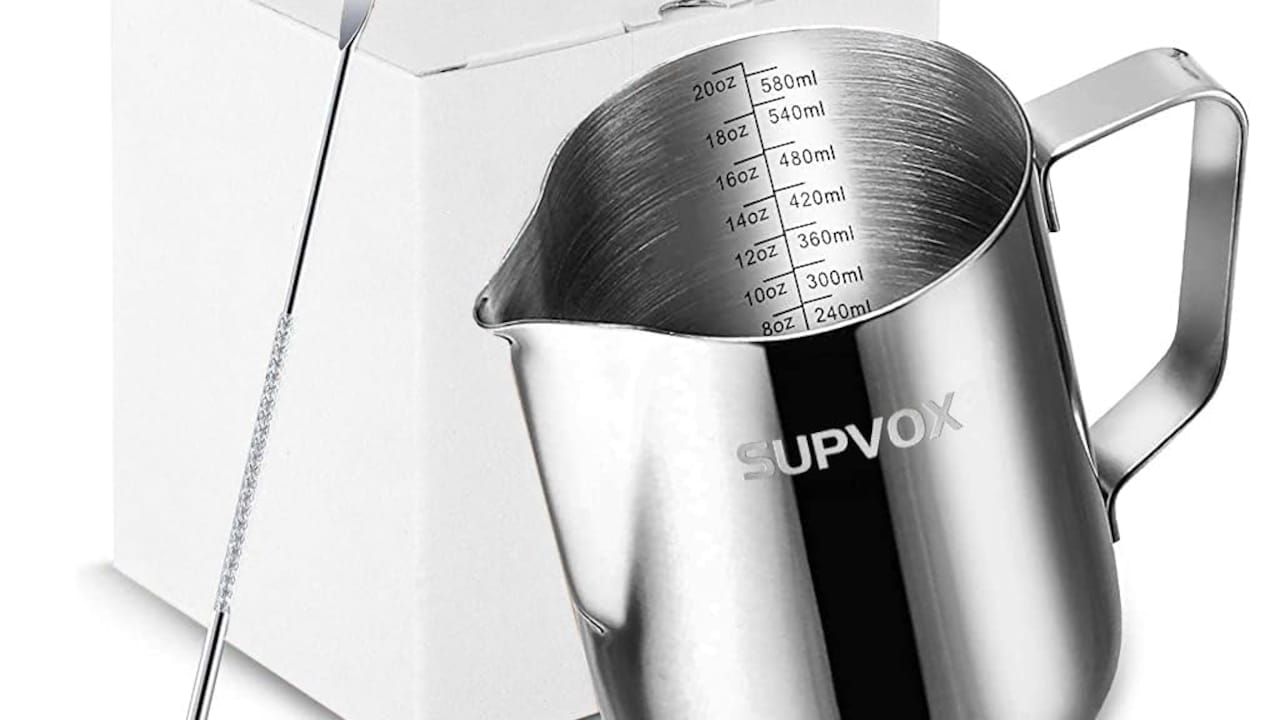
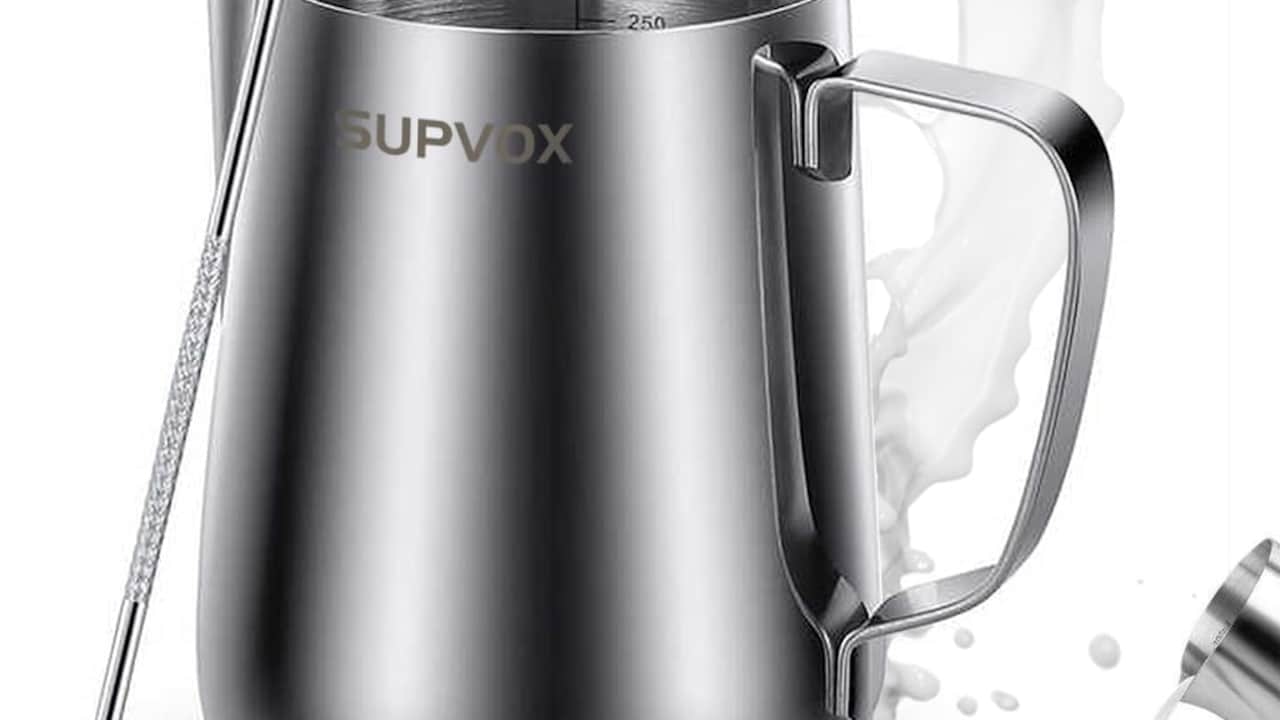
4. Supvox Milk Frothing Pitcher 600ml Capacity 20oz Scale with Decorating Pen
5. Premium Electric Milk Frother,USB frother Portable Handheld Coffee Foam Maker
6. Stainless Steel Milk Frother Coffee Frother Blender-Manual Coffee Beater for Cappuccino
7. UNIGEN Rechargeable Electric Coffee Frother
Milk frothing attracts myths because the process looks deceptively simple. Add milk, introduce air, apply heat and somehow expect a glossy café-style finish. Yet small details make a noticeable difference.
Faster frothing does not automatically create better foam. Full-fat milk is not always the winner. Boiling does more harm than good, and expensive equipment cannot compensate for careless technique. Even plant-based milk can produce excellent results when treated properly.
The most reliable approach is surprisingly uncomplicated: start with fresh chilled milk, introduce air gradually, control the temperature and stop once the texture becomes smooth and glossy.
There will still be occasional disasters. A few giant bubbles may appear. Latte art may resemble a potato instead of a heart. That is part of the charm.
A better cup rarely comes from chasing complicated rules. It comes from understanding what the milk is doing, making small adjustments and enjoying the process. After all, coffee tastes a little better when the foam survives long enough to reach the first sip.
(Disclaimer: This article may include references to or features of products and services made available through affiliate marketing campaigns. NDTV Convergence Limited (“NDTV”) strives to maintain editorial independence while participating in such campaigns. NDTV does not assume responsibility for the performance or claims of any featured products or services.)