Should You Epilate Or Wax For Longer-Lasting Smooth Skin
Deciding between epilating and waxing for smooth skin? Get an honest breakdown of how each feels and which method best suits your skin type and routine.
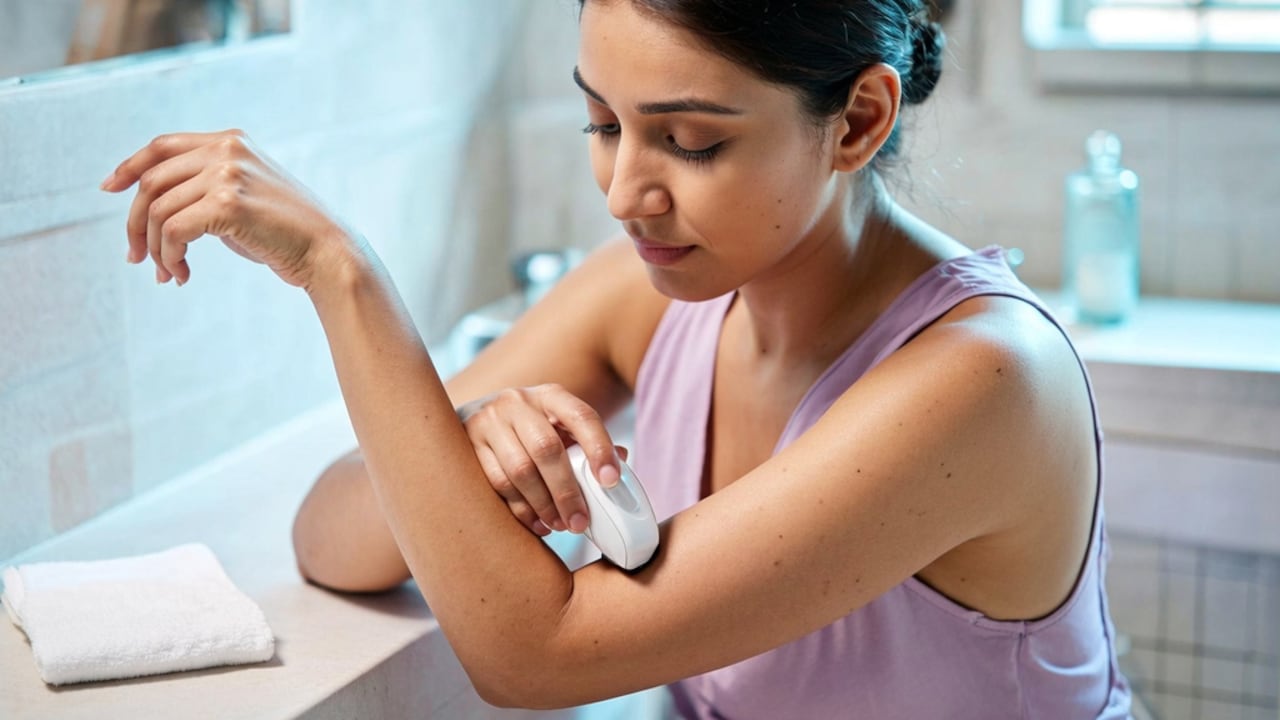
Should You Epilate Or Wax For Longer-Lasting Smooth Skin
Both epilating and waxing pull hair from the root, which is why either one lasts longer than shaving. But they feel nothing alike, cost very different amounts over time, and suit very different kinds of routines. Picking the wrong one isn't permanent damage, but it does mean unnecessary pain, irritation, or money spent on something that doesn't actually fit your life. If you've tried one and found it painful or drifted between both without a clear reason, it's worth understanding what each method actually does and where it makes more sense.
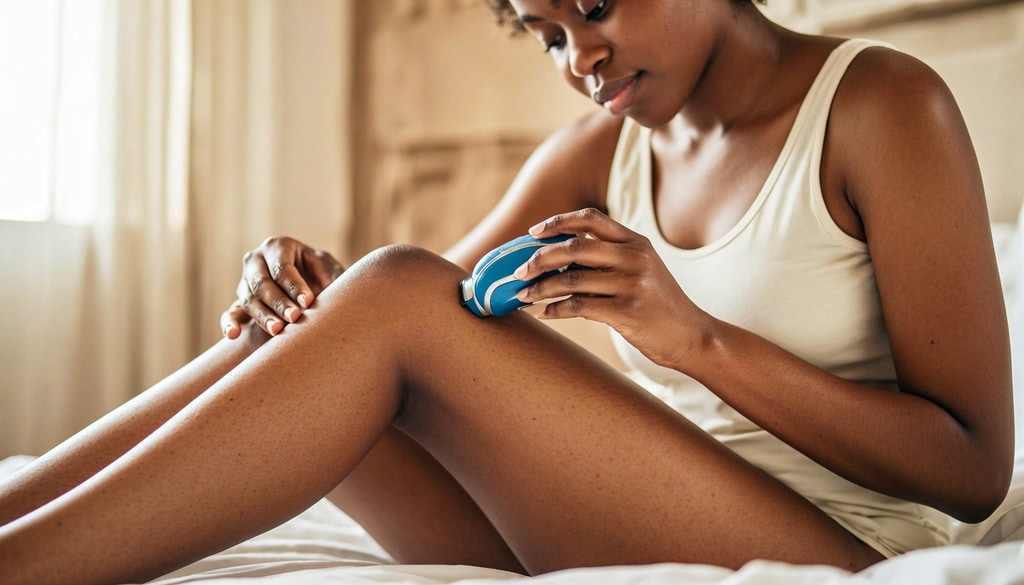
An honest guide to choosing between waxing and epilating based on your skin type comfort.
Photo Credit: iStock
Below is a practical look at how epilating and waxing compare, what to expect from each, how to get better results, and which products are worth picking up right now.
What Is The Actual Difference Between Epilating And Waxing?
Both methods remove hair from the root, so both give you results that last two to four weeks depending on your growth cycle. The difference between epilating and waxing lies in the methods used to remove hair. Waxing applies a sticky substance to the skin and pulls it off in one strip, taking the hair with it. An epilator uses a rotating head with tiny tweezers that grip and pull individual hairs as you move it across the skin. Waxing clears a larger area at once. Epilating goes one hair at a time, which is why the first session tends to feel drawn-out.
Common Reasons People Switch Between The Two Methods
Most people start with waxing because it's familiar, then switch to epilating once salon costs start adding up or scheduling becomes a hassle. The reverse happens just as often. Someone buys an epilator, finds the first few sessions too uncomfortable, and goes back to waxing, where at least the pain lands in one pull rather than stretched across several passes.
Skin sensitivity is a big factor too. Waxing puts heat and adhesive directly on the skin, which can cause redness, reactions, or breakouts, especially on sensitive skin. Epilating avoids both heat and adhesive, but the mechanical pulling can cause ingrown hairs if not done carefully. Neither method is categorically gentler. It depends on your skin.
Then there's convenience. An epilator is a one-time buy you use at home, any time, with no prep. Waxing at home takes more setup. Salon waxing means fitting your schedule around someone else's. For many individuals, the choice ultimately hinges on this factor rather than the method itself.
How To Get The Best Results From Either Method
The steps that matter most happen before and after removal, not just during it. Here is how to get better results whichever method you use.
Step 1: Exfoliate the day before
Exfoliating a day before, whether you're waxing or epilating, lifts dead skin cells and frees any hairs growing back under the surface. It reduces ingrown hair risk and gives you a cleaner removal. Don't skip this one.
Step 2: Check hair length before you start
Waxing needs hair that's at least a quarter inch long for the wax to grip properly. Epilating is fine with shorter hair, which is one of its practical advantages. Either way, don't go in right after shaving.
Step 3: Keep skin clean and dry
Oils, lotions, and moisture reduce grip on both wax and an epilator head. Wipe the area down with a dry cloth before you start. If you've recently applied anything to your skin, wait before proceeding.
Also Read: Top 5 Epilators For Smooth And Long-Lasting Hair Removal Under ₹1000
Step 4: Hold skin taut during removal
Pulling the skin taut with your free hand reduces pain and helps both methods grip the hair more cleanly. It matters most on areas with looser skin, like the inner thigh or underarm.
Step 5: Work in the direction of hair growth first
With epilating especially, starting in the direction of growth before going against it on a second pass gives a more thorough result with less irritation. With waxing, the strip goes on with growth and comes off against it.
Step 6: Apply a soothing product immediately after
Applying aloe vera gel, a gentle toner, or a post-wax lotion immediately after waxing calms the skin and reduces redness. Avoid anything perfumed or alcohol-based for the first hour. Skin is more reactive than usual straight after removal.
Step 7: Exfoliate again two to three days later
Once the initial sensitivity fades, a light exfoliation two or three days after removal helps keep follicles clear as hair starts growing back. Don't scrub immediately after, but don't skip this step either.
Step 8: Moisturise daily between sessions
Well-moisturised skin holds its smoothness longer and reacts less at the next session. A plain unscented body lotion applied daily between removals makes a real difference to how the next session feels.
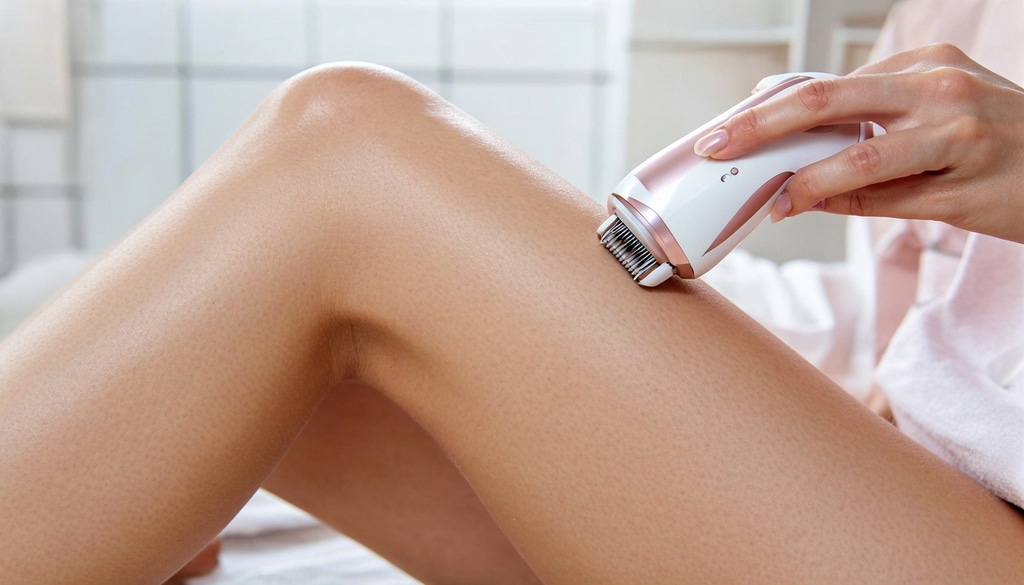
Discover whether epilating or waxing works best for long-lasting smooth skin and your daily routine.
Photo Credit: iStock
Some Epilating And Waxing Products You May Like
1. PROTOUCH Underarms Rechargeable Water-Resistant Lightweight Epilator
2. Urban Hair Remover with 60-Minute and 100-Minute Runtime
3. 2-in-1 Eyebrow Trimmer for Women Rechargeable
4. Hewan Facial Hair Removal Machine Rechargeable
5. Rica Rica Brazilian Wax Beads
6. Devki Hard Wax Beans for Hair Removal
7. Bonheur Brazilian Wax for Sensitive and Delicate Areas
8. ENORA Stripless Brazilian Liposoluble Hard Wax for Sensitive Skin
In terms of regrowth timing, both methods are roughly the same, since they both remove from the root. The difference shows up over repeated sessions. Regular epilating can weaken the follicle over months, leading to finer, sparser regrowth. Waxing has a similar effect but tends to be less consistent, since the result depends more on technique and product quality each time.
Stick with either method consistently and you'll notice regrowth becoming less visible after three to six months. Skin also gets less sensitive to the pain with each session. That's the real reason most people stay with whichever method they started once they're past the first few rounds.
Frequently Asked Questions (FAQs)
1. Does epilating hurt more than waxing?
For most people, yes, at first. The discomfort spreads across more time rather than landing in a single pull like waxing. But after a few sessions it drops off noticeably as the skin adjusts and the hair comes back finer.
2. How long do results last with each method?
Both give you roughly two to four weeks of smooth skin, depending on how fast your hair grows. With consistent use over several months, regrowth tends to become finer and slower with both methods.
3. Can I epilate or wax sensitive skin areas?
Yes, but carefully. For waxing, use a sensitive-skin formula and do a patch test first. Start with a lower speed and ensure that the skin is clean and dry when epilating. Avoid using both methods on broken or irritated skin.
4. Which method is better for preventing ingrown hairs?
Neither is completely ingrown-free, but regular exfoliation before and after either method reduces the risk considerably. Epilating on very short hair without skin prep is where ingrown hairs tend to happen most.
5. Is epilating or waxing more cost-effective in the long run?
Epilating tends to work out cheaper over time since the device is a one-time purchase. Waxing costs stack up at the salon or with regular kit refills. A decent epilator usually pays itself off within a few months of consistent use.
(Disclaimer: This article may include references to or features of products and services made available through affiliate marketing campaigns. NDTV Convergence Limited (“NDTV”) strives to maintain editorial independence while participating in such campaigns. NDTV does not assume responsibility for the performance or claims of any featured products or services.)