10 Laundry Mistakes That Leave Muddy, Greasy And Heavily Soiled Clothes Looking Unwashed
Muddy, greasy or heavily soiled clothes still looking dirty after a wash? These 10 common laundry mistakes may be stopping your detergent and washing machine from doing their job properly.
Washing mistakes that can render your laundry routine insufficient
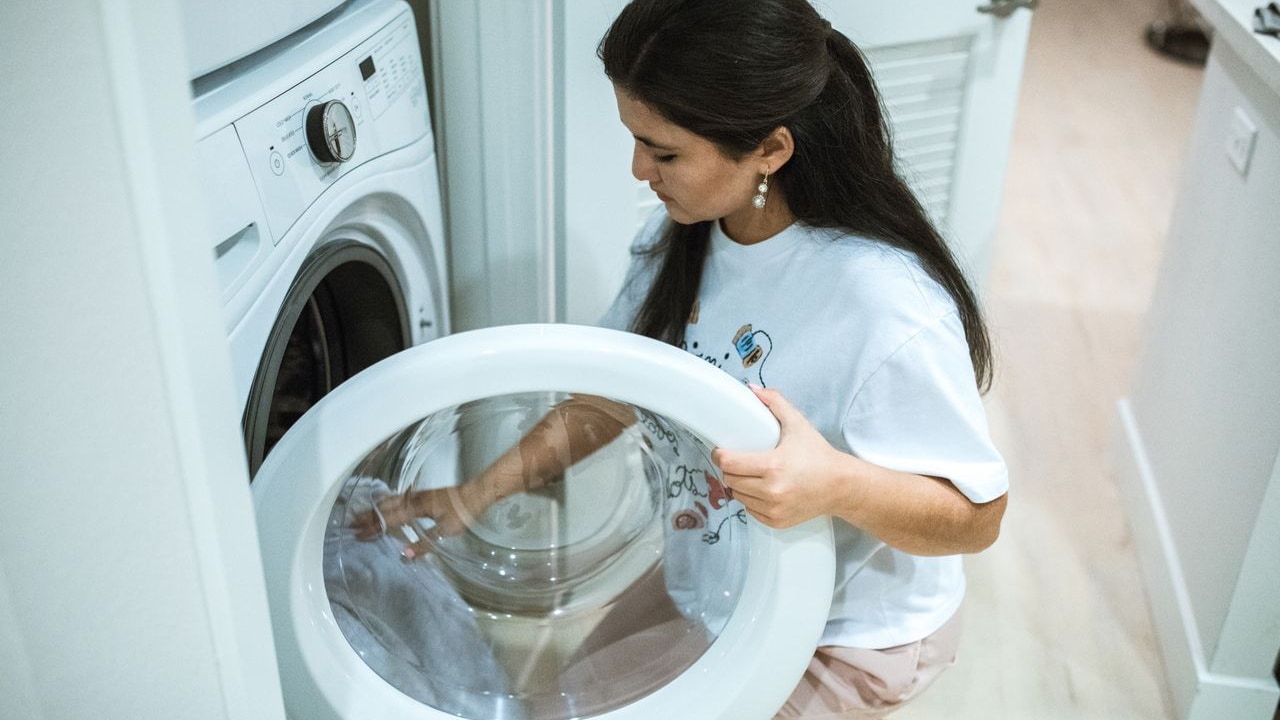
Few household disappointments compare with opening the washing machine and finding that the clothes still look unwashed. The cycle has finished, the detergent has disappeared, and the fabric smells fresh enough. Yet muddy knees remain brown, oily patches still shine under the light, and collars continue to carry a greyish shadow. Heavily soiled clothes need more than a generous scoop of detergent and hopeful button-pressing. Mud, grease, sweat and food stains behave differently. Some need drying before removal, while others demand quick action. Certain stains respond well to warm water, but the same temperature can permanently set another mark.
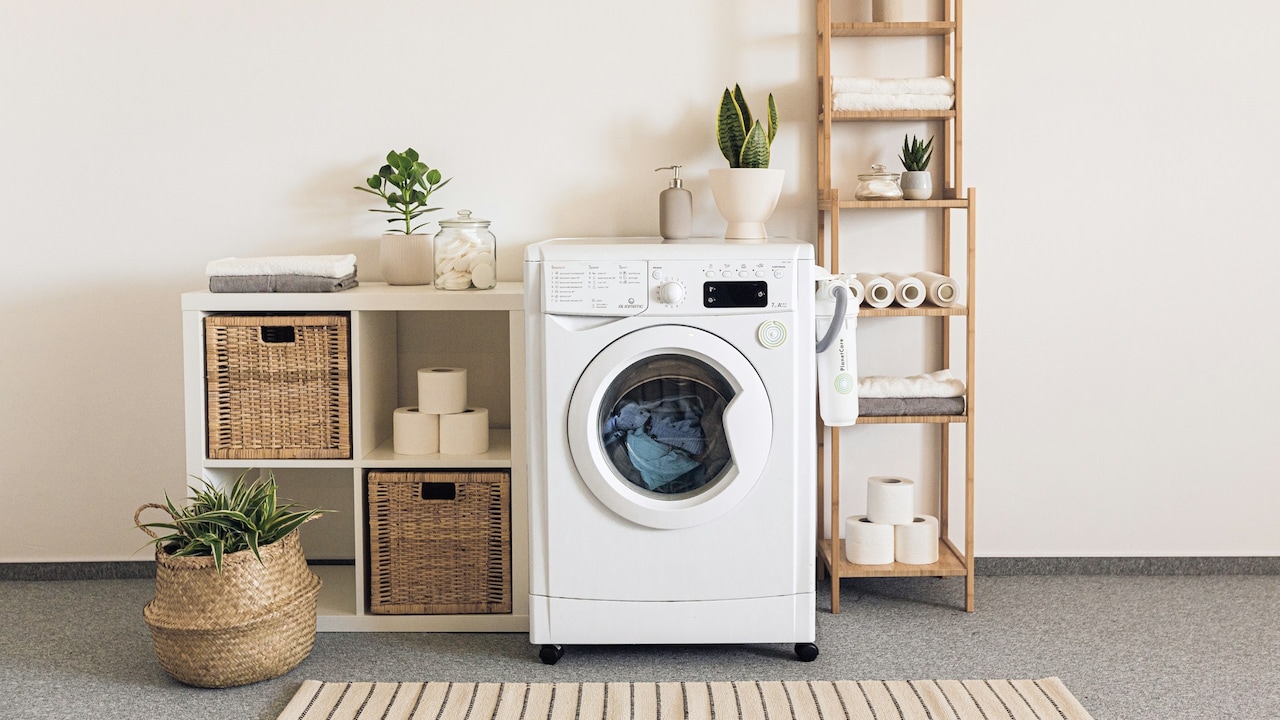
Common washing mistakes to avoid when doing laundry; Photo Credit: Unsplash
Laundry routines often develop through habit. A parent may copy an old family method, a student may stuff everything into one load, and a busy household may treat the washing machine like a magical metal cupboard. Unfortunately, machines clean best when given the right conditions.
Also Read: Top 10 Front Load Washing Machine To Grab Under ₹50,000
The following mistakes explain why stubbornly dirty clothes sometimes survive an entire wash cycle looking almost untouched.
Common Laundry Habits That Keep Clothes Looking Dirty
1. Washing Muddy Clothes Before The Mud Dries
Fresh mud looks urgent, so the natural reaction involves throwing the garment straight into the machine. That move often makes the problem worse. Wet mud spreads easily, works deeper into fabric fibres and turns the wash water into a murky soup that can affect other clothes.
Allow thick mud to dry first. Place the garment somewhere airy, away from carpets, sofas and curious pets. Once dry, shake it outdoors and brush off as much loose soil as possible with an old toothbrush or soft clothes brush. This simple step removes a surprising amount of dirt before water enters the picture.
Next, rinse the stained area from the reverse side using cool running water. Pushing water through the back of the fabric helps drive soil out rather than forcing it further in.
This method works particularly well for children's uniforms after a rainy school day, cricket trousers after a dramatic dive, or jeans that have survived a muddy shortcut. The garment may look dusty during preparation, but the washing machine will have far less work to do.
2. Putting Greasy Clothes Straight Into The Machine
Grease does not mix easily with water. A curry splash, bike-chain mark or oily kitchen stain can survive a normal wash because detergent alone may not break it down quickly enough. Once the garment goes through a heated cycle or tumble dryer, the stain can become even harder to remove.
Treat oily patches before washing. Blot fresh grease with kitchen paper, but avoid rubbing. Rubbing spreads the oil and pushes it deeper into the weave. Sprinkle a little cornflour, talcum powder or baking soda over the mark and leave it for 15 to 30 minutes. The powder helps absorb excess oil.
After brushing it away, work a small amount of washing-up liquid into the stain. Washing-up liquid cuts through grease on plates, and it can perform the same trick on washable fabric. Massage it gently with the fingertips, then rinse according to the garment's care label.
Do not use generous amounts. Too much washing-up liquid can create excessive foam inside a front-loading machine. A few drops usually do the job. Think of it as stain treatment, not a bubble-bath challenge.
3. Overloading The Washing Machine Drum
A tightly packed drum may seem efficient, especially when laundry baskets resemble small mountain ranges. However, clothes need room to move. When the drum is overloaded, water and detergent cannot circulate properly, and fabric surfaces cannot rub gently against one another.
As a result, muddy patches stay trapped, greasy areas receive uneven cleaning, and detergent may remain caught in folds. The machine can finish its cycle successfully while the clothes inside receive little more than a damp group hug.
As a general rule, leave enough space to place a hand comfortably above the laundry in a front-loading drum. Heavy items such as jeans, towels and thick track pants need even more room because they absorb water and become weightier during the cycle.
Splitting one packed load into two balanced loads can produce much cleaner results. It may feel less economical, but rewashing poorly cleaned clothes uses more water, electricity and detergent anyway.
A washing machine works through movement, not merely soaking. When garments tumble freely, dirt loosens and rinses away. When they sit compressed together, stubborn grime enjoys a protected holiday.
4. Using Too Much Detergent For Dirty Clothes
Heavily stained clothing often inspires a generous detergent pour. The logic sounds sensible: more dirt must need more soap. In reality, excess detergent can leave clothes looking dull, sticky and strangely unclean.
Too much product creates thick suds that cushion garments and reduce the friction needed to lift dirt. It can also trap soil and bacteria in fabric fibres. During the rinse, the machine may struggle to remove everything, leaving behind residue that attracts fresh dust and causes unpleasant odours.
Measure detergent according to the load size, water hardness and product instructions. Concentrated liquids and powders require smaller amounts than many people expect. A detergent cap should not automatically reach the top simply because a shirt has met a plate of butter chicken.
For extremely dirty garments, pretreatment works better than doubling the detergent. Apply a suitable stain remover to problem areas, soak the item when the care label allows it, and select the right wash programme.
Clean clothes should feel fresh, not coated. If washed fabric feels stiff, slippery or unusually heavy, detergent residue may be part of the problem.
5. Using Too Little Detergent In Hard Water
While excess detergent causes trouble, using too little can also leave heavily soiled clothes looking tired. This becomes particularly noticeable in areas with hard water, where minerals interfere with the detergent's cleaning action.
In hard water, soap struggles to form an effective cleaning solution. Mud, body oil and kitchen grease may remain attached to fabric even after a full cycle. White clothes can turn grey, coloured garments may lose brightness, and towels can feel rough.
Check the detergent packaging for hard-water guidance. Many brands provide separate measurements based on water conditions and load size. Use the recommended amount rather than guessing with a spoon or pouring until the container “looks right”.
A laundry water softener may help where mineral levels remain high. Regularly cleaning the washing machine also matters because hard-water deposits can collect around the drum, heating element and detergent drawer.
Balance makes the difference. The correct amount of detergent should match the water and the dirt level. Laundry behaves a little like chai: too little of a key ingredient leaves it weak, while too much ruins the entire experience.
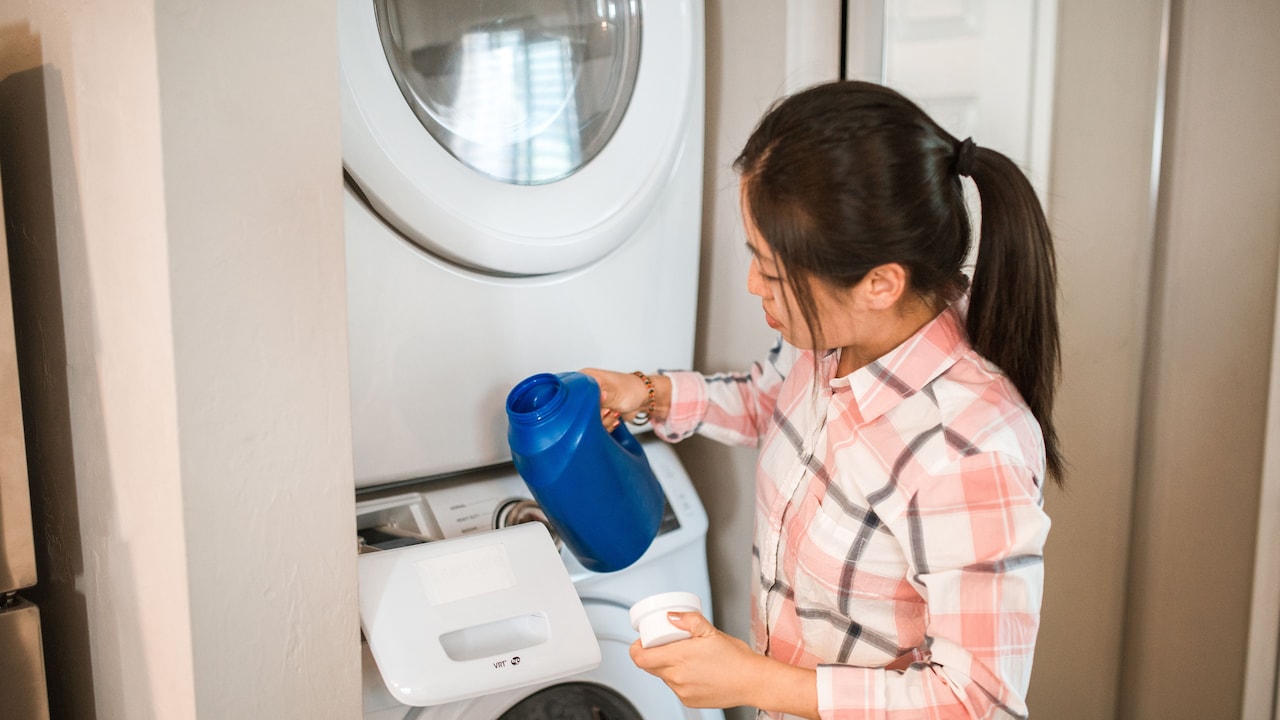
Not using enough detergent can also make fresh laundry look unclean
Photo Credit: Pexels
6. Choosing The Wrong Water Temperature
Water temperature can rescue a stain or turn it into a permanent souvenir. Many households use the same setting for every load, but mud, grease, sweat and protein-based stains need different treatment.
Cool water usually suits fresh mud, blood, milk, egg and certain food stains. Hot water can set protein stains, making them harder to remove. Greasy clothes may respond better to warm water because heat helps loosen oil, provided the fabric care label permits it.
Very hot water can shrink cotton, fade colours and damage elastic. It may also affect prints, delicate fibres and synthetic sportswear. Before selecting a temperature, check the label and consider the stain rather than relying on habit.
When uncertain, begin with cool water. A stain that survives a cool wash can receive further treatment. A stain fixed by excessive heat may not offer the same second chance.
Modern detergents often work well at lower temperatures, but heavily soiled clothing still needs proper pretreatment. Temperature supports the cleaning process; it does not replace it. The hottest setting should never become the washing machine's version of pressing the panic button.
7. Ignoring Collars, Cuffs And Other Hidden Dirt Zones
Some areas collect dirt quietly. Shirt collars absorb sweat, skin oil, hair products and dust. Cuffs brush against tables, bags and scooter handles. Trouser hems gather road grime, while underarm areas hold deodorant residue and perspiration.
A normal wash may not remove these concentrated deposits, particularly when they have built up over several wears. Treat such areas before loading the machine. Apply liquid detergent or a stain remover directly, then rub the fabric gently against itself or use a soft brush.
Avoid aggressive scrubbing. Rough treatment can weaken fibres, fade colour and create a worn patch that looks worse than the original stain. Let the product sit for around 10 to 15 minutes unless its instructions advise otherwise.
Turn garments inside out before washing when sweat and body oil form the main concern. This exposes the dirtiest surface to water and detergent more directly.
A shirt can look spotless from a distance yet appear neglected around the neckline. Paying attention to these small zones creates the difference between “technically washed” and genuinely clean.
8. Mixing Heavily Soiled Clothes With Lightly Worn Laundry
Combining every garment into one load saves sorting time, but it can spread dirt from heavily soiled items to clothes that only need a light refresh. Muddy trousers, greasy aprons and sweaty sportswear release large amounts of grime into the wash water.
The detergent must then handle both the original dirt and the soil moving between garments. Light-coloured tops may emerge greyish, towels can pick up unpleasant smells, and delicate items may suffer from contact with rough fabrics, zips or heavy denim.
Separate laundry by soil level as well as colour. Wash muddy outdoor clothes together after removing loose dirt. Keep greasy kitchen garments away from lightly worn office shirts. Sportswear also benefits from its own load because synthetic fibres can hold sweat and odour.
This does not require a complicated laundry laboratory. Two basic groups often work: lightly worn clothes and heavily soiled clothes.
Sorting may add a few minutes before washing, but it prevents clean garments from becoming innocent victims. Nobody wants a pale kurta entering the machine respectable and leaving with the mysterious grey mood of an old floor cloth.
9. Selecting A Quick Wash For Serious Stains
Quick-wash programmes suit small loads of lightly worn clothes. They work well when garments need freshening rather than deep cleaning. However, they rarely provide enough time, agitation or rinsing for thick mud, cooking grease or deeply embedded soil.
A 15-minute cycle cannot perform miracles on trousers that have survived a monsoon puddle, a football match and a roadside splash. Stubborn dirt needs time to loosen from fibres. Heavily soiled settings usually include longer wash periods, stronger drum movement and additional rinsing.
Choose a programme based on fabric type and dirt level. Cottons can often handle a more intensive cycle, while synthetics and delicate materials need gentler treatment. Some machines include options labelled “stain”, “intensive”, “soak” or “prewash”. These features can help when used correctly.
Quick cycles may also struggle to dissolve powdered detergent fully, especially in cold water. This can leave white residue on dark clothing.
Speed has its place, but not every laundry day needs a race. Serious stains require patience, preparation and a cycle long enough to finish the job properly.
10. Drying Clothes Before Checking The Stains
The wash cycle ends, the clothes smell pleasant, and everything moves straight to the drying rack, iron or dryer. Later, a faint oily mark becomes clearly visible, or a muddy shadow appears across the knee. By then, heat may have fixed the stain more firmly.
Inspect heavily soiled garments while they remain damp. Check both sides of the fabric under good light. Grease can hide on wet cloth, so look for darker patches or areas with a slight sheen.
When a stain remains, do not iron or tumble-dry the garment. Apply another round of treatment and wash it again. Air-drying may offer a safer temporary option, but strong sunlight can also affect colours and certain stains, so follow the care label.
Avoid rubbing a dried stain with harsh chemicals out of frustration. Repeat gentle treatment instead. Several careful attempts protect fabric better than one furious scrubbing session.
This final check takes less than a minute and can save a favourite shirt, uniform or pair of trousers. Laundry offers few guarantees, but heat provides one: it rarely makes an untreated stain more cooperative.
Products Related To This Article
1. Whirlpool 7.5 Kg 5 Star StainWash Magic Clean PRO Fully Automatic Top Load Washing Machine
2. LG 8 Kg 5 Star Smart Inverter Technology Fully Automatic Top Load Washing Machine
3. VW 7.5 kg 5 Star Aqua Spin Semi Automatic Top Load Washing Machine Aqua
4. Haier 6 kg 5 Star Oceanus Wave Drum Washing Machine Fully Automatic Top Load
5. Voltas Beko, A Tata Product 10 Kg 5 Star Fully-Automatic Top Loading Washing Machine
6. Godrej Smart Choice 7 Kg 5 Star
7. Samsung 7 kg, 5 Star, Eco Bubble Technology, Digital Inverter Motor
Muddy, greasy and heavily soiled clothes do not necessarily need expensive detergents or punishing wash cycles. They need the right preparation. Let mud dry before brushing it away, treat grease before washing, measure detergent carefully and give clothes enough space to move.
Sorting garments by soil level, checking care labels and selecting a suitable programme also improve results. Most importantly, inspect stains before exposing fabric to heat.
The washing machine remains a powerful helper, but it cannot identify curry oil, playground mud or a week-old collar mark on its own. A few thoughtful steps before and after the cycle can transform laundry from a repeated battle into a manageable routine.
Clean clothes should look clean, not merely smell as though they have met detergent. Once these common mistakes disappear, stubborn garments finally stop returning from the wash with unfinished business.
(Disclaimer: This article may include references to or features of products and services made available through affiliate marketing campaigns. NDTV Convergence Limited (“NDTV”) strives to maintain editorial independence while participating in such campaigns. NDTV does not assume responsibility for the performance or claims of any featured products or services.)