How To Make A Non-Stick Pan Last Longer: 10 Cooking, Cleaning And Storage Mistakes To Avoid
Protect your non-stick pan from early damage. Avoid these 10 common cooking, cleaning and storage mistakes to keep its coating smooth and extend its useful life.
How To Make A Non-Stick Pan Last Longer: 10 Cooking, Cleaning And Storage Mistakes To Avoid
A good non-stick pan often becomes the busiest utensil in the kitchen. It handles crisp dosas before work, masala omelettes on lazy Sundays, shallow-fried cutlets for evening tea and quick vegetable stir-fries when dinner needs to happen immediately. That dependable convenience, however, can create a false sense of security. Non-stick cookware may look sturdy, but its coated surface needs gentler treatment than stainless steel or cast iron. A pan that once released pancakes with a light shake can start clinging to food after months of overheating, harsh scrubbing and careless storage.
How To Make A Non-Stick Pan Last Longer: 10 Mistakes To Avoid
Photo Credit: Pexels
This does not always mean the pan was poorly made. Quite often, small daily mistakes shorten its life. Some seem harmless, such as heating it while chopping onions or using a steel spoon for “just one minute”. Others happen during cleaning, when stubborn grease invites aggressive scrubbing.
The good news is that non-stick cookware does not demand complicated maintenance. A few sensible changes can keep the surface smooth, the food evenly cooked and the pan useful for much longer. Avoid these ten common mistakes, and breakfast may stop becoming an unwanted wrestling match.
10 Common Mistakes That Shorten The Life Of Your Non-Stick Pan
1. Heating The Pan While It Is Empty
Placing an empty non-stick pan over a high flame may save a minute, but it can cost the pan several months of useful life. The thin surface heats quickly, especially on a powerful gas burner. Without oil, batter, vegetables or another ingredient to absorb that heat, the temperature can rise sharply.
Excessive heat may weaken the coating, create discolouration and reduce the pan's ability to release food. The damage may not appear after one hurried breakfast. It often builds slowly until eggs start sticking and rotis develop uneven brown patches.
Prepare the ingredients before switching on the hob. Add a small amount of oil or butter to the pan, then heat it over a low or medium flame. There is no need to wait for clouds of smoke. Non-stick cookware performs best at moderate temperatures.
This habit also prevents the familiar kitchen scene where an empty pan sits forgotten while the cook searches for curry leaves, opens three spice jars and answers the doorbell. A little preparation protects the coating and keeps the cooking calmer.
2. Cooking Everything On A High Flame
High heat feels efficient. The flame looks impressive, the pan sizzles loudly, and dinner appears to move faster. Unfortunately, non-stick cookware rarely benefits from this enthusiasm.
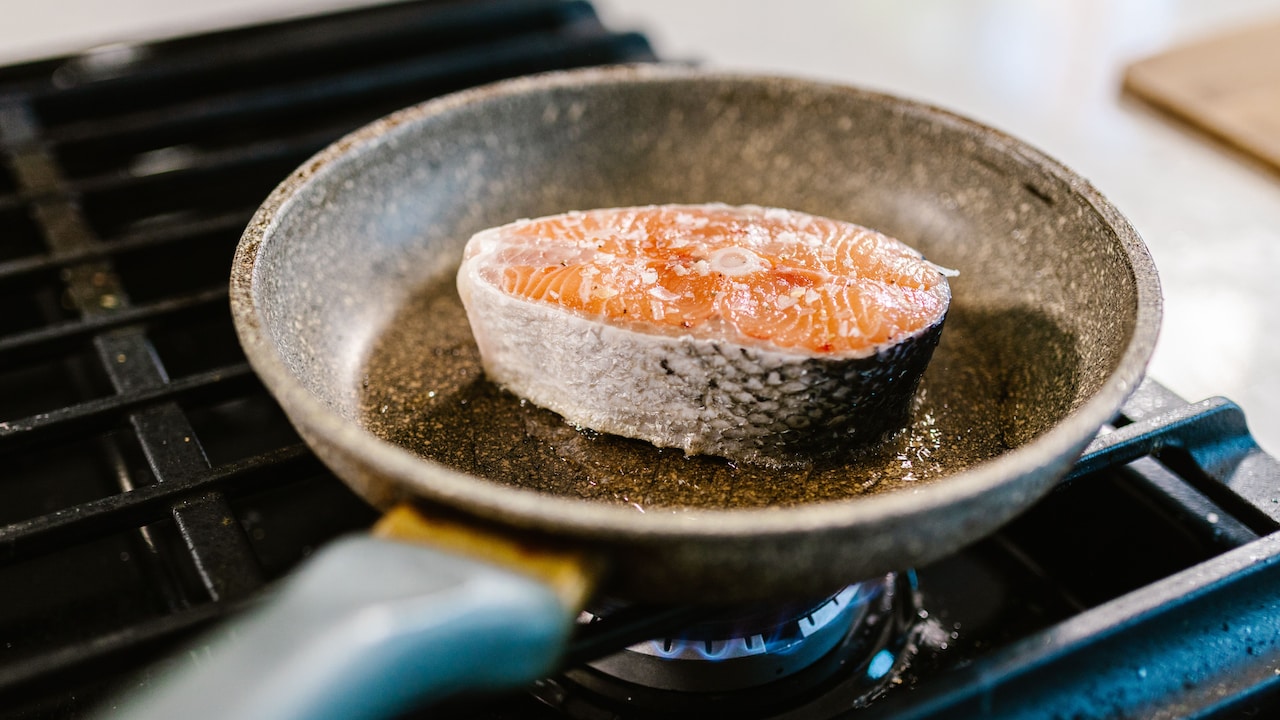
Most everyday foods cook well over low to medium heat. Omelettes, cheelas, pancakes, fish fillets, paneer and sautéed vegetables need controlled warmth rather than an aggressive blast. Constant high heat can damage the coating, warp the base and create hot spots. It may also burn oil before the food cooks properly.
Use a medium flame for preheating and lower it once the ingredients enter the pan. When searing meat or preparing dishes that demand intense heat, choose cast iron, carbon steel or stainless steel instead. Those materials can tolerate rougher treatment.
Matching the pan to the cooking method matters. A non-stick pan works like a skilled specialist, not a kitchen superhero expected to handle every task. It excels at delicate foods and low-fat cooking. Asking it to behave like a heavy kadai over a roaring flame usually ends badly for both the coating and the dinner.
3. Using Metal Spoons, Forks And Spatulas
A steel spoon may seem too smooth to cause harm, but its edges can scratch a non-stick surface surprisingly quickly. Forks, metal spatulas, knives and sharp-edged ladles pose an even greater risk.
Once scratches appear, food can settle into the damaged areas. The pan may become harder to clean, and the coating can continue to deteriorate around those marks. Cutting a sandwich, dosa or pancake directly in the pan also creates unnecessary damage.
Use silicone, wooden or heat-resistant nylon utensils instead. A broad silicone spatula works well for eggs, pancakes and fish because it slides underneath food without scraping the surface. Wooden spoons suit gravies, sautéed vegetables and everyday stirring.
Keep the gentler tools close to the hob so nobody reaches for a steel spoon out of habit. In a busy household, this simple arrangement can prevent many accidental scratches.
One careless scrape may not destroy the pan immediately, but repeated contact acts like tiny sandpaper strokes. The coating deserves better than a daily sword fight with the cutlery drawer.
4. Using Too Much Cooking Spray
Cooking spray sounds ideal for a non-stick pan. It offers quick coverage, uses little oil and keeps fingers away from sticky bottles. Yet regular use can leave behind a stubborn film.
Many aerosol sprays contain additives that help the oil leave the can evenly. During cooking, these ingredients can bake onto the pan and form a thin residue. Over time, the surface may feel tacky even after washing. Food can then start sticking to the sticky layer rather than the original coating.
Use a small spoonful of regular cooking oil, ghee or butter instead. Spread it across the surface with a silicone brush or gently rotate the pan. This provides enough lubrication without creating a difficult build-up.
When portion control matters, pour oil into a refillable pump sprayer that does not rely on aerosol additives. Check the manufacturer's advice before using any spray.
The irony is hard to miss: a product designed to prevent sticking can eventually encourage it. A measured drizzle often works better, tastes better and saves the pan from developing a mysterious varnish that refuses to leave.
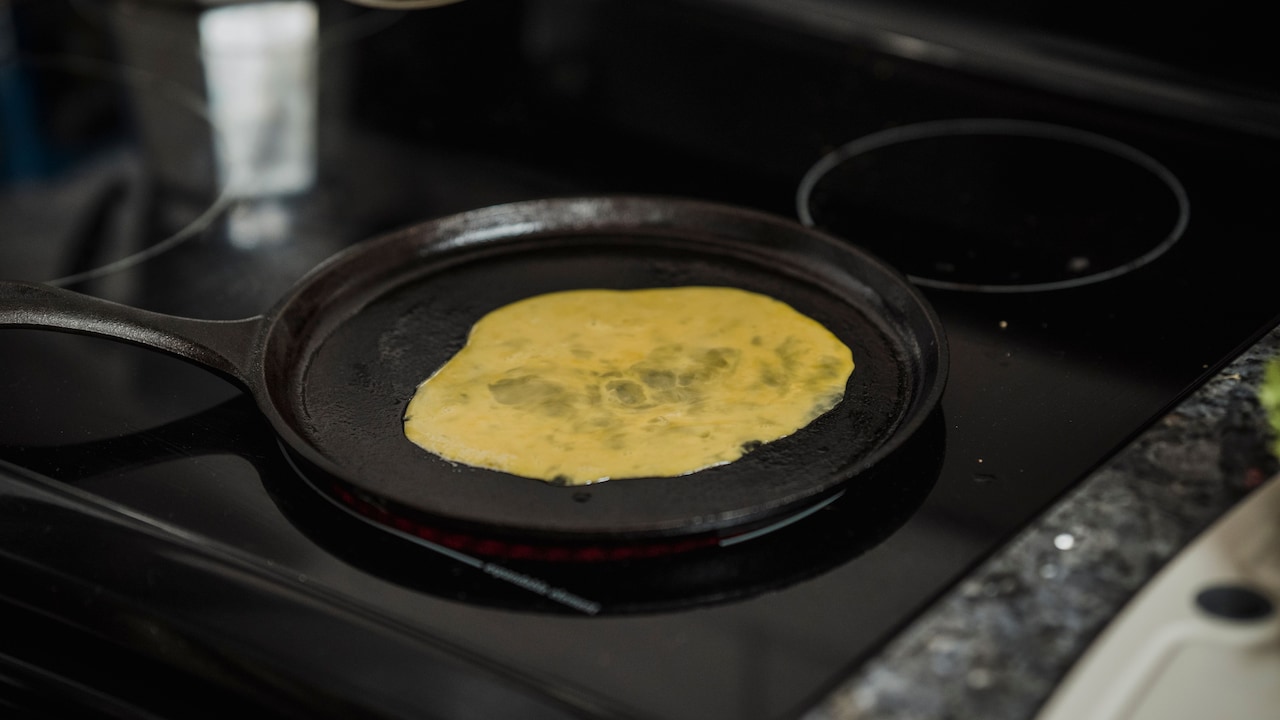
5. Adding Cold Water To A Hot Pan
Dinner is over, the sink is full, and the hot pan looks like the easiest item to tackle first. Running cold tap water over it may produce a satisfying hiss, but the sudden temperature change can cause thermal shock.
The metal base may expand and contract unevenly. This can warp the pan, weaken the coating and affect how it sits on the hob. A warped base may wobble, heat unevenly or leave one side of the food undercooked.
Let the pan cool naturally before washing it. It does not need to become completely cold, but it should no longer feel dangerously hot. If food has dried onto the surface, add warm water and a drop of washing-up liquid after cooling. Allow it to soak for a short while.
Patience helps here. Five or ten quiet minutes on the counter can prevent permanent damage.
The sizzling sound of cold water on hot cookware may feel dramatic, almost like a restaurant kitchen scene. Sadly, the pan does not enjoy the performance. Gentle cooling keeps its shape intact and its cooking surface dependable.
How To Make A Non-Stick Pan Last Longer: 10 Mistakes To Avoid
6. Scrubbing With Steel Wool Or Harsh Cleaners
When grease refuses to move, steel wool can look like the fastest solution. On a non-stick pan, it behaves more like a demolition tool.
Metal scrubbers, rough scouring pads and abrasive cleaning powders can scratch or dull the coating. Even if the surface still looks usable afterwards, microscopic damage may make food stick during future cooking. Strong oven cleaners and harsh chemicals can also affect the finish.
Wash the pan with warm water, mild washing-up liquid and a soft sponge. For stubborn residue, soak it rather than attacking it. A paste made with baking soda and water may help with light build-up, but rub it gently and rinse thoroughly. Always check the care instructions supplied with the pan.
Clean the exterior separately if it has burnt oil marks. The outside can usually handle slightly firmer scrubbing, but keep abrasive materials away from the coated cooking surface.
A non-stick pan should never need the kind of scrubbing reserved for a scorched pressure cooker. If cleaning starts to feel like an upper-body workout, soaking will usually achieve more with far less damage.
7. Putting The Pan In The Dishwasher
Some non-stick pans carry a dishwasher-safe label, but that does not always mean the dishwasher offers the best long-term care.
Dishwashing cycles use high temperatures, strong detergents and powerful water jets. Repeated exposure can dull the coating, fade the exterior and loosen handles over time. The pan may survive the machine, yet its useful life can still become shorter.
Hand-washing usually takes only a few minutes. Once the pan cools, wipe away loose crumbs or oil, then clean it with warm soapy water and a soft sponge. Dry it immediately with a soft cloth to prevent water spots and moisture around the handle fittings.
A dishwasher can remain helpful on exhausting days, especially when the manufacturer clearly approves machine cleaning. However, regular hand-washing gives the pan gentler treatment.
Think of “dishwasher-safe” as permission rather than a recommendation. A silk kurta may survive a rough wash cycle, but nobody chooses that method when they want it to look good for years. Cookware deserves a similar degree of practical affection.
Also Read: 5 Best Non-Stick Tawa, From Prestige To Hawkins, For Perfect Chapati | Get Soft, Puffy Rotis
8. Leaving Food In The Pan For Hours
A non-stick pan may look like a convenient storage container after cooking, particularly when only a small amount of sabzi or noodles remains. Keeping food in it for hours, however, can stain the surface and expose the coating to salt, spices, acids and moisture for too long.
Tomato-based gravies, tamarind sauces, vinegar-heavy dishes and salty foods can prove especially troublesome. They may leave odours or discolouration, particularly in an older pan with tiny scratches.
Transfer leftovers to a glass or food-safe container once the meal ends and the food has cooled sufficiently. This also frees the pan for proper washing and drying.
Avoid placing the entire pan in the refrigerator. Apart from taking up precious shelf space, it may collect condensation and encourage family members to scrape food out with metal spoons.
The pan's job ends when cooking finishes. It does not need a second shift as a storage box, serving bowl and midnight-snack container. Moving leftovers protects the coating and keeps the fridge far more organised.
9. Stacking Heavy Cookware Directly On Top
Kitchen cabinets often resemble a game of Tetris. Pans sit inside kadais, lids slide between plates, and one wrong movement can cause a metal orchestra. In that crowded arrangement, non-stick cookware frequently suffers scratches.
Placing stainless-steel pots, heavy tawas or rough-bottomed utensils directly inside a non-stick pan can damage its surface. Sliding the stack in and out makes the problem worse. Even a clean pan can collect marks from the base of another vessel.
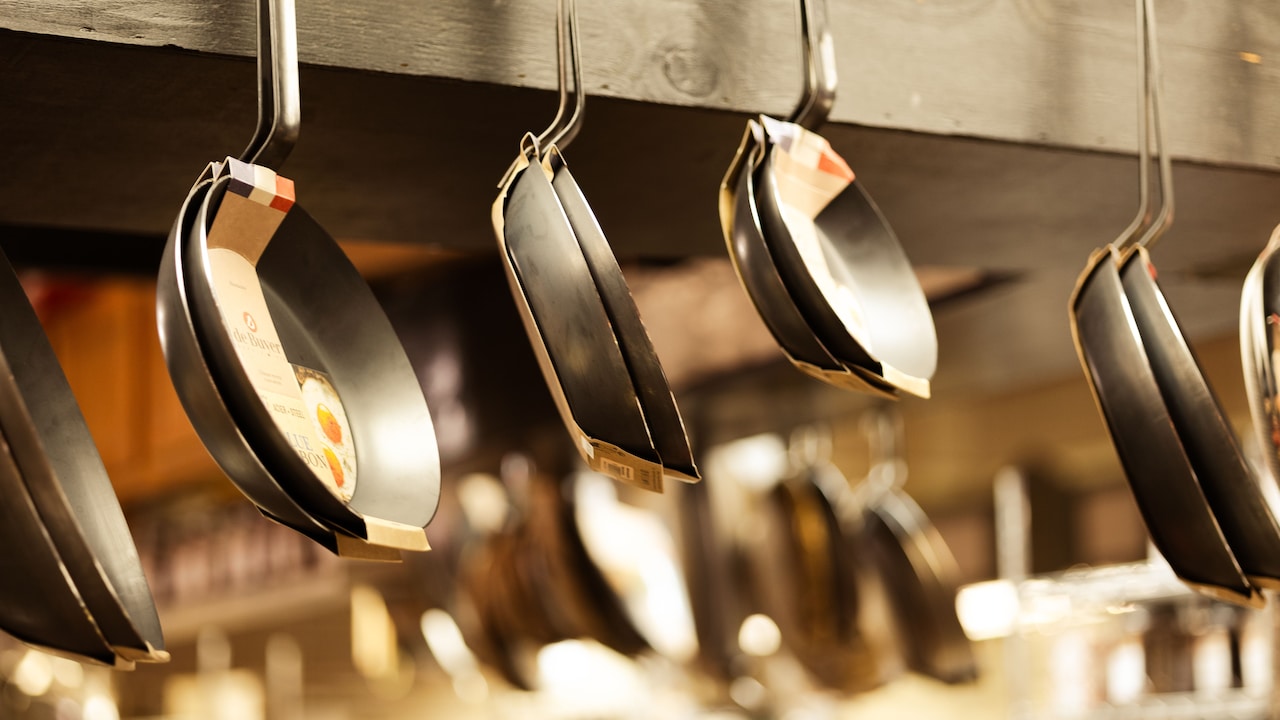
Place a pan protector, soft cloth, paper towel or clean kitchen napkin between stacked items. Felt protectors work well, but an old cotton cloth cut into circles also does the job at almost no cost. Hanging the pan provides another good option when wall or rail space allows it.
Make sure the cookware is fully dry before stacking. Trapped moisture can create unpleasant smells and marks.
A ₹20 cloth barrier may protect a pan worth ₹1,500 or more. Few kitchen investments deliver such sensible returns with so little effort.
10. Continuing To Use A Badly Damaged Pan
Sentiment can make people hold on to cookware for years. A pan may have prepared hundreds of omelettes, survived two house moves and earned a permanent place on the favourite burner. Yet every utensil eventually reaches retirement.
Deep scratches, peeling patches, severe warping and widespread loss of non-stick performance signal that the pan needs replacing. Continuing to cook in it creates frustration, uneven results and more difficult cleaning. Adding extra oil may temporarily reduce sticking, but it cannot repair a damaged coating.
Inspect the surface regularly under good light. Small cosmetic marks do not always require immediate replacement, so follow the manufacturer's guidance. However, visible flaking, bubbling or extensive deterioration deserves prompt attention.
Choose the next pan based on cooking habits rather than appearance alone. A thick, well-balanced base and a comfortable handle often matter more than a flashy colour. Check the care instructions before the first use.
Letting go may feel wasteful, but forcing a worn-out pan through another year rarely saves money. Sometimes the kindest kitchen decision is a dignified farewell.
How To Make A Non-Stick Pan Last Longer: 10 Mistakes To Avoid
Photo Credit: Pexels
Products Related To This Article
1. Tefal Cook & Savour Non-Stick Grill Pan/Thermo-Spot Technology
2. Stahl Artisan Hybrid 2 L, 24 cm Triply Frying Pan with Lid
3. Prestige Non-Stick Omega Deluxe Granite Fry Pan
4. Tefal Simply Chef 28 cm Fry Pan | Resist Plus Non-Stick Coating
5. HomeEssentials Maifan Stone Non-Stick Frying Pan with Lid 28CM
6. Asai Ceramic Pan for Cooking 24cm Swiss Non-Stick Frying Pan with Lid
7. Hawkins Futura 24 cm Frying Pan, Non Stick Fry Pan with Glass Lid
A non-stick pan lasts longer when treated as a precision tool rather than an indestructible slab of metal. Moderate heat, soft utensils, gentle cleaning and careful storage can preserve its smooth surface and reliable performance.
Most damaging habits happen during rushed moments. The flame goes too high while the phone rings. A steel spoon enters the pan because the silicone spatula has vanished. The hot pan meets cold water because the sink needs clearing. None of these actions seems serious on its own, but repetition gradually wears the coating down.
Small changes make a noticeable difference. Keep suitable utensils near the hob, allow the pan to cool, wash it by hand and place a soft layer between stacked cookware. Transfer leftovers and reserve high-heat cooking for stronger materials.
These habits protect more than a single pan. They reduce waste, improve everyday meals and help each purchase deliver better value. With a little care, the morning dosa should slide onto the plate smoothly instead of clinging to the surface like it has signed a permanent lease.
(Disclaimer: This article may include references to or features of products and services made available through affiliate marketing campaigns. NDTV Convergence Limited (“NDTV”) strives to maintain editorial independence while participating in such campaigns. NDTV does not assume responsibility for the performance or claims of any featured products or services.)