10 Reasons Black Mould Keeps Returning On Refrigerator Door Seals And How To Stop It
Black mould keeps returning to refrigerator door seals because moisture, food spills and damaged rubber create ideal conditions. Learn the ten common causes and simple ways to stop it for good.
10 Reasons Black Mould Keeps Returning on Refrigerator Door Seals
Opening the refrigerator for a chilled bottle of water should not feel like entering a biology laboratory. Yet many households discover dark spots hiding inside the folds of the rubber door seal. A hurried wipe removes the visible mess, but the black marks often return, sometimes before the next vegetable-shopping trip. The problem is not always poor cleaning. Refrigerator seals create the perfect hiding place for mould. Their narrow grooves collect condensation, crumbs, curry splashes and sticky drops from milk packets. The area also receives little light and limited airflow. Add warm, humid weather, and mould gets an ideal rent-free home.
10 Reasons Black Mould Keeps Returning on Refrigerator Door Seals; Photo Credit: Pexels
Ignoring it can lead to unpleasant smells, damaged seals and reduced cooling efficiency. A loose or dirty gasket allows cold air to escape, forcing the appliance to work harder. Fortunately, recurring mould usually has a clear cause. Once that cause gets fixed, the cleaning routine becomes far more effective.
Why Black Mould Keeps Coming Back And What You Can Do About It
1. Moisture Remains Trapped Inside The Seal Grooves
Refrigerator door seals contain folds and channels that help create an airtight closure. These grooves also trap tiny drops of water. Condensation forms whenever warm kitchen air enters the cold refrigerator, especially when the door stays open during meal preparation or late-night snacking.
A surface wipe may clean the outer edge while leaving dampness inside the folds. That hidden moisture gives mould enough support to return. The problem becomes worse during the monsoon, when the kitchen already carries extra humidity.
Clean the seal by gently pulling back each fold and wiping the entire channel. Use a soft cloth or an old toothbrush to reach narrow sections. After cleaning, dry every groove with a separate cloth. Do not shut the refrigerator door while the gasket remains wet.
A small amount of effort here makes a big difference. Mould loves damp corners, not dry ones. Treat the seal like a freshly washed steel dabba: clean it well, then dry it completely before closing it.
Also Read: The Ultimate Guide To Choosing The Right Refrigerator For Your Family
2. Food Spills Feed New Mould Growth
Mould needs more than moisture. It also needs something to eat, and refrigerator door seals often provide a surprisingly generous buffet. Drops of milk, fruit juice, gravy, chutney and melted ice cream can slide down the door and settle inside the rubber folds.
Even a thin, almost invisible layer of food residue may contain enough sugar or fat to support fresh growth. Wiping only the black spots removes the mould but leaves its food source untouched. Within a few days, the dark patches appear again.
Check the gasket after handling leaky packets, uncovered bowls or crowded door shelves. Clean spills as soon as they happen rather than waiting for the weekly kitchen clean-up. Warm water with a little washing-up liquid usually removes greasy residue. Follow with a clean damp cloth so no soap remains.
Pay special attention to the lower corners of the door. Gravity sends most spills there, turning them into mould's favourite dining table. Keeping bottles upright and storing messy containers on trays also reduces future leaks.
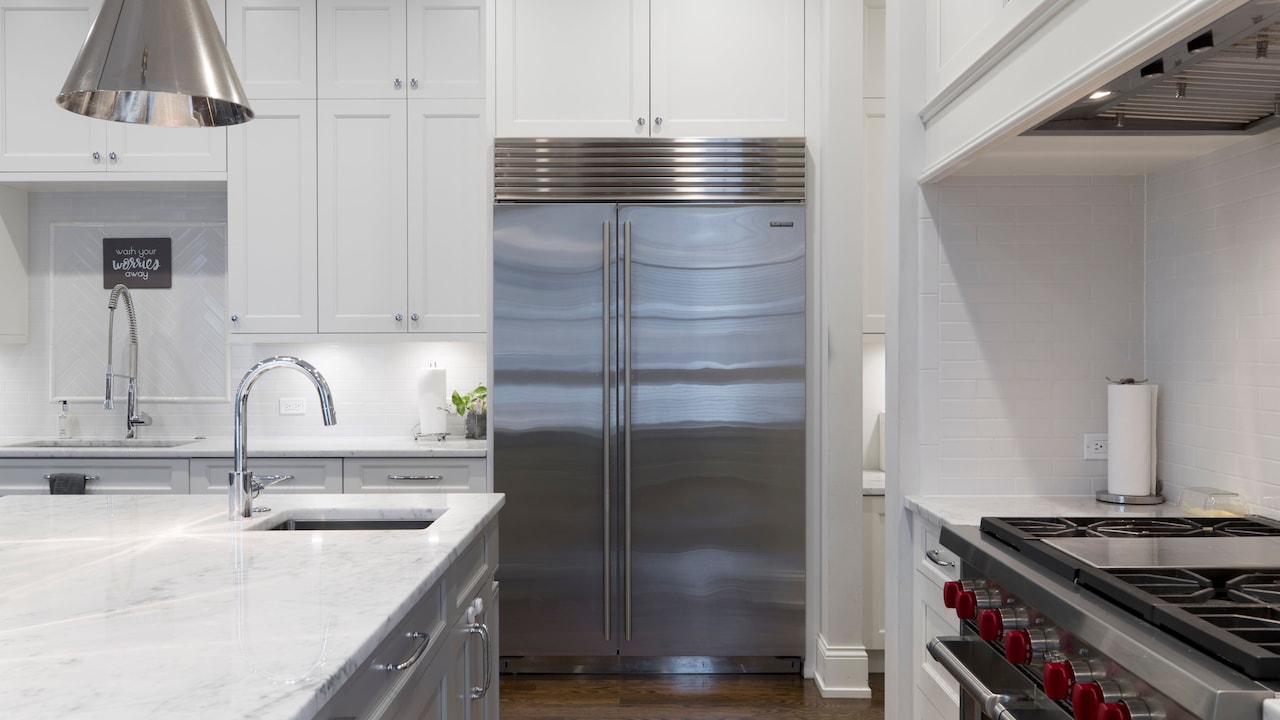
10 Reasons Black Mould Keeps Returning on Refrigerator Door Seals; Photo Credit: Pexels
3. The Seal Never Dries After Cleaning
Cleaning the gasket with plenty of water may feel thorough, but excess water can cause another round of mould. Thick rubber folds dry slowly, particularly when the refrigerator door closes immediately after cleaning.
Some people scrub the gasket, leave it glistening and move on to the next chore. The remaining moisture then sits in a cold, dark space for hours. The result resembles washing clothes and leaving them crumpled in a bucket. A musty smell soon follows.
Use a lightly damp cloth instead of soaking the seal. Once the dirt comes off, wipe the area with a dry cotton cloth or kitchen towel. Keep the door open for a few minutes while cleaning the shelves, but avoid leaving it open for too long because warm air creates more condensation.
A fan in the kitchen can help during humid weather. Direct airflow towards the open refrigerator for a brief period. The aim is simple: finish the job with a seal that feels dry to the touch, including the hidden inner folds.
4. The Refrigerator Door Does Not Close Properly
A door that fails to close tightly allows warm air to enter throughout the day. The warm air meets cold surfaces and produces condensation, giving mould a constant water supply. The refrigerator may also run longer, increase electricity use and struggle to maintain a steady temperature.
Several everyday habits can prevent a proper seal. A large vessel may press against the door. Heavy bottles can pull the door slightly out of alignment. Sometimes a vegetable bag or loose packet gets trapped near the edge. The door may look closed while a small gap remains.
Try the paper test. Place a sheet of paper between the door and the refrigerator frame, then close the door. Pull the paper gently. Strong resistance suggests a good seal. If it slides out easily, the gasket may have weakened or the door may need adjustment.
Rearrange crowded shelves and remove anything blocking the door. Check the hinges for looseness. When the gasket no longer grips the frame, replacement may cost money, but it can prevent repeated cleaning and higher power bills.
5. The Gasket Has Cracks Or Permanent Damage
Rubber door seals do not last forever. Heat, age, harsh cleaners and regular pulling can make them brittle. Small cracks may form along the folds, creating tiny spaces where dirt, moisture and mould settle. Once mould reaches these damaged areas, ordinary wiping cannot remove every trace.
Look closely at the gasket under bright light. Bend the rubber gently and check for splits, peeling sections, hardened patches or areas that no longer spring back. Black marks that remain after careful cleaning may sit inside the material rather than on its surface.
Avoid aggressive scrubbing with metal brushes or rough scouring pads. These tools can create more scratches and make the problem worse. Strong bleach solutions may also weaken some types of rubber if used repeatedly.
A badly damaged gasket usually needs replacement. Contact the refrigerator brand's service centre or a trusted appliance technician. The price depends on the model, but a replacement often proves cheaper than years of cooling loss. Once fitted, clean the new gasket regularly and handle it gently.
6. Harsh Chemicals Damage The Rubber Surface
When black mould appears, reaching for the strongest cleaner in the cupboard feels tempting. However, concentrated bleach, toilet cleaner, floor disinfectant or abrasive powder can damage refrigerator seals. These products may dry the rubber, fade it or leave microscopic cracks.
A roughened surface traps more moisture and food residue than a smooth one. That means an aggressive cleaner can remove today's mould while creating better conditions for tomorrow's mould. The sharp chemical smell may also linger near stored food.
Start with mild washing-up liquid and warm water. For stubborn marks, use a paste made from bicarbonate of soda and water. Apply it gently, leave it for a few minutes and scrub with a soft toothbrush. Wipe the area thoroughly and dry it.
A diluted white vinegar solution can help with surface mould, but avoid mixing vinegar with bleach or other cleaners. Such combinations can release dangerous fumes. More chemical power does not always mean better cleaning. Refrigerator seals respond best to patience, gentle scrubbing and complete drying.
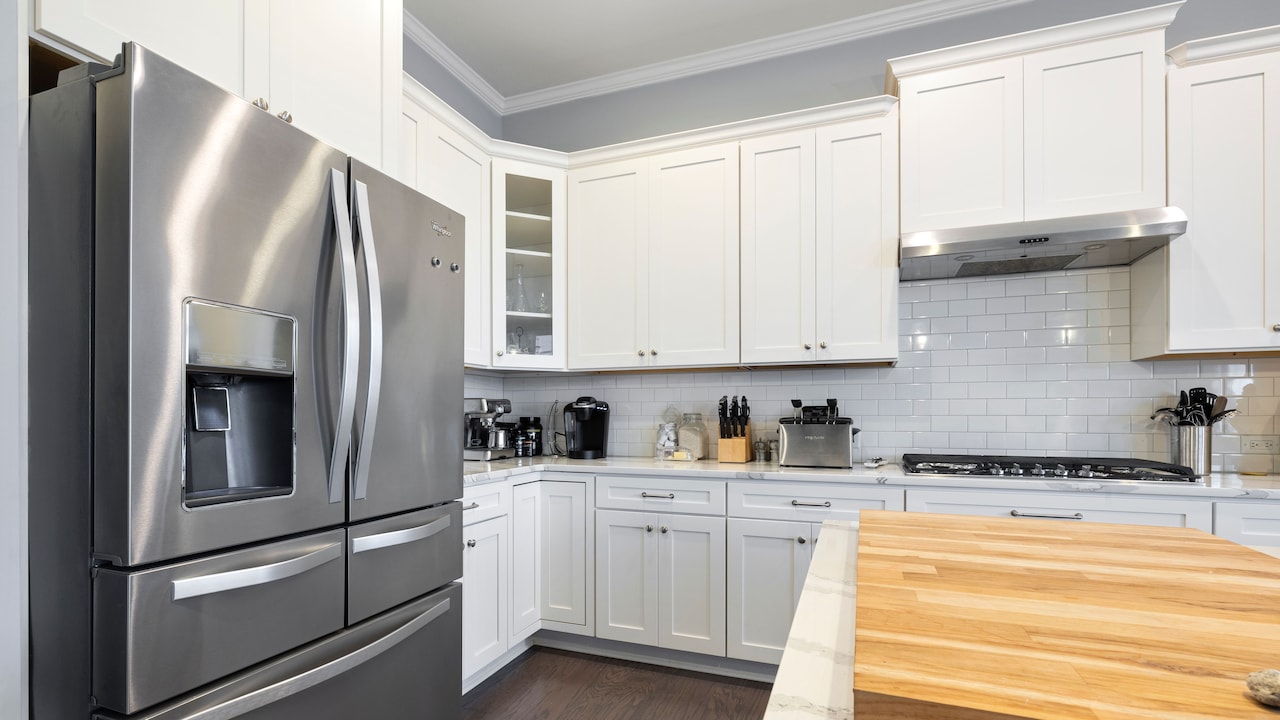
10 Reasons Black Mould Keeps Returning on Refrigerator Door Seals; Photo Credit: Pexels
7. The Kitchen Has High Humidity And Poor Ventilation
A refrigerator placed in a hot, steamy kitchen faces a tougher battle against mould. Boiling dal, pressure-cooker steam, wet utensils and drying clothes can raise indoor humidity. When that damp air enters the appliance, condensation collects around the door seal.
Poor ventilation keeps the moisture trapped. Kitchens without an exhaust fan or open window may remain humid long after cooking ends. During rainy months, even well-kept homes can feel damp enough to make every surface slightly sticky.
Improve airflow whenever possible. Use the chimney or exhaust fan while cooking and for a short period afterwards. Open a window when outdoor conditions allow. Avoid placing the refrigerator directly beside the hob, oven or a patch of wall that stays damp.
Leave a reasonable gap around the appliance so heat can escape from the back and sides. Check the manufacturer's guidance for clearance. A cooler, better-ventilated kitchen reduces condensation and helps the refrigerator operate efficiently. The fridge cannot control the weather, but better airflow stops the kitchen from turning into a steam room.
8. The Door Opens Too Often Or Stays Open Too Long
Every time the refrigerator door opens, warm air rushes inside. Frequent opening creates repeated cycles of condensation around the gasket. A long search for the coriander box or yesterday's dessert gives that warm air even more time to enter.
Busy households often open the fridge without deciding what they need. Children may stand with the door open while choosing a drink. During cooking, ingredients sometimes come out one at a time. These small habits add up.
Organise shelves so commonly used items remain easy to find. Keep milk, water and frequently used sauces in fixed places. Before opening the door, decide what needs to come out. During meal preparation, remove several ingredients in one go rather than opening the refrigerator every two minutes.
Check that the interior light switches off when the door closes, as a faulty switch can add unnecessary warmth. Reducing door-opening time will not eliminate all condensation, but it removes one of mould's main advantages. It may also help lower electricity consumption.
9. The Drainage System Is Blocked
Many refrigerators contain a drainage hole that carries condensation away from the cooling compartment. Food particles, dust or ice can block this opening. Water then collects inside the appliance and may travel towards the door seal.
A blocked drain often causes puddles beneath vegetable drawers, water droplets on shelves or a stale smell. Cleaning the gasket alone will not solve the issue because moisture keeps returning from inside.
Locate the drain according to the appliance manual. It often sits near the back of the refrigerator compartment, though designs vary. Switch off the appliance before cleaning. Remove visible debris with a soft tool recommended by the manufacturer. A small amount of warm water may help clear light blockages, but avoid sharp wires that could puncture internal parts.
Persistent pooling may indicate a deeper drainage or defrost problem. In that case, call a qualified technician. Regularly checking the drain prevents water from wandering through the fridge like an uninvited guest looking for the most inconvenient corner.
10. Mould Spores Remain In Nearby Areas
The visible gasket may not be the only affected surface. Mould spores can remain on refrigerator shelves, door edges, handles, drip trays and the surrounding wall. Cleaning only the black patch allows nearby spores to settle back onto the damp seal.
Start with a wider inspection. Remove detachable shelves and drawers, then wash them with mild soapy water. Clean the refrigerator frame where the gasket makes contact. Wipe the handle, hinges and lower door corners. Check the drip tray at the back or underneath the appliance, as stagnant water there can create odours and fungal growth.
Dry every part before reassembling the refrigerator. Discard mouldy food, leaking packets and old leftovers. Keep cooked food covered and label containers with dates to prevent forgotten dishes from becoming science projects.
Repeat a quick gasket check once a week. This does not require a grand Sunday cleaning ceremony. A two-minute wipe can catch moisture and crumbs before mould develops. Consistency works better than occasional heroic scrubbing.
Products Related To This Article
1. Samsung 256 L, 3 Star, Convertible, Digital Inverter Frost Free Double Door Refrigerator
2. Haier 165 L 1 Star Direct Cool Single Door Refrigerator with Diamond Edge Freezing Technology
3. IFB 197L 5 Star Advanced Inverter Direct-Cool Single Door Refrigerator
4. Whirlpool 192 L 4 Star Vitamagic PRO Frost Free Direct-Cool Single Door Refrigerator
5. Godrej 180L 1Star 5 Years Comprehensive Warranty
6. Samsung 189 L, 5 Star, Digital Inverter, Direct-Cool Single Door Refrigerator
7. LG 185 L, 4 Star, Smart Inverter, Direct Cool Single Door Refrigerator
Black mould keeps returning to refrigerator door seals when the conditions behind it remain unchanged. Moisture, spills, damaged rubber, blocked drainage and humid air can quickly undo even the most enthusiastic cleaning session.
The best solution combines gentle cleaning with prevention. Remove food residue, reach inside every fold, dry the gasket fully and check that the door closes tightly. Keep the kitchen ventilated, organise the refrigerator and inspect nearby surfaces for hidden mould.
A small weekly check can save the seal, reduce unpleasant smells and help the appliance cool efficiently. The goal is not to scrub harder every time black spots appear. The goal is to make the refrigerator door seal such an uncomfortable place for mould that it finally packs its bags and leaves.
(Disclaimer: This article may include references to or features of products and services made available through affiliate marketing campaigns. NDTV Convergence Limited (“NDTV”) strives to maintain editorial independence while participating in such campaigns. NDTV does not assume responsibility for the performance or claims of any featured products or services.)