How To Position A Mirror Without Reflecting Clutter Around The Room
Position mirrors to reflect light, greenery and calm, not clutter. Smart angles, the right height and thoughtful placement can make any room feel brighter, larger and beautifully organised without demanding picture-perfect tidiness every day at home.
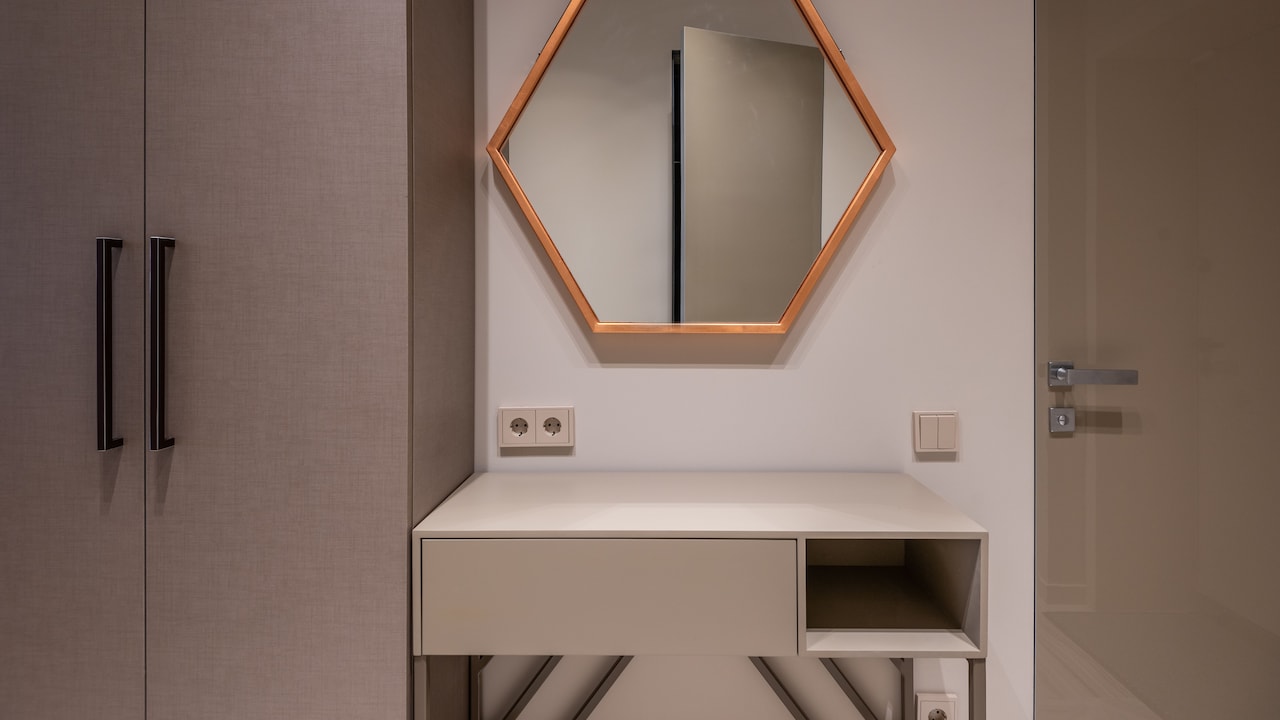
Thoughtful mirror placement tips that keep the clutter hidden
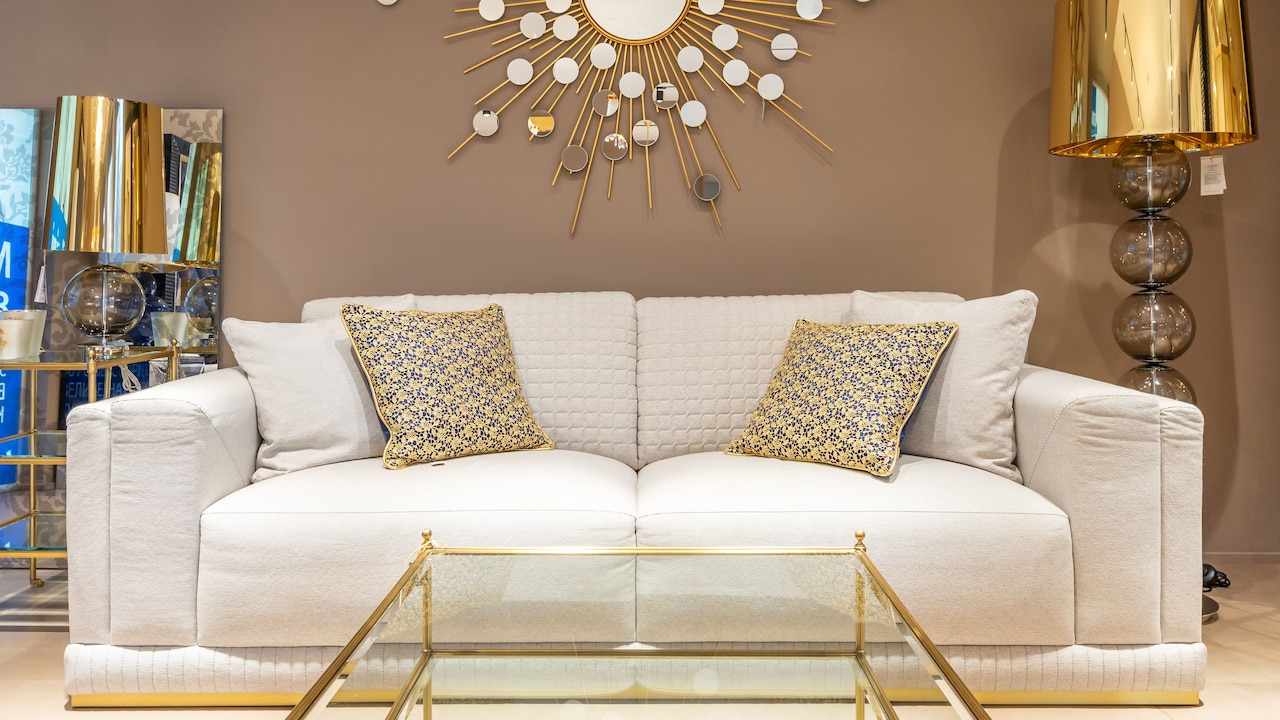
Mirrors are clever decorators. They make narrow rooms feel wider, dark corners feel livelier and plain walls look more polished. Unfortunately, they are also brutally honest. Place one opposite an untidy desk, a crowded kitchen counter or a mountain of clothes waiting to be folded, and the room suddenly appears twice as messy. This does not mean a home must look like a showroom before a mirror goes up. Real homes contain school bags, remote controls, delivery boxes and the occasional chair that quietly becomes a wardrobe. The aim is not perfection. The aim is control.
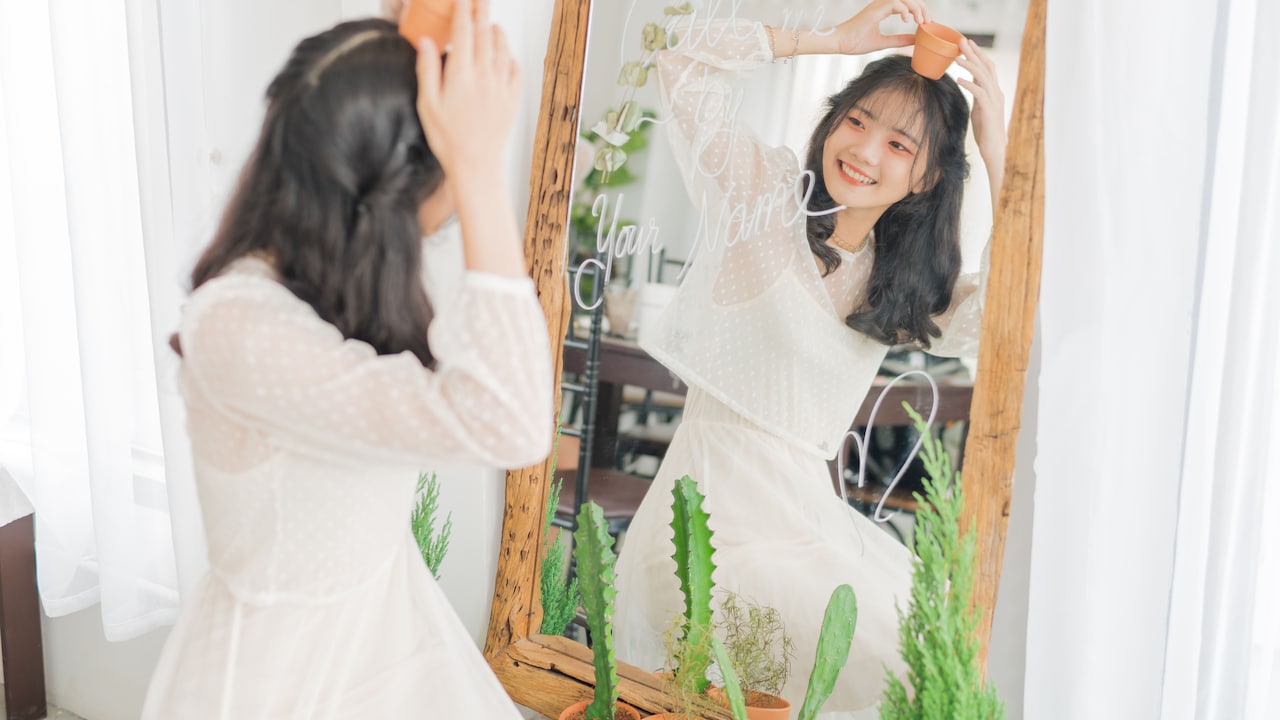
Mirror placement tips to hide the clutter easily
Photo Credit: Pexels
Good mirror placement is about directing attention. A mirror should reflect something worth noticing, such as a window, a lamp, a painting or a well-arranged corner. Its height, angle, frame and surroundings all play a role. Before reaching for nails and a hammer, study the room from different viewpoints. A few minutes of planning can prevent years of looking at the back of a cupboard or an unruly stack of newspapers. Here are ten practical ways to position a mirror without giving clutter a starring role.
Also Read: Top 5 Mirrors Under ₹1100 In India For Small Spaces
Smart Mirror Placement Tips For A Clutter-Free Reflection
Choose The Reflection Before Choosing The Wall
Most people begin by looking for an empty wall. A better approach is to first decide what the mirror should reflect. Stand where the mirror may be placed and look directly across the room. Is there a pleasant window, a leafy balcony, a framed artwork or a neat seating area in view? These are strong candidates.
Avoid positioning the mirror where it faces open shelving, a busy study table or a doorway that reveals another untidy space. Even a beautiful mirror cannot rescue an unfortunate reflection. It may only frame the problem more elegantly.
A simple trick is to hold a small hand mirror against the proposed spot. Move it slightly up, down and sideways. This gives a quick preview without drilling holes or calling the carpenter twice. A phone camera in selfie mode can also help test the view.
Think of the mirror as a photographer. It needs a subject. A vase of fresh mogra, a calm reading chair or sunlight filtering through curtains will always look better than a jumble of courier packets and tangled extension boards.
Position The Mirror Near A Window, Not Always Opposite It
Placing a mirror opposite a window is popular because it reflects natural light. However, it may also capture everything sitting below that window, including drying clothes, storage boxes or a crowded sill. A slight shift can solve the problem.
Try placing the mirror on the wall beside the window instead. This allows light to bounce across the room without producing a full reflection of the opposite side. The effect feels softer and often more natural. It also reduces glare during bright afternoons, especially in rooms that receive strong western sunlight.
The angle matters as much as the location. A mirror turned slightly towards the window can catch daylight while avoiding the messier parts of the room. This works particularly well with standing mirrors or adjustable wall mirrors.
Sheer curtains can improve the reflection too. They diffuse harsh sunlight and create a calm, almost hotel-like glow. Even an ordinary bedroom can feel more spacious when the mirror catches a gentle curtain movement rather than a direct view of a crowded dressing table.
Light should be invited in, but clutter does not need the same welcome.
Hang The Mirror At The Right Height
A mirror hung too low may reflect floors, footwear and storage baskets. One hung too high may show ceiling fans, tube lights and the top of cupboards where forgotten bags tend to gather. The right height helps control the visual story.
For a decorative wall mirror, place the centre roughly at eye level. In many homes, this falls around 145 to 155 centimetres from the floor, though the furniture below it should guide the final position. Above a console or sideboard, leave enough breathing room between the furniture and the frame. A gap of around 15 to 20 centimetres usually feels balanced.
Before fixing the mirror, ask the tallest and shortest adults in the household to check the reflection. The goal is not necessarily to create a full dressing mirror. It is to capture the most attractive part of the room.
In a dining area, a slightly higher position can reflect pendant lighting or artwork while keeping the table surface out of view. This is useful when the table often hosts lunch boxes, keys and unopened post. Height is not merely a measurement. It is a useful editing tool.
Use Angles To Crop Out Messy Areas
A mirror does not always need to sit completely flat against the wall. A small change in angle can remove clutter from the reflection and replace it with something more appealing. This technique is especially helpful in compact flats where every wall faces a busy zone.
A standing mirror can be tilted gently backwards to reflect more of the upper room and less of the floor. This keeps shoe racks, toy baskets and stray slippers outside the frame. Wall-mounted mirrors can also be adjusted with suitable brackets or spacers, although safety must remain the priority.
Sideways angles work well too. Turning the mirror by a few degrees may shift the reflection from an open kitchen shelf to a plant, curtain or artwork. The change can be surprisingly dramatic.
Test several angles during daylight and after sunset. A reflection that looks calm in the morning may reveal a cluttered corner once the lights come on. Use removable tape to mark the most flattering position before installation.
Think of the mirror as a camera lens. Cropping is allowed. The room remains real, but the mirror can choose its better side.
Place Mirrors Above Low And Tidy Furniture
A mirror often looks best above furniture, but the surface below it becomes part of the composition. A console piled with wallets, receipts, helmets and charging cables will appear even busier when reflected. Choose a low, simple piece of furniture and keep its styling restrained.
A narrow console near the entrance can hold a tray for keys, a small lamp and one decorative object. That is usually enough. The mirror above it will then reflect a controlled area rather than a daily dumping ground. Closed drawers are useful because they hide practical items without making the space feel sterile.
In the bedroom, placing a mirror above a clean chest of drawers works better than facing an open wardrobe. In the dining room, a mirror above a sideboard can reflect lighting or wall art, provided the top does not become permanent storage for grocery bags.
The furniture should anchor the mirror, not compete with it. Avoid crowding the surface with many small objects. Three well-chosen pieces often create more impact than fifteen souvenirs.
A calm base encourages a calm reflection. It also makes tidying easier when guests announce that they are “just five minutes away”.
Avoid Facing Open Storage And Busy Doorways
Open shelves may look charming in photographs, but daily life can quickly turn them into a collection of books, cables, containers and objects without a proper home. A mirror placed opposite such storage doubles every visual detail.
The same problem occurs with busy doorways. A mirror facing the kitchen may reflect utensils, appliances and food preparation. One facing a bedroom door may reveal an unmade bed. A mirror near the entrance may capture shoes, delivery parcels or a neighbour passing by at exactly the wrong moment.
Study what appears in the mirror when doors are open, not just when they are closed. Household doors rarely remain perfectly positioned throughout the day. If the view changes constantly, angle the mirror towards a more stable feature such as a wall painting or window.
Where avoiding open storage is impossible, use baskets, boxes or fabric panels to simplify the background. Matching containers create visual order even when they hide a lively collection of objects.
Mirrors increase whatever they face. When they reflect calm surfaces, the room feels composed. When they face household traffic, the entire space can feel restless.
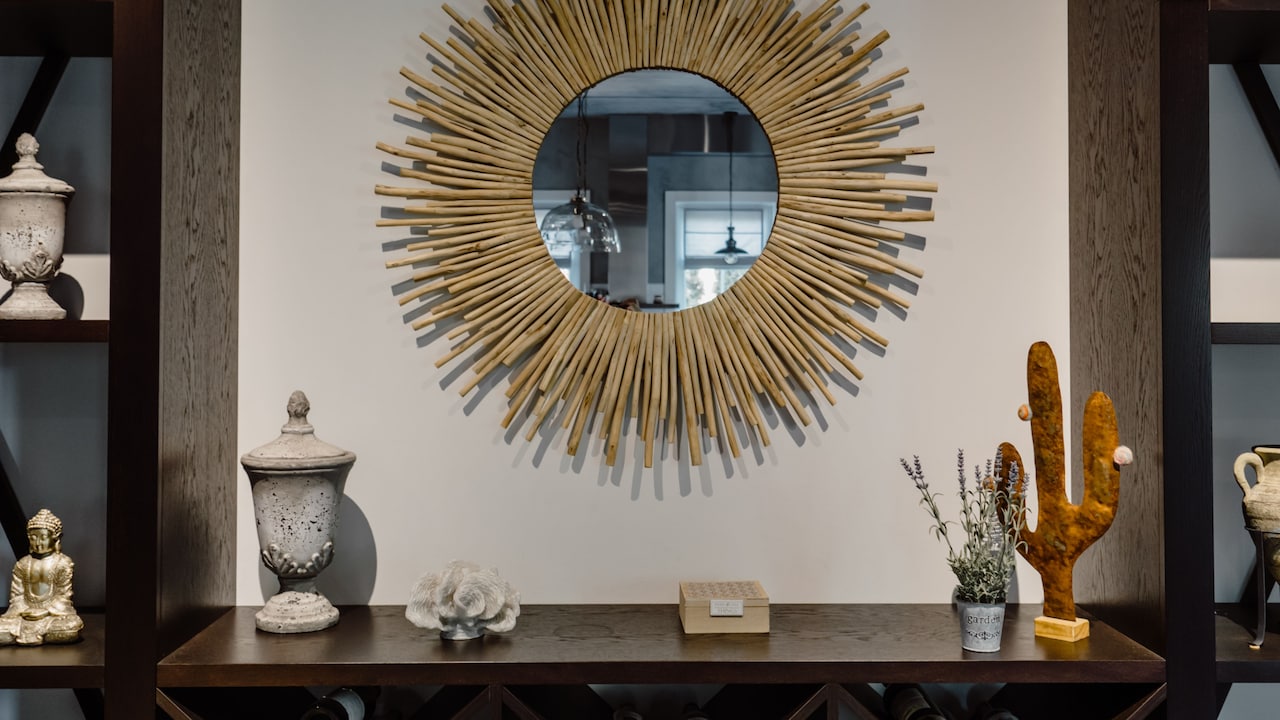
Do not place mirrors facing open storage or busy doorways
Photo Credit: Pexels
Create A Dedicated Reflection Zone
Sometimes the easiest way to avoid clutter is to design one attractive corner specifically for the mirror to reflect. This does not require expensive furniture or a dramatic makeover. A healthy plant, a floor lamp and a small artwork can create a polished scene.
Choose an area that is easy to maintain. A corner beside the sofa or near the balcony often works well. Avoid placing too many decorative pieces there. The aim is not to create another surface that needs constant dusting and rearranging.
A tall areca palm, a cane chair with one cushion or a compact bookshelf with neatly arranged covers can become the visual focus. In the evening, warm lighting adds depth and makes the reflection feel inviting. A simple lamp costing ₹1,500 may transform the atmosphere more effectively than a heavily ornamented mirror.
This approach works particularly well in rental homes. Nothing permanent needs to change. The reflection zone can move whenever the furniture layout changes.
By giving the mirror one intentional scene, the rest of the room does not need to be flawless. The eye naturally settles on what has been framed, while ordinary household clutter quietly fades into the background.
Use Smaller Mirrors In High-Clutter Rooms
Large mirrors create drama, but they also capture more of the room. In spaces where clutter is difficult to avoid, such as kitchens, children's rooms or compact home offices, a smaller mirror may be the smarter choice.
A round mirror above a washbasin can reflect light without showing the entire counter. A narrow vertical mirror near a wardrobe can provide a useful outfit check while avoiding the bed or study desk. Several small mirrors arranged carefully may brighten a wall without producing one broad and unforgiving reflection.
Shape also influences what appears. Tall mirrors emphasise height and usually show less horizontal clutter. Round mirrors soften sharp furniture lines and limit the field of view. Wide rectangular mirrors, by contrast, reveal more of the surrounding room and require a tidier background.
Choose proportion according to the space, not merely according to current trends. An oversized mirror may look impressive online but feel overwhelming in a room where every square metre works hard.
Smaller mirrors offer more control. They direct attention precisely and add sparkle without behaving like surveillance equipment for the laundry basket.
Keep Lighting Fixtures In The Reflection
Lighting can become a beautiful focal point when reflected well. A pendant lamp, decorative wall light or warm table lamp gives the mirror something attractive to capture, especially after sunset. It also draws attention away from less organised areas.
Position the mirror so the light appears slightly off-centre rather than directly in the middle. This creates a more natural composition and reduces uncomfortable glare. Avoid reflecting exposed tube lights or extremely bright bulbs, as they can make the room feel harsh.
Warm white lighting usually works well in living rooms and bedrooms. It softens edges and gives the space a welcoming glow. In a dining area, reflecting a pendant above the table can create depth without showing every item on the tabletop, provided the mirror sits at the correct height.
Check the reflection while seated as well as standing. A light that looks elegant from the doorway may shine directly into someone's eyes from the sofa.
The best lighting reflections feel effortless. They add warmth, movement and a little evening magic. More importantly, they give the mirror an attractive purpose beyond simply showing what happens to be nearby.
Declutter Only What The Mirror Can See
A spotless room is not necessary. Only the visible reflection needs attention. This idea saves time and makes mirror styling realistic for busy households.
Stand in front of the mirror and identify the exact area inside its frame. Remove or rearrange distracting objects within that zone. A stack of papers may move into a drawer. Bright plastic containers can shift to a closed cupboard. Cables can be tied together or tucked behind furniture.
Objects outside the reflection matter far less. There is no need to reorganise the entire room before guests arrive or before taking a photograph. Focus on the mirror's line of sight.
This selective approach works particularly well in bedrooms. The bed may remain slightly untidy, but if the mirror reflects the curtain, bedside lamp and one clean wall, the room can still appear calm. In the living room, a toy basket placed below the mirror's sightline may stay exactly where it is.
The method is practical rather than deceptive. Every room has active zones and quiet zones. A well-positioned mirror simply highlights the quiet one. That small act of visual editing can make daily life feel much more manageable.
Products Related To This Article
1. Art Street Copper Wall Mount Decorative Mirror With Frame
2. Urban Hamlet Golden Bloom Metal Wire Wall Mirror
3. Hind Decor Round Metal Wall Mirror
4. MARKET99 Gold Toned 3 Pieces Square Textured Decor Wall Mirrors
5. VAH Kya Bat Hai !! Brown & Black Rectangular Nordic Boho Raffia Wall Mirror
6. Art Street 2 Pieces White Round Framed Decorative Wall Mirrors
7. Art Street 3-Pcs Triangular Shape Acrylic Basin Mirror With Hook
8. HOSLEY Set of 3 Black Square Decorative Wall Mirrors
A mirror does more than reflect a room. It decides which parts of the room receive extra attention. When placed carelessly, it can multiply clutter, glare and visual noise. When positioned thoughtfully, it can brighten corners, frame favourite objects and make even a modest space feel more open.
The strongest results begin with observation. Check what the mirror will face, test the height and study the view at different times of day. Use angles to crop unwanted areas. Place the mirror near natural light, above tidy furniture or opposite a deliberately styled corner. In busy rooms, choose a smaller shape that offers greater control.
Most importantly, work with real life rather than against it. Homes contain useful objects, unfinished tasks and signs of people living in them. A mirror does not need to hide every trace of that. It only needs a better subject.
Give it a window, a plant, a warm lamp or a peaceful wall to admire. Once the reflection feels intentional, the whole room begins to look calmer, brighter and far more put together.
(Disclaimer: This article may include references to or features of products and services made available through affiliate marketing campaigns. NDTV Convergence Limited (“NDTV”) strives to maintain editorial independence while participating in such campaigns. NDTV does not assume responsibility for the performance or claims of any featured products or services.)