How To Choose Kids’ Sports Shoes Without Leaving Too Much Growing Room
Learn how to choose well-fitting sports shoes for growing feet without buying them too large. Check toe room, heel grip, width and comfort to keep children steady, supported and ready to play.
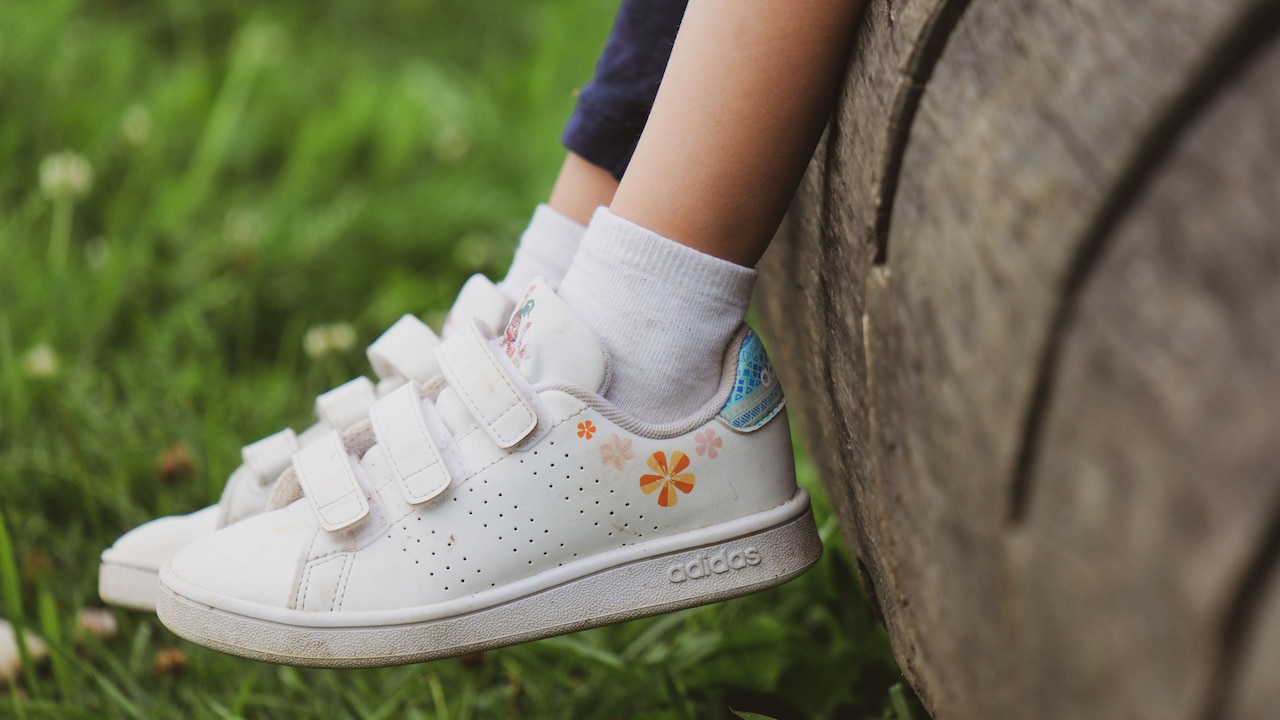
How To Buy Kids' Sports Shoes Without Choosing A Size Too Big
Buying sports shoes for children often feels like solving a puzzle while the puzzle itself keeps growing. A pair that fits perfectly in June may feel tight by September. Naturally, many parents choose a larger size and hope it lasts through the school term, cricket coaching and the occasional family wedding where sports shoes somehow become “good enough”.
That approach sounds practical, especially when quality footwear can cost ₹1,500, ₹3,000 or more. Yet too much growing room creates its own problems. The foot slides forward, the heel lifts, and the toes grip the inside of the shoe for stability. A child may not explain any of this clearly. Instead, they may run awkwardly, avoid practice or complain that the shoes “feel funny”.
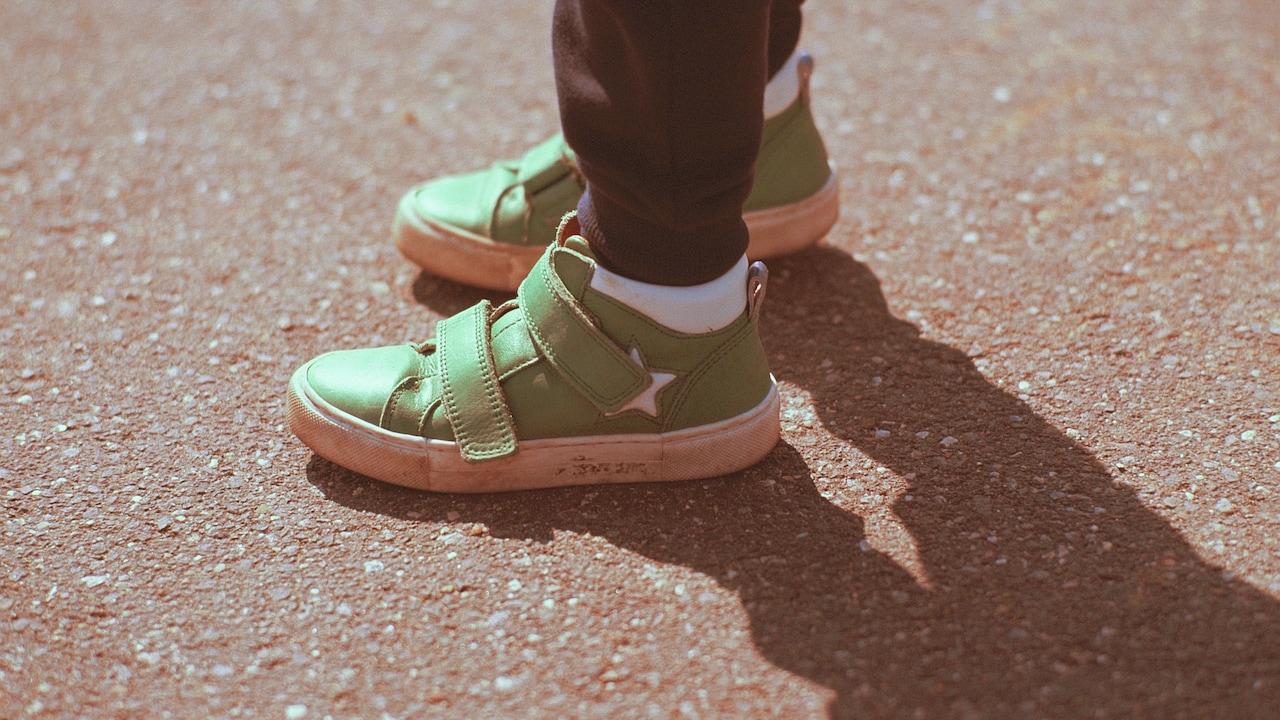
How To Buy Kids' Sports Shoes Without Choosing A Size Too Big; Photo Credit: Pexels
The aim is not to buy shoes that fit like a glove. Feet need space to move and grow. However, extra room should remain controlled. A well-fitted sports shoe supports quick turns, sudden stops and enthusiastic sprints without making the child feel as though they have borrowed an older cousin's footwear.
Finding The Right Fit For Growing Feet
Measure Both Feet Before Shopping
Children's feet rarely grow at exactly the same pace. One foot may measure slightly longer or wider than the other, which makes guesswork risky. Measure both feet and choose the shoe size according to the larger one. This small step prevents cramped toes on one side and unnecessary discomfort during play.
Measure feet while the child stands, not while sitting. Body weight spreads the foot naturally and gives a more accurate reading. Keep the heel against a wall, place the foot on paper and mark the longest toe. Then measure the distance with a ruler. Repeat the process for the other foot.
Afternoon or evening shopping usually works better because feet can swell slightly after school, walking or outdoor activity. A pair that feels comfortable then will probably feel comfortable during sport.
Never rely only on the size printed inside an old pair. Children may continue wearing tight shoes without noticing the gradual squeeze. Brands also follow different sizing patterns. A size that fits in one shop may feel completely different in another, much like school uniforms from two local tailors.
Also Read: Top 5 School Shoes For Kids Offering Comfort, Durability And A Neat Look
Leave A Thumb's Width, Not A Thumb's Length
The phrase “leave some growing room” often confuses. Some parents interpret it as a full extra size, while others press the shoe's toe box and hope for the best. A useful guide is to leave roughly 8 to 12 millimetres between the longest toe and the front of the shoe. That usually equals the width of an adult thumb, not its full length.
Ask the child to stand naturally inside the shoes. Press gently at the front to locate the longest toe. Remember that the big toe is not always the longest. For some children, the second toe reaches further.
Too little space can cause nail pain, rubbing and cramped movement. Too much space allows the foot to slide, especially during running or badminton. That sliding increases friction and may lead to blisters.
Parents sometimes choose extra-long shoes because they want them to last an entire year. Unfortunately, feet do not grow according to household budgets. A sensible amount of space protects both comfort and value. The goal is a little room for tomorrow, not enough room to pack snacks.
Check The Heel For Slipping
A secure heel matters just as much as toe space. When a child walks or runs, the heel should stay comfortably inside the shoe. A tiny amount of movement may occur, especially in a new pair, but obvious lifting signals a poor fit.
Ask the child to walk quickly, jog and change direction. Watch the back of the shoe. If the heel repeatedly rises, the shoe may feel too long, too wide or too loosely fastened. Children often compensate by curling their toes or tightening their stride, which can make natural movement harder.
Do not assume tighter laces will solve every problem. Over-tightening can create pressure across the top of the foot while the heel still slips. The shoe's shape must match the foot.
A firm heel counter can help during active sport. This is the structured section around the back of the shoe. It should support the heel without digging into the skin. Run a finger around the collar and check for stiff edges or rough stitching. A shoe should hold the heel gently, not behave like an overenthusiastic security guard.
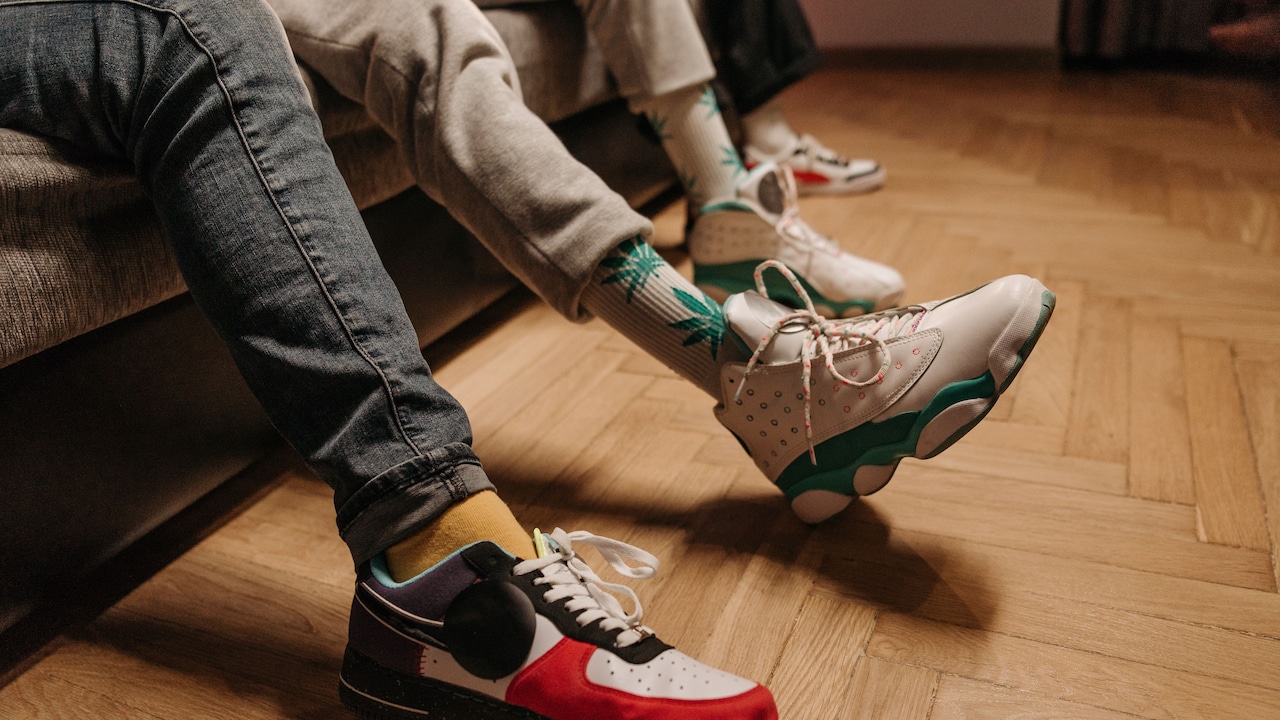
How To Buy Kids' Sports Shoes Without Choosing A Size Too Big; Photo Credit: Pexels
Match The Shoe Width To The Foot
Length receives most of the attention, but width often decides whether a shoe feels truly comfortable. Some children have broad forefeet, narrow heels or high arches. A longer shoe does not solve a width problem. It simply adds empty space at the front.
Look at the child's toes while they stand in the shoes. The toes should lie naturally rather than overlap or press against one another. The widest part of the foot should align with the widest part of the shoe. Bulging fabric, stretched seams or pressure marks suggest the shoe feels too narrow.
A shoe that feels too wide can also cause trouble. The foot may shift sideways during football, basketball or running. That movement reduces control and creates rubbing.
Remove the insole when possible, and ask the child to stand on it. The foot should sit within the outline without spilling over the edges. This simple check reveals width issues quickly.
Many parents move up a size when a shoe feels tight. Try another model or brand first. Shoe shapes vary widely, and the right width often removes the need for extra growing room.
Bring The Right Sports Socks
Trying sports shoes with thin school socks and later wearing them with thick athletic socks can change the fit completely. The child should try footwear with the same type of socks they will use during training or matches.
Cricket socks, football socks and cushioned running socks take up more room than ordinary cotton pairs. They may also affect heel grip. Bring them to the shop rather than relying on memory or optimistic imagination.
Check the socks themselves as well. Tight elastic can leave marks, while loose fabric may bunch under the toes. Both can make a good shoe feel uncomfortable. Breathable socks help manage sweat during warm afternoons and energetic coaching sessions.
Avoid asking a child to try sports shoes barefoot unless the footwear will genuinely be worn that way. Bare feet give a misleading sense of space and may encourage parents to choose a smaller size.
Once the correct socks are on, fasten the shoes properly and let the child move around. Do not judge the fit with loose laces. A sports shoe only shows its true behaviour when worn as intended. Much like a cricket bat, it needs a proper trial, not a two-second inspection.
Test Movement, Not Just Standing Comfort
A child may say a shoe feels comfortable while standing still, yet sport rarely involves standing politely near a mirror. Movement exposes problems that a quick fitting can hide.
Ask the child to walk, jog, hop, squat and change direction. A few playful movements can reveal heel slipping, toe pressure or instability. Watch whether the child moves naturally. Sudden shuffling, stiff steps or repeated adjustments may indicate discomfort.
Listen to casual comments. Children may not use words such as “arch support” or “toe-box pressure”. They may say the shoe feels heavy, strange, wobbly or tight near the “bone”. These descriptions still offer useful clues.
Check whether the toes hit the front during a gentle forward lunge. Sports often push the foot towards the toe box, especially during running, tennis and basketball. The toes should remain protected without feeling trapped.
Do not rush this stage because a salesperson seems busy or another shopper wants the bench. Five extra minutes in the shop can prevent weeks of complaints. A shoe that survives a mini obstacle course has a better chance of surviving the playground.
Choose Flexibility In The Right Place
Children's sports shoes should bend, but they should not fold like a chapati. The shoe needs flexibility near the ball of the foot, where the toes naturally bend during walking and running. Too much stiffness can restrict movement, while too much softness may reduce support.
Hold the shoe at the heel and toe, then bend it gently. The bend should occur near the front third of the shoe rather than through the middle. A shoe that collapses at the arch may not provide enough structure for active use.
Next, twist the shoe lightly. Some resistance usually indicates a stable base. However, the ideal level depends on the sport. Running shoes often feel lighter and more flexible. Court shoes need greater side-to-side support for sudden direction changes.
Avoid buying very stiff shoes with the expectation that they will “soften eventually”. A short settling-in period is normal, but children should not need to endure pain while the shoe learns manners.
The correct flexibility also reduces the temptation to buy oversized footwear. When the shoe moves naturally with the foot, children often feel comfortable with a closer and safer fit.
Consider The Sport And Playing Surface
One pair of shoes may handle school games and casual park visits, but specialised sport places different demands on the feet. Running involves repeated forward movement. Badminton requires quick sideways steps. Football needs grip and close control. Choosing the right design allows a secure fit without adding unnecessary length.
For everyday physical education classes, a versatile training shoe often works well. It should provide cushioning, moderate grip and enough lateral support. For regular coaching, choose footwear designed for that activity.
The playing surface also matters. Shoes with aggressive studs may suit grass but feel unstable on hard ground. Smooth soles can slip on dusty outdoor courts. Many neighbourhood grounds offer a memorable mixture of soil, stones and ambition, so inspect the sole carefully.
A suitable sports shoe supports the child's movement and reduces internal sliding. An unsuitable one may encourage parents to size up because the shoe feels restrictive in the wrong areas.
Speak to the coach when uncertain. Coaches often notice which shoes work well on local surfaces. Their advice can help parents avoid expensive mistakes, especially when a sport requires specific grip or ankle support.
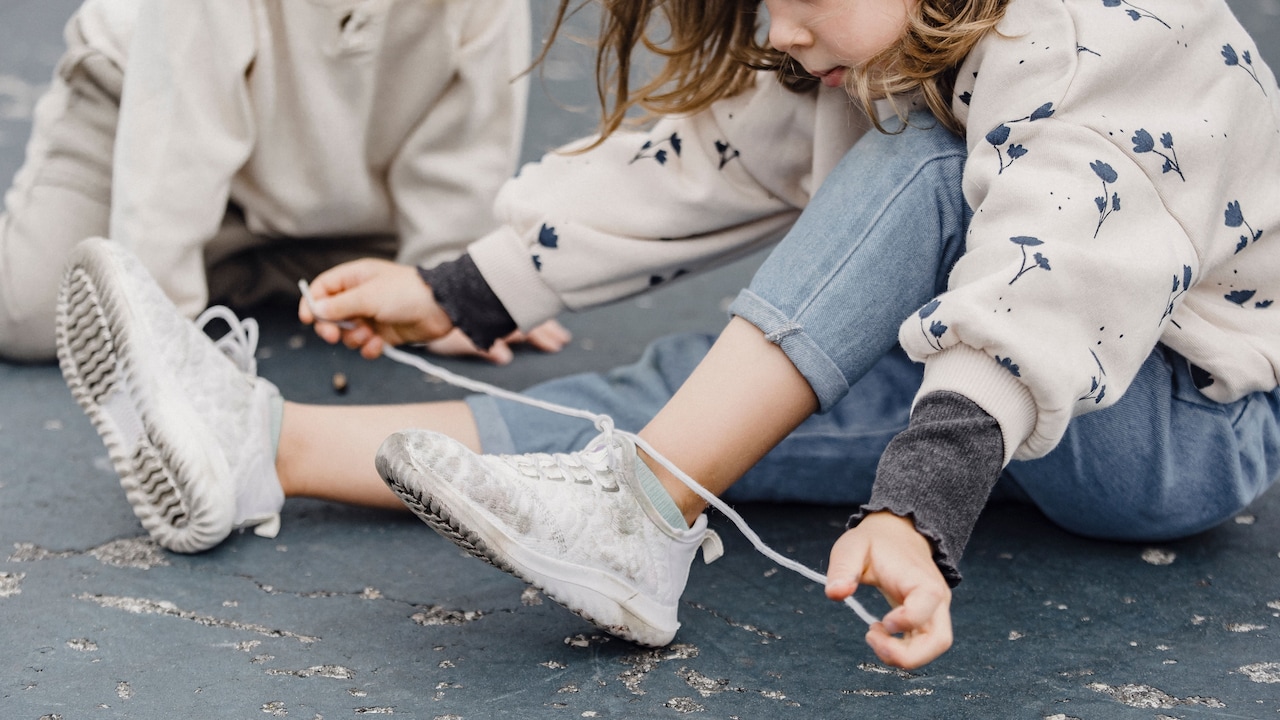
How To Buy Kids' Sports Shoes Without Choosing A Size Too Big; Photo Credit: Pexels
Avoid Relying On The Finger-Behind-Heel Test
Many adults check growing room by pushing a finger behind the child's heel. This method feels familiar, but it often gives inaccurate results. The child may slide the foot forward, curl the toes or loosen the heel without realising it. A finger may fit even when the shoe is already too large.
Check the space at the front while the heel sits properly against the back of the shoe. Then secure the laces or fastening and test movement. This approach shows how the shoe fits during actual use.
The finger test also ignores width, arch position and heel grip. A shoe may have plenty of space behind the heel but still squeeze the toes. Another pair may look correct in length yet feel loose around the ankle.
Use several clues together: front space, heel security, width and natural movement. No single trick can replace a complete fitting.
Parents may remember buying footwear this way during childhood, usually from a shopkeeper who pressed the toe and announced, “One year easily.” Nostalgia has its charm, but children deserve a more careful check. Shoes should fit their feet, not a traditional sales prediction.
Recheck The Fit Every Few Months
Even the best-fitting shoes will not stay perfect forever. Children's feet can grow in sudden bursts, often without warning. Recheck sports shoes every two to three months, especially during periods of rapid growth.
Look for practical signs. Toes pressing against the front, red marks, worn linings or complaints after practice may signal a tight fit. The child may also start removing shoes quickly after play or avoid wearing a previously favourite pair.
Inspect the sole and upper as well. Worn grip, uneven heels and flattened cushioning can affect comfort even when the size still seems correct. Active children may wear out shoes before they outgrow them.
Ask direct questions rather than simply saying, “Are they fine?” Children often answer yes to end the conversation. Ask whether the toes touch the front, whether the heel rubs or whether the shoes feel different while running.
Regular checks also prevent parents from leaving excessive room at the time of purchase. When the next fitting already has a place on the family radar, there is less pressure to make one pair last through every growth spurt, sports day and summer camp.
Products Related To This Article
1. ADIDAS Kids GameTalker 2.0 C Walking Shoes
2. Decathlon Unisex Kids Velcro Walking Sports Shoes
3. G&D Kids Colorblocked Running Non-Marking Sports Shoes
4. ADIDAS Kids ADI TREND 1.0 C Walking Shoes
5. Liberty Kids Lace-Ups Running Non-Marking Shoes
6. Campus LUNAR Unisex Kids Mesh Running Sports Shoes
7. CULT Kids' SkyBurst Running Shoes - Ice Blue
Choosing children's sports shoes requires more than finding an attractive pair in a slightly larger size. The right fit leaves modest space at the toes, holds the heel securely and matches the width and shape of the foot. It also supports the movements required by the child's sport.
Growing room should prepare for natural growth without turning the shoe into loose luggage. Around 8 to 12 millimetres at the front usually offers a sensible starting point, though heel grip, width and movement matter just as much.
A careful fitting may take a little longer, particularly when a child feels more interested in the shop's football display than the shoes on their feet. Still, those extra minutes can prevent blisters, awkward running and wasted money.
Children play with remarkable energy. Their footwear should help them move freely, confidently and safely. Choose shoes that fit the child standing in front of you today, with a small allowance for the months ahead. Growing feet need room, but they do not need an empty guest bedroom.
(Disclaimer: This article may include references to or features of products and services made available through affiliate marketing campaigns. NDTV Convergence Limited (“NDTV”) strives to maintain editorial independence while participating in such campaigns. NDTV does not assume responsibility for the performance or claims of any featured products or services.)