How To Choose A Digital SLR Camera For Your First Photography Hobby
Choosing your first DSLR? Focus on budget, comfort, lens options, autofocus and low-light performance. This guide helps beginners pick a practical camera for learning, creativity and long-term growth.
How To Choose A Digital SLR Camera For Your First Photography Hobby
A first camera often arrives with a small dream attached to it. Perhaps it begins with mist floating over the hills in Munnar, a cousin's lively wedding in Jaipur, or the evening light falling across an ordinary neighbourhood terrace. A smartphone may capture the moment, but a digital SLR camera offers something different: greater control over how that moment looks and feels. Buying one can still be confusing. Camera shops and online listings throw around terms such as megapixels, ISO, autofocus points, sensor size and burst speed. Before long, a beginner may feel as though a photography course is required merely to understand the product page.
How To Choose A Digital SLR Camera For Your First Photography Hobby
Photo Credit: Pexels
Fortunately, choosing a digital SLR camera does not need to become a technical examination. The best beginner model is not necessarily the newest, most powerful or most expensive one. It is the camera that feels comfortable, suits the photographs you hope to take and encourages regular practice. Ten practical considerations can make that decision far simpler.
Key Factors To Consider Before Buying Your First DSLR Camera
Begin With The Kind Of Photography You Enjoy
Before comparing models, think about what usually makes you reach for a camera. Someone drawn to birds, cricket matches or children running through a park will need different features from a person interested in portraits, food or quiet street scenes.
For travel and family photography, a lightweight camera with simple controls may matter more than extreme speed. Wildlife and sports photography benefit from quick autofocus and a faster burst mode. Portrait lovers may care more about pleasing skin tones, lens choices and background blur. Those fascinated by night markets, festivals or city lights should look closely at low-light performance.
This does not mean choosing one subject for life. Photography interests often change once the hobby begins. A person may start by photographing sunsets and eventually become obsessed with tiny insects on balcony plants. Still, identifying a starting point prevents unnecessary spending.
Write down three subjects you would genuinely enjoy photographing every week. That small exercise can reveal whether you need speed, portability, low-light strength or simply an uncomplicated camera that makes learning enjoyable.
Set A Realistic Total Budget
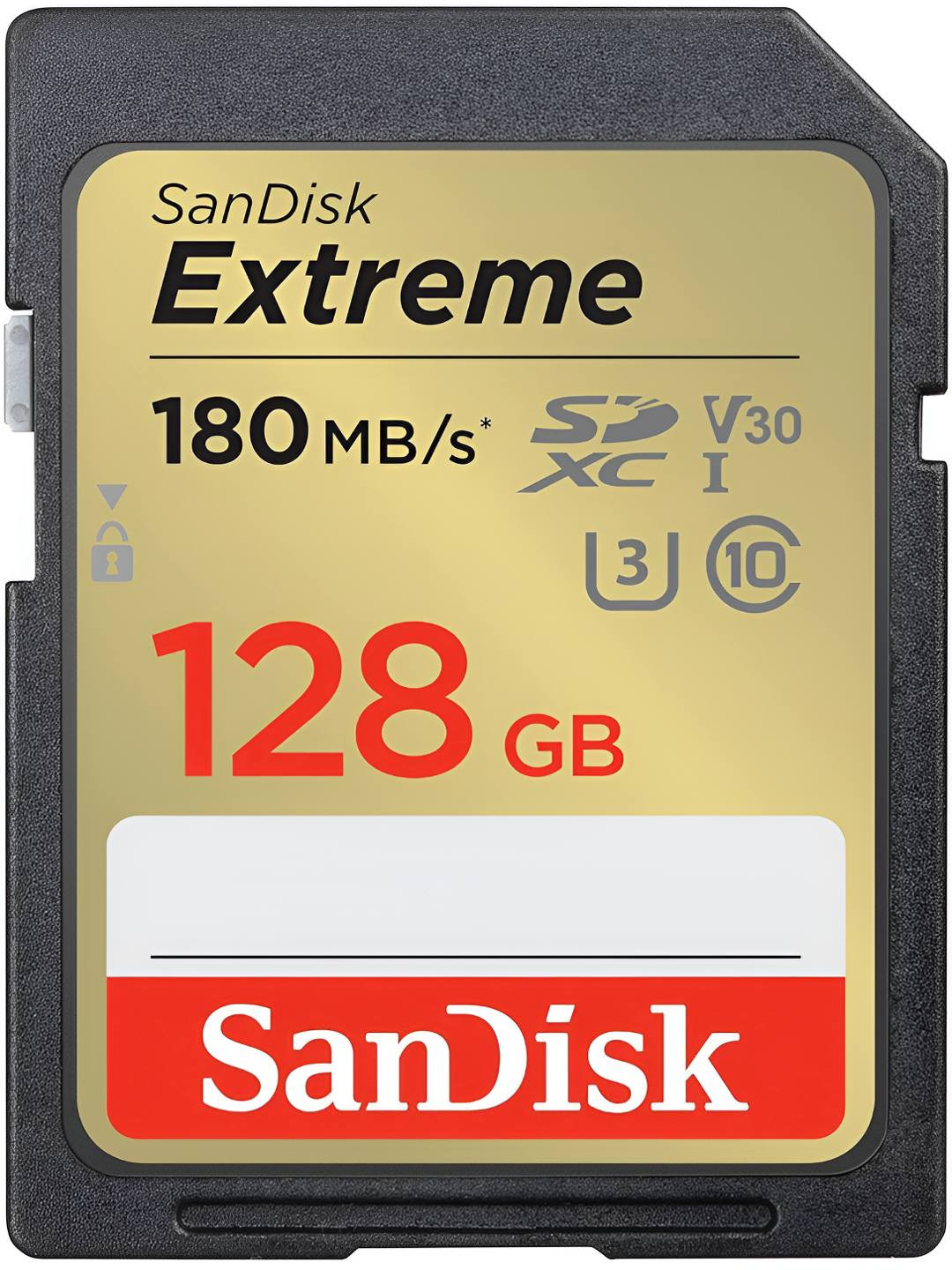
A digital SLR camera rarely travels alone. The body may attract the most attention, but lenses, memory cards, a spare battery, a protective bag and basic cleaning tools also cost money. Setting a total budget protects beginners from buying an impressive camera and then discovering that nothing remains for the accessories needed to use it comfortably.
Suppose the overall budget is ₹60,000. Spending the full amount on the camera body may leave little room for a useful lens or extra battery. A more balanced approach could reserve around ₹45,000 to ₹50,000 for the camera and kit lens, with the remainder kept for essentials.
Avoid stretching the budget merely because a higher model offers features that sound professional. Many beginners never use advanced video settings, ultra-fast burst rates or complicated custom controls. Money saved at the start can later fund a better lens, a weekend photography trip or a beginner workshop.
Photography becomes expensive when enthusiasm starts shopping without supervision. A clear spending limit keeps the hobby exciting rather than financially awkward.
Choose A Camera That Feels Comfortable
Camera specifications matter, but comfort often decides whether the camera leaves the cupboard. A model may receive glowing reviews and still feel wrong in your hands. Some cameras have deep grips and substantial bodies, while others feel lighter and more compact. Neither design suits everyone.
Visit a shop and hold several models before buying. Check whether your fingers reach the shutter button and control dials naturally. Notice whether the grip feels secure. Try looking through the viewfinder while adjusting basic settings. A camera that causes wrist strain within five minutes will not become more charming during a full day at a fort, wildlife sanctuary or wedding.
Weight deserves special attention. A heavier camera can feel stable, but carrying it through crowded streets or on a long trek may become tiring. Add the weight of the lens as well, since the body is only half the package.
The right camera should feel like a creative companion, not a gym membership with a neck strap. Comfort encourages practice, and regular practice improves photography far more than an impressive feature list.
Understand Sensor Size Without Overthinking It
Most beginner digital SLR cameras use an APS-C sensor. This sensor size offers strong image quality, manageable camera bodies and access to reasonably priced lenses. Full-frame sensors are larger and can perform better in low light, but they also increase the cost and weight of the overall system.
For a first photography hobby, an APS-C camera usually provides more than enough detail for social media, photo books, framed prints and even serious creative projects. It also gives telephoto lenses extra apparent reach, which can help when photographing birds, sports or distant subjects.
Sensor size influences background blur, field of view and low-light performance, but it does not automatically determine whether a photograph looks beautiful. Light, timing, composition and expression still carry much more emotional weight. A technically perfect photograph of a bored face remains a photograph of a bored face.
Do not let online debates make a sensible APS-C camera feel inadequate. Full-frame equipment may become useful later, but beginners gain more from learning exposure and composition than from paying heavily for a larger sensor before understanding why they need it.
Look Beyond The Megapixel Number
Megapixels dominate camera advertisements because the number looks easy to compare. A camera with 24 megapixels may appear better than one with 20, but image quality involves far more than resolution. Sensor performance, lens quality, focusing accuracy and lighting all influence the final result.
For most beginners, anything around 20 to 26 megapixels offers ample detail. Such files can handle cropping, large prints and everyday editing without filling memory cards at an alarming speed. Very high-resolution cameras produce larger files, which require more storage space and stronger computers.
More megapixels also reveal mistakes more clearly. Slight camera shake, poor focus or a weak lens may become easier to notice. That can help learning, but it does not guarantee better photographs.
Instead of chasing the biggest number, study sample images taken in daylight, indoors and at higher ISO settings. Look for natural colours, useful detail and acceptable noise. A well-exposed 20-megapixel photograph with strong composition will usually look better than a dull 40-megapixel image. Photography rewards observation, not arithmetic.
Also Read: 7 Smartphones Worth Checking This Week Across Different Budgets
Pay Attention To Autofocus Performance
Autofocus can make the difference between capturing a perfect expression and saving a sharp photograph of the wall behind it. Beginners should look for a camera that focuses quickly and reliably in ordinary situations, especially when photographing moving subjects.
The number of autofocus points offers some guidance, but placement and accuracy matter just as much. A camera with focus points spread across a wider area makes composition easier. Face detection and eye detection can help with portraits, particularly when using the rear screen. Continuous autofocus becomes useful for children, pets, dancers, sports and wildlife.
Test autofocus in a shop if possible. Aim the camera at objects near and far, then observe how quickly it responds. Try focusing in a dim corner as well. Some cameras behave brilliantly in bright light but hesitate once the sun sets.
Do not expect beginner equipment to track a flying bird like a top professional model. Reliable everyday focusing is enough at the start. Good timing and anticipation will still matter. Even the cleverest autofocus system cannot predict when an uncle will suddenly step into the wedding frame.
How To Choose A Digital SLR Camera For Your First Photography Hobby
Photo Credit: Pexels
Consider The Lens System Carefully
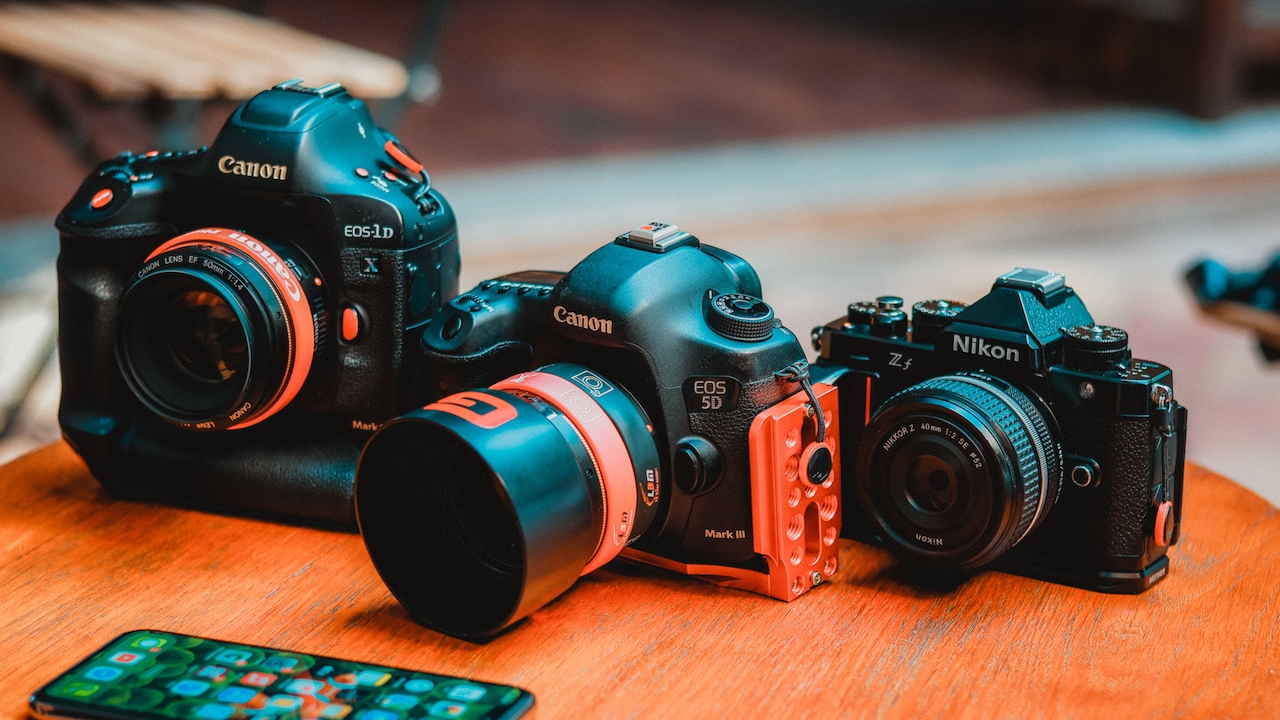
Choosing a camera also means choosing a lens system. The lens often affects image quality and creative possibilities more than the camera body itself, so check what lenses are available before committing to a brand.
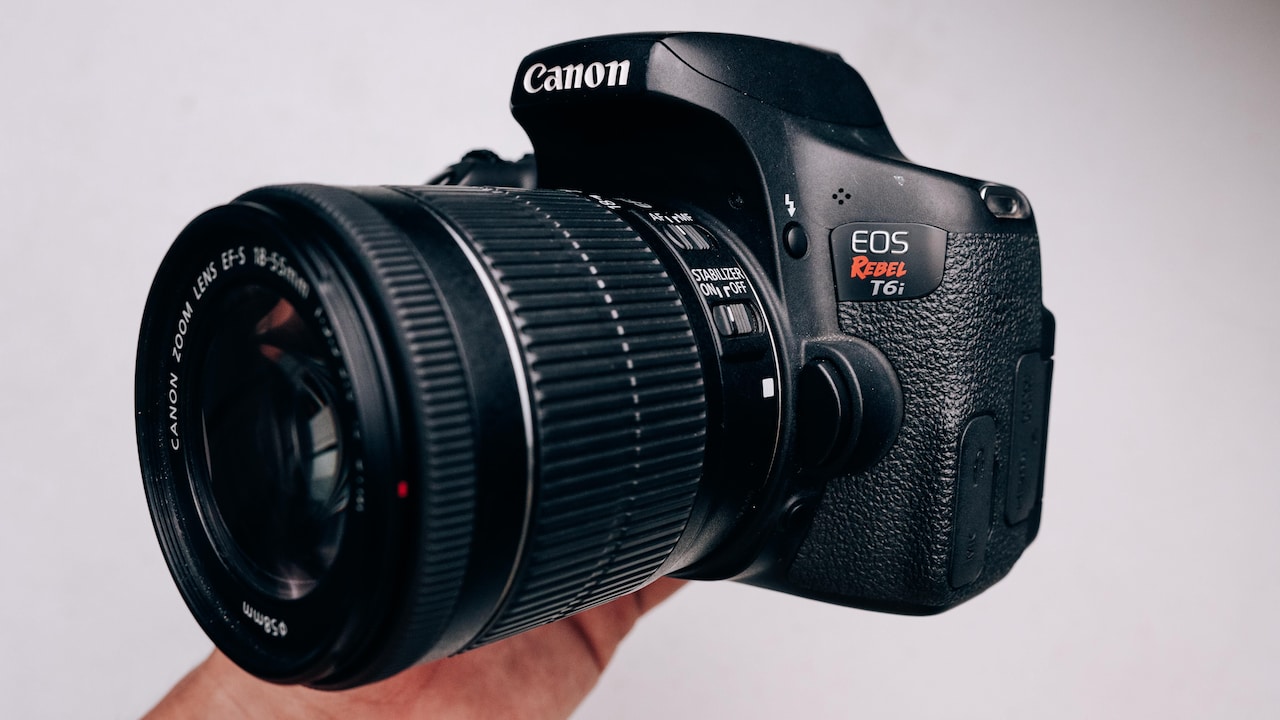
Most beginner cameras come with an 18–55mm kit lens. It works well for family photographs, travel, landscapes and everyday scenes. It also helps beginners discover which focal lengths they use most. After a few months, a clear preference may emerge. Portrait enthusiasts may want a 50mm prime lens, while wildlife lovers may prefer a 70–300mm zoom.
Compare the prices of future lenses, not just the starter kit. Some systems offer a wide range of affordable new and second-hand options. Others may have fewer choices or higher prices. Local availability matters too. A lens that looks perfect online becomes less appealing when repairs, rentals or replacements prove difficult to find.
Avoid buying several lenses immediately. Too much equipment can distract from learning. Start with one versatile lens, practise often and let real photographic needs guide the next purchase.
Check Low-Light And ISO Performance
Many memorable photographs happen when the light refuses to cooperate. Birthday candles, evening markets, indoor celebrations and monsoon skies can all challenge a camera. Good high-ISO performance helps preserve detail and reduce excessive grain in these situations.
ISO controls the camera's sensitivity to light. Raising it allows faster shutter speeds in dim conditions, but very high settings can introduce noise and soften detail. When comparing cameras, look at sample photographs taken at ISO 1600, 3200 and 6400 rather than relying only on the maximum advertised number.
A camera may claim an extraordinary ISO limit while producing unattractive results long before reaching it. Practical performance matters more than a dramatic figure printed on the box.
Also check whether the camera includes a built-in flash and whether an external flash can be attached later. Flash should not become the automatic answer to every dark room, but it can help when used carefully.
Remember that a wider-aperture lens often improves low-light photography more than upgrading the body. Sometimes the smartest solution is better glass rather than a more expensive camera.
Examine Controls, Screen And Viewfinder
A beginner-friendly camera should make common settings easy to find. Look for clearly labelled buttons, a sensible menu and dedicated controls for ISO, exposure compensation and autofocus. Constantly digging through menus can interrupt the moment and make learning feel more complicated than necessary.
The optical viewfinder remains one of the main attractions of a digital SLR camera. It shows the scene directly through the lens without screen delay, which feels natural when photographing action. Check whether the viewfinder looks bright and comfortable, especially when wearing spectacles.
A tilting or fully articulating screen can make unusual angles much easier. It helps with low-level flower photographs, overhead festival scenes, self-recorded videos and crowded events where raising the camera becomes necessary. Touch controls can also simplify focusing and menu navigation.
Menus vary widely between brands. Spend a few minutes exploring them before deciding. A camera should invite experimentation rather than make every adjustment feel like filing a tax return. Clear controls build confidence, and confidence helps beginners move beyond automatic mode sooner.
Think About Battery Life And Everyday Practicality
A camera may produce wonderful photographs, but practical irritations can quietly reduce how often it gets used. Battery life, memory card type, charging method and connectivity deserve attention before purchase.
Digital SLR cameras generally offer good battery performance because the optical viewfinder uses little power. Even so, a spare battery helps during trips, weddings and long outdoor sessions. Check the cost and availability of original or reliable replacement batteries. Saving ₹1,000 on an unfamiliar battery means little if it fails during the best moment of the day.
Wi-Fi and Bluetooth can make transferring photographs to a phone easier. This feature suits anyone who enjoys sharing images quickly. However, camera apps vary in speed and reliability, so treat connectivity as a convenience rather than the main reason to buy.
Also examine the card slot, weather protection and durability of the body. Beginners do not need a camera built like a tank, but it should survive regular travel and occasional knocks. A sensible camera fits naturally into everyday life instead of demanding constant special treatment.
Compare New, Used And Older Models
The newest camera is not always the best first camera. Older digital SLR models often deliver excellent image quality at much lower prices, especially when shops reduce stock or photographers sell carefully used equipment.
Buying used can stretch the budget towards a better lens or higher camera range. However, inspect the body thoroughly. Check the shutter count, sensor condition, buttons, card slot, battery compartment, autofocus and screen. Look for fungus or scratches on the lens. A trusted camera shop may charge slightly more than an unknown seller, but a short warranty can provide valuable peace of mind.
When considering an older model, check whether batteries, lenses and service support remain available. A bargain loses its charm when a replacement charger becomes a treasure hunt across three cities.
New cameras offer warranty protection and fewer hidden risks. Used cameras offer better value but require careful checking. Both routes can work well. The smartest purchase is not the one with the freshest launch date; it is the one that provides dependable performance and leaves enough budget for learning.
How To Choose A Digital SLR Camera For Your First Photography Hobby
Photo Credit: Pexels
Products Related To This Article
1. Nikon D850 45.7MP Digital SLR Camera
2. Sony Alpha Ilce 6100 24.2 Mp Mirrorless Digital SLR 16 GB Camera Body Only
3. Nikon Store D850 45.7 MP Camera with 1 X Optical Zoom
4. Sony Alpha Ilce-6400M 24.2Mp Mirrorless Digital SLR 16 GB Camera
5. Nikon D7500 20.9MP Digital SLR Camera (Black) with AF-S DX NIKKOR
Choosing a first digital SLR camera should feel exciting, not intimidating. Start with the photographs you want to create, set a complete budget and pay attention to comfort. Then examine the sensor, autofocus, lenses, low-light ability, controls and practical features that will matter during regular use.
Avoid buying a camera simply because it looks professional or carries the highest numbers. A modest model used every weekend will teach far more than an expensive body kept safely inside its box. Photography grows through missed focus, awkward compositions, unexpected light and the occasional photograph that makes everyone stop scrolling.
The right first camera gives enough control to explore without burying the beginner under unnecessary complexity. Choose a model that feels good in the hands, fits comfortably within the budget and offers space to develop new skills. Once that camera starts accompanying morning walks, family gatherings and spontaneous journeys, the hobby has already found the most important feature of all: a reason to keep looking.
(Disclaimer: This article may include references to or features of products and services made available through affiliate marketing campaigns. NDTV Convergence Limited (“NDTV”) strives to maintain editorial independence while participating in such campaigns. NDTV does not assume responsibility for the performance or claims of any featured products or services.)