Beyond Guest Rooms: Can An Air Mattress Really Replace Your Bed?
Thinking of using an air mattress every day? Discover the pros, cons, comfort levels, durability and expert tips to decide if an air mattress is suitable for long-term daily use.
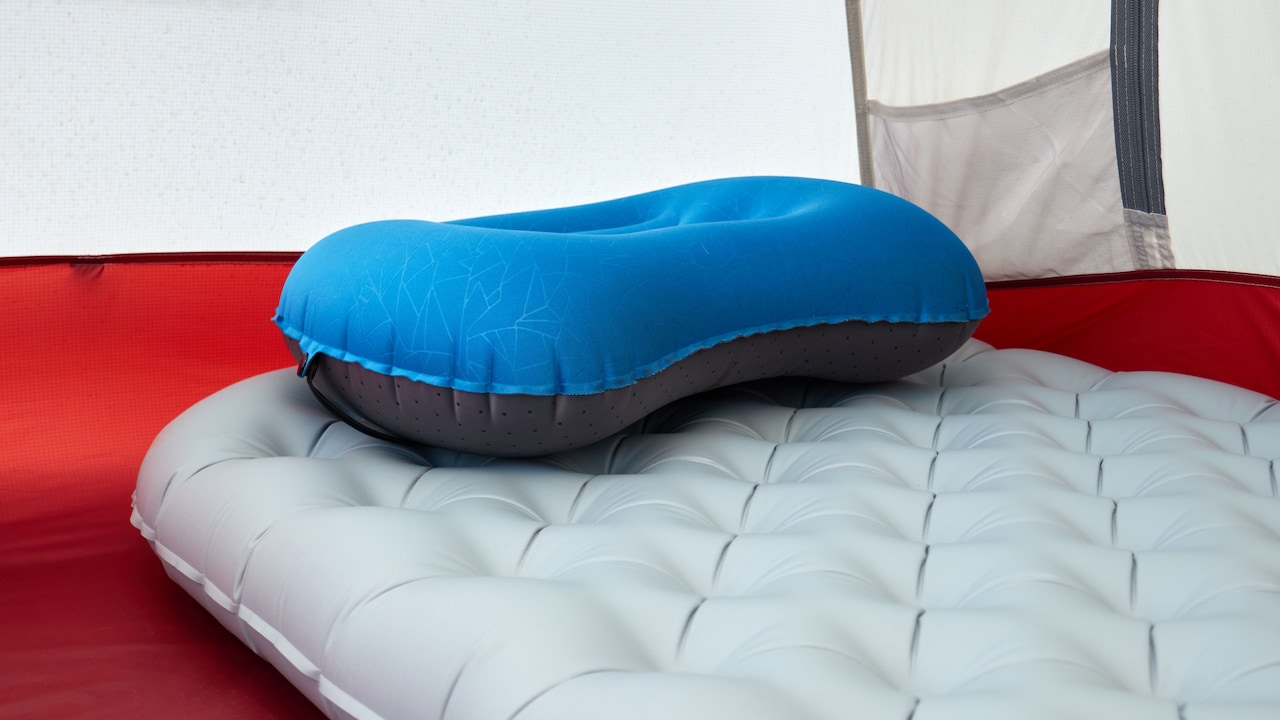
Modern air mattresses are far more comfortable than older inflatable designs.
Some furniture purchases are planned months in advance. Others happen at 11 p.m. after an exhausting day when you're scrolling through online stores, staring at a nearly empty room, and wondering how quickly you can make it liveable. That is often how people end up with an air mattress.

Modern air mattresses are far more comfortable than older inflatable designs.
Photo Credit: Pexels
Maybe you're moving cities and your furniture, including the bed frame, is stuck with the movers and packers. Maybe you've rented a small apartment and want a temporary sleeping solution. Maybe you're hosting guests every other weekend and need something practical that doesn't occupy space when not in use. Or perhaps you've seen modern air mattresses advertised with plush tops, built-in pumps and "bed-like comfort" and wondered whether you could simply sleep on one every day.
Also Read: Why Budget Air Mattresses Deflate Overnight: Material Quality Matters
It is a fair question. After all, today's air mattresses look nothing like the squeaky camping inflatables many of us remember from childhood holidays. Some are tall enough to resemble standard beds, while premium models promise proper back support, comfort layers and durable construction.
But does that mean they are suitable for daily use? The answer is a little more complicated than a simple yes or no.
Why Air Mattresses Have Become So Popular
The appeal of air mattress is easy to understand. An air mattress offers flexibility that traditional beds cannot.
You can inflate it when needed, deflate it when not in use and store it in a cupboard. For students, young professionals, renters, frequent movers and those living in compact spaces, that convenience is difficult to ignore.
Cost is another major advantage. A decent air mattress typically costs significantly less than a traditional mattress and bed frame combination. For someone furnishing a home on a budget, the affordability can be very attractive.
Modern designs have also improved considerably. Many now feature flocked surfaces that feel softer against the skin, raised edges to prevent rolling off and internal air chamber systems designed to distribute weight more evenly.
On paper, it sounds like a practical alternative. However, in reality, daily sleeping introduces challenges that occasional use does not.
The Comfort Question
Let's start with what matters most: comfort.
For a night or two, most quality air mattresses can be surprisingly comfortable. In fact, many people are pleasantly surprised by how supportive an inflated mattress feels initially.
The firmness is adjustable, which is perhaps the biggest advantage. If the mattress feels too hard, you can release some air. If it feels too soft, add more. Traditional mattresses do not offer that level of customisation.
For side sleepers, back sleepers and occasional users, this flexibility can make a noticeable difference. However, comfort over a weekend and comfort after three months are very different things.
Many long-term users report waking up to slight air loss overnight. Even a small reduction in air pressure can change the sleeping surface significantly. Areas that felt supportive at bedtime may feel uneven by morning.
Unlike foam or spring mattresses that maintain their structure, air mattresses rely entirely on internal air pressure. When that balance changes, so does the sleeping experience.
What About Back Support?
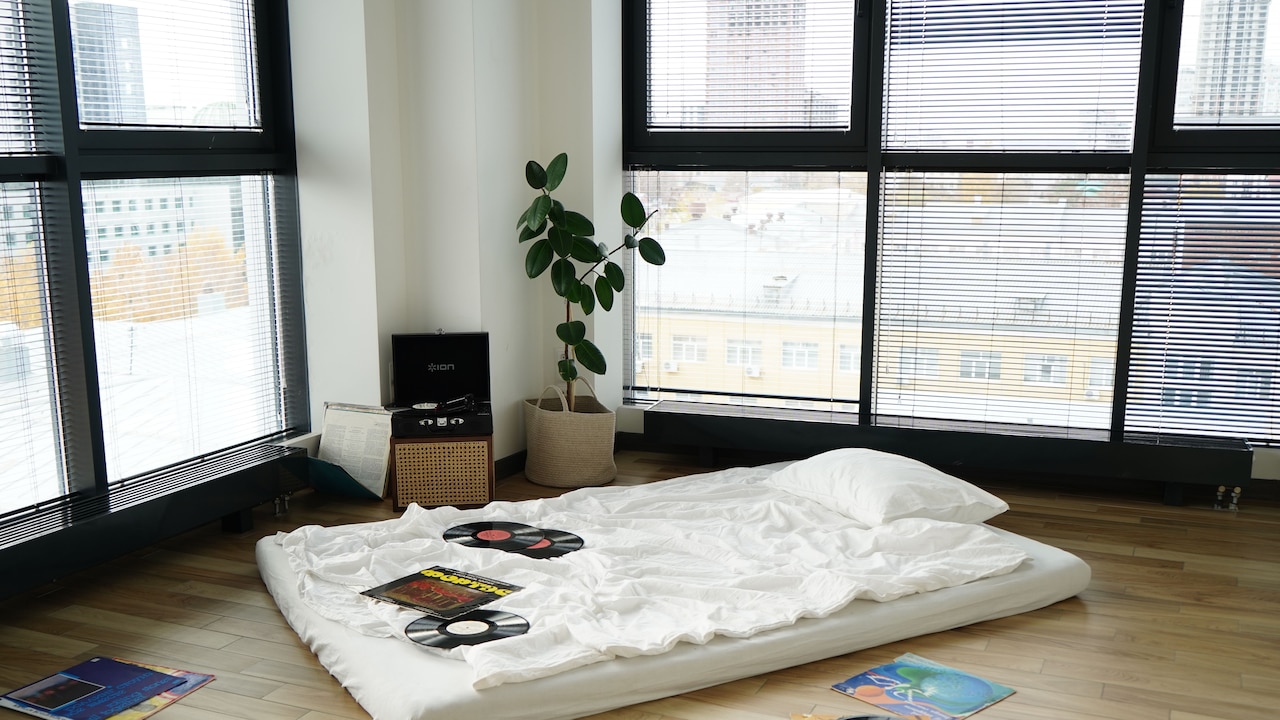
Air mattresses work well for temporary housing, guests and frequent movers.
Photo Credit: Pexels
This is where opinions become divided.
A high-quality air mattress with proper chamber construction can provide reasonable support for temporary use. For healthy adults without existing back problems, sleeping on one for short periods is usually manageable.
Daily use is a different conversation.
Traditional mattresses are designed with layers of materials that support the spine and relieve pressure points across thousands of nights. Air mattresses are primarily designed for portability and convenience.
This doesn't automatically make them bad for your back. Some people genuinely find them comfortable for extended periods. Others develop stiffness, especially if the mattress loses air regularly or lacks adequate thickness.
Body weight also plays a role. Heavier individuals may notice more sagging and reduced support compared to lighter sleepers. In other words, your experience may be completely different from someone else's.
The Temperature Regulation Issue
One aspect that rarely appears in product advertisements is temperature regulation.
Air behaves differently from foam, cotton and other mattress materials. During colder months, the air inside the mattress can feel chilly. In warmer weather, temperature fluctuations may affect comfort levels throughout the night.
People often describe air mattresses as feeling cooler beneath the body compared to traditional beds.
Some solve this issue by adding mattress toppers, thick blankets or fitted mattress pads. These additions can significantly improve comfort but also add to the overall cost.
Once you start buying toppers, protectors and accessories, the budget advantage begins to shrink.
Durability Matters More Than You Think
Most people purchasing an air mattress intend to use it occasionally. Daily use changes everything.
Regular inflation, deflation, movement and weight pressure can gradually wear down seams and materials. Tiny punctures may develop over time. Valves can become less reliable. Built-in pumps can eventually experience mechanical issues.
This doesn't mean an air mattress will fail quickly. Many quality models last for years when cared for properly.
The key point is that they generally aren't engineered to endure the same level of long-term stress as conventional mattresses designed for nightly use over a decade or more.
If you plan to sleep on an air mattress every night, durability becomes just as important as comfort.
Who Can Use An Air Mattress Daily?
There are situations where sleeping on an air mattress long-term makes perfect sense.
- People In Temporary Housing: If you're relocating, renovating your home or waiting for furniture deliveries, an air mattress can be an excellent short-term solution.
- Students And Young Professionals: Those setting up their first living space often appreciate the affordability and flexibility.
- Frequent Movers: People whose jobs require relocation may prefer something portable rather than investing in large furniture that needs transporting repeatedly.
- Minimalists: Some intentionally choose simple living arrangements and find a high-quality air mattress sufficient for their needs.
In these situations, the convenience often outweighs the drawbacks.
When An Air Mattress May Not Be Ideal
There are also circumstances where a traditional mattress remains the better choice.
- Individuals with chronic back pain
- Older adults requiring consistent support
- Those who share a bed with an active sleeper
- People seeking a decade-long sleeping solution
- Users who dislike routine maintenance and re-inflation
While air mattresses have evolved significantly, they still require more attention than conventional beds.
Small Upgrades That Improve Comfort
If you're considering daily use, a few simple additions can transform the experience.
Adding a mattress topper over the air mattress can provide extra cushioning and reduce the feeling of sleeping directly on an inflated surface. Moreover, using a sturdy platform or placing the mattress on an even floor helps maintain stability.
To make the sleeping situation even better, use quality fitted sheets designed for deeper mattresses to prevent bunching and improve sleeping comfort.
Perhaps most importantly, keeping the mattress properly inflated makes a noticeable difference. Many complaints about air mattresses stem from incorrect inflation levels rather than the mattress itself.
So, Are Air Mattresses Comfortable For Daily Use?
The honest answer is that they can be, but with limitations.
Modern air mattresses are far more comfortable than many people expect. They offer adjustable firmness, affordability and impressive convenience. For temporary living situations, guest accommodation, student housing or transitional periods, they can work remarkably well.
Yet they still aren't a perfect replacement for a quality traditional mattress designed specifically for years of nightly sleep.
Think of an air mattress as a reliable stand-in rather than a lifelong solution. It can comfortably carry you through weeks or even months, particularly if you invest in a well-made model and add a few comfort upgrades.
But if you're searching for the best possible sleep experience for the long haul, a dedicated mattress will usually win.
That said, life isn't always lived in ideal conditions. Sometimes the smartest sleeping solution is the one that fits your space, your budget and your current reality. And for many people, that reality begins with the quiet hum of an air pump, a freshly inflated mattress and the reassuring feeling that a good night's sleep doesn't always require a traditional bed. If you are looking for good quality air mattresses, Amazon has a wide variety from brands like Joyfox, Lifelong, Intex and more. So, order now on Amazon.
Top Air Mattress Available On Amazon
1. Amazon Basics Inflatable Car Air Mattress | Grey | Quick Inflate | Durable PVC | Travel & Camping Essential
2. Anti Decubitus Bubble Air Mattress For Patients With Pump
3. JOYFOX Inflatable Mattress Queen Double Campaign Bed Inflatable Pump With Built-in Lithium Battery 203 * 154 * 44cm
4. Intex Single Inflatable Air Bed Cot Size : 30W X 75Lx 10H Inch | Polyvinyl Chloride - Blue
5. Robustt 32 Holes Twin Size Air Bed with Air Pump | Quick Inflatable - Blow Up Mattress Air Bed Portable Waterproof Air Mattress for Hiking, Travel, Outdoor and Home
6. Lifelong Dual Air Mattress with Inflatable Pump|22cm Raised Thick Inflatable Bed for Home|200kg Comfort Support| Inflatable Air Bed with 2Repair Patch| Bed for Guest, Home,Camping & Travel (LLAMB02)
7. Olex Anti Decubitus Cell Tubular mattress with pump for Bed sore patients with spare cell
8. Intex Polyvinyl Chloride (PVC) Deluxe Single-High Dura-Beam Airbed with Fiber-Tech Construction, Twin - Grey
Frequently Asked Questions (FAQs)
1. Can you sleep on an air mattress every day?
Yes, you can sleep on an air mattress daily, especially for temporary living situations. However, long-term comfort and support may vary depending on the mattress quality and your sleeping needs.
2. Are air mattresses good for your back?
A high-quality air mattress can provide decent support, but it may not offer the consistent spinal alignment and pressure relief that a traditional mattress provides over extended use.
3. How long does an air mattress last with daily use?
The lifespan depends on build quality and maintenance. Daily use may cause wear and tear faster than occasional use, making durability an important consideration.
4. What can make an air mattress more comfortable?
Adding a mattress topper, using fitted bedding, maintaining proper inflation levels and placing it on a stable surface can significantly improve comfort.
5. Is an air mattress better than sleeping on the floor?
In most cases, yes. An air mattress provides cushioning, elevation and insulation from hard surfaces, making it more comfortable than sleeping directly on the floor.
(Disclaimer: This article may include references to or features of products and services made available through affiliate marketing campaigns. NDTV Convergence Limited (“NDTV”) strives to maintain editorial independence while participating in such campaigns. NDTV does not assume responsibility for the performance or claims of any featured products or services.)