Why Toothpaste Keeps Sliding Off Your Electric Toothbrush Before You Start Brushing
Toothpaste slipping off an electric toothbrush is usually down to moisture, brush-head shape, paste texture or simple timing. Here are 10 reasons it happens and the small changes that can help keep that blob where it belongs.
Ways to prevent toothpaste from sliding off of electric toothbrush
There's something mildly irritating about carefully placing toothpaste on an electric toothbrush only to watch it slide into the sink before the brushing has even begun. Sometimes it falls while the brush travels from the counter to the mouth. Other times, one tiny tilt sends the entire blob rolling off the bristles like it had somewhere more important to be. The problem feels especially odd because toothpaste tends to sit quite happily on a manual toothbrush. Electric toothbrushes, however, often have smaller, rounder or more compact heads. Their bristles may also sit at different angles and heights. Add water, a soft toothpaste formula or an oversized squeeze, and keeping the paste in place suddenly becomes surprisingly difficult. Thankfully, the toothbrush probably isn't defective, and there's usually no need to change toothpaste immediately. Small habits around wetting the brush, applying the paste and positioning the head can make a noticeable difference.
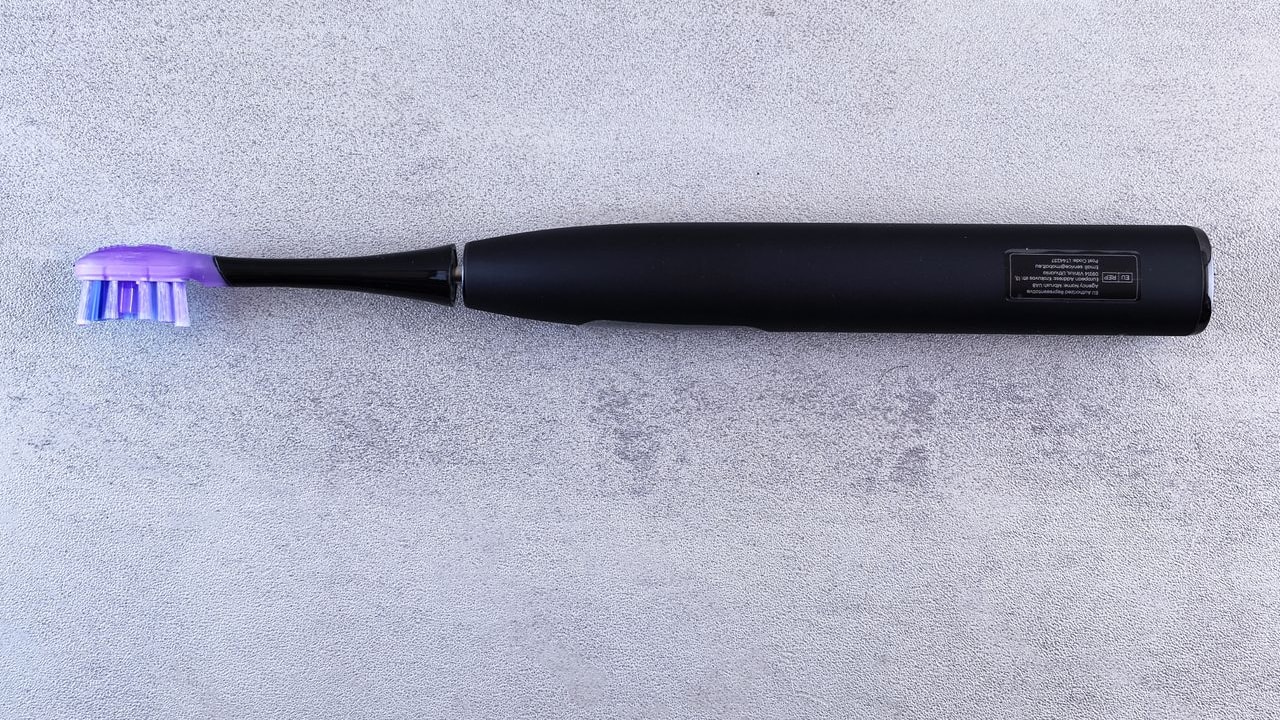
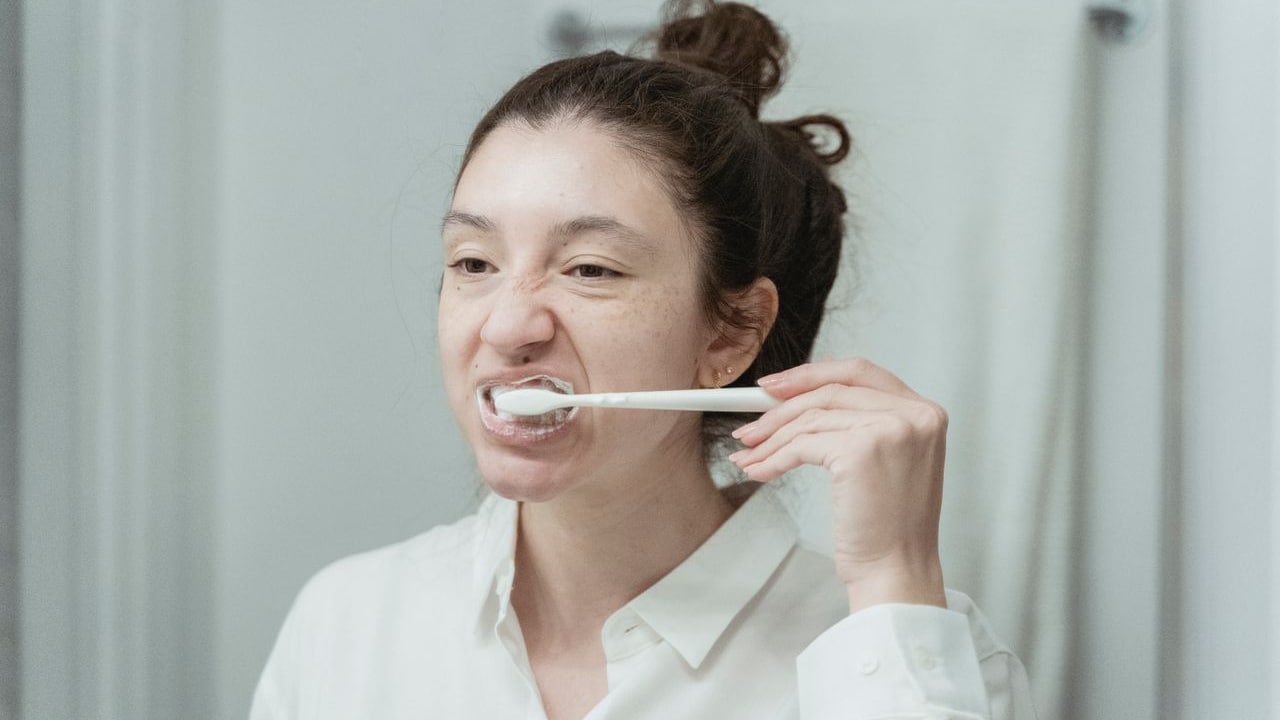
Why toothpaste keeps falling off the electric toothbrush; Photo Credit: Pexels
What Makes Toothpaste Slip Off An Electric Toothbrush So Easily?
1. The Brush Head Is Wet Before You Add Toothpaste
Running a toothbrush under the tap before adding toothpaste feels almost automatic. It's one of those habits many people pick up without remembering when it started. With an electric toothbrush, though, that extra water can turn the bristles into a miniature slip-and-slide.
Water sits between the bristle clusters and reduces the grip that normally keeps toothpaste in place. A soft gel formula may start moving almost immediately. Tilt the brush while reaching for something else, and the paste can land in the basin before it gets anywhere near your teeth.
There's generally no need to soak the brush head beforehand. Toothpaste already contains moisture, while saliva quickly wets everything once brushing begins.
If you prefer rinsing the brush before use, give it a gentle shake afterwards. The aim isn't to make the bristles completely dry, just to remove droplets sitting on top. That one-second shake can make the difference between toothpaste staying neatly centred and disappearing down the sink before breakfast has properly started.
2. You're Using More Toothpaste Than The Small Head Can Hold
Electric toothbrushes often have much smaller heads than conventional manual brushes. That compact design can help the bristles move around individual teeth, but it also means there's less surface area available for holding toothpaste.
A long ribbon of toothpaste might sit comfortably across a full-sized manual brush. Put the same amount onto a small round electric head and gravity quickly becomes the stronger contestant.
The problem gets worse when the toothpaste forms a tall mound. The bottom portion touches the bristles, but much of the blob sits above them without meaningful support. A slight turn of the wrist can send the whole thing sideways.
Using less toothpaste usually solves the issue surprisingly well. Adults generally don't need to recreate the dramatic toothpaste swirls shown in advertisements. A modest amount can spread across the teeth once brushing starts.
It also reduces waste. When toothpaste regularly drops into the sink, you may squeeze another portion without thinking. Over several weeks, a seemingly tiny habit can empty the tube considerably faster.
Also Read: Smile With Confidence: Upgrade Your Oral Healthcare With These Electric Toothbrushes
3. The Toothpaste Formula Is Particularly Runny
Not every toothpaste behaves the same way. Some formulas hold their shape like a thick cream, while others have a softer gel-like consistency that spreads quickly.
A runnier toothpaste becomes especially noticeable on an electric toothbrush because the head offers little room for error. The paste may slowly sink between the bristles or lean towards one edge while you're still putting the cap back on the tube.
Temperature can influence texture too. During warmer months, certain toothpaste formulas may feel softer than they do during cooler weather. A tube stored somewhere hot or near direct sunlight may also become slightly more fluid.
This doesn't automatically mean there's anything wrong with the toothpaste. Its consistency may simply work better with a different application technique.
Instead of squeezing a tall blob onto the surface, gently press a small amount into the centre of the bristles. Think of it as seating the toothpaste rather than balancing it on top. Giving the paste a little contact with surrounding bristles helps it remain stable while the toothbrush makes the short journey towards your mouth.
4. The Bristle Pattern Gives The Paste Very Little Support
Electric toothbrush heads can look surprisingly complicated when viewed closely. Some use circular bristle arrangements, while others combine angled, raised and shorter clusters. Manufacturers design these patterns for cleaning rather than for creating the perfect toothpaste platform.
That means the centre of the brush might not actually provide a flat surface.
Place toothpaste on top of bristles with uneven heights and part of the blob may have nothing underneath it. Instead of settling into the brush, it balances across several small contact points. One movement can then knock it loose.
This explains why toothpaste sometimes stays perfectly still on one replacement head but repeatedly slips from another, even when both fit the same electric toothbrush handle.
Try experimenting with where you place the toothpaste. The visual centre isn't always the most stable spot. A small amount pressed slightly into a denser section of bristles may hold better.
The trick doesn't require force. Crushing toothpaste deep inside the head can simply make cleaning the brush more annoying later. Gentle contact with the bristles should be enough.
5. You're Holding The Toothbrush At An Angle
Morning multitasking can turn brushing into an unnecessarily ambitious activity. One hand holds the toothbrush while the other replaces the toothpaste cap, moves a towel, checks the tap or reaches for a phone buzzing on the counter.
Meanwhile, the toothbrush gradually tilts.
A manual toothbrush often has enough bristle area to forgive this. A compact electric head may not. Once the brush passes a certain angle, gravity pulls the toothpaste towards the lowest edge until it slides off.
The easiest adjustment sounds almost comically simple: keep the brush head facing upwards until it reaches your mouth.
After applying toothpaste, avoid waving the toothbrush around while finishing another task. Bring it directly towards your teeth while keeping the head reasonably level.
It also helps to hold the toothbrush closer to your body rather than stretching your arm over the sink. Smaller movements usually mean fewer accidental tilts.
That doesn't sound like much of a technique, but when toothpaste keeps dropping every morning, changing the angle of the handle can solve more than changing the brand of paste.
Holding the brush at an angle can make toothpaste slide away; Photo Credit: Pexels
6. You're Switching The Brush On Too Early
Electric toothbrush beginners learn this lesson quickly, often after decorating the bathroom mirror with mint-flavoured dots.
Switch the toothbrush on before it enters your mouth and the rapidly moving or vibrating head can launch toothpaste almost instantly. Depending on the brush technology, the paste may wobble off, scatter around the sink or disappear somewhere mysterious enough to require a later investigation.
The toothbrush should normally reach the teeth before the motor starts.
Place the toothpaste on the head, bring the brush into your mouth, rest the bristles gently against the teeth and then press the power button. Once contained inside the mouth, the toothpaste can spread where it actually needs to go.
The same idea helps at the end of brushing. Switching the toothbrush off before removing it can reduce splashes around the basin and mirror.
It's a tiny change, but it makes electric brushing feel far less chaotic. Nobody needs an energetic peppermint fountain at seven in the morning, especially before the first cup of chai has happened.
7. You're Putting The Toothpaste On Top Instead Of Into The Bristles
There's a subtle difference between placing toothpaste on a brush and getting it to sit securely within the bristle surface.
When toothpaste rests entirely above the bristles, only its bottom edge holds onto the brush. A small movement can break that contact. Pressing it lightly against the bristles creates a broader grip.
This works particularly well with round electric brush heads.
Instead of squeezing toothpaste from several centimetres above the brush, bring the nozzle close to the bristles. Apply a small amount directly onto the centre and allow it to settle slightly into the upper part of the bristle clusters.
There's no need to push it deep inside. Toothpaste trapped close to the base of the head may take more rinsing afterwards.
The aim is simply to avoid creating a floating toothpaste mountain.
This technique may take a few days to become automatic, especially if years of manual toothbrush use have built a habit of laying toothpaste across the entire brush. Once adjusted, however, that frustrating pre-brush drop becomes far less common.
8. Leftover Water Is Hiding Inside The Brush Head
A toothbrush can look dry while still holding plenty of water between its bristles.
After rinsing an electric brush head, water tends to settle around tightly packed clusters. If the brush is stored upright, some moisture may remain until the next brushing session.
When toothpaste lands on those damp bristles, water begins mixing with the bottom layer. The paste loses some of its thickness and starts sliding.
This can become more noticeable when several family members store toothbrushes close together in a humid bathroom where everything takes longer to dry.
After brushing, rinse the head thoroughly and shake away excess water. Store it somewhere with airflow rather than sealing a wet brush inside a closed container for long periods. Before the next use, another quick shake can remove any remaining droplets.
Keeping the brush cleaner and allowing it to dry properly also makes the whole routine more pleasant. A toothbrush that remains permanently damp rarely feels particularly fresh.
The toothpaste doesn't need perfectly dry bristles. It just needs a surface that isn't already covered in water.
9. Your Replacement Brush Head May Be Worn Out
Old bristles don't always stand upright. Over time, they can bend outwards, flatten or separate into irregular clusters.
That changes more than cleaning performance. It also changes the little surface that holds toothpaste.
On a fresh brush head, closely packed bristles can cradle a small amount of paste. Once those bristles begin leaning in different directions, gaps appear. Toothpaste may sink through them or slide towards one side.
People often adapt gradually to worn bristles and don't notice how much the brush head has changed. Then a new replacement suddenly feels firmer, neater and much easier to use.
Check the head from the side rather than only from above. If the bristles look visibly splayed, permanently bent or uneven, replacement may be due.
Many electric toothbrushes also use indicator bristles or app reminders to help track wear.
Replacing a brush head isn't primarily about preventing toothpaste from falling, of course. Proper bristle condition matters much more for effective brushing. The newly stable toothpaste is simply a convenient bonus.
10. You're Taking Too Long Between Applying Toothpaste And Brushing
Sometimes toothpaste falls because it has been sitting on the toothbrush longer than necessary.
Apply the paste, then start arranging toiletries, filling a glass, checking a message or searching for something in the cabinet, and gravity gets plenty of time to work.
A softer formula may gradually settle into damp bristles before creeping towards the edge. What looked perfectly secure five seconds earlier can suddenly drop without warning.
Electric toothbrush routines work better when toothpaste application becomes one of the final steps.
Prepare anything else first. Rinse if needed, get the brush ready, open the toothpaste and then apply it immediately before brushing. From tube to brush to mouth should ideally happen without an extended pause in between.
This small bit of sequencing also makes mornings feel more organised. There's less toothpaste drying on the brush, less chance of accidental drops and fewer minty blobs waiting at the bottom of the sink.
Sometimes the solution isn't changing the toothbrush, toothpaste or technique. It's simply giving gravity less time to interfere.
Products Related To This Article
1. Oral-B Pro 3 Rechargeable Rotating Electric Toothbrush for Adults
2. Sonic Electric Toothbrush for Adults & Kids
3. Cosmic Lite Sonic Electric Toothbrush
4. AGARO COSMIC LITE Sonic Electric Tooth Brush For Adults With 5 Modes
5. Bruz Sonic Electric Toothbrush for Adults
6. Perfora PRO Oscillating Electric Toothbrush
7. Oral-B iO3 Ultimate Clean Electric Toothbrush for Adults
Toothpaste sliding off an electric toothbrush usually comes down to a simple combination of moisture, gravity, brush-head design and application habits. A wet head, oversized blob, runny formula or tilted handle can turn an ordinary brushing routine into a surprisingly messy affair.
Try using a smaller amount, shaking excess water from the bristles and pressing the paste gently into the brush surface. Most importantly, keep the toothbrush switched off until it's safely inside the mouth. A few tiny adjustments can keep the toothpaste on the brush, the mint splatter off the mirror and the morning routine moving along without unnecessary drama.
(Disclaimer: This article may include references to or features of products and services made available through affiliate marketing campaigns. NDTV Convergence Limited (“NDTV”) strives to maintain editorial independence while participating in such campaigns. NDTV does not assume responsibility for the performance or claims of any featured products or services.)