5 Reasons Frequent Travellers Are Switching To eSIMs For International Travel
Skipping SIM card queues, staying connected across countries and setting up data before take-off are just some reasons travellers are embracing eSIMs as part of their travel routine.
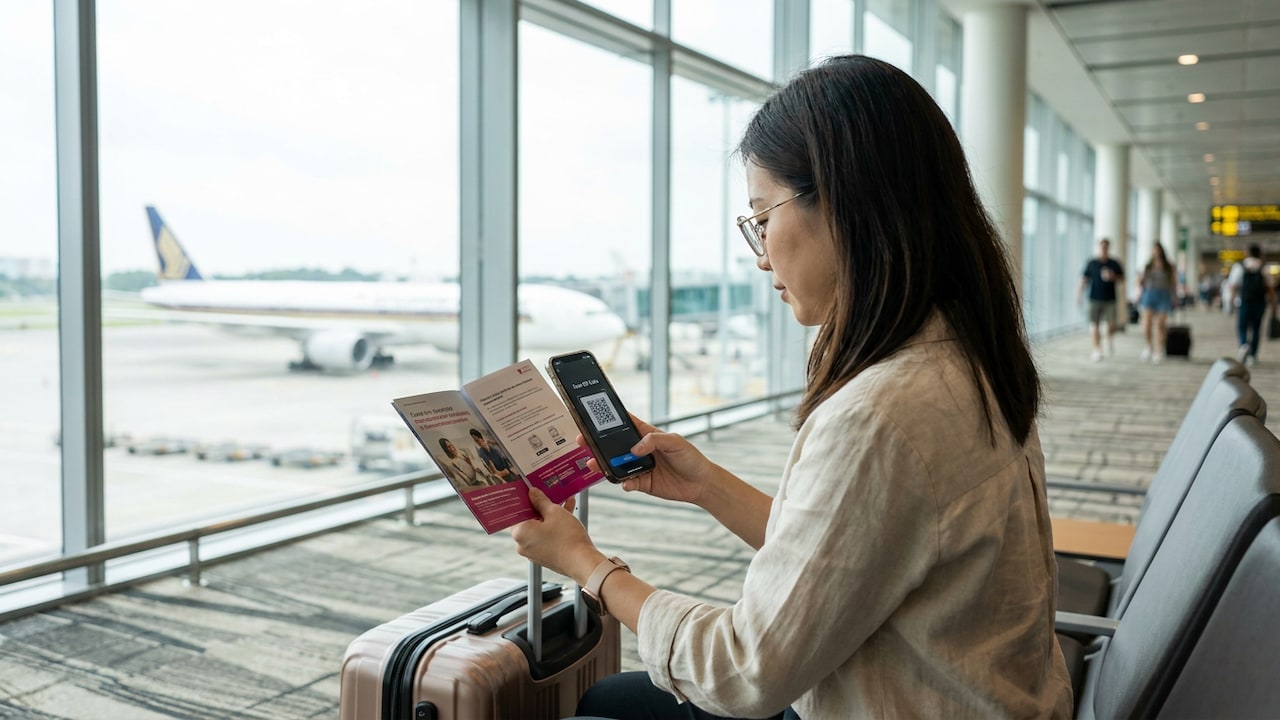
eSIMs offer convenience, flexibility and wide coverage for frequent international travellers
For modern travellers, staying connected abroad is almost as important as carrying a passport. Whether it is navigating unfamiliar streets, booking transport, accessing travel documents or keeping in touch with family and friends, reliable mobile data plays a key role throughout a journey. Traditionally, travellers relied on international roaming plans or physical SIM cards purchased at their destination. Today, however, eSIMs are gaining attention as an alternative way to access mobile connectivity overseas. Their convenience and flexibility have made them an increasingly popular option among frequent travellers across the world.
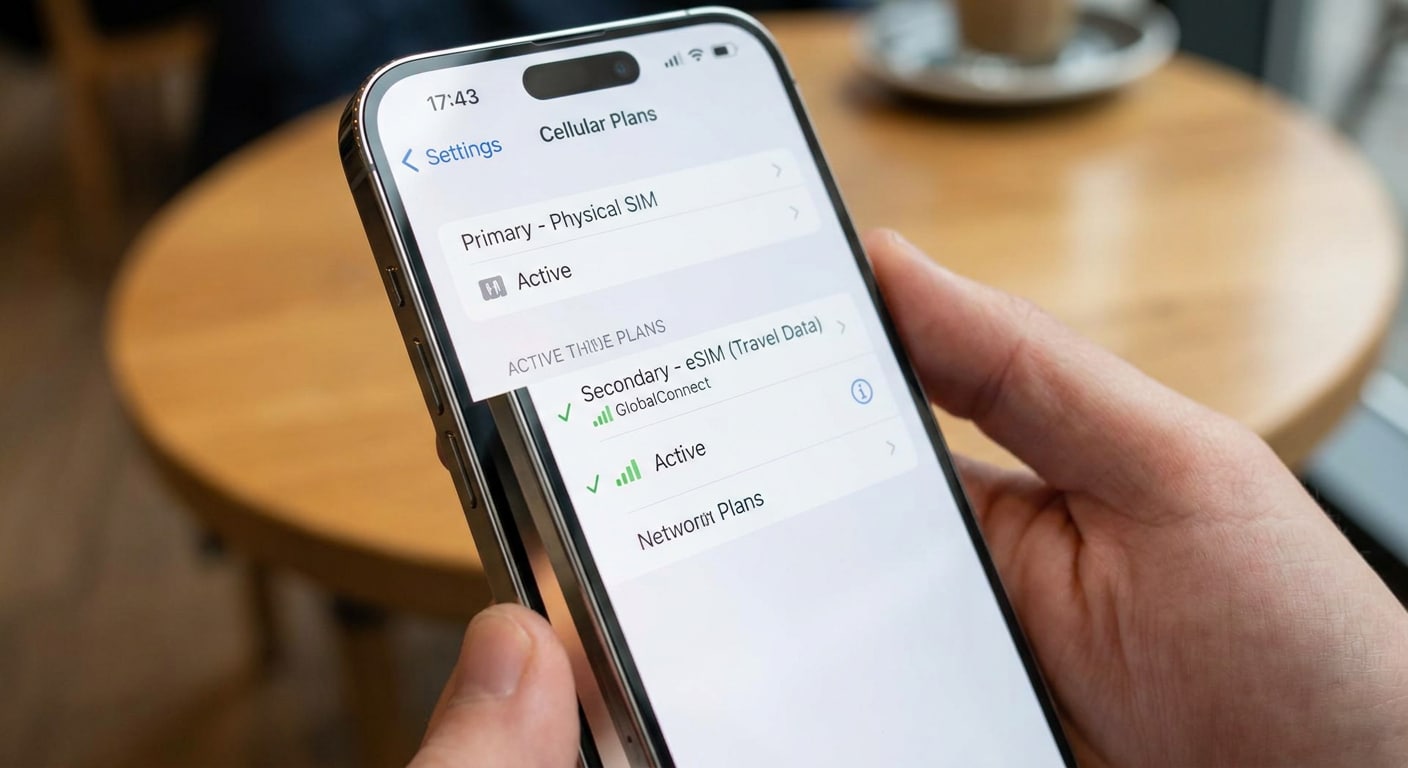
As travel becomes increasingly digital, many travellers prefer connectivity solutions that can be managed directly from their smartphones.
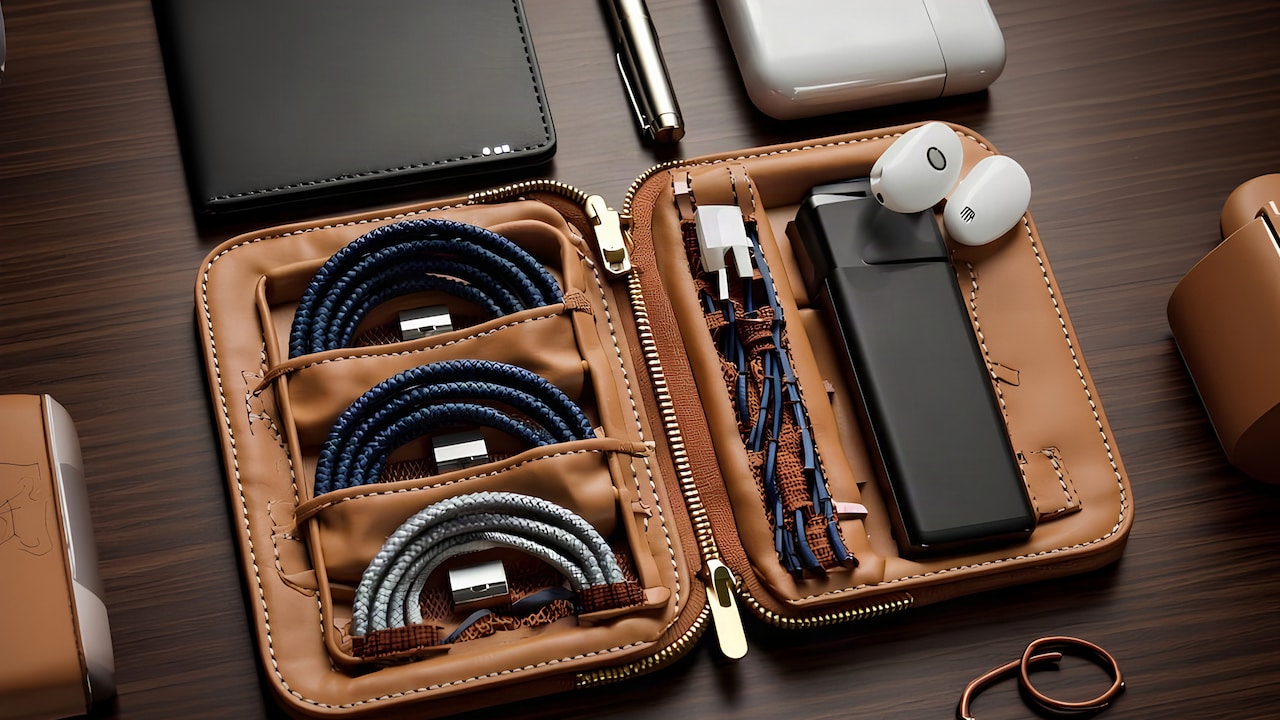
Photo Credit: Ai-Generated
As travel becomes more digital, travellers are looking for ways to simplify every stage of the journey. From online check-ins and digital boarding passes to mobile hotel keys, technology continues to reshape the travel experience. Mobile connectivity is no exception. eSIMs allow users to activate compatible data plans digitally, often before leaving home. While they may not replace every other connectivity option, they have become a practical choice for many travellers. Understanding why eSIM adoption is growing can help readers decide whether this technology deserves a place in their own travel plans.
Also Read: Choose Power Banks For Travel Without Stress With Smart Buying Tips
1. No More Physical SIM Card Swaps
One of the biggest reasons travellers are exploring eSIMs is the convenience they offer. Traditional travel connectivity often involves removing a physical SIM card, storing it safely and inserting another one after arrival. While this process is familiar, it can be inconvenient, particularly for travellers who move frequently between destinations. eSIMs eliminate the need for physical swaps by allowing users to activate a mobile plan digitally on a compatible device. This means less time spent dealing with SIM trays and fewer concerns about losing a primary SIM card during a trip. For many travellers, reducing these small travel hassles can make the overall journey feel smoother and more organised.
2. Easier Connectivity Across Multiple Countries
Frequent travellers often visit more than one destination during the same trip. Whether it is a European itinerary covering several countries or a business journey spanning multiple cities, managing connectivity across borders can be challenging. eSIMs are increasingly being considered because some plans are designed to provide coverage across multiple destinations. This eliminates the need to purchase separate SIM cards or search for local mobile providers each time a traveller crosses a border. The ability to maintain connectivity without interruption can be particularly valuable for travellers who depend on digital maps, email communication and travel apps throughout their trip.
3. Faster Setup Before Departure
Many travellers prefer to organise essential travel arrangements before leaving home. Accommodation, transport and travel insurance are often sorted well in advance, and connectivity is increasingly joining that list. With an eSIM, travellers can typically install a plan before departure, reducing the number of tasks that need attention after landing. This can be especially helpful after a long flight when travellers would rather focus on reaching their hotel or beginning their itinerary. Having mobile data ready to use upon arrival can provide peace of mind and help travellers adapt quickly to a new environment without unnecessary delays.
4. Providing An Alternative To Traditional Roaming
International roaming remains a popular and convenient option, but it is no longer the only way travellers can access mobile data while overseas. Depending on travel habits, destination and data requirements, travellers may compare roaming packages, local SIM cards, portable Wi-Fi devices and eSIMs before making a choice. eSIMs have become part of this broader travel connectivity landscape by offering another alternative for those seeking flexibility. Rather than replacing existing solutions entirely, they give travellers one more option to consider. The growing interest in eSIMs reflects a broader trend towards greater choice and customisation in travel planning.
5. Managing Connectivity Digitally
Travel has become increasingly app-driven, and mobile connectivity is following the same trend. Many eSIM services allow travellers to purchase plans, monitor data consumption and manage top-ups through a mobile application or website. For travellers who already use smartphones to organise flights, accommodation, transport and travel expenses, this approach can feel intuitive. The digital nature of eSIM management also reduces reliance on physical stores and manual setup processes. As travellers become more comfortable handling travel arrangements online, the ability to manage connectivity digitally is emerging as another reason why eSIM adoption continues to grow.
Also Read: Why Calvin Klein Trolley Bags Are The Ideal Choice For Modern Travellers Seeking Reliability
Practical Tips Before Setting Up An eSIM
Travellers considering an eSIM should take a few simple steps before making a purchase. Taking these precautions can help ensure a smoother connectivity experience from the moment your journey begins.
- Check device compatibility: Ensure your smartphone supports eSIM technology before purchasing a plan.
- Confirm your phone is unlocked: Carrier-locked devices may not work with certain eSIM providers.
- Install before departure: Complete the eSIM installation while connected to a reliable Wi-Fi network at home to minimise setup issues.
- Save activation details: Keep a copy of activation instructions, QR codes and confirmation emails in case you need them later.
- Keep your primary SIM active: Many travellers use their regular SIM for calls, messages and banking verification codes while using an eSIM for mobile data.
- Monitor data usage: If your plan includes a data limit, regularly check your consumption to avoid running out of data during your trip.
A Travel Connectivity Option Worth Considering
For travellers looking for a convenient way to stay connected abroad, Airalo offers digital eSIM plans across more than 200 destinations worldwide. With local, regional and global options available through its website and app, travellers can purchase and activate data plans before departure, making it easier to stay connected whether they're taking a short city break, a business trip or a multi-country holiday.

For multi-country holidays, managing connectivity across borders can be just as important as planning flights and accommodation.
Photo Credit: Airalo
In Conclusion
As travel becomes increasingly connected, many travellers are rethinking how they access mobile data overseas. eSIMs have gained popularity for their convenience, flexibility and ability to be set up before a trip begins. While the right connectivity solution will depend on individual travel needs, destination and budget, understanding the available options can help travellers make more informed decisions. For those looking to simplify the process, providers such as Airalo offer digital eSIM plans across more than 200 destinations, making it easier to stay connected whether travelling for business, leisure or a multi-country adventure. Visit Airalo now.
Frequently Asked Questions (FAQs)
Q1. What is an eSIM and how does it work?
An eSIM is a digital SIM embedded within a compatible device. Instead of inserting a physical card, users can download and activate a mobile plan digitally through supported settings or an app.
Q2. Can I use both a physical SIM and an eSIM at the same time?
Many modern smartphones support dual SIM functionality, allowing a physical SIM and an eSIM to operate together. This lets travellers keep their regular number active while using travel data through an eSIM.
Q3. Do I need internet access to install an eSIM?
Yes, a stable internet or Wi-Fi connection is usually required during installation and activation. This is why many travellers complete the setup process before leaving for their destination.
Q4. Are eSIMs suitable for multi-country trips?
They can be, depending on the plan selected. Some eSIM providers offer regional plans that cover multiple destinations, making them convenient for travellers visiting several countries on the same trip.
Q5. How can I check if my phone supports eSIM technology?
Most manufacturers list eSIM compatibility on their official websites and device specifications. You can also check your phone's mobile network settings to see whether eSIM functionality is available.
(Disclaimer: This article may include references to or features of products and services made available through affiliate marketing campaigns. NDTV Convergence Limited (“NDTV”) strives to maintain editorial independence while participating in such campaigns. NDTV does not assume responsibility for the performance or claims of any featured products or services.)