10 Reasons Nail Paint Chips Within A Day Even After Two Coats
Nail paint chipping within hours isn’t always about polish quality. From oily nail beds to thick coats and rushed drying, small manicure mistakes can shorten wear. Here are 10 common reasons your colour refuses to stay put.
10 Reasons Nail Paint Chips Within A Day Even After Two Coats
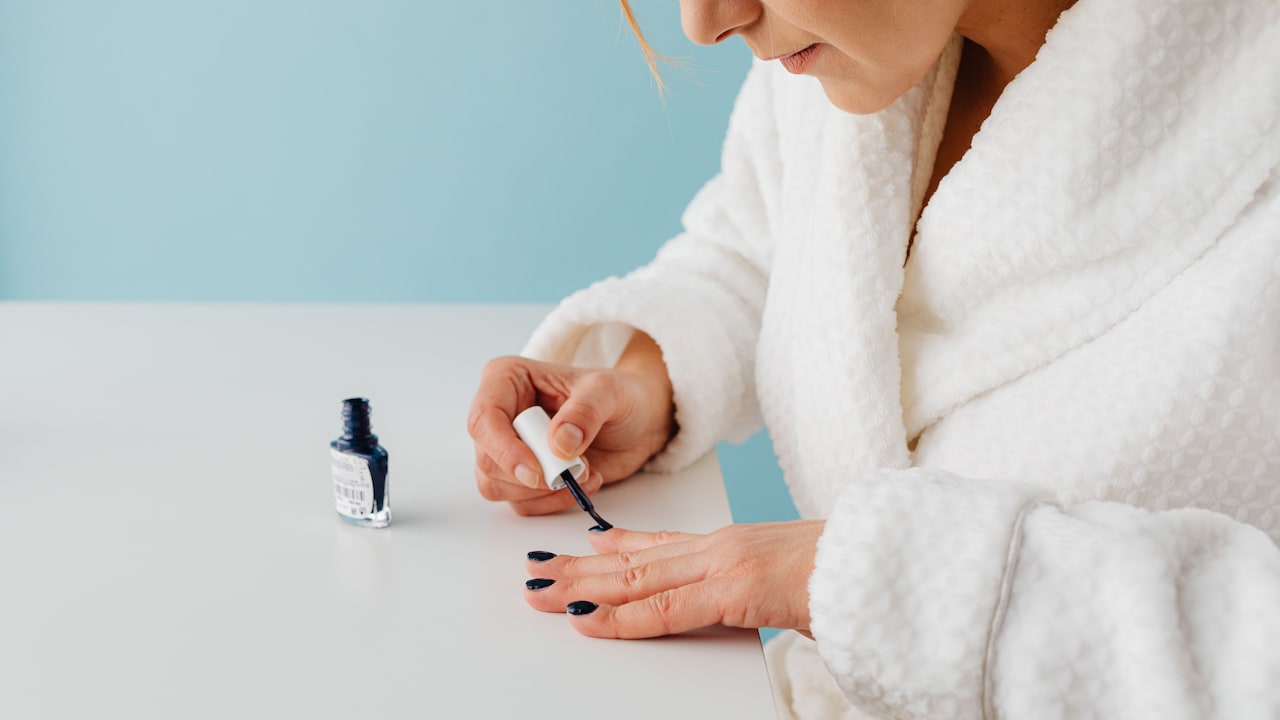
There's something particularly annoying about spending time on a neat manicure, waiting patiently for two coats to dry, and then spotting the first chip before the day is over. Sometimes it happens while opening a container. Sometimes washing your hair does the damage. And occasionally, a tiny piece of colour disappears from the tip without any obvious reason at all. Two coats may sound like enough protection, but nail paint longevity depends on much more than the number of layers. Nail preparation, application technique, drying time and everyday habits all influence how firmly polish stays attached. The problem can become even more noticeable when hands regularly come into contact with water, soap, hand sanitiser, cleaning products or heat. Even the natural oils on the nail plate can quietly interfere with adhesion. So, before blaming the bottle sitting on the dressing table, it helps to look at the entire manicure routine. A few seemingly harmless shortcuts can turn a manicure that should last several days into one that barely survives breakfast.
10 Reasons Nail Paint Chips Within A Day Even After Two Coats; Photo Credit: Pexels
Why Two Coats Still Don't Guarantee A Chip-Free Manicure
1. Your Nails Still Have Oil Or Moisture On Them
Freshly washed nails might seem like the perfect starting point for a manicure. Surprisingly, they can work against you. Natural oils, moisturiser residue and lingering moisture can create a slippery surface between the nail plate and the polish.
Think of nail paint like a sticker. A sticker holds better on a clean, dry surface than on one coated with lotion. Nail colour works on a similar principle. If you apply hand cream, cuticle oil or a rich moisturiser shortly before painting your nails, the polish may struggle to grip properly.
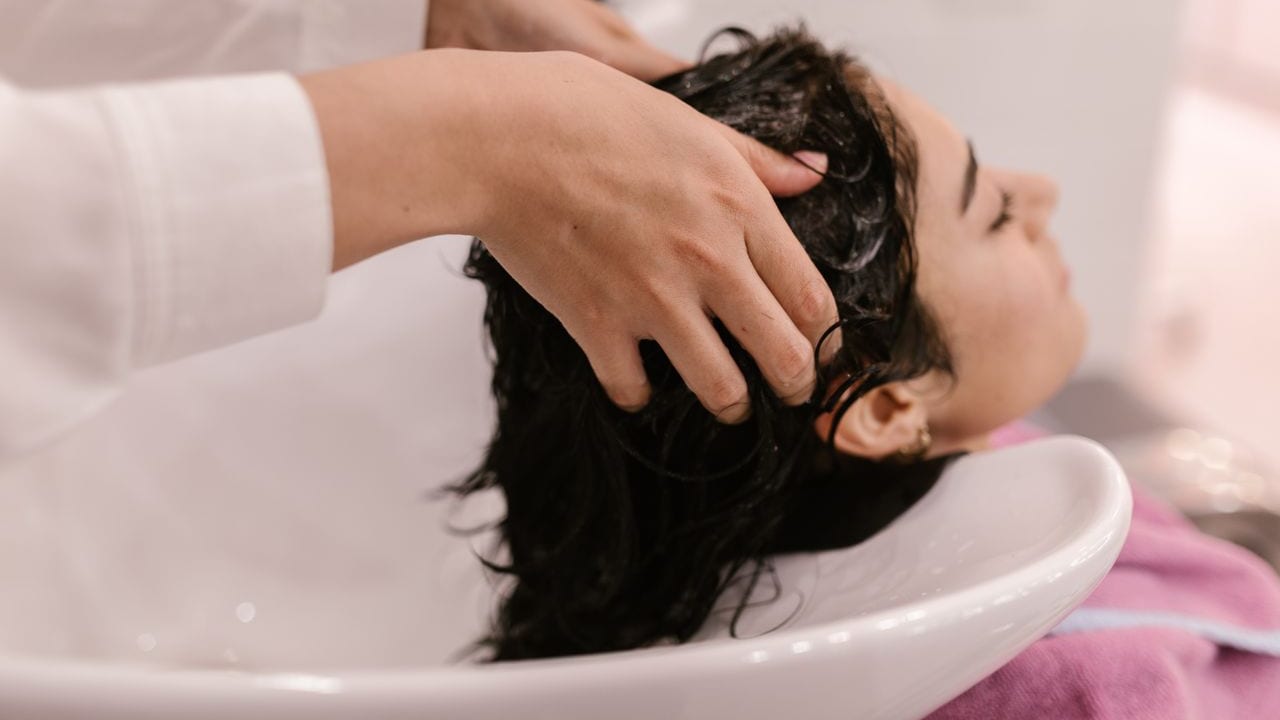
Water can cause another problem. Nails absorb some water and temporarily expand. As they dry, they contract again. Polish applied during that expanded state may become more vulnerable to lifting and chipping afterwards.
Before painting, give your nails enough time to dry completely after bathing or washing dishes. Remove oily residue from the nail plate with a suitable nail cleanser or remover. Save cuticle oil and hand cream for after the manicure has dried thoroughly. That small change can give those two coats a much better foundation.
Also Read: The Best Nail Paint Colours For All Skin Tones: Timeless Picks
2. You Skip The Base Coat
When time feels short, base coat often becomes the first step to disappear from the routine. Colour looks more important, after all. But applying nail paint directly to bare nails can reduce how well the manicure holds.
A good base coat creates a bonding layer between the natural nail and coloured polish. It can also smooth minor ridges and uneven areas, giving the colour a more consistent surface to sit on. Without that foundation, polish may lift more easily, particularly around the tips and sides.
Base coat becomes especially useful when nails have an uneven texture or tend to peel. It can also help reduce staining from strongly pigmented shades such as deep reds, blues, greens and purples.
The key lies in keeping the layer thin. A thick base coat simply adds more material that needs to dry and can make the manicure feel bulky.
Allow the base to settle before adding colour. You don't necessarily need a long waiting session, but immediately piling wet polish over wet base coat can leave the entire manicure soft underneath. A little patience here can prevent a lot of chipped edges later.
3. Your Two Coats Are Too Thick
Two coats can sound perfectly reasonable until each coat contains enough polish to qualify as three.
Thick application ranks among the most common reasons manicures chip, dent or peel quickly. A heavy layer may appear dry on the surface while remaining soft underneath. That creates the frustrating situation where your nails seem ready for normal life, only to collect bedsheet marks, dents or missing chunks hours later.
Thick polish also struggles to flex naturally with the nail. Everyday movements put pressure on the hardened colour, especially near the free edge. Instead of bending slightly, the bulky layer may crack or break away.
Aim for thin, controlled coats. Wipe excess polish from one side of the brush against the bottle neck before applying colour. The first coat doesn't need perfect opacity. A slightly streaky first layer often works better than trying to achieve full coverage immediately.
Let it settle before applying the second coat. Two genuinely thin layers usually create a smoother, more durable finish than two thick ones. With some sheer shades, a third thin coat can even perform better than forcing opacity through heavy application.

10 Reasons Nail Paint Chips Within A Day Even After Two Coats; Photo Credit: Pexels
4. You Don't Give Each Layer Enough Drying Time
Painting nails often happens in the tiny gap between everything else. There's dinner to prepare, a message to answer, a parcel arriving at the door or a bedsheet waiting to leave its signature on freshly painted nails.
Rushing between coats can leave polish vulnerable even when the surface feels dry.
Each layer needs time for solvents to evaporate. When you apply another coat too quickly, you can trap solvents underneath. The manicure may then remain soft for much longer than expected. A minor knock can shift the layers, while pressure on the nail can encourage cracking or peeling.
Try leaving a few minutes between thin coats rather than applying them one after another. After the final layer, avoid activities that involve pressure, friction or prolonged water exposure for a while.
Also remember that “touch dry” and fully hardened aren't the same thing. A nail can feel dry when lightly tapped but still remain soft underneath.
If you regularly wake up with fabric imprints on your manicure, drying time may be the real culprit. Two coats can't provide durability when neither layer has had enough time to set properly.
5. You Forget To Seal The Nail Tips
Look closely at where your manicure usually chips first. If the damage consistently starts along the very edge of the nail, your application technique may need one extra move.
The free edge takes plenty of punishment. Typing, opening drawers, searching through handbags, fastening jewellery and handling kitchen containers all create repeated friction around the tips. Even small daily movements can gradually wear polish away.
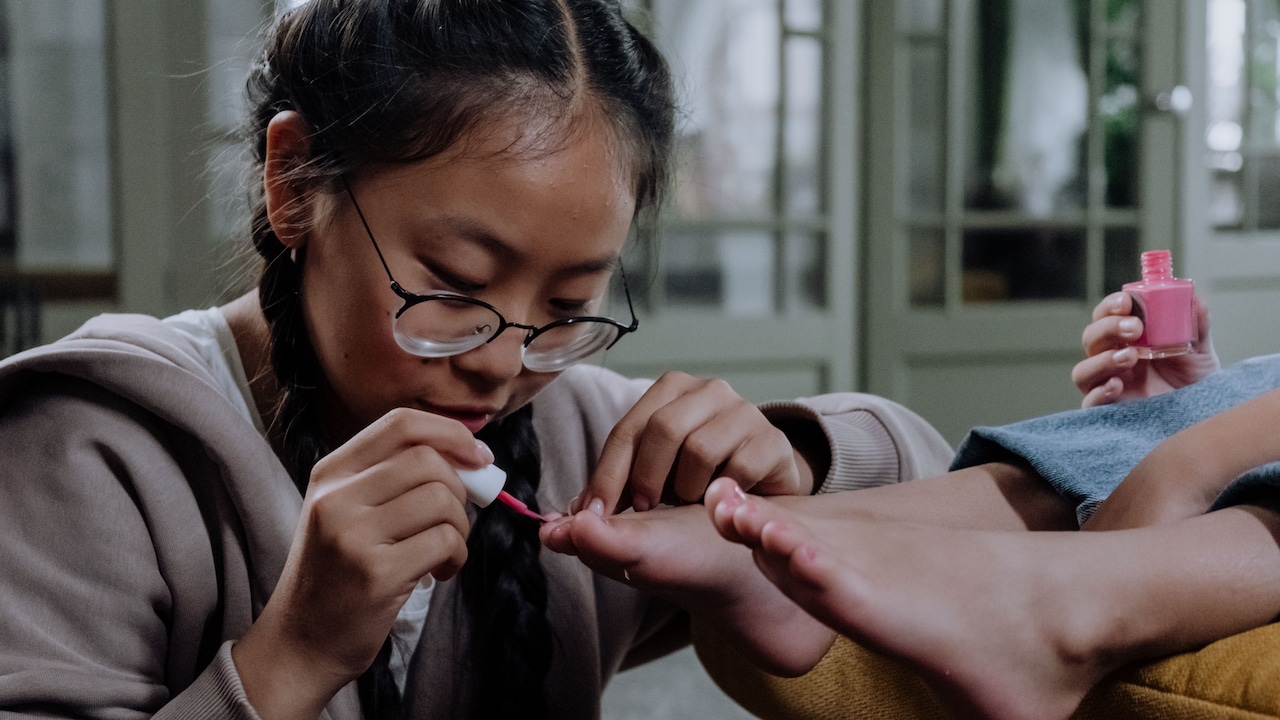
Sealing, or “capping”, the free edge can help. After painting the nail surface, lightly sweep the brush across the exposed tip. Do this with the colour and again with the top coat.
Keep the application extremely thin. A thick ridge of polish along the tip can create the opposite effect and make chipping easier.
Short nails benefit from this technique too. You don't need long extensions or a visible free edge to protect the tip.
This tiny step takes only seconds, yet it targets the part of the manicure that usually faces the most wear. When nail colour repeatedly disappears from the tips before anywhere else, sealing the edge deserves a place in your routine.
6. Polish Has Flooded Your Cuticles And Sidewalls
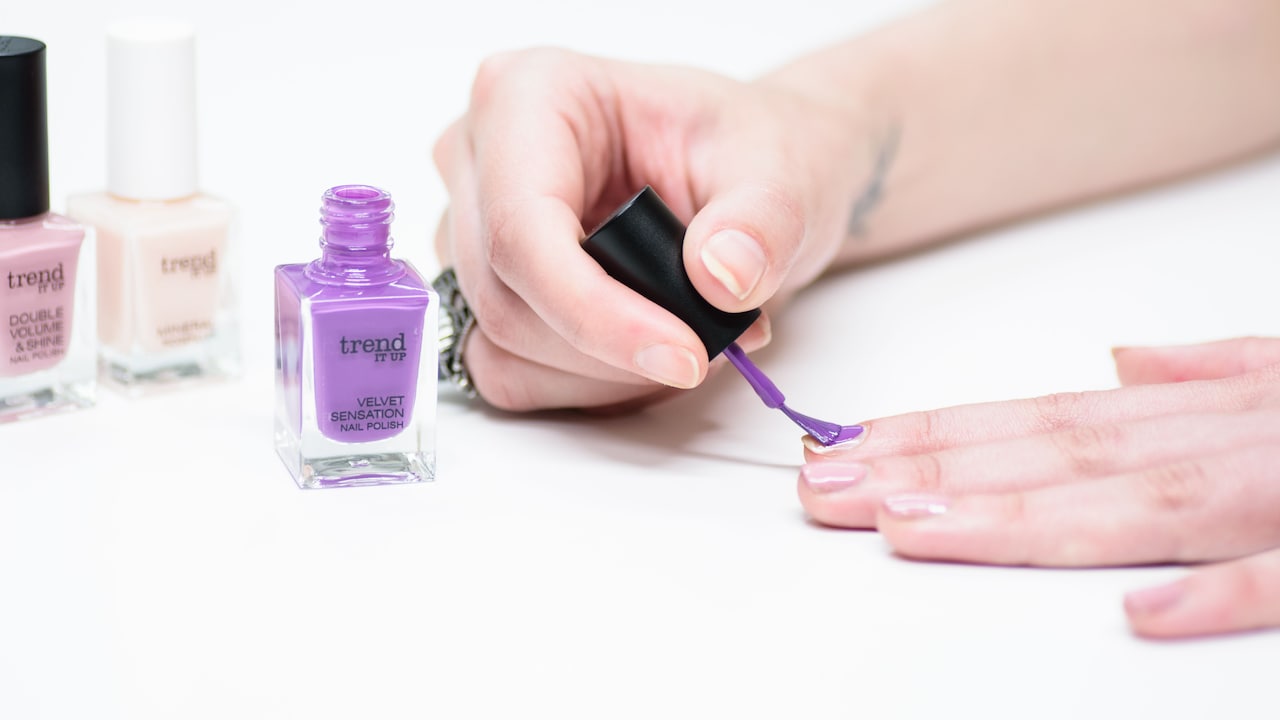
Getting colour as close to the cuticle as possible can make a manicure look neat and professional. Getting it onto the skin, however, creates a weak point.
When polish overlaps the cuticle or sidewalls, part of the dried layer sits on flexible skin rather than the firm nail plate. As the skin moves, that polish starts lifting. Once an edge separates, the lifting can travel onto the nail itself. Before long, a small loose section becomes a noticeable chip or peel.
Leave a tiny gap between the colour and the cuticle. The manicure can still look polished without touching the skin.
If you accidentally flood the edges, clean them before the polish dries. A small clean-up brush with a little remover can help sharpen the outline.
This also explains why hurried application often produces shorter wear. Speed makes it easier to overload the brush and flood the sides.
Neat borders aren't purely about appearance. They help keep every layer attached to the surface it was designed for. That clean little margin around the nail can quietly extend the life of your manicure.
10 Reasons Nail Paint Chips Within A Day Even After Two Coats; Photo Credit: Pexels
7. Your Top Coat Isn't Protecting The Colour Properly
Two coats of colour provide pigment, not necessarily enough protection for everyday wear. Without a suitable top coat, the surface faces friction, water and minor knocks directly.
Top coat creates a protective finish over the colour. It can add shine or a matte effect depending on the formula, but its practical job matters just as much. It helps shield the pigment underneath and reinforces vulnerable edges.
Application still needs restraint. A thick blob of top coat won't automatically create a stronger manicure. Too much product can prolong drying time and leave the layers soft.
Apply an even coat across the entire nail and lightly seal the free edge. Make sure the top coat covers the coloured polish rather than stopping short of it.
If your manicure starts looking worn after a couple of days, a thin refresh coat may help extend its appearance. However, repeatedly piling fresh top coat over cracked or lifting polish won't repair poor adhesion underneath.
Think of top coat as a raincoat rather than glue. It protects a manicure that already has a solid foundation; it can't completely rescue one that never bonded properly.
8. Your Nail Paint Has Become Thick Or Gloopy
That favourite bottle may still have plenty of product inside, but its texture can change long before it runs out.
As nail paint ages and solvents gradually evaporate, the formula can become thicker. You may notice stringy polish between the brush and bottle, uneven application or colour that refuses to spread smoothly. It can also encourage you to apply heavier coats just to achieve an even finish.
Those thick layers take longer to harden and may chip more easily.
Rolling the closed bottle gently between your palms can help redistribute the formula before application. Vigorous shaking can introduce bubbles, which may affect the finish.
If the polish has become unusually thick, use a nail-polish thinner designed for the purpose rather than improvising with remover. Remover changes the formula differently and may affect performance.
Storage matters too. Keep bottles tightly closed and away from excessive heat and direct sunlight.
Sometimes the problem genuinely does sit inside the bottle. If a once-smooth polish suddenly behaves like sticky syrup, two coats won't magically restore its former performance. Texture can tell you when a formula needs attention.
9. Your Hands Meet Too Much Water And Detergent Soon Afterwards
A fresh manicure and a sink full of dishes make terrible companions.
Frequent or prolonged water exposure can contribute to premature chipping because natural nails absorb water and change slightly in shape. Repeated expansion and contraction can put stress on the polish sitting above them.
Add detergent, household cleaners and scrubbing to the situation, and the manicure faces even more friction. Hot water can make matters worse when polish hasn't completely hardened.
Try to avoid lengthy water exposure soon after painting your nails. When tackling dishes or cleaning later, household gloves can reduce direct contact with water and cleaning products.
Bathing, washing hair and hand-washing obviously can't disappear from daily life, nor should they. The aim isn't to keep your hands permanently dry. It's to avoid unnecessary soaking, particularly during the early hours of a manicure.
Timing can help. Painting nails after finishing chores often makes more sense than doing them just before cleaning the kitchen.
Sometimes better nail-paint wear has less to do with another beauty product and more to do with moving manicure time to a quieter part of the day.
10. You're Using Your Nails As Everyday Tools
Nails have a remarkable habit of becoming emergency equipment. A nail opens a fizzy drink tab, scratches a stubborn sticker, prises apart packaging, pushes a tight button or tries to find the edge of sticky tape. The manicure keeps the receipts.
Every time the tip bends or scrapes against a hard surface, the polish experiences pressure. Repeated small impacts can create tiny cracks around the free edge. Eventually, a visible piece chips away.
This becomes particularly noticeable if your natural nails bend easily. Polish dries into a relatively rigid film, while the nail underneath may flex during everyday tasks. That difference in movement can encourage cracking.
Try using the pads of your fingers or an actual tool when opening, scraping or lifting something. Keep nail length manageable if longer nails constantly hit keyboards, cupboard doors or other surfaces.
This doesn't mean treating freshly painted nails like museum exhibits. A manicure should survive normal life. But reducing unnecessary mechanical stress gives it a much better chance.
If chips repeatedly appear in the same places, pay attention to what those fingers do throughout the day. Your routine may reveal the culprit faster than the polish bottle does.
Products Related To This Article
1. shills professional Silk 9D Cat Eye Gel Nail Polish
2. Coloressence Set Of 6 Coffee Coats Quick Nail Color Collection
3. SUGAR POP Quick Drying Ultra Long-wear Glossy Finish Nail Lacquer 10 ml
4. Blue Heaven Color Shine Nail Polish 5 ml
5. Mine Beauty Luxe Nail Lacquer
6. ELLE 18 Nail Pops Long Lasting Nail Polish Quick Dry Formula For Glossy Finish 5ml
7. H&M Glossy Quick Dry Nail Polish - 9 ml
Two coats of nail paint can still chip within a day when the layers underneath don't have the right foundation. Oily nail plates, thick application, rushed drying, exposed tips and constant water contact can all shorten wear.
The good news is that longer-lasting colour doesn't necessarily require a complicated salon-style routine. Clean and dry the nails properly, keep each layer thin, protect the free edges and give the manicure enough time to harden. Add a little care during everyday chores, and those two coats stand a far better chance of lasting beyond day one.
(Disclaimer: This article may include references to or features of products and services made available through affiliate marketing campaigns. NDTV Convergence Limited (“NDTV”) strives to maintain editorial independence while participating in such campaigns. NDTV does not assume responsibility for the performance or claims of any featured products or services.)