Why Does My Trimmer Pull Hair Instead Of Cutting It Cleanly
Ever experienced that awful tugging feeling while grooming? Let's dive into exactly why your trimmer is pulling hair instead of slicing it cleanly and fixing it.

Why Does My Trimmer Pull Hair Instead Of Cutting It Cleanly
Few things ruin a morning routine quite like a trimmer that decides to yank out your facial hair instead of cutting it. What should be a quick, mindless two-minute cleanup suddenly turns into a painful test of patience, leaving you with red bumps, watering eyes, and a patchy beard. Whether you are trying to clean up your stubble, tame your chest hair, or fade your sideburns, a snagging blade makes the whole process miserable. Here is the good news: a trimmer that pulls your hair isn't necessarily ready for the trash can. More often than not, it simply requires basic maintenance or a quick adjustment to your technique. From blunt edges and trapped gunk to a fading battery, let's break down exactly what causes this grooming routine and how you can get your tool back to running smoothly.

Discover the simple reasons your trimmer pulls hair and how to fix it for good; Photo Credit: iStock
The Real Reason Your Trimmer Is Pulling Your Hair
To fix the issue, it helps to understand how these daily grooming tools actually work. Your trimmer relies on two rows of ultra-sharp metal teeth moving back and forth across each other at incredibly high speeds to slice through hair instantly.
When everything is aligned and moving fast, the cut is seamless. But the second something disrupts that speed or alignment, the hair stops getting sliced; it gets caught between the moving parts. Instead of a clean cut, the machine essentially clamps down on the hair strand and yanks it forward. This drop in efficiency can happen slowly over months of neglect or hit you all at once because of a dead battery or a major clog.
Also Read: Top 5 Skincare And Grooming Essentials To Refresh Your Routine This Season
5 Simple Steps to Stop Your Hair Pulling From Trimmer
Before you give up and buy a brand-new device, try working through these troubleshooting steps. Usually, one of these quick fixes will solve the problem entirely.
1. Check if the Blades Are Simply Worn Out
Just like kitchen knives or manual razors, trimmer blades don't stay sharp forever. Over months of chopping through coarse hair, the cutting edges naturally round out and become blunt. When they lose their edge, they push the hair aside or trap it rather than cutting it on contact, leading to that dreaded pulling sensation.
2. Deep Clean the Blade Assembly
Every time you trim, tiny whisker dust, dead skin flakes, and natural body oils get packed into the microscopic gaps between the blades. Over time, this mixture turns into a thick sludge that physically slows down the cutting mechanism. Pop the head off your device and use a small brush to clear out all the hidden debris hiding inside.
3. Give It a Few Drops of Oil
Metal rubbing against metal creates massive amounts of friction and heat. Without proper lubrication, the motor has to work twice as diligently to slide the blades back and forth, slowing down the cutting cycles significantly. Applying just two or three drops of specialised blade oil keeps the action fluid, cool, and snag-free.
4. Charge the Battery Fully
Avoid attempting a trim when your device is nearly out of power. When a rechargeable battery drops into the red zone, the motor loses its punch, causing the blades to oscillate much slower. When slow blades meet thick, dense hair, they jam up instantly and pull on the root instead of slicing through the shaft.
5. Slow Down and Trim in Layers
If you are trying to plough through a thick, overgrown beard at full speed, you are going to overwhelm the machine. Think of it like mowing overgrown grass. Take short, controlled strokes, use a longer guard to take the bulk down first, and clear out the accumulated hair from the guard frequently during the process.
Few Signs Your Grooming Tool Needs Some Love
Your trimmer will almost always warn you before it completely stops working. You just have to know what to listen to and feel for during your routine.
1. The Repeating Pass Test:
If you have to scan the same patch of skin four or five times just to catch a few stray hairs, your blades are either severely clogged or completely dull. A healthy tool should leave a clean path in one or two passes.
2. Strange Noises and Heat:
Notice your device whining at a higher pitch, struggling to turn over, or getting uncomfortably hot against your face? That means the internal motor is straining against friction and trapped debris.
3. Rapid Power Drain:
If a battery that used to last for weeks now dies halfway through a single grooming session, the internal components are working under way too much resistance.
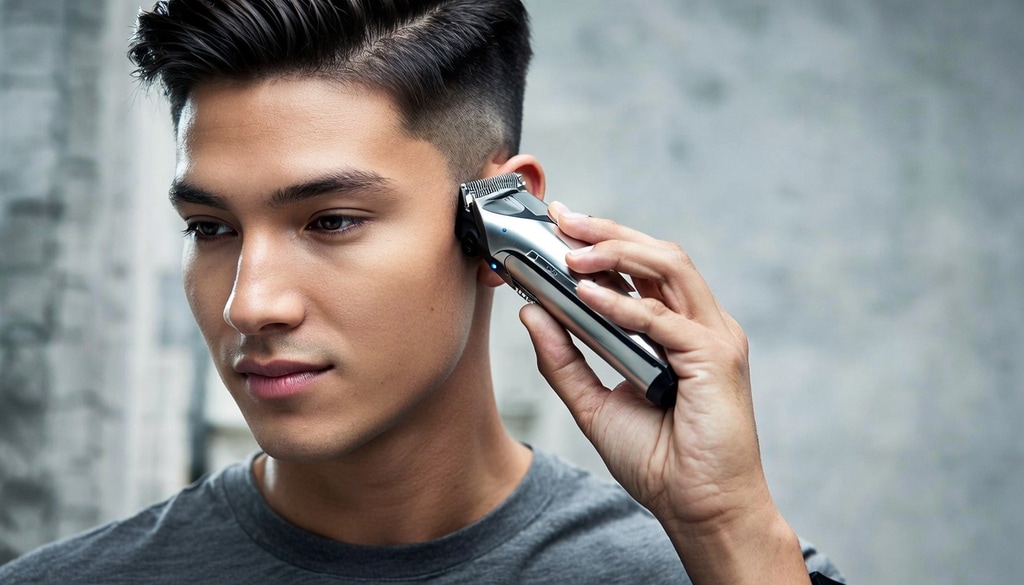
Get a smooth, pain-free shave by fixing the common issues that cause trimmer hair pulling; Photo Credit: iStock
Some Trimmer Options You May Like
1. Philips OneBlade Turbo2X Hybrid Trim
2. Bombay Shaving Company Beard Trimmer For Men
3. Beardo Ball Safe Pro Trimmer | Intimate Trimmer for Men
4. Havells Turbo 10 In 1 Grooming Kit
5. Hatteker Men's Hair & Beard Trimmer 6-in-1 Kit
6. VGR V-071 Professional Beard Trimmer for Men
7. Zlade Ballistic Neo All in One Trimmer for Men
8. MI Xiaomi Grooming Kit (Trimmer Kit) All-In-One Professional Styling Trimmer
Each model listed offers something special, be it fast charging, multi-tool kits, or precise detailing. Whether you're after a daily-use device or something more versatile, there's a trimmer here that fits your needs without stretching your budget. Good grooming starts with the right tool, and now, choosing one is easier than ever. Shop now on Amazon
Frequently Asked Questions (FAQs)
1. Why is my trimmer still pulling even after a thorough cleaning?
If it's completely clean but still yanking your hair, your blades are likely entirely dull or slightly bent out of alignment from a past drop. Alternatively, the internal battery might not be holding enough voltage to drive the trimmer motor at full speed.
2. How often do I actually need to swap out the blades?
It really depends on how thick your hair is and how often you use it. For the average person who trims their hair two to three times a week, replacing the blade set every 12 to 18 months is a good guideline to maintain a smooth feel.
3. Is blade oil really that important, or is it a gimmick?
It is absolutely vital. Oil acts as a protective barrier that reduces friction heat, stops rust from developing due to bathroom humidity, and keeps the metal teeth sliding smoothly without locking up.
4. Can a dying battery actually cause physical pain during a trim?
Yes, absolutely. When the battery charge drops, the cutting speed plummets. Instead of snipping the hair instantly as you move the device across your face, the slow-moving teeth grab onto the hairs and pull them along with the movement of your hand.
5. How do I know when it's time to throw the whole trimmer away?
If you have tried deep cleaning it, oiled the track, and kept it plugged into the wall, and it still lacks the power to cut through your hair without snagging, the internal motor or battery cell is likely dead. At that point, buying a replacement is the most practical move.
(Disclaimer: This article may include references to or features of products and services made available through affiliate marketing campaigns. NDTV Convergence Limited (“NDTV”) strives to maintain editorial independence while participating in such campaigns. NDTV does not assume responsibility for the performance or claims of any featured products or services.)