Why New Shoes Bite Your Heel And How To Prevent Blisters Before The First Outing
New shoes often cause heel blisters due to friction, stiffness, sweat or poor fit. Learn how to break them in, protect sore spots and prevent painful shoe bites before stepping out.
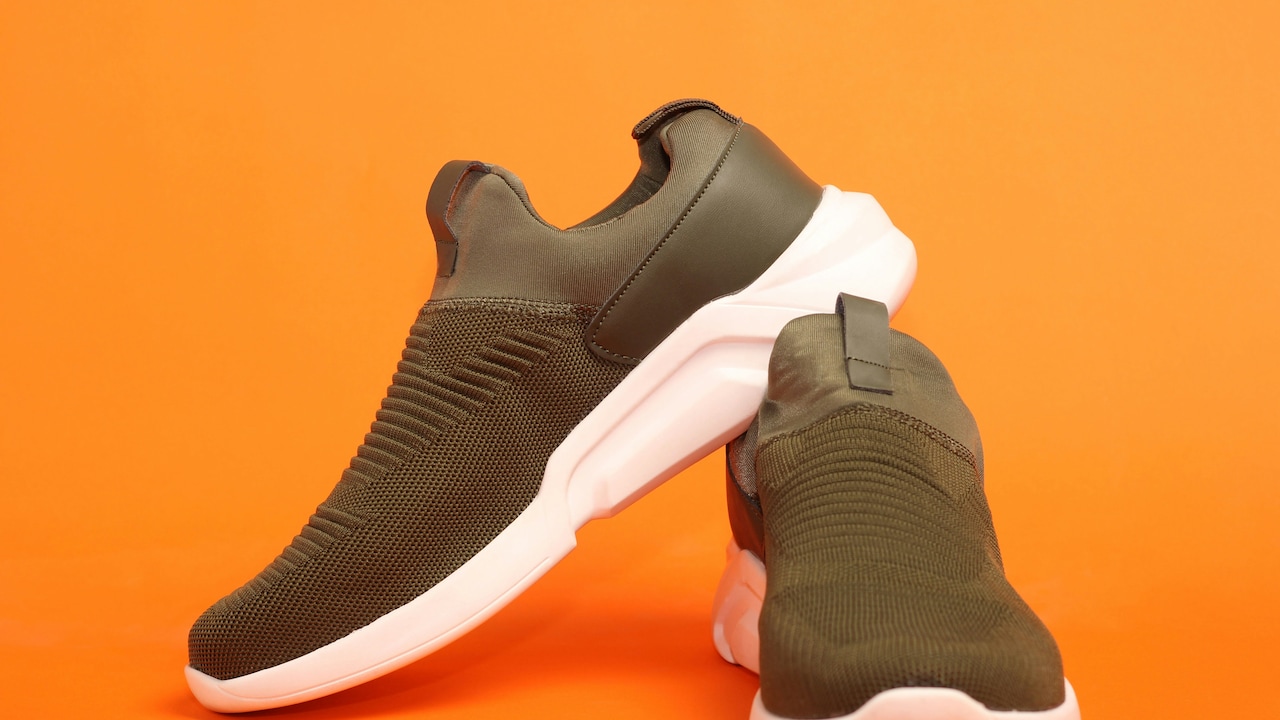
New Shoes Biting Your Heels? Simple Ways To Prevent Painful Blisters
Few small disappointments feel as personal as a new pair of shoes turning against their owner. The shoes looked perfect under the bright store lights. They felt comfortable during those brief steps beside the display rack. Perhaps they even survived a quick walk across the living room. Then came the first real outing: a wedding function, an office presentation, a festive dinner or an afternoon of shopping. Within an hour, the back of the heel began to sting. That familiar burning sensation marks the beginning of a shoe bite. Continued rubbing can lift the upper layer of skin and create a fluid-filled blister. Once that happens, every step becomes a negotiation. New shoes often need time to adjust to the shape, movement and warmth of the feet. However, painful blisters should never count as a compulsory breaking-in ritual. With the right fit, gentle preparation and a few simple precautions, new footwear can make its debut without leaving a painful souvenir.
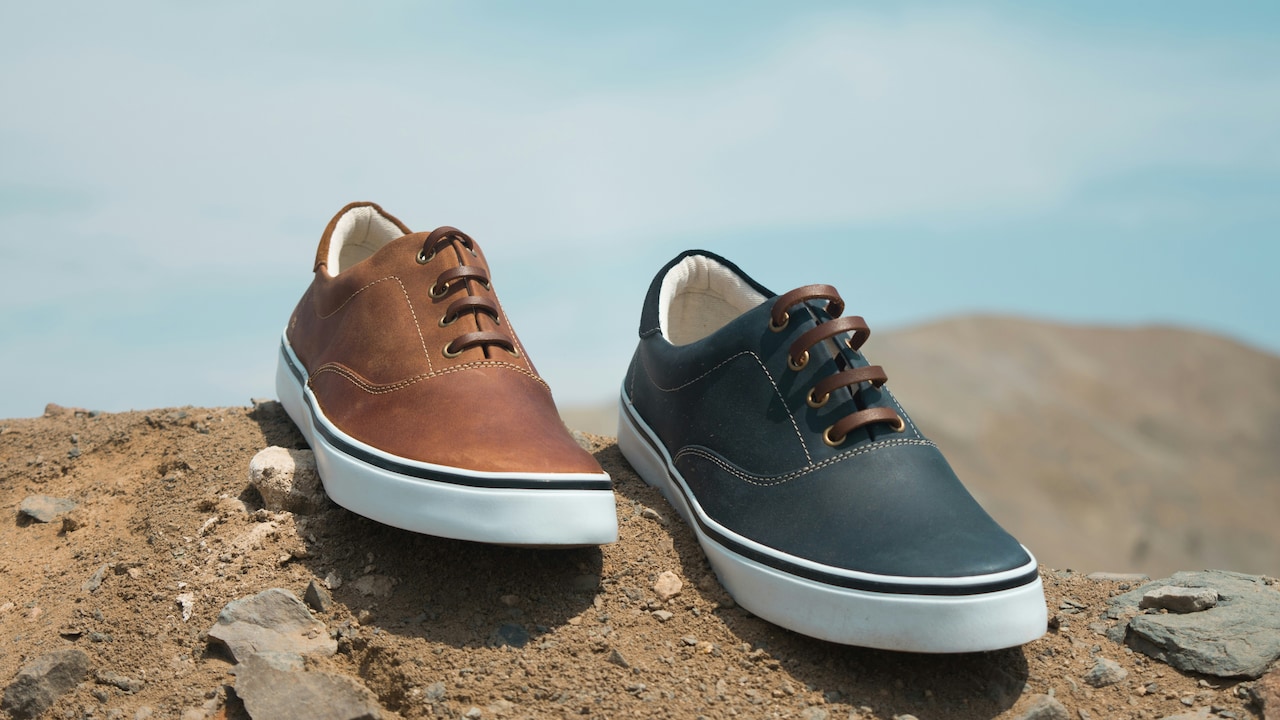
New Shoes Biting Your Heels? Simple Ways To Prevent Painful Blisters; Photo Credit: Pexels
Top 10 Ways To Stop New Shoes From Biting Your Heels
Understand Why Friction Causes Shoe Bites
A shoe bite begins with friction. As the foot moves, the heel rises and falls slightly inside the shoe. If the inner surface repeatedly rubs against the same patch of skin, the area becomes warm, tender and inflamed. Continued movement separates layers of skin, allowing fluid to collect between them. That small pocket forms a blister.
New footwear often creates more friction because the material has not yet softened. Leather may feel firm, synthetic lining can feel coarse and stiff heel counters may press against the back of the foot. Even a tiny seam can cause trouble during a long walk.
Heat and moisture make the situation worse. Sweaty skin softens quickly and becomes easier to damage. This explains why shoes that feel harmless in an air-conditioned shop may become uncomfortable during a humid commute.
The warning signs usually appear before the blister. Tingling, warmth, redness or a sharp rubbing sensation all deserve attention. Ignoring them rarely leads to a heroic ending. It usually leads to limping, searching for a chemist and regretting the decision to leave the comfortable sandals at home.
Also Read: Why Do New Shoes Always Give Me Blisters On The Same Spot
Choose The Correct Shoe Size
Many shoe bites begin before the purchase. A shoe that looks elegant but fits poorly will not become magically comfortable through determination.
Feet need enough room to move naturally, but the heel should not slide with every step. Shoes that feel too loose allow excessive movement, which increases rubbing. Shoes that feel too tight create pressure and squeeze the toes, sides and heel. Both extremes can cause blisters.
Foot size can also change over time. Weight fluctuations, pregnancy, ageing and long hours of standing can alter the width or shape of the feet. One foot may even measure slightly larger than the other. Choosing footwear according to the larger foot often gives a better result.
Try shoes later in the day, when feet have expanded slightly. Wear the same type of socks or stockings planned for regular use. Walk on a hard surface, take several turns and notice whether the heel slips.
Do not rely only on the printed size. A size six from one brand may fit like a five or seven elsewhere. Comfort matters more than the number inside the shoe.
Pay Attention To Heel Shape
Shoe size tells only part of the story. Heel shape matters just as much.
Some people have narrow heels that slip out of standard shoes. Others have broader or more prominent heel bones that press firmly against stiff backs. A shoe can fit well around the toes and still rub painfully at the rear because its structure does not match the wearer's foot shape.
Examine the heel counter, which forms the firm back section of the shoe. A very rigid counter may provide support, but it can also create pressure if it curves inwards too sharply. Decorative stitching, rough edges and hard seams can cause irritation within minutes.
Run a finger along the inside before buying. The lining should feel smooth, especially around the heel collar. Check whether any raised section sits directly against a sensitive area.
Different styles suit different heel shapes. A padded trainer may hold a narrow heel better than a stiff loafer. A slingback may suit someone who struggles with closed backs, provided the strap does not cut into the skin.
Fashion may catch the eye, but heel compatibility decides whether the shoes leave the wardrobe after their grand debut.
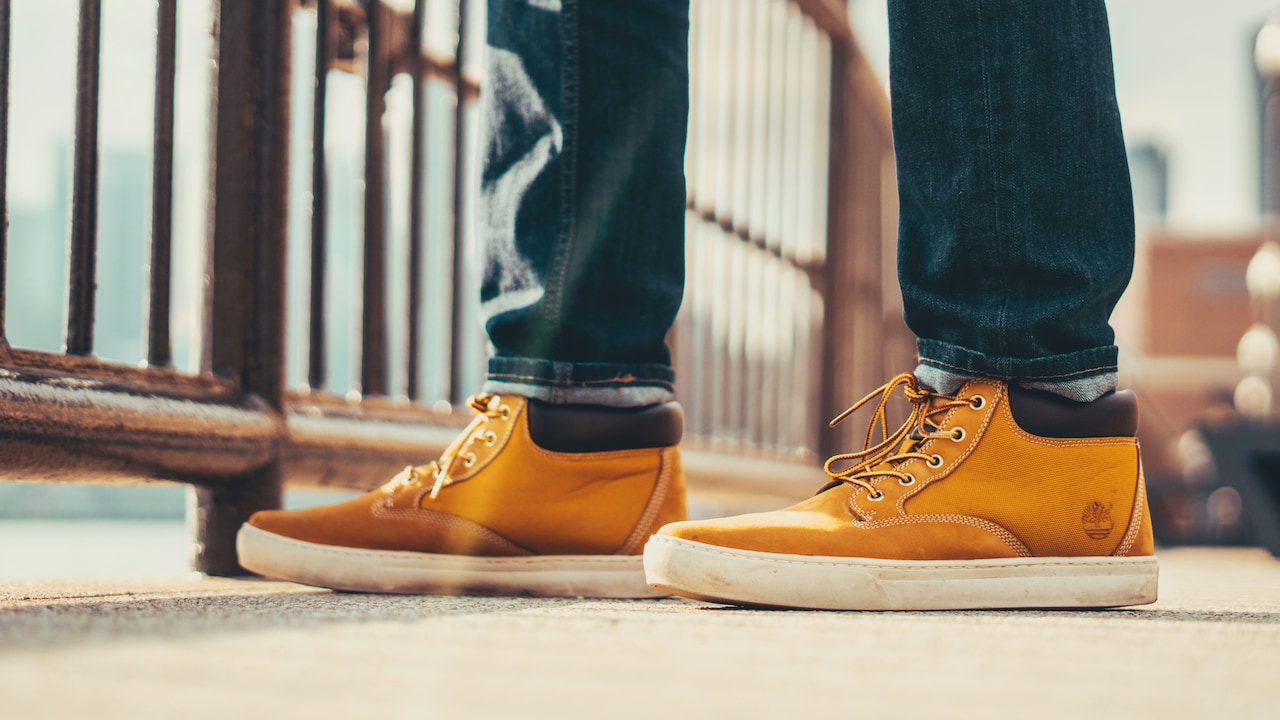
New Shoes Biting Your Heels? Simple Ways To Prevent Painful Blisters; Photo Credit: Pexels
Break Shoes In At Home
New shoes deserve a rehearsal before the main event.
Wear them at home for short periods, ideally for fifteen to thirty minutes at a time. Walk across different surfaces, climb a few stairs and notice where pressure develops. This controlled trial helps the material soften while revealing potential trouble spots.
Start with slightly thicker socks if the shoe allows them. The extra layer can gently stretch the material and protect the skin. Avoid forcing the process by wearing tight shoes for several hours. Pain does not speed up a healthy break-in period. It only damages the feet.
Leather shoes often respond well to gradual wear because body warmth helps the material mould to the foot. Synthetic footwear may offer less flexibility, so careful sizing becomes even more important.
A new pair planned for a wedding, interview or full day at work should never make its first appearance on that occasion. Even a beautiful pair bought for ₹3,000 can behave like a roadside bargain if it meets the heel for eight uninterrupted hours.
Several short home trials create familiarity. They also give enough time to return or exchange the shoes if discomfort refuses to settle.
Protect Hotspots Before They Hurt
Prevention works best before the skin becomes sore.
Most people know their usual problem areas. The back of the heel often suffers first, but the sides of the toes, the ball of the foot and the area beneath sandal straps can also develop blisters. Covering these hotspots before wearing new shoes reduces direct friction.
A small adhesive bandage can provide basic protection. Hydrocolloid blister plasters offer stronger cushioning and stay in place more reliably during long outings. Medical tape can also work well when applied smoothly without wrinkles.
Apply protection to clean, dry skin. A loose bandage may fold, slide or create more friction than the shoe itself. Carry a spare in a handbag, backpack or office drawer, especially during the first few wears.
Some people wait until the burning starts before reaching for a plaster. By then, the skin may already have suffered damage. Think of hotspot protection like carrying an umbrella during monsoon clouds. Waiting for the downpour defeats the purpose.
The extra preparation takes less than a minute. That minute can prevent an evening of walking like every corridor contains invisible Lego pieces.
Use Heel Grips And Cushioning
Heel grips can rescue shoes that fit well overall but slip slightly at the back.
These small adhesive pads attach inside the heel area. They reduce empty space, improve grip and create a softer surface against the skin. Foam, gel and suede-like versions suit different shoe styles. A basic pair may cost around ₹100 to ₹300, while premium options may cost more.
Positioning matters. Place the grip high enough to hold the heel but not so high that its edge rubs against the ankle. Press it firmly and allow the adhesive to settle before wearing the shoes outside.
Insoles and forefoot cushions can also help. Sometimes the heel slips because the foot slides forwards inside the shoe. A thin insole or ball-of-foot pad can improve stability and reduce that movement.
Avoid adding too much padding to an already snug shoe. Extra layers may make the fit tighter and create new pressure points. Cushioning should improve balance, not turn the footwear into a packed suitcase.
Test every insert at home. Walk for at least twenty minutes and check whether it stays secure. A wandering heel grip can become more irritating than the original problem.
Keep Feet Dry And Comfortable
Moisture turns minor rubbing into major discomfort.
Feet naturally sweat, especially during warm weather, crowded commutes and long outdoor events. Damp skin softens and becomes more vulnerable to friction. Closed shoes with poor ventilation can trap that moisture for hours.
Start with clean, dry feet. Apply a light dusting of foot powder if sweating causes regular trouble. Antiperspirant products designed for feet may also help, although sensitive skin needs a patch test first.
Choose moisture-wicking socks instead of thick cotton pairs that remain damp. Sports socks often manage sweat better during long walks. For formal shoes, thin breathable liners can offer protection without showing above the shoe.
Carry an extra pair of socks on travel days or during extended events. Changing into a dry pair can feel surprisingly refreshing and may prevent blister formation.
Open footwear needs attention too. Sweat can make sandals slide, causing straps to rub against the same spot repeatedly. Keeping the footbed dry improves stability.
Comfort rarely depends on one grand solution. It comes from small decisions working together. Dry skin, breathable material and secure footing create a much kinder environment for heels.
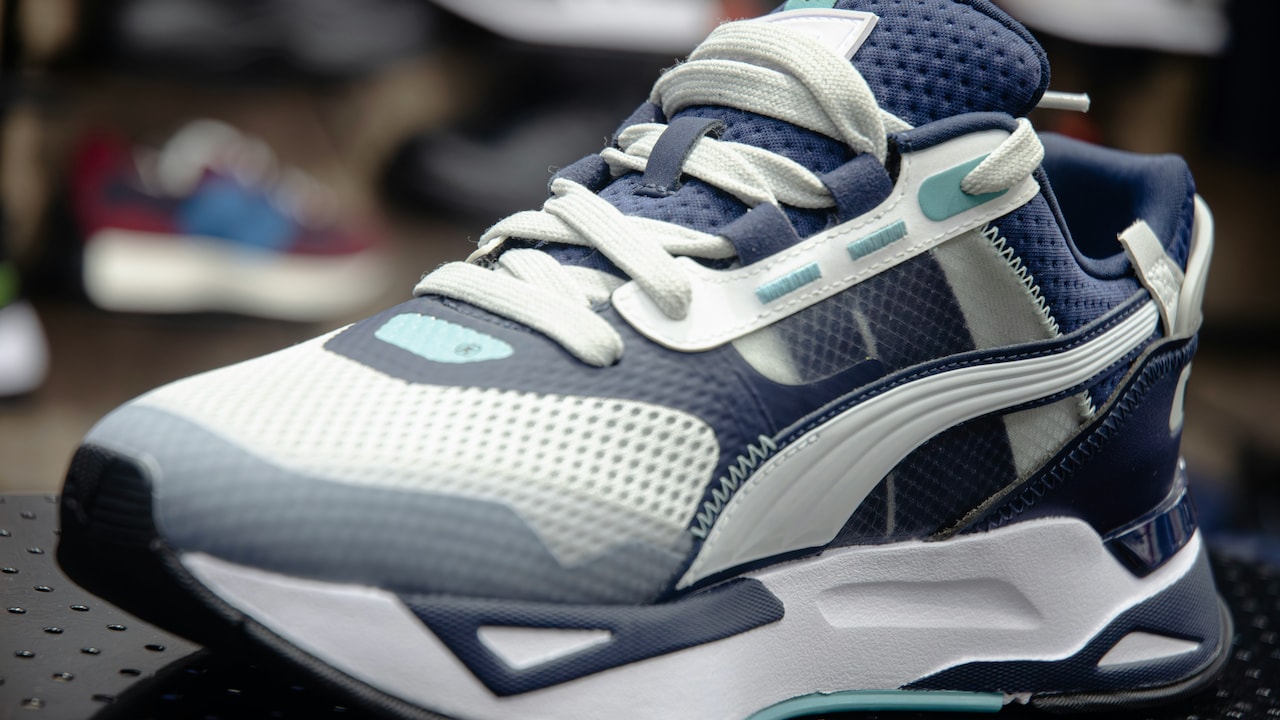
New Shoes Biting Your Heels? Simple Ways To Prevent Painful Blisters; Photo Credit: Pexels
Soften Stiff Material Carefully
Stiff shoe material often causes the first few painful encounters.
Leather conditioners can soften genuine leather, but use only products suitable for the specific finish. Apply a small amount to an inconspicuous area before treating the whole shoe. Some conditioners may darken pale leather or alter its texture.
A shoe stretcher can gently widen tight areas. Stretching sprays may support the process, although excessive use can damage the shape. Professional cobblers offer a safer option for expensive footwear or stubborn pressure points. Spending ₹200 to ₹500 on careful adjustment may save a much costlier pair from permanent exile.
Avoid popular shortcuts that involve soaking shoes, blasting them with extreme heat or hammering the heel counter. These methods can weaken glue, crack material and distort the fit. A hairdryer may soften some materials briefly, but uneven heat can cause damage.
Patience works better than aggression. Wear the shoes with thick socks for a short period, then let them rest. Repeat the process over several days.
Shoes need gentle persuasion, not punishment. After all, a pair attacked with boiling water may stop biting the heel only because it no longer resembles footwear.
Match The Shoe To The Occasion
Even comfortable footwear can cause blisters when worn for the wrong activity.
A pair of formal loafers may feel pleasant during an office meeting but become painful during a two-kilometre walk from the metro station. Delicate flats may suit dinner but struggle through a full day of sightseeing. High heels can work for a seated celebration, yet they may prove unforgiving during hours of standing.
Consider the expected movement before choosing new shoes. A first outing should ideally remain short and predictable. Wear them for a nearby café visit, a brief office day or a family dinner where a backup pair can stay close.
Avoid testing new footwear during travel, festivals, weddings or shopping trips. These occasions often involve more walking and standing than expected. Once the heel starts rubbing, finding relief may become difficult.
Keep foldable flats, sandals or familiar shoes in the car or bag when possible. A backup pair does not admit defeat. It shows excellent planning.
The right shoe for the right occasion protects the feet and the mood. Nothing ruins a cheerful function faster than smiling for photographs while quietly calculating the distance to the nearest chair.
Respond Quickly To Early Discomfort
The first sign of rubbing deserves immediate action.
Stop walking if possible and check the area. Remove any grit, folded sock fabric or loose lining that may cause irritation. Dry the skin, apply a protective plaster and adjust the laces or straps.
Laces that feel too loose allow heel movement. Laces that feel too tight can create pressure across the foot. Experiment with the tension until the shoe feels secure without squeezing. Different lacing patterns can also reduce heel slippage in trainers and walking shoes.
Do not continue wearing the footwear simply because the destination feels close. Five more minutes of friction can turn mild redness into a painful blister.
If a blister has already formed, keep it clean and protected. Avoid bursting it unless a healthcare professional advises otherwise. The fluid cushions the damaged skin beneath. Watch for increasing redness, swelling, warmth, pus or severe pain, as these signs may suggest infection.
People with diabetes, poor circulation or reduced sensation in the feet should treat any wound seriously and seek medical guidance promptly.
Quick action protects both the skin and the rest of the day.
Build A Small Shoe Emergency Kit
A compact shoe emergency kit can prevent a tiny problem from taking over an entire outing.
Keep adhesive bandages, blister plasters, medical tape, a small packet of tissues and a spare pair of socks in a pouch. A travel-sized foot powder may help during hot days. Heel grips or gel cushions can prove useful when footwear starts slipping unexpectedly.
The kit does not need to look like a hospital cupboard. A small zip pouch fits easily inside a work bag or handbag. The total cost may remain below ₹500, depending on the products chosen.
Include a pair of foldable flats or lightweight slippers when the event involves long hours. They may not match the carefully planned outfit, but they can rescue tired feet during the journey home.
Replace used items regularly. Old adhesive strips often lose their stickiness, especially after months inside a warm bag.
Preparation brings confidence. Instead of worrying about every step, the wearer knows that help sits nearby. That peace of mind matters during interviews, celebrations and busy workdays.
A shoe emergency kit may sound slightly dramatic until the first time it saves a heel, an outfit and an evening all at once.
Products Related To This Article
1. Frido Active Casual Sneakers for Men & Women
2. SPARX Mens SM 680 Walking Shoe
3. DOCTOR EXTRA SOFT Men's Sports Shoes with Memory Foam Cushioned Insole
4. Neeman's Crossover Brogues Stylish Shoes for Men
5. Campus Men First Running Shoes
6. Puma Mens Dazzler Sneaker
7. Boldfit Trekking Shoes for Man Outdoor Hiking Shoes for Man High Neck Footwear
New shoes bite because friction, moisture, stiffness and poor fit place repeated stress on sensitive skin. The problem may feel common, but it should never seem unavoidable.
A careful fitting session, a few short trials at home and early hotspot protection can prevent most blisters. Heel grips, breathable socks, suitable cushioning and dry feet add another layer of defence. Choosing footwear according to the occasion also reduces unnecessary strain.
The most important rule remains simple: listen to the feet. Burning, tingling and redness signal trouble. Stopping early takes far less effort than treating a blister later.
New footwear should bring confidence, not a limp. Give every pair time to soften, test it before a major outing and keep a small rescue kit nearby. With a little preparation, those stylish new shoes can finally do what they promised in the shop: look good, feel comfortable and carry the day without biting back.
(Disclaimer: This article may include references to or features of products and services made available through affiliate marketing campaigns. NDTV Convergence Limited (“NDTV”) strives to maintain editorial independence while participating in such campaigns. NDTV does not assume responsibility for the performance or claims of any featured products or services.)