Can Hair Oil Repair Split Ends? A Popular Haircare Myth Explained
Hair oil can smooth split ends and reduce frizz, but it cannot repair them permanently. Once a strand splits, only trimming removes the damage. Here’s what oil really does and how to prevent further breakage.
Can Hair Oil Repair Split Ends? A Popular Haircare Myth Explained
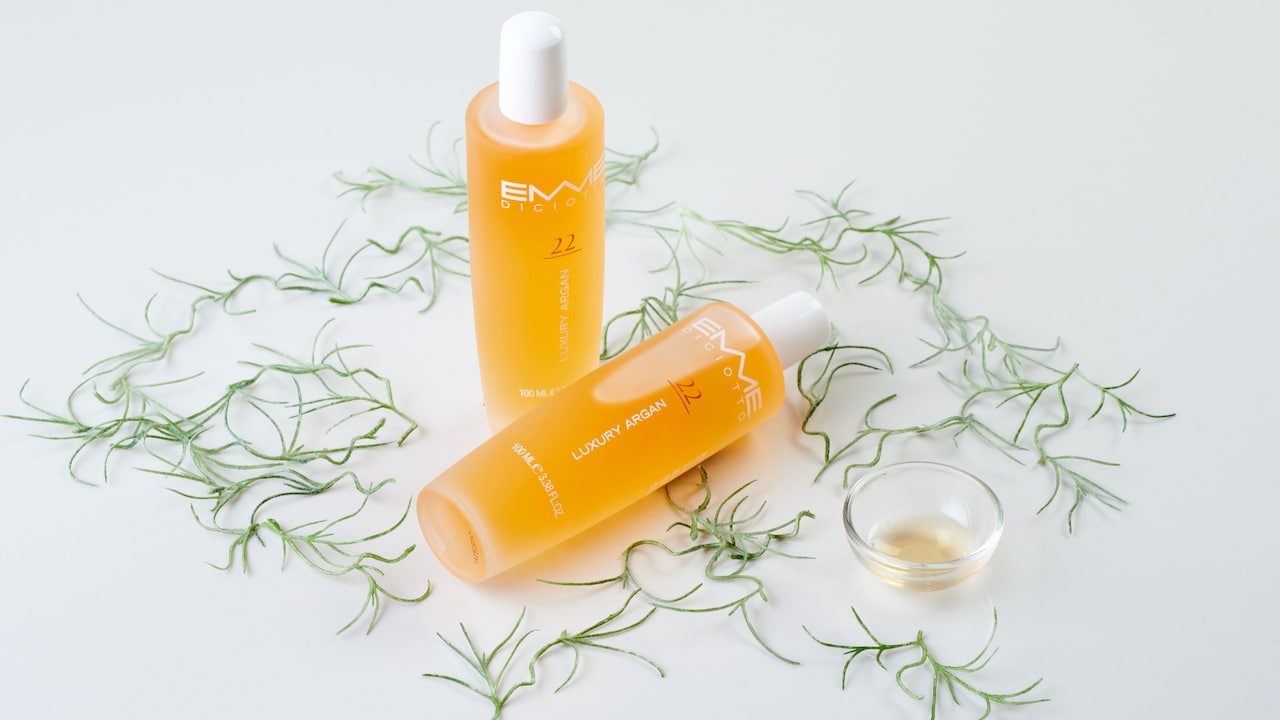
A warm oil massage has a special place in many homes. It often arrives with a steel bowl, a hurried head massage and firm advice from someone who seems completely certain that oil can solve almost anything. Dryness, dullness, hair fall, rough texture and split ends somehow end up on the same list. Hair oil does offer real benefits. It can soften rough strands, reduce friction and make damaged ends look tidier. Yet the claim that oil can permanently repair split ends stretches the truth. Once a strand splits, no kitchen ingredient or luxury serum can fuse it back into its original condition.
Can Hair Oil Repair Split Ends? A Popular Haircare Myth Explained
Photo Credit: Pexels
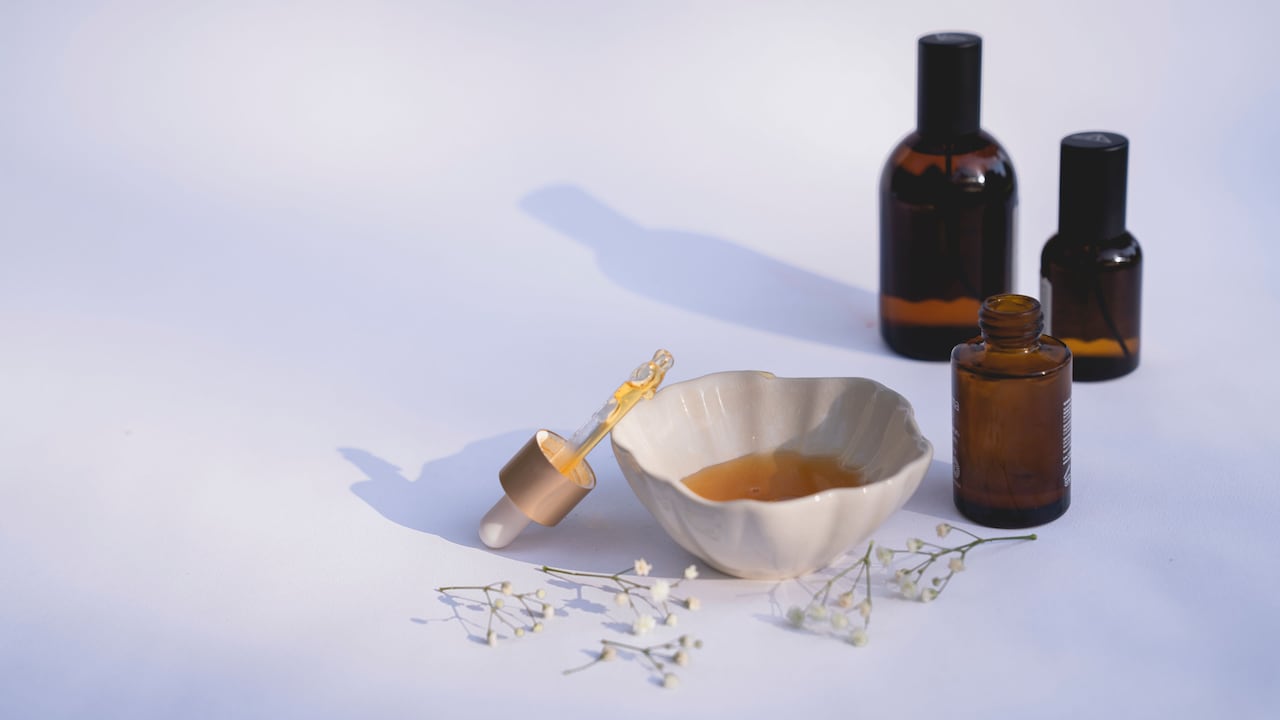
That does not make oil useless. Far from it. The trick lies in understanding what it actually does. Oil works more like a temporary polish and protective layer than a repair technician. It improves appearance, reduces further wear and gives dry hair some much-needed comfort.
So, before pouring half a bottle of coconut oil onto tired ends, it helps to separate haircare wisdom from haircare mythology.
The Truth About Split Ends And Hair Oil
What Exactly Are Split Ends?
Each strand of hair has an outer protective layer called the cuticle. Picture it as a roof made from tiny overlapping tiles. When those tiles remain smooth and closely packed, the strand looks shiny and feels soft. When heat, friction, chemicals or dryness damage them, the inner structure becomes exposed.
The end of the strand then starts to fray. Sometimes it forms a neat fork. Sometimes it splits into several tiny branches that resemble a miniature tree. In severe cases, the damage travels upwards, making the hair look thin, rough and uneven.
Split ends often appear first because the ends represent the oldest part of the hair. They have survived months or even years of washing, brushing, sunlight, styling and being trapped under handbag straps. Every careless tug leaves a tiny mark.
Oil may coat these frayed sections and help them sit closer together for a while. However, the strand itself remains split underneath. The effect resembles pressing down the torn edge of a ribbon. It looks better temporarily, but the tear has not vanished.
Why Hair Oil Seems To Repair Damage
Hair oil creates an immediate transformation, which explains why the repair myth feels so believable. Rough ends suddenly become smoother. Flyaways settle down. Dull strands catch the light again. After one application, hair may appear healthier than it did ten minutes earlier.
This improvement comes from lubrication. Oil coats the surface of the strand and reduces friction between neighbouring hairs. The split sections may lie flatter, so the ends look less fluffy and uneven. Some oils also fill tiny gaps along the cuticle, giving hair a more polished finish.
The result can feel dramatic, especially after shampooing with a harsh cleanser or spending a week in dry air and traffic dust. A few drops of oil can make the lengths feel manageable again.
Yet appearance and repair are not the same thing. Concealer can hide a dark circle, but it does not change the skin underneath. In the same way, oil can disguise damage without reversing it.
That temporary improvement still matters. Hair does not need to become perfect to look presentable. The problem begins only when a cosmetic effect gets marketed as permanent structural repair.
Can Any Oil Permanently Seal Split Ends?
No oil can permanently seal a split strand. Coconut, almond, sesame, argan and olive oil may support softness and reduce dryness, but none can rebuild broken hair fibres once they separate.
Hair outside the scalp contains no living cells. It cannot heal in the same way that skin repairs a small cut. Products can coat it, strengthen its surface and protect it from further damage, but they cannot restore a split end to its untouched state.
Some formulations create a temporary binding effect. Silicones, polymers and conditioning agents may hold frayed sections together until the next wash. Hair then looks smoother and feels less brittle. This can prove useful before a wedding, festive gathering or an important workday when a salon visit does not fit the schedule.
However, water, shampoo and regular handling gradually remove that coating. The split becomes visible again because the original break still exists.
The only permanent way to remove a split end involves cutting above the damaged section. It may sound less exciting than a miracle bottle, but scissors remain more honest than extravagant promises printed in gold lettering.
Also Read: These Skincare, Haircare And Beauty Essentials Are Now Available At Up To 70% Off
What Hair Oil Can Actually Do
Hair oil plays a valuable role when used with realistic expectations. It can reduce friction during combing, soften dry lengths and improve shine. It may also help protect fragile ends from rubbing against clothes, pillowcases and each other.
Certain oils can penetrate the hair shaft to some extent, while others mostly stay on the surface. Coconut oil, for example, has a structure that allows it to enter the strand more easily than many heavier oils. This may help reduce protein loss during washing, especially when used before shampooing.
Other oils work well as finishing products. A small amount applied to damp or dry ends can control frizz and create a smooth appearance. The key phrase here is “small amount”. Soaking the ends until they resemble pakoras waiting for the frying pan can leave hair greasy without adding extra protection.
Oil can also make damaged hair feel more flexible. Dry strands often snap when they rub or bend. A light coating helps them move with less resistance.
It cannot erase existing splits, but it can make the journey towards the next trim far more comfortable.
Can Hair Oil Repair Split Ends? A Popular Haircare Myth Explained
Photo Credit: Pexels
Why Trimming Remains The Real Solution
A trim removes the damaged section before the split travels further upwards. This matters because a small fork at the tip can gradually extend along the strand. Once that happens, hair may break at different lengths and lose its full, healthy appearance.
Regular trimming does not make hair grow faster from the scalp. Growth happens at the roots, not the ends. However, trimming helps retain length by preventing excessive breakage. Hair may therefore appear to grow better because fewer weakened sections snap off.
There is no universal trimming schedule. Someone who uses straighteners every week may need trims more often than someone who avoids heat and wears protective hairstyles. As a general habit, checking the ends every two or three months can reveal damage before it becomes difficult to manage.
A salon trim need not involve losing several inches. A careful dusting removes only the thinnest, frayed tips. Even half a centimetre can make the hemline look fuller.
Holding on to damaged ends for emotional reasons often creates the opposite result. Hair looks longer on paper but shorter in photographs because transparent, broken tips add little visual length.
Also Read: Top 5 Hair Growth Oils For Scalp Health During Monsoon Under ₹500
How Heat Styling Encourages Split Ends
Heat changes the way hair holds moisture and responds to pressure. Straighteners, curling tongs and very hot blow-drying can weaken the cuticle, especially when used repeatedly without protection.
The damage often begins quietly. Hair may still look glossy after styling, but the ends start feeling stiff or crunchy. Over time, tiny cracks appear. Those cracks widen through brushing, washing and daily movement until the strand finally splits.
Using a heat protectant helps create a buffer between the tool and the hair. It does not make extreme temperatures harmless, but it can reduce moisture loss and surface damage. Lower heat settings also make a meaningful difference. Hair rarely needs the highest setting unless it plans to double as a dosa tawa.
Never use a straightener or curler on damp hair unless the tool has been designed specifically for that purpose. Trapped water can heat rapidly and damage the strand from within.
Allowing hair to air-dry partly before blow-drying can also reduce exposure. Gentle technique, moderate temperature and fewer passes protect the ends more effectively than applying extra oil after the damage appears.
Everyday Habits That Fray Hair Ends
Split ends do not always come from dramatic chemical treatments. Small daily habits can cause just as much wear. Rough towel-drying, tight elastic bands and impatient detangling all place pressure on fragile lengths.
Rubbing wet hair with a thick towel creates friction when the strands sit in their weakest state. Gently squeezing out water with a soft cotton cloth or microfibre towel offers a kinder approach. An old, clean T-shirt can work surprisingly well.
Brushing from the roots downwards also pushes knots towards the ends, where they tighten and break. Detangling should begin near the tips and move gradually upwards. A wide-toothed comb helps reduce unnecessary pulling.
Even sleeping habits matter. Cotton pillowcases can create friction as the head moves through the night. A satin pillowcase or loose braid may reduce tangling, especially for long, curly or textured hair.
Handbags, backpack straps and seat belts can trap the ends too. These details may sound almost comically minor, but hair experiences them every day. Split ends often come from repeated little stresses rather than one unforgettable disaster.
The Right Way To Oil Damaged Ends
More oil does not mean more repair. A light, thoughtful application usually works better than a heavy coating that demands three rounds of shampoo.
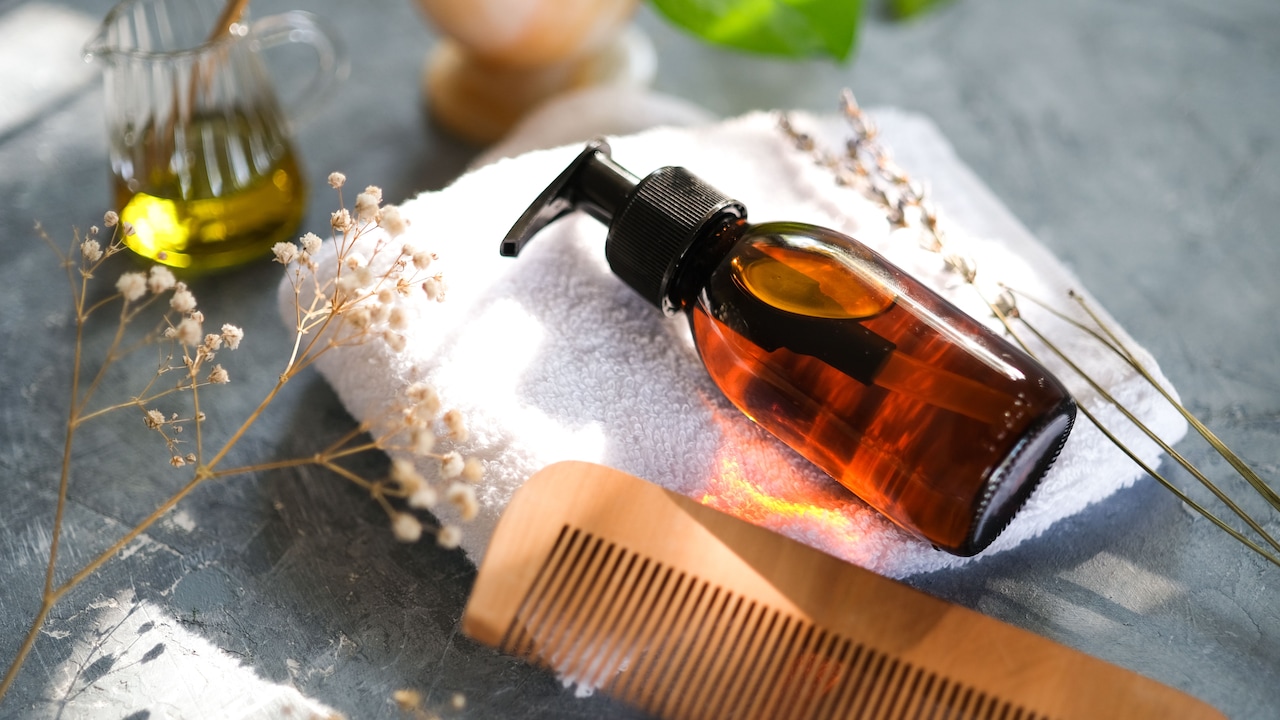
For pre-wash care, apply oil mainly through the mid-lengths and ends. Leave it on long enough to soften the hair, then wash with a gentle shampoo. An overnight oiling session may suit some people, but it is not compulsory. One or two hours can provide enough conditioning for many hair types.
For post-wash use, rub one or two drops between the palms and smooth them over damp ends. This helps lock in softness and reduce frizz. Fine hair may need only a trace, while thick or curly hair may handle slightly more.
Avoid repeatedly rubbing the split sections between the fingers. That habit can worsen fraying. Instead, press the oil gently onto the ends.
Scalp oiling and end care also serve different purposes. A dry scalp may enjoy massage, but damaged tips need protection rather than vigorous rubbing. Treating every part of the hair in the same way can create oily roots and thirsty ends, a combination nobody orders willingly.
Products That Make Split Ends Look Better
Many serums, leave-in conditioners and masks claim to mend split ends. Most improve the look and feel of damage rather than remove it. That does not make them deceptive when the label clearly describes temporary smoothing or strengthening.
Silicone-based serums can coat rough sections and create shine. Leave-in conditioners add slip, making detangling easier. Protein treatments may temporarily strengthen weakened areas, though too much protein can leave some hair types feeling stiff.
Deep-conditioning masks help when dryness makes the ends rough and unmanageable. They supply lubricating and moisture-supporting ingredients that improve softness. Hair may then bend more easily instead of snapping during combing.
A useful routine often combines several simple products rather than relying on one miracle treatment. A gentle shampoo, regular conditioner, leave-in product, heat protectant and light oil can work together to reduce wear.
Price does not always predict performance. A ₹2,000 serum may feel luxurious, but a modestly priced product with suitable ingredients can deliver similar smoothing. Hair responds to formulation and consistency, not the elegance of the bottle sitting beside the mirror.
Can Hair Oil Repair Split Ends? A Popular Haircare Myth Explained
Photo Credit: Pexels
How To Prevent New Split Ends
Prevention begins with reducing repeated damage. Hair cannot avoid every source of stress, but small changes can delay splitting and preserve healthy-looking ends.
Keep heat styling occasional and use moderate temperatures. Condition after shampooing, especially on the lengths. Detangle gently and avoid hairstyles that pull tightly at the same sections every day. When spending long hours in strong sunlight, cover the hair with a scarf or hat to reduce dryness and fading.
Chemical treatments need spacing too. Repeated bleaching, colouring, rebonding or smoothing can weaken the cuticle. Allowing time between services gives the hair a better chance of staying manageable. A professional should also assess whether the strands can tolerate another treatment.
Nutrition supports new hair growth from within, though no food can repair an already split strand. A balanced diet with enough protein, iron and essential nutrients helps the body produce stronger hair over time.
Most importantly, pay attention to the ends before they become visibly sparse. Hair often whispers before it screams. Roughness, tangling and tiny white dots near the tips usually signal that a trim or routine change is due.
Also Read: RENEE Cosmetics Under ₹499 For A Budget-Friendly Makeup Refresh
When Split Ends Signal Deeper Damage
A few split ends are normal, particularly on long hair. However, widespread breakage, sudden thinning or severe brittleness may point to more than routine wear.
If strands snap close to the scalp, the problem may involve aggressive chemical processing, excessive heat or a medical concern. Changes in diet, hormonal health, stress levels and certain deficiencies can also affect hair strength and shedding.
Split ends themselves do not cause hair loss from the root. They damage the visible strand, while true hair loss begins at the follicle. The two can appear together, which often creates confusion. Someone may notice shorter broken pieces as well as full strands falling from the scalp.
A dermatologist can help when hair texture changes suddenly, shedding continues for several months or the scalp develops itching, pain, scaling or bald patches. Home remedies should not replace professional advice in such cases.
Oil can make brittle hair feel better, but it should not hide a persistent problem. Sometimes the smartest haircare decision involves putting down the bottle and booking an appointment.
Products Related To This Article
1. Kimirica 100% pure Jojoba Oil
2. inde wild Champi Hair Oil With Rosemary Oil
3. L'Oreal Professionne l Absolut Repair 10-in-1 Serum for Dry & Frizzy Hair
4. Emami 7 Oils in One Hair Oil | Makes Hair 20x Stronger and Manageable
5. Soulflower Rosemary Lavender Amla Hair Oil for Hair Growth & Hair Fall Control
6. Hibiscus Monkey HM Love Scalp & Hair Oil
7. BRINGARAS BALANCING SCALP & HAIR OIL 100 ML Stimulates Hair Growth
Hair oil cannot permanently repair split ends, no matter how traditional, expensive or beautifully scented it may be. Once a strand splits, only trimming can remove the damage completely.
Still, oil deserves a place in a sensible haircare routine. It can reduce friction, soften dry ends, improve shine and help protect fragile strands from further wear. Used before washing or in tiny amounts after washing, it can make damaged hair look smoother and feel easier to manage.
The real myth does not lie in believing that oil helps. It lies in expecting oil to perform the job of scissors.
Healthy-looking hair rarely comes from one dramatic remedy. It grows from regular trims, gentle handling, moderate heat, proper conditioning and a little patience. The occasional oil massage can remain part of that ritual, complete with family advice and a towel draped over the shoulders. Just remember what the oil brings to the table: comfort, polish and protection, not permanent repair.
(Disclaimer: This article may include references to or features of products and services made available through affiliate marketing campaigns. NDTV Convergence Limited (“NDTV”) strives to maintain editorial independence while participating in such campaigns. NDTV does not assume responsibility for the performance or claims of any featured products or services.)