Does A Slow Juicer Preserve More Nutrients Than Every Other Juicer?
Do slow juicers really preserve more nutrients? This article compares popular juicing methods and explains how oxidation, fibre, freshness and storage affect the nutritional value of every glass.
Which is better between slow juicers vs other types
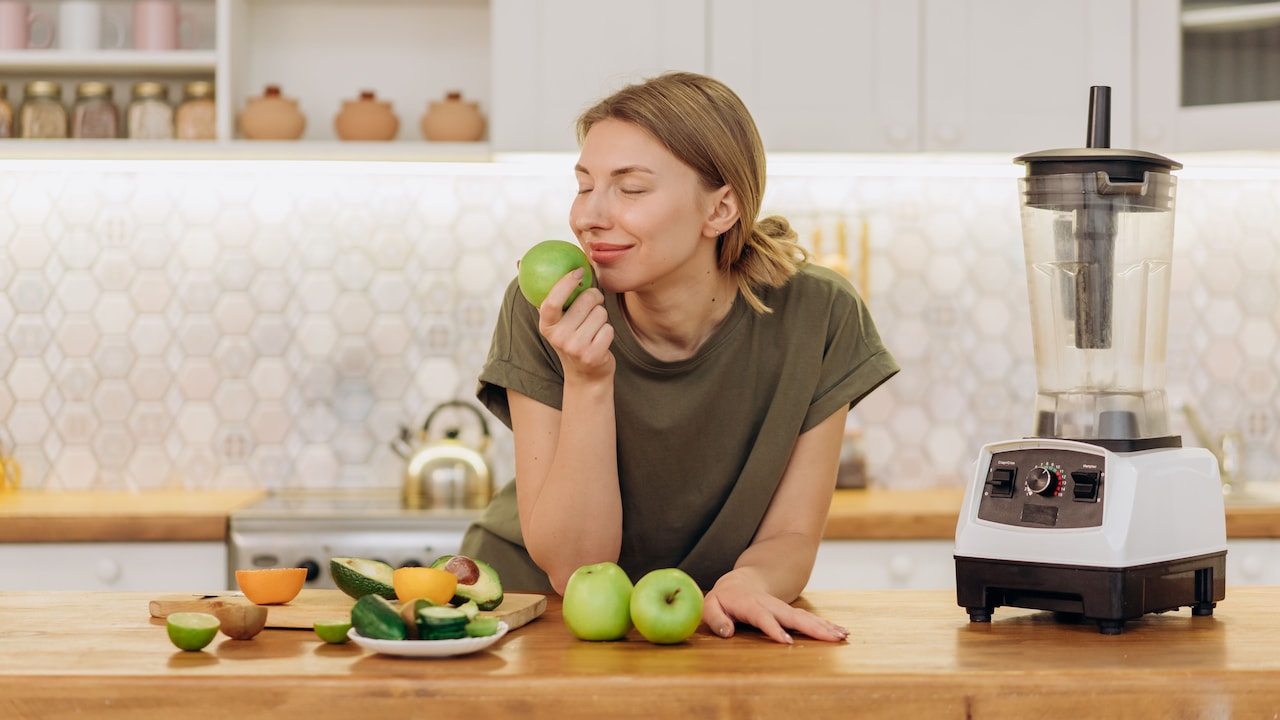
Fresh juice carries a certain glow. A glass of orange juice at breakfast feels cheerful. A beetroot, carrot and amla blend looks like a health resolution poured into a tumbler. Even a stubborn bunch of spinach seems more appealing once it meets an apple and a squeeze of lime. Yet the juicer aisle can turn that simple pleasure into a science exam. Brands talk about cold pressing, low-speed extraction, oxidation control and maximum nutrient retention. Slow juicers, also called masticating or cold-press juicers, often receive the grandest claims. Some advertisements make them sound capable of rescuing every vitamin from a vegetable with the care of a jeweller handling diamonds.
Slow vs other juicers which preserve more nutrients
Photo Credit: Pexels
The reality needs a little more balance. Juicing method matters, but so do the ingredients, storage time, temperature and drinking habits. A costly machine cannot save juice left uncovered beside a sunny window for three hours.
Also Read: Top 5 Citrus Juicers For Summer Drinks Under ₹2500
So, does a slow juicer preserve more nutrients than every other juicer? Often, it may preserve certain nutrients better than a high-speed centrifugal model. However, it does not win every comparison, suit every ingredient or replace the nutritional value of whole fruit and vegetables.
Slow Juicers Versus Other Juicing Methods
How A Slow Juicer Actually Works
A slow juicer crushes and presses produce using a rotating auger. The machine works at a much lower speed than a centrifugal juicer, which chops ingredients rapidly against a spinning blade and filter. Instead of flinging juice out through force, a slow juicer squeezes it out steadily.
This difference affects texture, foam, sound and extraction. Slow juicers usually produce less froth and a smoother-looking drink. They also tend to leave behind drier pulp, which suggests that the machine has removed more liquid from the ingredients. Anyone who has watched an expensive apple disappear into a juicer will appreciate that small victory.
The word “slow” refers to the machine's rotation, not necessarily the entire preparation process. Chopping carrots, feeding leafy greens and cleaning several detachable parts can still take time. However, the gentler mechanism usually introduces less air into the juice.
That reduced air exposure may help protect nutrients that react easily with oxygen. Vitamin C, for example, can gradually degrade after juicing. A slow juicer may give it a slightly calmer start, although the clock begins ticking as soon as the fruit or vegetable gets cut.
Why Heat And Oxidation Matter
Heat and oxygen can affect delicate nutrients, but juicer marketing often makes the situation sound more dramatic than it is. A centrifugal juicer spins quickly and creates some warmth. However, it rarely turns fresh produce into a steaming nutritional disaster.
The bigger concern often involves oxidation. High-speed spinning mixes more air into the liquid, which explains the thick foam that appears on top of some juices. Oxygen can alter flavour, colour and certain sensitive compounds. The juice may darken faster, taste flatter or separate more quickly.
Slow juicers generally create less foam and reduce this vigorous contact with air. That can help preserve freshness for longer, especially when someone cannot drink the juice immediately. Still, no home juicer creates an oxygen-free environment. Cutting, peeling and crushing already expose plant cells to air.
Temperature also depends on the machine, the ingredients and the length of operation. A short session with chilled produce creates less warmth than repeatedly running a crowded juicer during a large family breakfast.
The practical lesson remains simple: machine speed matters, but immediate consumption matters more. Fresh juice enjoyed soon after preparation usually beats “better-preserved” juice forgotten at the back of the refrigerator.
Nutrient Retention Is Not A Single Score
People often discuss nutrients as though they travel in one neat group. In reality, every nutrient behaves differently. Vitamin C reacts easily to oxygen, light and heat. Some plant compounds remain more stable. Minerals such as potassium do not simply vanish because a blade spins quickly.
This makes sweeping claims difficult. A slow juicer may retain more of one nutrient while showing little meaningful advantage for another. Results also vary according to the produce. Tomato, pomegranate, spinach, guava and cucumber each contain different structures, pigments and compounds.
Laboratory comparisons can also produce conflicting results because researchers use different machines, speeds, storage conditions and recipes. A juice tested immediately may show one outcome. The same juice tested after a day in the refrigerator may tell another story.
Consumers rarely drink isolated nutrients anyway. They drink combinations such as carrot-orange, watermelon-mint or bottle gourd with lemon. Ripeness, washing, peeling and ingredient quality can influence the final glass as much as the motor speed.
A slow juicer may offer a modest nutritional edge in some situations. However, it does not award every juice a perfect health score. Nutrition refuses to behave like a school report card, however convenient that would make shopping.
The Missing Fibre Changes The Picture
Even the most advanced slow juicer removes much of the insoluble fibre found in whole fruit and vegetables. That fibre usually ends up in the pulp container, looking rather betrayed after contributing its colour and moisture.
Fibre supports digestion, helps maintain regular bowel movements and slows the absorption of natural sugars. It also creates fullness. Eating two oranges takes time and feels satisfying. Drinking the juice from several oranges can happen in a few quick sips, especially during a hurried morning.
Some soluble fibre may remain in juice, particularly when the liquid contains fine pulp. Yet a slow juicer still cannot match the fibre content of whole produce or a blender that keeps everything together.
This does not make fresh juice unhealthy. It simply changes its role. Juice can add variety, help people consume certain vegetables and offer a refreshing source of micronutrients. It should not quietly replace every serving of fruit or vegetables.
Those managing blood sugar levels need particular care with large fruit-heavy portions. A vegetable-led recipe with limited sweet fruit may offer a more balanced choice. The healthiest glass often depends less on the juicer and more on what goes inside it.
Slow Juicers Often Extract More Juice
One clear advantage of many slow juicers lies in extraction efficiency. Their pressing action often pulls more liquid from leafy greens, herbs and firm vegetables than a basic centrifugal machine. The remaining pulp usually feels drier, which means less juice has escaped into the waste bin.
This can matter when ingredients carry a premium price. A bunch of celery, a box of berries or a bag of good-quality carrots can make the weekly grocery bill wince. Better extraction may reduce waste over time.
Leafy ingredients such as spinach, mint, coriander and wheatgrass also tend to work more effectively in a slow juicer. Centrifugal machines may toss lightweight leaves around without extracting much liquid. A slow auger grips and compresses them more patiently.
However, extraction rates differ across models. A poorly designed slow juicer may clog, struggle with fibrous stalks or require repeated feeding. A strong centrifugal model may perform brilliantly with apples, cucumbers and juicy citrus fruits.
More juice also does not always mean proportionally more nutrients. Water forms a large part of most produce. Extra yield may include valuable compounds, but it may also simply provide a larger volume. Efficiency remains useful, though it should not masquerade as proof of nutritional supremacy.
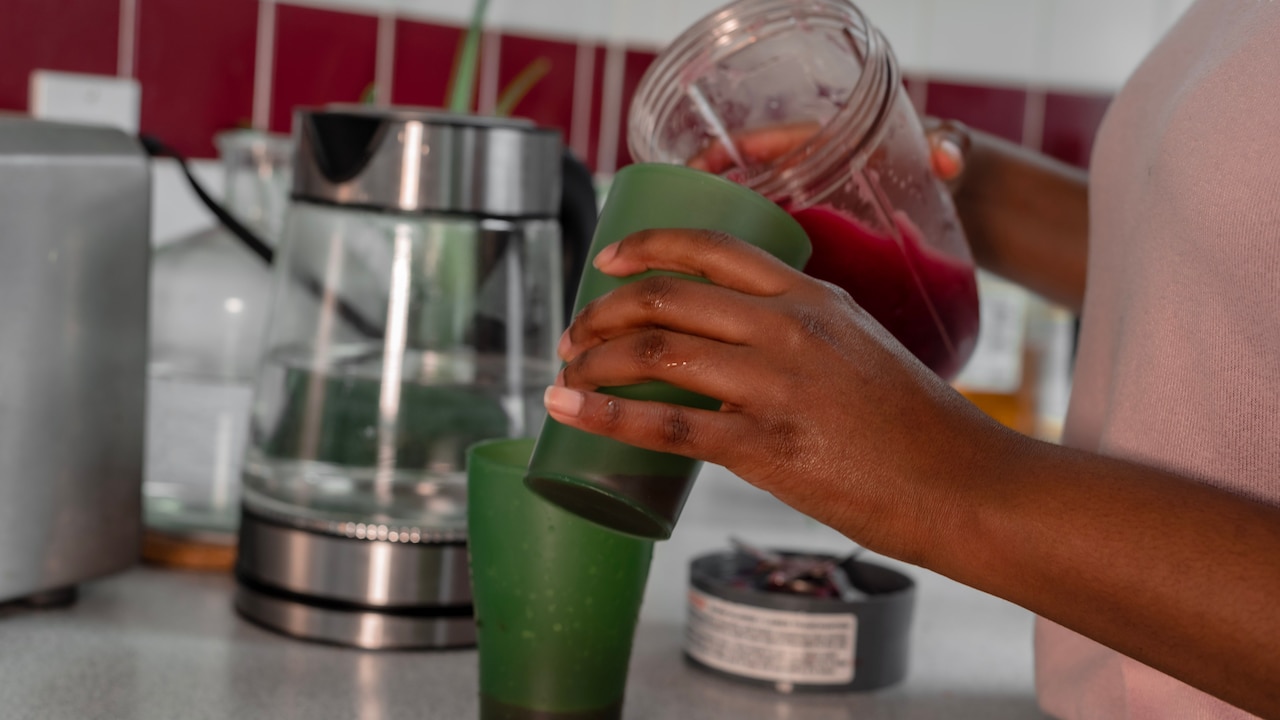
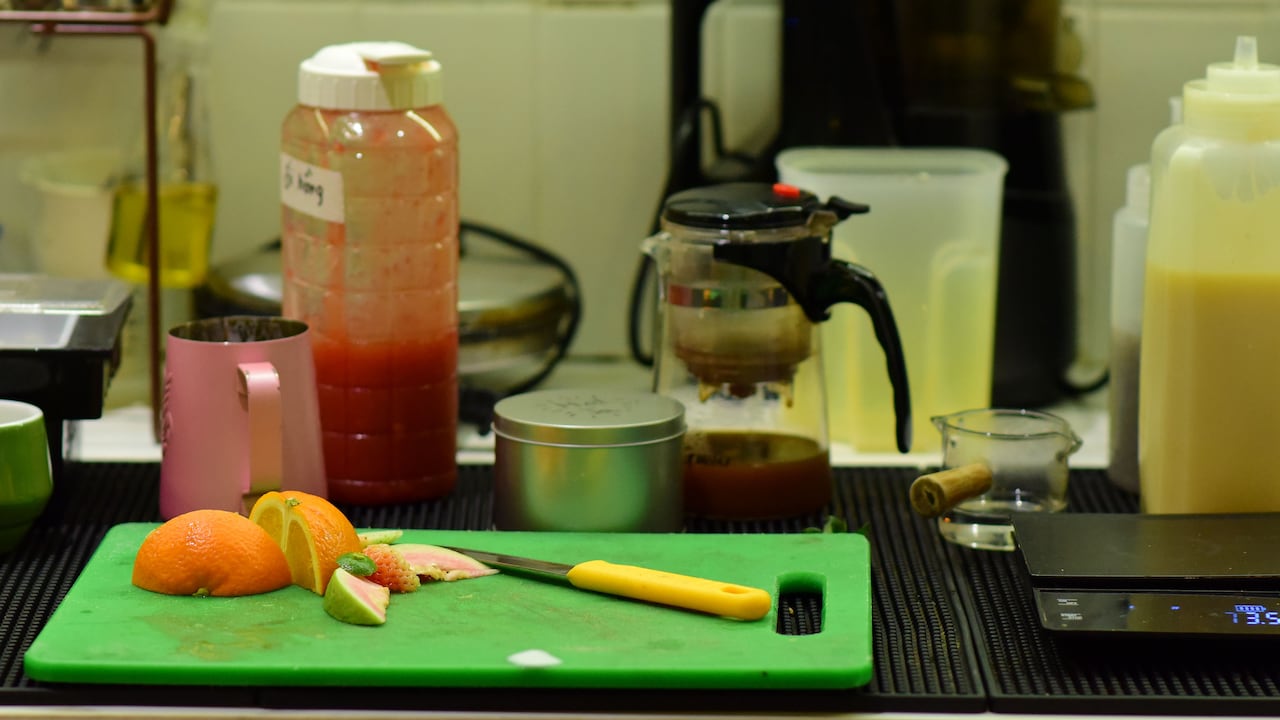
Slow juicers often extract more juice from ingredients than other juicers; Photo Credit: Pexels
Centrifugal Juicers Still Have Practical Strengths
Centrifugal juicers often receive unfair treatment in discussions about nutrition. They may introduce more air and create more foam, but they offer speed, convenience and a lower entry price. For many households, those features determine whether fresh juice becomes a habit or a forgotten weekend experiment.
A centrifugal machine can process apples, carrots, beetroot and cucumber within minutes. That speed helps on busy mornings when lunch boxes, office calls and missing socks compete for attention. A machine that saves ten minutes may get used more often than a premium appliance that demands a careful ritual.
Fresh juice from a centrifugal juicer still contains vitamins, minerals and plant compounds. Drinking it immediately can reduce the impact of oxidation. Stirring the foam back in also avoids treating it like suspicious bathwater.
These juicers often cost less than slow models. A reliable option may start at a few thousand rupees, while premium slow juicers can cost ₹15,000, ₹25,000 or considerably more. Spending extra only makes sense when the household values quieter operation, leafy-green performance, higher yield or longer short-term storage.
A practical juicer used regularly offers more value than a superior machine gathering dust above the refrigerator.
Blending May Beat Juicing For Everyday Nutrition
A blender does not separate juice from pulp. It breaks down the whole ingredient and keeps most of the fibre in the drink. From a broad nutritional perspective, this can make smoothies more suitable for regular consumption than strained juices.
Consider a breakfast blend of banana, guava, curd, oats and a spoonful of seeds. It provides fibre, protein, healthy fats and carbohydrates. A clear glass of fruit juice may supply useful micronutrients, but it will not offer the same balance or fullness.
Blending also works well with ingredients that produce little juice, such as banana, papaya, avocado and soaked nuts. Try feeding a banana into a juicer, and the machine may respond with the culinary equivalent of confusion.
That said, smoothies can become excessively heavy. Adding several fruits, honey, dates, nut butter and full-fat dairy may create a drink with more energy than expected. Portion awareness still matters.
Slow juicing serves a different purpose. It produces a lighter, smoother drink and allows large amounts of vegetables to fit into one glass. Blending preserves more whole-food structure. Neither method wins every contest. The better choice depends on whether someone wants hydration and concentrated flavour or fibre and fuller nutrition.
Storage Can Erase The Slow Juicer Advantage
Slow-juiced drinks often retain their colour and flavour longer than centrifugal juices because they contain less foam and trapped air. Some people prepare juice in the morning and carry it to work in a steel flask or sealed bottle. In that situation, a slow juicer may offer a useful advantage.
Still, storage gradually reduces quality. Oxygen remains inside the container and enters whenever the lid opens. Light and warmth can also affect sensitive vitamins. A transparent bottle left in a hot car will not protect nutrients simply because the juice came from a cold-press machine.
For best results, fill a clean airtight container close to the top. Less empty space means less air. Refrigerate the juice immediately and consume it as soon as practical. Adding lemon may slow browning in some recipes and improve flavour, though it cannot freeze time.
Separation does not always mean spoilage. Natural juices often form layers because heavier particles settle. A gentle shake usually brings them together again.
Fresh preparation remains the safest route for taste and nutrient quality. A slow juicer can delay deterioration, not cancel it. Buying a premium machine and storing juice carelessly resembles purchasing silk clothes and drying them on a dusty balcony.
Ingredient Quality Matters More Than Motor Speed
A slow juicer cannot create nutrients that poor ingredients do not contain. Fresh, ripe and properly stored produce often matters more than the difference between two good juicing systems.
Vegetables kept for days in heat may lose moisture and certain sensitive nutrients. Fruit cut long before use may also decline in quality. Bruised, mouldy or fermented pieces should never enter the machine under the cheerful belief that juicing will hide their problems.
Seasonal produce usually offers better flavour and value. A sweet mosambi in season may need no sugar or elaborate combination. Fresh carrots during cooler months bring natural sweetness and vivid colour. Watermelon, cucumber and mint make sense during warmer weather because they taste refreshing and contain plenty of fluid.
Cleaning also deserves attention. Soil, damaged portions and spoiled leaves need removal before juicing. Peeling may reduce pesticide residue in some cases, but it can also remove nutrients found near the skin. The decision depends on the ingredient and its source.
A sensible recipe beats an expensive machine filled with random leftovers. Use fresh produce, vary the colours and keep fruit-heavy combinations moderate. Nutritional quality begins at the market basket, not at the power socket.
The Cost Must Match The Household Routine
Slow juicers usually cost more because they use specialised pressing systems, sturdy components and quieter motors. Their prices can range widely, with some premium models crossing ₹30,000. That investment deserves more thought than an attractive demonstration at a shopping centre.
The machine suits households that juice often, enjoy leafy greens, dislike foam and care about extracting maximum liquid. It may also help people who prepare juice slightly in advance and want better texture after refrigeration.
Cleaning habits matter just as much. Some models contain narrow filters and several parts that need immediate rinsing. Leave the pulp to dry, and washing the machine can feel like scrubbing cement from a tiny net. Models with wide feeding chutes, simple assembly and accessible strainers usually fit daily life better.
A centrifugal juicer may suit occasional users, large families with rushed mornings or anyone working with mostly juicy fruit. A blender may prove more versatile for soups, chutneys, smoothies and batters.
Before spending, consider frequency, counter space, noise, preparation time and after-use cleaning. The best machine is not the one with the boldest nutrient claim. It is the one that earns its place in the kitchen.
So, Does A Slow Juicer Preserve More Nutrients?
A slow juicer often preserves certain sensitive nutrients better than a high-speed centrifugal juicer, mainly because it generates less foam, introduces less air and usually produces less heat. It may also extract more liquid from leafy greens and create juice that stays pleasant for longer under refrigeration.
However, “more nutrients than every other juicer” stretches the truth. A blender retains fibre that all conventional juicers remove. A hand-operated citrus press introduces little heat and works perfectly for oranges, lemons and mosambi. A centrifugal juicer still produces nutritious juice, especially when the drink gets consumed straight away.
The nutritional difference between machines may also feel smaller than the difference created by ingredient freshness, storage time and recipe choice. A glass packed with vegetables and a little fruit may offer more value than a sugar-heavy recipe made in the finest slow juicer available.
Slow juicers deserve praise for gentle extraction, strong yield and smooth results. They do not deserve magical status. No appliance can turn excessive portions, stale produce or careless storage into ideal nutrition. The machine helps. The habits decide.
Products Related To This Article
1. NutriPro Juicer Mixer Grinder - Smoothie Maker - 500 Watts
2. Kuvings B1700 Dark Silver Cold Press Juicer for Home
3. Ninja Blast Portable Cordless Blender
4. PHILIPS HD2799/00 Citrus Press Juicer Large size with 1L Capacity
5. InstaCuppa Portable Blender for Smoothie and Juices
6. NUUK DRIP Cold Press Juicer For Home | Max Nutrition
7. Sujata Powermatic Pro Juicer
A slow juicer can preserve more of some delicate nutrients than many high-speed juicers, but it does not dominate every method. Its low-speed pressing action reduces aeration, limits foam and often improves juice yield. Those qualities make it an excellent option for leafy greens, vegetable-rich recipes and juice prepared for later consumption.
Yet whole fruit, blended drinks and freshly made centrifugal juice still have important strengths. Fibre remains the biggest nutritional gap in any strained juice. Fresh ingredients, sensible portions and quick consumption usually influence health benefits more than a difference in motor speed.
Choose a slow juicer for its texture, yield, quieter operation and ability to handle greens. Do not choose it because an advertisement promises to trap every vitamin forever.
Fresh juice should bring colour, flavour and enjoyment to the day, not anxiety over microscopic nutrient losses. Whether the kitchen holds a premium slow juicer, a simple blender or a faithful old citrus press, good produce and consistent habits will always carry the greater nutritional weight.
(Disclaimer: This article may include references to or features of products and services made available through affiliate marketing campaigns. NDTV Convergence Limited (“NDTV”) strives to maintain editorial independence while participating in such campaigns. NDTV does not assume responsibility for the performance or claims of any featured products or services.)