Is Air-Drying Always Gentler On Hair? 10 Haircare Myths Explained
Air-drying sounds like the safest option for hair, but staying wet for hours can have its own downsides. Here are 10 common haircare myths worth questioning before your next wash day.
Is Air-Drying Always Gentler On Hair? 10 Haircare Myths Explained
There's something wonderfully convincing about a haircare rule that sounds simple. Heat equals damage, so avoiding heat must automatically mean healthier hair. Oiling overnight must work better than oiling for an hour. Cutting hair regularly must make it grow faster. And if a hair shampoo produces a mountain of foam, surely it's cleaning properly. Except hair doesn't always cooperate with these neat little theories. Haircare depends on everything from scalp condition and hair texture to humidity, washing habits, chemical treatments, and even how roughly we handle wet strands. What protects one person's curls could leave another person's fine hair limp or greasy. Some habits that seem gentle can also cause problems when taken too far. So, before letting another viral hack dictate wash day, it helps to separate what sounds logical from what actually makes sense for the hair and scalp.

Is Air-Drying Always Gentler On Hair? 10 Haircare Myths Explained; Photo Credit: Pexels
Haircare Habits That Aren't As Simple As They Seem
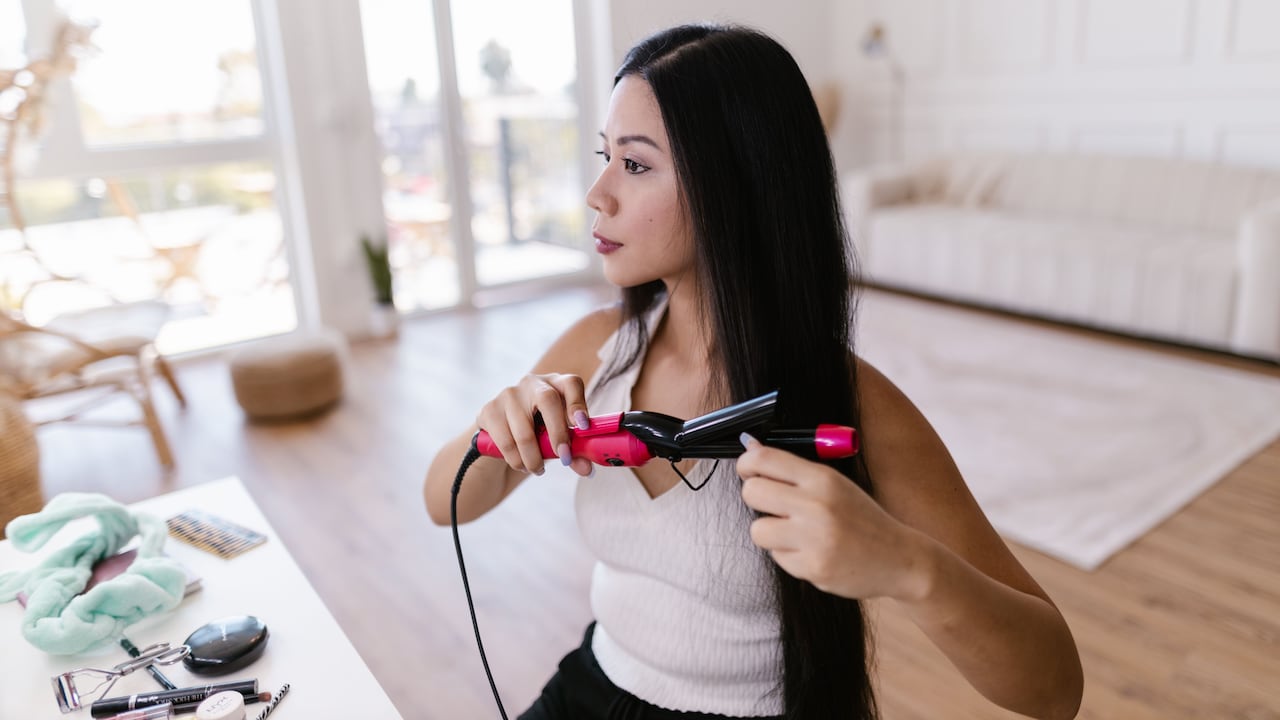
1. Myth: Air-Drying Is Always Healthier Than Blow-Drying
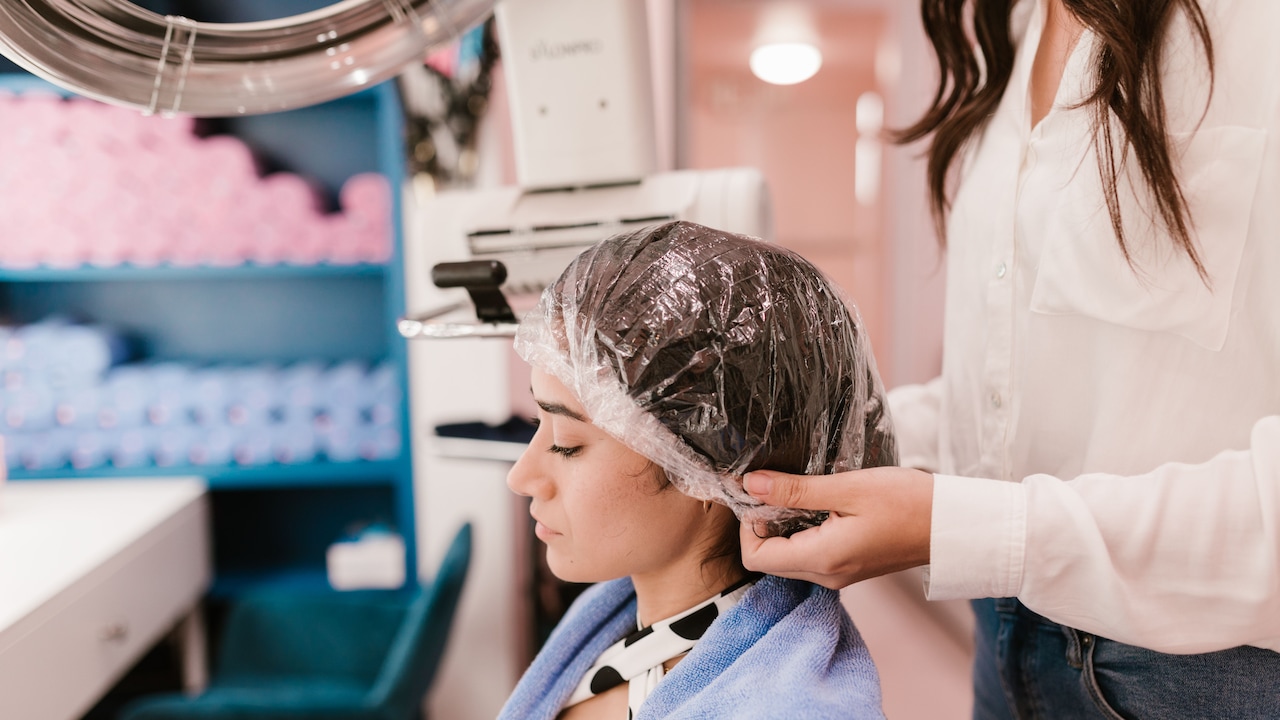
Skipping the hair dryer certainly reduces direct heat exposure, but that doesn't automatically make air-drying the gentlest choice every time. Hair swells when it absorbs water. If thick or long hair remains wet for several hours, that prolonged swelling can place stress on the strand's structure.
The bigger problem often comes from what happens while the hair dries. Wet hair rubbing against the back of a chair, pillow, towel or kurta can experience repeated friction. Tying damp hair into a bun or ponytail can make matters worse because wet strands stretch more easily.
This doesn't mean reaching for maximum heat after every shower. A sensible middle ground often works better. Remove excess water gently with a soft cotton T-shirt or microfibre towel, allow the hair to dry partially, then use a dryer on a comfortable low or medium setting if needed.
Keep the dryer moving rather than holding it close to one section. Air-drying can still work beautifully, especially for shorter or finer hair. It simply isn't automatically superior because no hot air touched the strands.
Also Read: How I Keep My Hair Soft And Strong In Just 5 Simple Steps
2. Myth: The More Shampoo You Use, The Cleaner Your Hair Gets
A palmful of shampoo might create an impressively foamy wash, but cleaner hair doesn't necessarily follow. Shampoo primarily needs to cleanse the scalp, where sweat, oil, styling residue and dead skin collect. Pouring extra product through the lengths can leave hair unnecessarily dry.
How much shampoo works depends on hair density, scalp oiliness and how much product has built up since the previous wash. Someone who exercises daily or uses styling creams may need a more thorough cleanse than someone with a fairly dry scalp and minimal product use.
There's another common trap: repeating shampoo applications simply because the first wash didn't produce much foam. Foam can decrease when oil and residue are present, but lather itself isn't a reliable cleanliness meter.
Focus on massaging shampoo gently through the scalp with fingertips rather than scratching with nails. Let the suds travel down the lengths while rinsing instead of aggressively scrubbing the ends.
If hair consistently feels greasy soon after washing, the answer might involve washing technique, scalp condition or product build-up rather than simply squeezing more shampoo from the bottle.
3. Myth: Oiling Hair Overnight Always Gives Better Results
Few haircare rituals feel as comforting as a weekend oil massage followed by the promise of dramatically softer hair the next morning. But leaving oil on for eight or ten hours isn't automatically more effective than keeping it on for a shorter period.
Oil mainly helps reduce friction, improve manageability and create a protective coating around strands. Some oils can penetrate the hair shaft to an extent, but that doesn't mean benefits keep increasing hour after hour.
An overnight application can also become inconvenient for people with oily scalps, dandruff-prone skin or easily clogged follicles. Sleeping with heavily oiled hair may transfer oil to pillowcases and skin, while vigorous shampooing the following morning to remove all that grease can undo some of the gentleness we were aiming for.
A shorter pre-wash treatment often works perfectly well. Apply a moderate amount to the lengths and, if your scalp tolerates it, massage some gently near the roots.
More oil and more time don't automatically equal more nourishment. Sometimes they just equal two shampoo rounds, an oily pillowcase and a surprisingly long bathroom session.
Is Air-Drying Always Gentler On Hair? 10 Haircare Myths Explained; Photo Credit: Pexels
4. Myth: Cutting Hair Regularly Makes It Grow Faster
That fresh haircut may make hair look instantly healthier, but scissors at the ends cannot tell follicles at the scalp to speed things up.
Hair growth happens from follicles beneath the skin. Trimming affects the oldest part of the strand, not the biological process producing new hair at the roots. So, cutting two centimetres every few weeks won't make hair suddenly grow at twice its normal rate.
Why, then, does freshly trimmed hair sometimes appear to grow better?
Damaged ends can split and break, especially when hair regularly faces heat styling, colouring, rough detangling or friction. Regular trims remove badly worn ends before breakage travels further up the strand. As a result, the hair may retain more length and appear fuller.
Think of trimming as maintenance rather than a growth accelerator. Someone trying to grow their hair long doesn't necessarily need constant dramatic cuts. Small trims based on the actual condition of the ends can make more sense.
Healthy length retention matters just as much as growth. Hair might be growing normally at the scalp while breakage quietly steals progress from the bottom.
5. Myth: Brushing Hair 100 Times A Day Makes It Shinier
The famous “100 brush strokes” routine sounds wonderfully old-fashioned, like something passed down beside cold cream and wooden dressing tables. Unfortunately, hair doesn't reward persistence simply because someone reached stroke number 100.
Gentle brushing can distribute some natural scalp oils through the hair, remove loose strands and make the surface appear smoother. Excessive brushing, however, creates repeated friction. Fragile, bleached, chemically treated or curly hair may suffer particularly quickly.
The tool matters too. A brush that catches knots and gets dragged through them can cause snapping around the mid-lengths and ends. Starting from the roots and pulling straight through a tangled section often turns one knot into several broken strands.
Detangle patiently instead. Work from the ends upwards and hold sections gently to reduce pulling near the roots. Hair with curls or coils may benefit from detangling while conditioned rather than repeatedly brushing it dry.
Shine comes from a relatively smooth hair surface, adequate conditioning and reduced damage. Endless brushing won't polish damaged hair back into perfect condition. At some point, the beauty ritual becomes mechanical wear.
6. Myth: Cold Water Can Completely Seal The Hair Cuticle
The cold-water rinse has earned almost legendary status. Wash normally, finish with icy water and apparently every hair cuticle snaps shut like tiny windows during a storm.
The reality isn't quite that dramatic.
Water temperature can influence how hair and scalp feel, and very hot water may leave some people feeling dry or uncomfortable. But hair isn't equipped with little doors that open widely under warm water and permanently lock shut when exposed to cold water.
A cool rinse may feel refreshing and could help hair feel smoother, particularly after conditioner. That's different from claiming it repairs damaged cuticles or creates an impenetrable seal.
There's also no need to turn the final minute of every shower into a test of endurance. Lukewarm water generally works well for washing and rinsing without making the experience miserable.
For smoother-looking hair, conditioning, gentle drying, reduced friction and sensible heat styling usually matter more than an icy finale.
So, if a cool rinse feels pleasant, keep it. If it leaves you shivering beside the bucket wondering why beauty requires suffering, skipping it probably won't destroy your haircare progress.
7. Myth: Dandruff Automatically Means Your Scalp Is Too Dry
See flakes, assume dryness. It seems obvious. That assumption, however, can send people towards heavy oils and rich moisturising products when their scalp may need something quite different.
Dandruff commonly involves scalp oil, yeast activity and inflammation rather than simply a lack of moisture. In fact, someone can have an oily scalp and still experience plenty of visible flakes.
Dry scalp and dandruff can also look similar at first glance. Both may involve flaking and discomfort, but their causes aren't necessarily the same. Product build-up, irritation and certain scalp conditions can complicate the picture further.
This matters because treating every flake with more oil can sometimes make the situation harder to manage. A scalp covered regularly in heavy oils may feel greasier without addressing whatever caused the flaking.
Pay attention to the overall pattern. Persistent itching, redness, thick scaling or recurring flakes deserve more attention than another DIY mask.
Haircare often becomes easier once we stop treating the scalp as merely the place where hair grows. It's skin, and skin can have its own concerns. When symptoms persist, professional guidance makes more sense than experimenting indefinitely with whatever happens to be in the kitchen.
Is Air-Drying Always Gentler On Hair? 10 Haircare Myths Explained; Photo Credit: Pexels
8. Myth: Split Ends Can Be Permanently Repaired With Serum
That bottle promising visibly repaired ends may genuinely make damaged hair look better. The important word, though, is “look”.
Once the end of a hair strand physically splits, cosmetic products cannot permanently fuse it back into untouched hair. Serums, conditioners and leave-in treatments can coat the strand, reduce friction and temporarily smooth frayed sections. The effect can be very useful, but it isn't the same as reversing structural damage.
This explains why split ends often seem to “come back” once a smoothing product wears off. They didn't leave. They were simply less noticeable.
Trimming remains the straightforward way to remove badly split sections. After that, the focus shifts to slowing future damage.
Frequent high-temperature styling, rough towel drying, repeated colouring and aggressive brushing can all contribute to wear along the ends because they're the oldest part of the hair.
That doesn't make serums pointless. Far from it. A good serum can improve slip, reduce tangling and make ends look far neater between trims.
Think of it like polishing a scratched surface. The polish improves appearance and protection; it doesn't rewind time and restore the material underneath.
9. Myth: Washing Hair Frequently Always Causes Hair Fall
Finding strands near the shower drain can make wash day feel suspicious. Skip washing for three days, wash on the fourth, and suddenly it seems as though shampoo has persuaded half the head to resign.
Often, those strands were already ready to shed.
Hair naturally goes through growth and shedding cycles. Loose strands can remain trapped among the rest of the hair, especially when hair is long, curly or thick. If someone washes less frequently, several days of shed hair may appear together during one shower, making the amount look alarming.
That doesn't mean harsh washing habits can never contribute to breakage. Scrubbing aggressively, pulling through knots or piling hair into a tangled mound can snap weakened strands. Tight hairstyles and rough detangling can add further stress.
But avoiding washing simply out of fear of seeing hair in the drain can create other problems, particularly when the scalp becomes very oily or develops heavy product build-up.
Choose wash frequency according to scalp needs and lifestyle rather than an arbitrary rule.
A noticeable, persistent increase in shedding, widening parting or visible thinning deserves proper assessment instead of endlessly changing shampoo schedules.
10. Myth: Expensive Hair Products Are Always Better For Hair
A beautifully designed bottle can make an ordinary shower feel unexpectedly luxurious. But the price printed on the label doesn't reveal whether the formula suits your hair.
Premium haircare can contain excellent ingredients, pleasant fragrances and sophisticated formulations. Budget products can also cleanse, condition and protect extremely well. What matters is how a product performs for the person using it.
Fine hair may become flat under a rich conditioner that someone with coarse, dry curls absolutely loves. A clarifying shampoo could feel refreshing on an oily scalp but far too stripping for another person. The “best” product therefore isn't always the one sitting behind the most dramatic price tag.
Haircare shopping becomes easier when we stop treating cost as a shortcut for quality. Consider the job the product needs to do. Does the shampoo cleanse comfortably? Does the conditioner provide enough slip? Does the leave-in reduce tangling without making strands greasy?
A ₹2,000 treatment that stays forgotten at the back of the bathroom shelf offers little value. A modestly priced product that suits the scalp and gets used consistently may prove far more useful.
Good haircare is surprisingly democratic that way.
Products Related To This Article
1. Manetain Knotty Cap Blue | Satin Hair Cap for Sleeping & Frizz Control
2. Bittern 2Pcs Microfiber Hair Drying Cap,Hair Towel Cap
3. Diffuser For Curly Hair, Hooded Hair Dryer Bonnet Cap For Quick Dry Hands Free Deep Condition And Styling
4. Space Fly Microfiber Hair Towel Wrap Set of 1 – Super Absorbent Quick Dry Hair Turban for Women & Girls
5. MAJESTIQUE Microfiber Hair Drying Towel Cap
Haircare myths survive because many contain a tiny piece of truth. Heat can damage hair. Trimming damaged ends helps. Oils can improve manageability. Brushing can smooth strands. The trouble starts when a useful idea becomes an absolute rule. Hair texture, scalp needs, styling habits, and everyday environment all change what “gentle” looks like. An air-drying cap may suit one routine perfectly while controlled blow-drying works better for another. Instead of chasing perfect hair through rigid rules, pay attention to how your own hair responds. Often, healthier habits aren't dramatic at all. They're simply gentler, more consistent and far less exhausting.
(Disclaimer: This article may include references to or features of products and services made available through affiliate marketing campaigns. NDTV Convergence Limited (“NDTV”) strives to maintain editorial independence while participating in such campaigns. NDTV does not assume responsibility for the performance or claims of any featured products or services.)