10 Reasons Waffles Cook Crisp On Top But Remain Soft Underneath, And How To Fix It
Waffles crisp on top but turn soft underneath? Uneven heat, excess moisture, batter consistency and cooking techniques may be at fault. Here are 10 common reasons for the problem and practical ways to get a more evenly crisp waffle.
Simple Tips To Stop Your Waffles From Getting Soggy Or Soft At The Bottom
A waffle can look absolutely convincing until the fork goes in. The top has those deep golden squares, the edges make a promising little crunch, and everything suggests breakfast has gone exactly to plan. Then comes the underside: pale, limp and closer to a pancake than the crisp waffle we had in mind. It's an annoyingly common problem, particularly with home waffle makers. The two cooking plates may look identical, but they don't necessarily behave identically. Heat distribution, steam, batter composition and even where the appliance sits can change how quickly each side cooks. Something as innocent as adding an extra splash of milk can make the difference too. The good news? A soft underside doesn't automatically mean the waffle maker needs replacing. Usually, a few small adjustments can correct the imbalance. Before writing off another batch or drowning it in syrup and pretending nothing happened, check these ten common causes.
Why Are Waffles Crispy On Top But Soft Underneath? 10 Reasons And Fixes; Photo Credit: Pexels
Why Your Waffles Aren't Crisping Evenly And How To Fix Them
1. The Bottom Plate Isn't Getting Hot Enough
The most obvious culprit often hides in plain sight: the two waffle plates aren't reaching or maintaining the same temperature.
A waffle needs strong, immediate heat to create that crisp exterior. When batter touches a properly heated plate, moisture near the surface quickly turns to steam while sugars and proteins begin browning. If the lower plate runs cooler, that reaction happens more slowly. The waffle may eventually cook through, but its underside stays soft and pale.
Don't assume that a glowing "ready" light always means both plates have fully stabilised. Some waffle makers need another minute or two after the indicator appears, particularly for the first batch.
Try preheating the appliance for slightly longer before pouring in the batter. If the first waffle comes out noticeably softer underneath than later ones, inadequate preheating becomes an especially likely explanation.
Also, avoid repeatedly opening the lid during preheating. Every peek releases accumulated heat. Give the waffle maker time to become thoroughly hot before asking it to tackle breakfast.
Also Read: Waffle Makers Under ₹5000 That You Will Fall In Love With
2. Too Much Moisture Is Collecting At The Bottom
Waffle batter contains plenty of liquid, and much of that liquid needs to escape as steam during cooking.
The trouble starts when the steam cannot leave quickly enough.
As the batter heats, moisture moves outwards. Some escapes through gaps around the waffle maker, while some tends to condense against cooler areas of the plates. If moisture gathers around the bottom surface, that side effectively starts steaming rather than crisping.
This explains why a waffle can appear beautifully browned above yet remain strangely tender below.
Check whether you're pouring more batter into the machine than necessary. An overfilled waffle maker leaves less space for steam to move and often forces batter towards the edges. Use only enough batter to cover most of the lower grid once the lid closes.
Don't keep opening the lid either. Although it may seem like opening it should release moisture, doing so repeatedly causes temperature drops that prolong cooking.
Watch the steam instead. When heavy steam production begins to slow considerably, the waffle is usually much closer to being properly crisp.
3. The Batter Is Too Thin
That harmless extra splash of milk can cause more trouble than expected.
Thin waffle batter contains additional water that the machine must evaporate before the exterior can become crisp. If one plate runs even slightly cooler than the other, that extra moisture exaggerates the difference.
A good waffle batter should pour easily but still have some body. It shouldn't spread across the plate like water.
This becomes particularly important when making substitutions. Adding extra milk because the batter "looks thick" can throw the ratio off. So can using watery fruit purées, excessive vanilla essence or certain dairy substitutes without adjusting the dry ingredients.
If waffles regularly turn soft underneath, try reducing the liquid slightly in the next batch rather than extending the cooking time dramatically.
Give the batter a few minutes to rest before judging its texture too. Flour continues absorbing moisture after mixing, so batter that looks slightly thick at first may loosen naturally.
You're looking for a mixture that settles into the grids without immediately flooding every corner of the waffle plate.
Why Are Waffles Crispy On Top But Soft Underneath? 10 Reasons And Fixes; Photo Credit: Pexels
4. There's Too Little Fat In The Batter
Cutting down butter or oil sounds like an easy way to make waffles lighter, but fat plays a surprisingly important role in texture.
Fat helps create a crisp, browned exterior and reduces the tendency of the cooked batter to cling to the waffle plates. Without enough of it, the surface can remain soft even after the centre has cooked.
Low-fat substitutions can therefore change more than flavour.
Replacing melted butter completely with mashed banana, yoghurt or fruit purée, for example, introduces moisture while removing fat. The result may still taste pleasant, but expecting the same crunch becomes difficult.
Follow the recipe's fat ratio reasonably closely when crisp waffles are the goal. If using melted butter, allow it to cool slightly before combining it with eggs or milk. Extremely hot butter can affect the mixture.
The waffle plates don't necessarily need generous greasing if the batter already contains enough fat. A very light coating usually suffices where required.
Think of fat as part of the waffle's structure rather than merely an indulgent ingredient. Removing too much can fundamentally change the finish.
5. Sugar Is Browning The Top Before The Bottom Catches Up
Golden colour doesn't always mean the waffle has finished cooking.
Sugar encourages browning, which makes waffles look wonderfully appetising. But a sweet batter can create a deceptive situation: the hotter plate develops a dark, caramelised surface quickly while the cooler underside still contains considerable moisture.
This can persuade us to remove the waffle too early.
Recipes containing lots of sugar, jaggery, honey or other sweeteners need particularly careful attention. Honey and liquid sweeteners also introduce additional moisture, making the situation trickier.
If the top repeatedly becomes dark long before the bottom crisps, consider reducing the sweetener slightly. Remember that toppings such as maple syrup, chocolate spread, fruit compote or honey can provide plenty of sweetness afterwards.
Also, try reducing the machine's temperature slightly, if it has adjustable controls, and cooking for a little longer. A slightly gentler cooking cycle gives moisture more time to leave before one surface becomes excessively dark.
Judge doneness using texture and steam as well as colour. A handsome golden top can sometimes be breakfast's most convincing bluff.
6. The Lid Isn't Making Proper Contact With The Batter
Waffle makers depend on contact.
When the lid closes, the upper and lower grids should press sufficiently close to the batter to transfer heat efficiently. But the amount of batter determines how well that happens.
Too little batter can create an unusually thin waffle that doesn't properly reach both plates. Too much can lift the lid, leak out and interfere with even cooking.
Finding the right quantity matters more than many recipes make it sound.
Start with the manufacturer's recommended amount where available. Otherwise, add enough batter to cover roughly two-thirds to three-quarters of the lower grid before closing the lid. The pressure should spread it into the remaining spaces.
Don't push heavily on the lid to force it shut. Doing so can squeeze batter out while producing an unnaturally dense waffle.
If waffles consistently appear much thinner on one side, check the hinge too. A loose or uneven lid may prevent consistent plate contact. In that case, technique won't completely solve the problem because the appliance itself may need attention.
7. The Waffle Is Coming Out Too Soon
Breakfast impatience deserves its own category.
The aroma starts drifting through the kitchen, the steam slows slightly, and suddenly those extra 60 seconds feel unreasonable. Yet removing waffles prematurely remains one of the easiest ways to end up with a soft underside.
Many waffle makers use indicator lights or audible signals, but these should serve as guides rather than unquestionable commands. Batter recipes vary too much for one automatic cooking time to suit everything.
A thick batter containing oats, wholemeal flour or mashed fruit behaves differently from a conventional flour-based mixture.
If your waffle looks cooked but still bends easily when lifted, leave the next one in slightly longer. Properly crisp waffles generally become firmer as surface moisture evaporates.
Avoid repeatedly opening the machine to check progress. Each inspection releases heat and steam, interrupting the process you're trying to complete.
Instead, observe the steam escaping from the sides. Vigorous steaming indicates that substantial moisture remains inside. When the steam drops considerably, check the waffle. Those final moments often provide precisely the crunch the underside was missing.
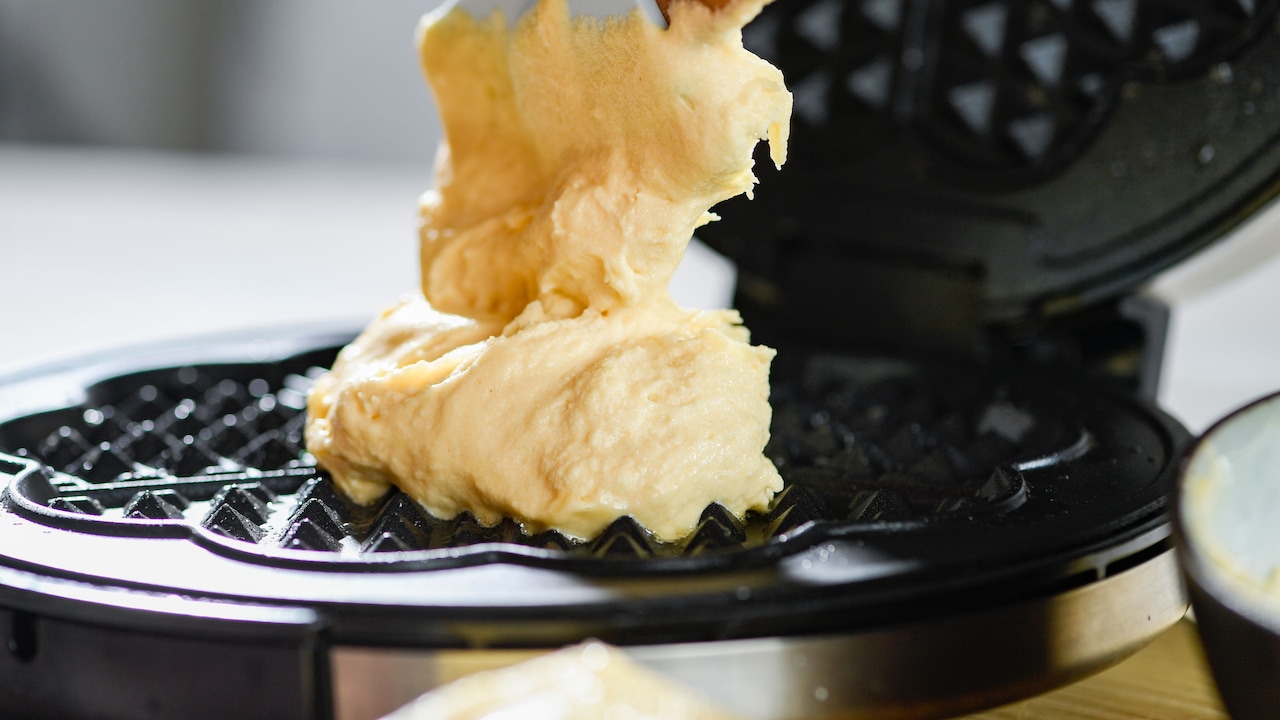
Why Are Waffles Crispy On Top But Soft Underneath? 10 Reasons And Fixes; Photo Credit: Pexels
8. Grease Or Batter Residue Is Coating The Bottom Plate
Waffle makers can look clean while hiding a thin film of cooked oil.
Over time, cooking spray, butter, batter drips and crumbs create residue across the plate. Once heated repeatedly, this layer can become stubborn and interfere with direct contact between the fresh batter and the hot surface.
The result isn't always dramatic. Sometimes you simply notice that waffles don't crisp as reliably as they used to.
Let the machine cool completely before cleaning it. Follow the manufacturer's care instructions, especially if the plates have a non-stick coating. Avoid metal scrubbers and sharp tools that can scratch the surface.
A soft cloth or non-abrasive sponge usually handles fresh residue. For batter stuck inside narrow grooves, a soft brush can help once everything has cooled.
Be cautious with aerosol cooking sprays as well. Some leave a sticky residue after repeated heating. If the appliance needs greasing, brushing a tiny amount of suitable oil onto the plates may work better.
A clean heating surface transfers heat more consistently, and waffles appreciate consistency almost as much as hungry people appreciate breakfast.
9. You Are Stacking Waffles Straight After Cooking
Sometimes the waffle maker isn't responsible at all.
Imagine the first waffle emerges beautifully crisp. It lands on a plate. The second one goes directly on top. Then another follows. By the time everyone sits down, the bottom surfaces have softened.
That's steam at work.
Fresh waffles continue releasing moisture after leaving the machine. Stack them while hot and that steam becomes trapped between layers. Instead of escaping, it condenses against neighbouring waffles and quietly undoes all the crisping the machine just achieved.
Place finished waffles separately on a wire rack instead. Air can circulate underneath, allowing steam to escape without soaking the crust.
Cooking several waffles for a family breakfast? Keep them warm in a low oven on a rack rather than piling them into a tower immediately.
Avoid covering them tightly with foil as well, since this traps moisture.
Stacking looks attractive when serving, so save it for the final moment. Build the dramatic waffle tower just before eating, then bring out the fruit, chocolate, nuts or syrup.
10. Your Waffle Maker Naturally Heats Unevenly
Sometimes the recipe isn't wrong. The cook isn't doing anything wrong either. The waffle maker simply has a personality.
Heating elements can distribute heat unevenly, particularly in budget models or appliances that have seen years of regular use. One area may become noticeably hotter than another, while the upper and lower plates may operate at slightly different temperatures.
You can test this without specialised equipment by observing several plain waffles. If the same sections remain pale while other areas consistently brown, uneven heating becomes a strong possibility.
Try rotating the waffle, if the appliance design allows it, during the later stage of cooking. Some flip-style waffle makers already address this problem by allowing batter and heat to distribute more evenly.
For fixed machines, extending the preheating period may help the plates stabilise.
If performance has deteriorated suddenly, however, the heating element or thermostat may have developed a fault. Don't dismantle an electrical appliance yourself unless the manufacturer specifically provides user-serviceable instructions.
When every batter adjustment produces the same lopsided result, the machine may finally deserve more suspicion than the recipe.
Some Waffle Makers Available Online That You May Like
1. Mr. TRU 3 in 1 Grill, Sandwich, Waffle Maker Machine
2. Borosil 1000W Neo Waffle Maker
3. Mini Waffle Maker|Portable Electric Non-Stick Waffle Iron
4. Russell Hobbs RST750WM 750W Electric Waffle Maker & Iron
5. CELLO Super Club Ultra 750 Watts Waffle Maker Black
6. Prestige Waffle Maker PWM 01
7. Libra 3 In 1 Sandwich Maker | Grill, Toast & Waffle Maker
A crisp-top, soft-bottom waffle usually comes down to heat, moisture or timing rather than culinary disaster. Start with longer preheating, sensible batter quantities and enough cooking time. Then look at batter consistency, plate cleanliness and steam management. And once those waffles finally develop that satisfying crunch on both sides, don't immediately stack them and steam it all away.
(Disclaimer: This article may include references to or features of products and services made available through affiliate marketing campaigns. NDTV Convergence Limited (“NDTV”) strives to maintain editorial independence while participating in such campaigns. NDTV does not assume responsibility for the performance or claims of any featured products or services.)