10 Reasons Popcorn Makers Leave Too Many Kernels Unpopped And How To Improve Popping
A handful of unpopped kernels is normal, but a bowl full of them points to heat, moisture or machine issues. Here are 10 common reasons popcorn makers leave kernels behind and simple ways to get a fuller, crunchier batch.
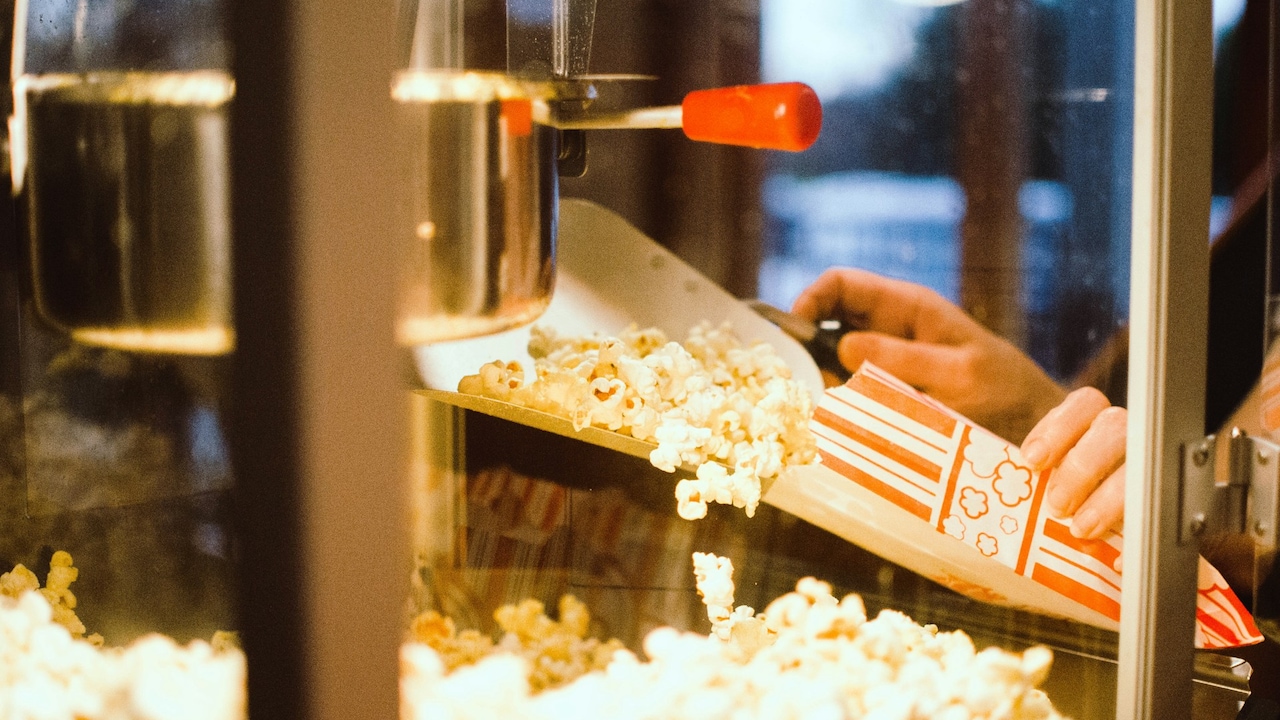
Why do some kernels never pop in a popcorn maker
Few kitchen sounds build anticipation quite like popcorn rattling furiously inside a maker. The first few pops arrive slowly, then suddenly the machine sounds like tiny firecrackers are going off inside it. You prepare the seasoning, find a large bowl and expect a generous pile of fluffy popcorn. Then comes the disappointing part: a stubborn layer of hard kernels sitting underneath. A few unpopped kernels, often called “old maids”, are perfectly normal. No popcorn maker can guarantee that every single kernel will burst. But when a noticeable part of every batch remains untouched, something else may be happening.
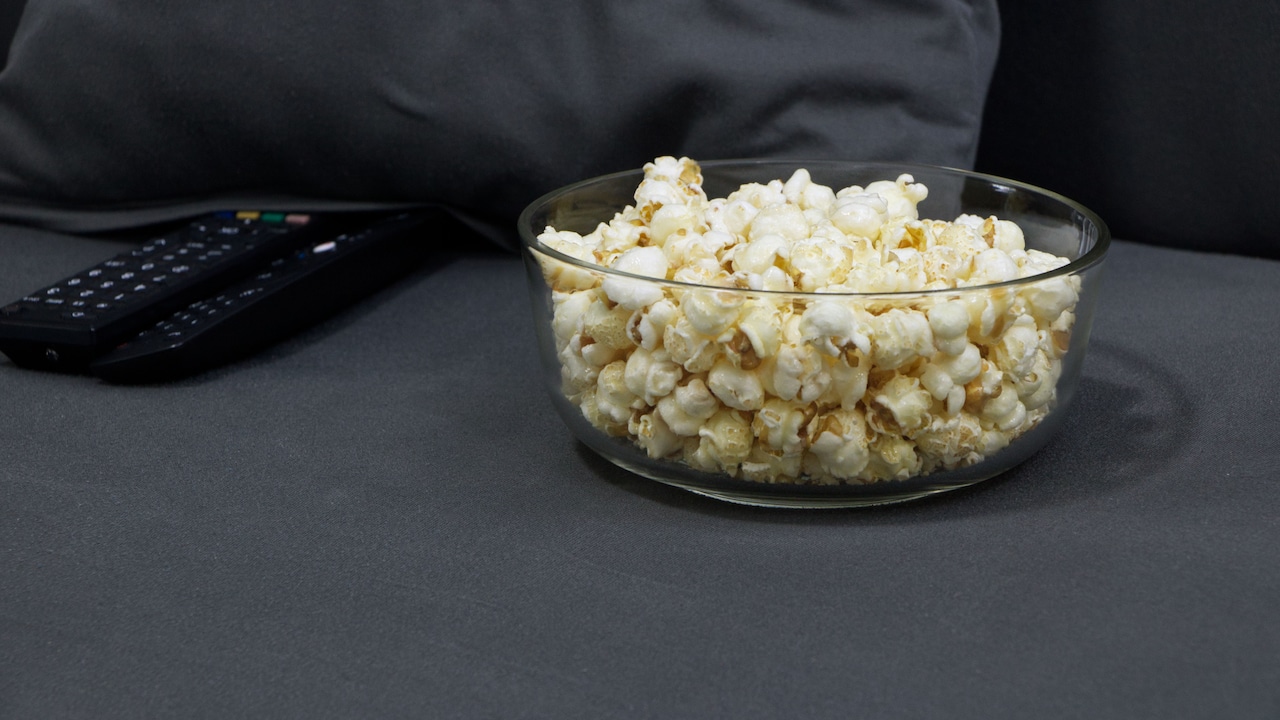
Why some kernels do not pop in a popcorn maker
Photo Credit: Pexels
Popcorn popping depends on a surprisingly precise combination of moisture, heat and pressure. Every kernel contains a small amount of water. Heat turns that water into steam, pressure builds inside the hard shell and eventually the kernel bursts. Anything that interferes with this process can leave you with more kernels than popcorn.
Also Read: 5 Mock Meat Options That Deliver A Meaty Taste Without The Meat
Before blaming the appliance, take a closer look at everything from kernel storage to batch size. Small adjustments can make a surprisingly big difference.
Why Some Kernels Refuse To Pop And What You Can Do About It
1. The Popcorn Kernels Have Lost Too Much Moisture
Popcorn may look completely dry, but every kernel needs a little moisture trapped inside it to pop properly. That moisture creates the steam responsible for building pressure inside the hull. Once the pressure becomes strong enough, the shell breaks and the starch expands into the fluffy popcorn we recognise.
Problems begin when kernels sit exposed to air for too long. Their internal moisture gradually decreases. The popcorn maker can heat them perfectly, yet there may simply not be enough water left inside to generate the pressure required for popping.
This often explains why an older packet suddenly gives poor results despite working well a few weeks earlier.
Keep kernels in a tightly sealed container rather than leaving an opened packet folded over in the cupboard. Store them somewhere cool and dry, away from direct sunlight or the heat around the hob.
If one particular packet consistently leaves a large number of kernels behind while a fresh packet pops normally, the machine probably isn't the culprit. Sometimes the popcorn itself has simply become too dry for the job.
2. The Kernels May Contain Too Much Moisture
Too little moisture causes problems, but so can too much. Popcorn kernels need a fairly narrow moisture range to create enough internal pressure while still allowing the outer shell to rupture at the right moment.
Kernels stored in a damp kitchen cupboard can gradually absorb moisture from humid air. This can affect how evenly they heat and may produce smaller, chewier pieces alongside kernels that never pop at all.
Humidity becomes particularly relevant during muggy weather. An opened bag of popcorn left near a sink, window or cooking area may absorb more atmospheric moisture than expected. The kernels might still look completely normal, so the change isn't always obvious.
A sealed container offers the easiest protection. Avoid refrigerating opened popcorn simply to keep it “fresh”, as temperature changes can encourage condensation when the container comes back to room temperature.
If freshly purchased kernels pop noticeably better than a packet that has spent several humid weeks in the cupboard, storage conditions deserve attention. Popcorn is inexpensive, but its moisture balance is surprisingly fussy. Treating kernels like a dry pantry ingredient rather than an indestructible snack ingredient can improve popping considerably.
3. The Popcorn Maker Hasn't Heated Up Properly
Starting with a cold machine may seem harmless, especially when the manufacturer doesn't explicitly demand preheating. However, some popcorn makers perform more consistently once their heating chamber reaches the proper temperature.
If kernels warm too gradually, they can lose moisture before sufficient steam pressure develops inside them. Instead of rapidly reaching popping temperature, they spend too long getting warm. A few may eventually burst while others remain frustratingly intact.
Whether preheating helps depends on the appliance. Some hot-air poppers should start with the kernels already inside, while certain oil-based machines work better after a short warm-up. Always follow the manufacturer's instructions rather than automatically leaving the appliance running empty.
Also notice whether popping performance improves during a second batch. If the first batch regularly leaves many kernels behind but the next one performs noticeably better, temperature could be playing a role.
Give the machine adequate time between plugging it in and expecting full heat where the instructions permit it. Popcorn needs fast, decisive heating. Lukewarm enthusiasm works for neither Monday mornings nor stubborn maize kernels.
4. You're Adding Too Many Kernels At Once
A bigger batch seems like an efficient idea when everyone wants popcorn at the same time. Unfortunately, overfilling the chamber can make popping less efficient rather than producing more food faster.
Popcorn makers rely on heat reaching kernels evenly. Hot-air models also need enough room for air to circulate and move the kernels around. Pack the chamber too tightly and some kernels may sit away from the strongest airflow or heat source.
As popped corn expands, the problem gets worse. Freshly opened pieces take up far more space than raw kernels. They can crowd the chamber and prevent remaining kernels from moving freely towards hotter areas.
Use the measuring cup supplied with the appliance whenever possible. That little cup isn't just packaging decoration. Manufacturers generally size it according to the chamber's capacity.
For a larger serving, make two correctly measured batches instead of forcing one oversized batch through the machine. It may add a few minutes, but you'll probably spend less time staring sadly at a bowl containing ₹50 worth of kernels that never fulfilled their popcorn potential.
5. The Kernels Aren't Moving Evenly Around The Heating Chamber
Movement matters more than it appears. Many popcorn makers constantly circulate kernels so each one repeatedly passes through the hottest part of the chamber. When that movement slows or becomes uneven, some kernels receive plenty of heat while others linger in cooler spots.
Grease, seasoning residue or tiny bits of popcorn can interfere with this circulation. In oil-based machines, an uneven surface or poorly positioned stirring arm may also leave certain sections of the chamber less active.
Watch the machine during operation where its design allows safe viewing. Kernels should generally remain active rather than forming a stubborn pile on one side.
Cleaning can make a noticeable difference. Once the machine has cooled and you've unplugged it, remove loose fragments and wipe surfaces according to the care instructions. Don't pour water into electrical components or improvise deep-cleaning methods that the manufacturer hasn't recommended.
Also make sure the popcorn maker sits on a flat, stable counter. A slight tilt can cause kernels to gather towards one edge, particularly in compact machines.
Good popcorn makers don't simply heat kernels. They keep them moving until heat reaches enough of the batch evenly.

Insufficient space can also prevent the kernels from moving and popping; Photo Credit: Pexels
6. The Heating Element Isn't Reaching The Right Temperature
Sometimes the kernels and technique are perfectly fine. The appliance itself may simply not be getting hot enough.
Popcorn requires temperatures high enough to turn internal moisture into steam rapidly. If the heating element weakens with age, develops a fault or struggles because of an electrical issue, kernels may become extremely hot without ever reaching effective popping conditions.
One clue is a gradual decline. Perhaps the machine once produced a full bowl within minutes but now takes noticeably longer. Maybe the popping begins normally and then fades even though plenty of kernels remain inside.
Avoid repeatedly running the appliance for longer than recommended in an attempt to force reluctant kernels open. Excess operating time can overheat the motor or other components without solving the underlying problem.
Test the same kernels in another suitable popping method if possible. If they pop normally elsewhere, the machine becomes a more likely suspect.
For appliances still under warranty, check the manufacturer's service options. A popcorn maker should produce heat quickly and consistently. When a once-reliable machine starts behaving as though popcorn is merely a suggestion, declining heating performance deserves investigation.
7. You're Using Kernels That Aren't Ideal For The Machine
Not every popcorn kernel behaves exactly the same way. Varieties differ in size, hull strength and expansion, and some popcorn makers handle certain kernel sizes better than others.
Compact hot-air machines can be particularly sensitive to very small kernels. Strong airflow may push lightweight kernels towards the chute before they become hot enough to pop. At the opposite extreme, unusually large kernels may not circulate efficiently in a chamber designed around standard sizes.
This can create a confusing situation where the popcorn maker seems faulty with one packet yet works beautifully with another.
Before giving up on the appliance, experiment with a standard plain popping-corn variety. Avoid flavoured microwave popcorn mixtures, heavily coated kernels or corn that isn't specifically sold for popping unless the manufacturer says the machine can handle it.
Different varieties also produce different shapes. “Butterfly” popcorn opens into irregular wings and works well for everyday snacking, while “mushroom” varieties form rounder pieces often used for coatings such as caramel. Both can pop well, but individual machines may show preferences.
Finding a kernel that works reliably with your particular appliance can remove much of the guesswork from future movie nights.
8. Oil Quantity Is Affecting Heat Transfer
This point applies to machines designed for oil rather than hot-air poppers. Oil isn't merely there for flavour. It helps transfer heat efficiently across the surface of each kernel.
Using too little can create uneven contact with heat, particularly when kernels aren't being stirred effectively. Some may reach popping temperature while others remain cooler.
Pouring in far too much isn't helpful either. Excess oil can interfere with movement, make popcorn unnecessarily greasy and create more residue inside the machine.
Follow the quantities recommended by the manufacturer instead of estimating with a generous splash from the bottle. Different appliances need different ratios, so a technique that works perfectly in a kadai may not translate directly to an electric popcorn maker.
Choose an oil suitable for the temperatures involved and avoid adding butter directly to the heating chamber unless the instructions specifically allow it. Butter contains milk solids and water, which can burn and leave stubborn deposits.
Hot-air poppers generally need no oil inside the chamber at all. Adding it where the appliance doesn't permit it can create both performance and safety problems.
Here, more definitely doesn't mean better. Correct quantity wins.
9. Old Residue Is Creating Uneven Heating
Popcorn makers often look reasonably clean after use. The popped corn comes out, the loose kernels get tipped away and there doesn't seem to be much mess. Over time, however, thin layers of oil, starch and seasoning can build up in less obvious places.
That residue can interfere with heat transfer. In machines with stirring mechanisms, sticky deposits may also prevent parts from moving as smoothly as they should.
The change happens gradually, which makes it easy to blame a new packet of kernels instead.
Clean the appliance regularly according to its manual rather than waiting until the chamber looks obviously dirty. Allow it to cool completely first and unplug it before touching internal surfaces.
Pay particular attention to removable parts, corners and areas around stirring components. Avoid abrasive scrubbers if the chamber has a non-stick coating because scratches can create even more places for residue to collect.
Seasoning also belongs in the bowl unless your machine specifically supports adding it during popping. Masala, salt, powdered cheese and sugar can taste excellent afterwards but may burn onto hot internal surfaces during operation.
A cleaner machine won't guarantee perfection, but it gives every kernel a much fairer chance.
10. You're Stopping The Machine Too Early
The dramatic burst of popping eventually slows, and that often feels like the obvious moment to switch the machine off. Yet several kernels may still be close to popping.
Stopping too early leaves those almost-ready kernels at the bottom of the chamber. On the other hand, leaving the appliance running endlessly isn't the answer because finished popcorn can scorch and the machine may overheat.
The trick lies in listening to the interval between pops and following the appliance's recommended operating time. Many machines reach a stage where popping slows to a few seconds between bursts. That's usually a better indicator than simply switching off as soon as the loudest popping ends.
Don't attempt to rerun a tiny handful of leftover kernels repeatedly. Kernels that failed once may have cracked hulls, unsuitable moisture levels or structural defects that stop them from building enough internal pressure.
A few leftovers are therefore completely normal. The goal isn't a mathematically perfect bowl with zero hard kernels. It's reducing an unusually large leftover pile.
Sometimes the last five stubborn kernels simply aren't interested in joining the party, and no amount of encouragement will change their minds.
Products Related To This Article
1. Aluminum Popcorn Making Machine and Big Home Use Electric Big Popcorn Maker Making Machine
2. 1200W Hot Air Popcorn Maker Machine | Oil-Free Electric Popper
3. Lifelong Electric Popcorn Maker Machine for Home
4. 1200W Hot Air Popcorn Maker Machine
5. InstaCuppa Hot Air Electric Popcorn Maker
6. VINSU Popcorn Machine Big Vintage Collection and Electric Popcorn Maker Making Machine
7. Portable Electric Hot Air Popcorn Maker 1200W
A popcorn maker doesn't need to pop every kernel to work well, but consistently large leftovers usually point to something fixable. Fresh kernels, correct storage, sensible batch sizes, proper heating and regular cleaning can all improve results. Pay attention to how the machine behaves across several batches rather than judging it once. With a few small adjustments, more of those kernels can end up where they belong: fluffy, crunchy and ready for seasoning.
(Disclaimer: This article may include references to or features of products and services made available through affiliate marketing campaigns. NDTV Convergence Limited (“NDTV”) strives to maintain editorial independence while participating in such campaigns. NDTV does not assume responsibility for the performance or claims of any featured products or services.)