10 Room And Speaker-Placement Problems That Make One Seat Sound Better Than Another
If your home theatre sounds brilliant from one chair and oddly flat from another, the speakers may not be the problem. Room shape, walls, furniture and speaker placement can change what reaches each seat.
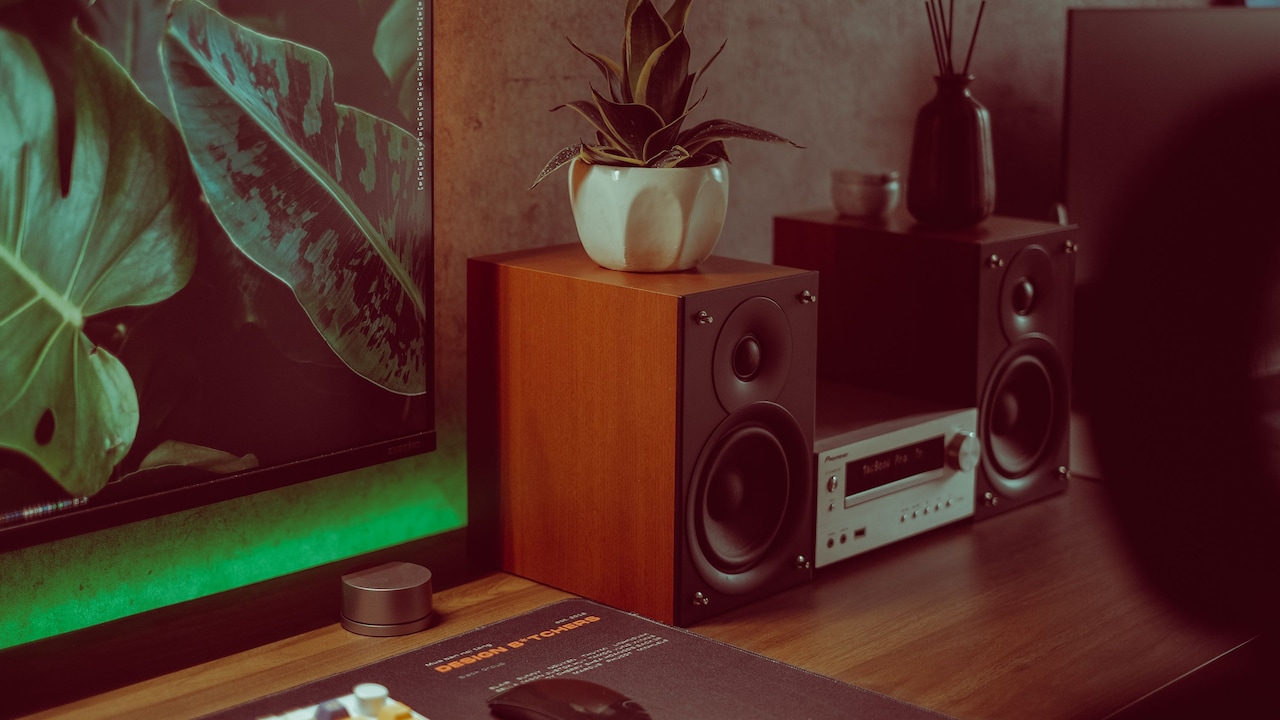
What make home theatre systems sound better in one seat
A home theatre can have excellent speakers, a powerful subwoofer and a carefully chosen amplifier, yet somehow only one seat gets the full cinematic treatment. Sit in the middle and dialogue sounds crisp, bass lands with satisfying weight and background music spreads naturally across the room. Move two feet sideways, and suddenly the bass disappears, voices seem to drift towards one speaker and that expensive surround setup feels considerably less impressive. This uneven sound isn't necessarily a sign of faulty equipment. Sound travels through a room, hits walls, ceilings, floors and furniture, then reaches your ears through several different paths. Where you sit changes the combination you hear.
Common mistakes to avoid when setting up your home theatre systems
Photo Credit: Pexels
Even modest changes matter. A sofa pushed against a wall, one speaker tucked beside a cabinet or a subwoofer placed wherever the plug socket happens to be can create major differences between seats.
Also Read: Top 5 Bluetooth Speakers For Home Parties Under ₹6,000
Before replacing perfectly good speakers, it helps to investigate the room itself. These 10 placement problems explain why one chair can sound like the premium seat while everyone else gets the budget version.
Why Your Room Creates Uneven Sound Across Different Seats
1. The Main Speakers Aren't Equally Distant From The Listening Area
Stereo sound relies heavily on timing. When the left and right speakers sit roughly the same distance from the main listening position, sound from both reaches your ears at nearly the same time. That helps create a convincing centre image, where vocals and dialogue seem to come from between the speakers rather than directly from either box.
Problems begin when the seating arrangement favours one side. Perhaps the television sits slightly off-centre because a door occupies one wall. Maybe one speaker has enough space beside the TV while the other gets pushed towards a corner.
From the central chair, the imbalance may remain relatively subtle. Move towards the nearer speaker, however, and its sound can dominate. Dialogue shifts sideways, instruments lose their intended position and the stereo image collapses.
Start by checking speaker-to-seat distances rather than judging symmetry by eye. Even if the room prevents perfect placement, small adjustments to speaker position, angle or receiver distance settings can reduce the difference considerably.
2. One Speaker Is Too Close To A Side Wall
Rooms rarely offer perfectly empty walls on both sides of a television. One side may open into a passage while the other has a solid wall, cabinet or window. That asymmetry changes how each speaker behaves.
A speaker positioned close to a side wall produces direct sound, but the wall also reflects part of that sound towards listeners. Depending on the distance involved, the reflection can reinforce certain frequencies while weakening others. The result may make one speaker seem brighter, louder or heavier than its partner.
The strange part is that the effect changes according to where you sit. A reflection that reaches one chair at an awkward angle might barely affect another.
Try creating similar amounts of breathing room around both front speakers where the layout allows it. If one wall remains unavoidable, soft furnishings can sometimes tame aggressive reflections. Curtains, upholstered furniture or an acoustically useful wall treatment may help more than repeatedly turning one speaker's volume down and wondering why the balance still feels wrong.
3. The Sofa Is Pushed Directly Against The Back Wall
Pushing a sofa against the wall seems wonderfully practical. It creates floor space, keeps the room looking open and leaves fewer opportunities to stub a toe while navigating a dark home theatre. Acoustically, though, that convenient position can cause trouble.
Low-frequency sound tends to build up near room boundaries. A listener sitting directly against the rear wall may therefore hear much stronger bass than someone positioned farther forward. Instead of a clean thump from a drum or film explosion, the back-row listener gets a thick, lingering boom.
There can also be strong reflections from the wall immediately behind your head. These arrive shortly after the direct sound from the speakers and can affect clarity.
Moving the sofa forward even a modest distance can change things noticeably. There doesn't need to be enough space behind it for a dance floor. The aim is simply to avoid placing every listener directly at a major boundary where bass and reflections can become exaggerated.
4. The Subwoofer Is Sitting In A Convenient But Unhelpful Spot
Subwoofers often get placed according to interior-design diplomacy. Somewhere near a plug socket, preferably out of sight, and ideally where nobody complains about the large black box ruining the décor.
Unfortunately, low-frequency sound doesn't care about aesthetics.
Bass waves interact strongly with the dimensions of a room. Certain locations can create powerful peaks where bass sounds unusually loud, while other positions produce cancellations known as nulls. Sit in a null and a bass note can almost disappear even though someone a few feet away feels it shaking the sofa.
This explains the classic home-theatre mystery where one person asks for more bass while another insists the room is already vibrating enough.
Experimenting with subwoofer position can deliver a bigger improvement than simply increasing its volume. A common approach involves temporarily placing the subwoofer near the main listening position, playing bass-heavy material and checking different spots around the room for smoother bass. The most practical good-sounding location can then become the subwoofer's new home.
5. The Listening Seat Falls Into A Bass Null
Sometimes the speakers aren't misplaced at all. The chair is.
Room dimensions create standing waves at particular bass frequencies. When reflected waves interact with incoming ones, some locations experience reinforcement while others experience cancellation. A seat positioned in one of those cancellation zones may receive remarkably little bass at certain frequencies.
This can create confusing results. You might raise the subwoofer level because the centre seat sounds thin, only to make the neighbouring seats unbearably bass-heavy. Buying a larger subwoofer won't necessarily fix the underlying problem either. It may simply produce a more powerful version of the same unevenness.
Try moving the listening position forward or backwards in small increments while playing familiar bass-heavy music. The difference can become obvious surprisingly quickly.
This is also why positioning a sofa at mathematically neat fractions of the room isn't always helpful. The exact centre, for example, may coincide with troublesome room modes. Sometimes an apparently insignificant seat adjustment solves a problem that hours of menu tweaking couldn't.
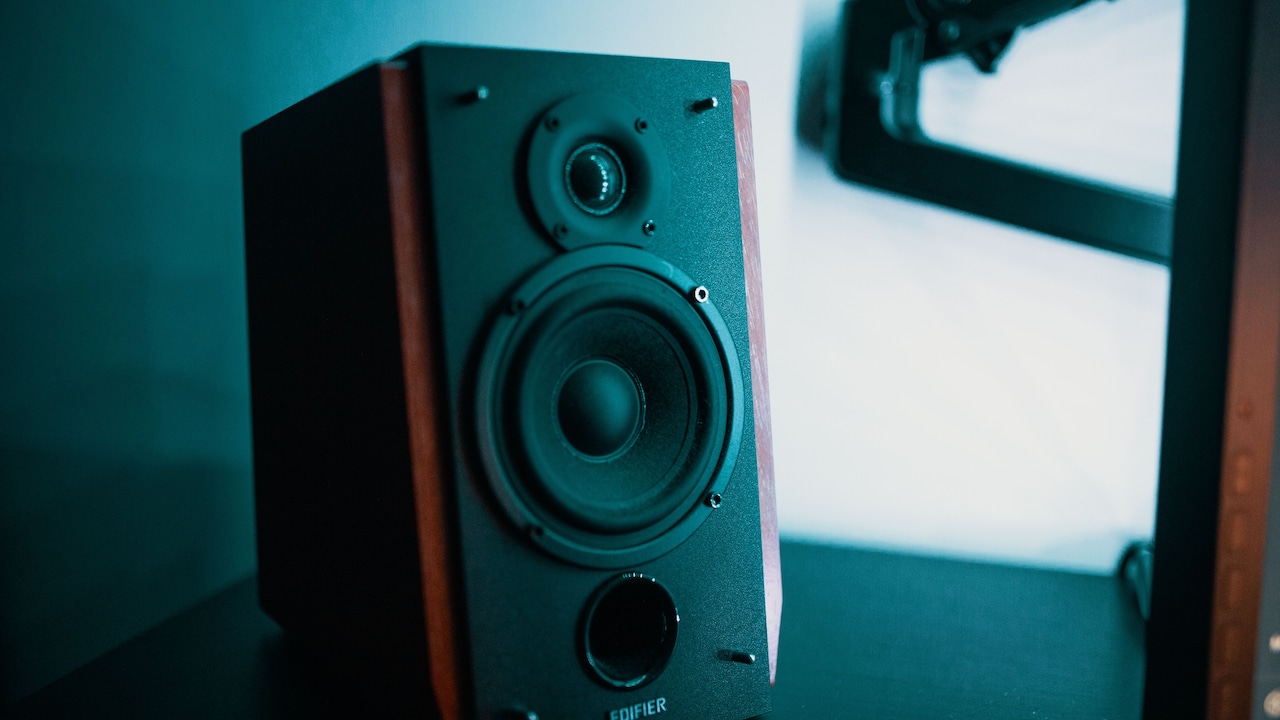
Sometimes the chair placement can also affect the sound quality of home entertainment systems; Photo Credit: Pexels
6. The Front Speakers Are Pointing At Only One Chair
Speaker angle matters almost as much as speaker location. Many speakers become more directional at higher frequencies, meaning treble changes as listeners move away from the axis of the tweeter.
If both front speakers point directly towards one central chair, that position may receive wonderfully detailed sound. Someone seated farther to the side hears the speakers from a different angle and may notice duller treble, weaker imaging or an uneven tonal balance.
Aggressive toe-in can therefore create a spectacular "sweet spot" that's barely wide enough to share.
Experiment with smaller angle changes before moving the speakers themselves. Pointing them slightly less directly at the central listener can sometimes widen the useful listening area. Speaker designs behave differently, so there isn't one magic angle.
The goal isn't necessarily to make every chair sound absolutely identical. That's rarely realistic in an ordinary living room. Instead, aim for a sensible compromise where the favourite seat still sounds excellent without making the person beside you wonder where half the soundtrack went.
7. The Centre Speaker Is Too High, Too Low Or Hidden
For films and television, the centre speaker carries enormous responsibility. Dialogue usually lives there, along with plenty of important on-screen sound. Yet the centre channel often gets one of the least favourable positions in the entire system.
It may sit inside a TV cabinet, near the floor or on a shelf well above ear level. Decorative objects may occupy the space directly in front of it. Sometimes a deep entertainment unit surrounds the speaker on several sides.
A central listener may still hear acceptable dialogue because they're directly in front of it. Off-axis listeners can suffer more. High frequencies may become less clear, and voices can sound muffled or disconnected from the screen.
Aim the centre speaker towards seated ear height where possible. If it sits below the television, tilting it slightly upwards can help. Keep its front unobstructed rather than pushing it deep inside furniture. A small repositioning can improve dialogue clarity across several seats without touching the volume control.
8. Hard Surfaces Are Creating Strong Early Reflections
A minimalist room can look beautiful while behaving like an enthusiastic echo chamber. Bare tiled floors, large windows, plain walls and glossy furniture all reflect sound efficiently.
The first reflections from the side walls, floor and ceiling arrive shortly after the direct sound from the speakers. When they're strong enough, they can blur stereo imaging and alter tonal balance. Crucially, these reflections don't affect every seat equally.
One listener may sit where reflected and direct sound combine fairly smoothly. Another might occupy a spot where they interfere more dramatically.
Fortunately, improving the situation doesn't require turning the living room into a recording studio covered in foam panels. Ordinary furnishings can help. Curtains over large glass areas, a rug between speakers and sofa, bookshelves and upholstered seating all influence reflections.
Think of the room as part of the audio system rather than empty space around it. Speakers create the sound, but every hard surface gets a small opportunity to remix what eventually reaches the sofa.
9. Furniture Is Blocking One Speaker More Than Another
That stylish armchair, tall side table or decorative cabinet may have quietly joined your sound system, just not in a particularly helpful role.
Sound needs a reasonably clear path between speaker and listener, especially at middle and higher frequencies. Large objects positioned directly in that path can absorb, scatter or reflect part of the sound before it reaches a particular seat.
The effect often goes unnoticed because the room still looks symmetrical enough. A speaker might appear completely visible from the main chair but become partially blocked when viewed from the end of the sofa.
This problem commonly affects surround speakers too. One rear speaker may fire across open space while another sends sound straight into a tall sofa back.
Sit in each regular listening position and physically look towards every important speaker. If cushions, furniture or décor obstruct the line of sight, consider raising, moving or angling the speaker. Before buying additional equipment, moving a ₹0 cushion may occasionally produce the most satisfying upgrade available.
10. Surround Speakers Are Positioned For The Room, Not The Seats
Surround speakers frequently end up wherever installation seems easiest. Wall corners provide convenient mounting spots, existing shelves avoid drilling and power points dictate where active speakers can sit. The resulting arrangement may suit the room beautifully while treating listeners very differently.
Place one surround speaker too close to an end seat and that listener may hear it as an obvious box beside their head. Instead of ambient sound wrapping naturally around the room, every effect announces exactly which speaker produced it.
Meanwhile, the opposite seat may receive considerably less surround information because of distance or obstruction.
A little height can help surround speakers cover a broader seating area, although the ideal arrangement depends on the audio format and speaker system. Correct channel calibration matters too. Automatic room correction can compensate for distance and level differences, but it can't completely rescue physically poor placement.
Check the system from several seats after calibration. Home theatre shouldn't have one royal throne surrounded by chairs for unfortunate supporting characters.
Products Related To This Article
1. boAt Aavante Prime 5.1 5000D
2. Sony HT-S20R Real 5.1ch Dolby Digital Soundbar for TV with subwoofer
3. ZEBRONICS 90 Watts, Compact Soundbar
4. GOVO GOSURROUND 600 | 90W Soundbar
5. Intex 2100 Pro Auxiliary, Bluetooth Deep Bass Home Theater with Subwoofer
6. boAt Aavante 2.1 1200, 120W Signature Sound
7. OBAGE Classic-6 4.1 Home Theatre System
When one seat consistently sounds better than another, upgrading the speakers shouldn't be the first response. The room, seating position and speaker placement often explain far more than the equipment itself. Small changes in angles, distances, furniture and subwoofer position can dramatically improve consistency. Perfect sound in every chair may remain unrealistic, but nobody should need to reserve the centre cushion just to hear the film properly.
(Disclaimer: This article may include references to or features of products and services made available through affiliate marketing campaigns. NDTV Convergence Limited (“NDTV”) strives to maintain editorial independence while participating in such campaigns. NDTV does not assume responsibility for the performance or claims of any featured products or services.)