Common Reasons Why Dryers Take Longer To Dry Clothes, And How To Fix It
A clean lint filter doesn't always mean a fast drying cycle. From hidden lint and blocked vents to overloaded drums and damp sensors, these common problems can quietly make a clothes dryer work much longer than expected.
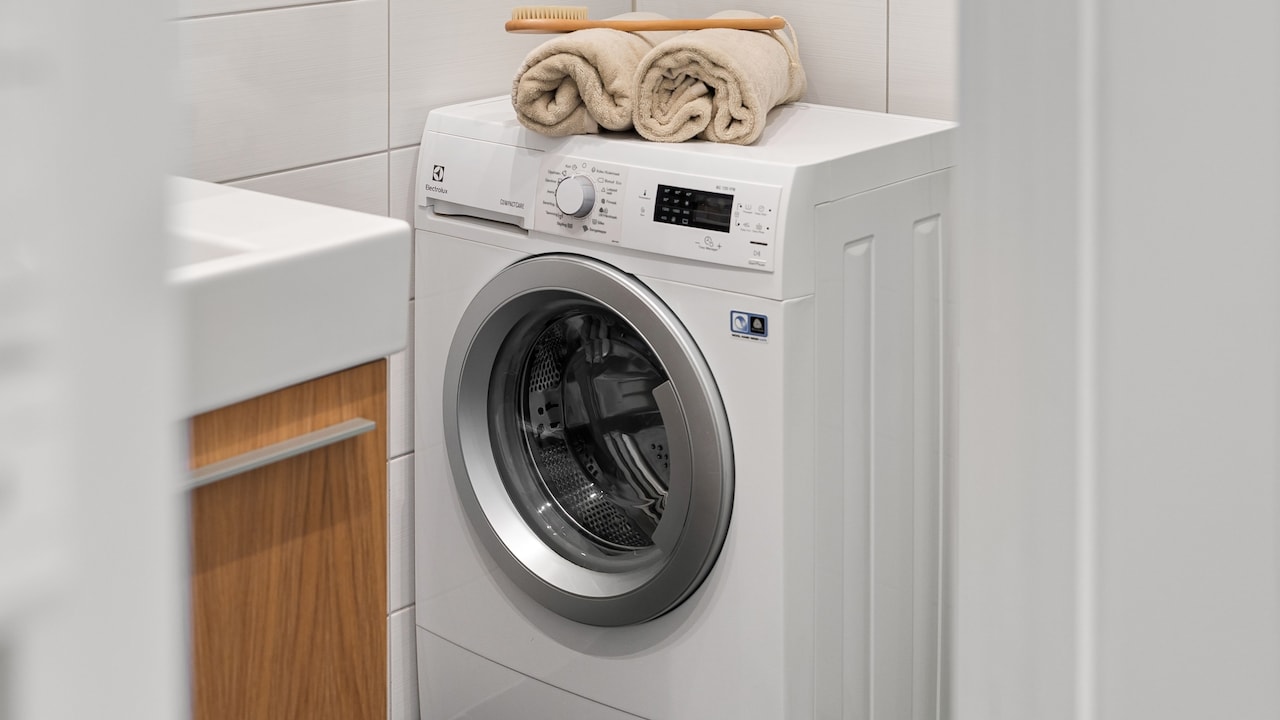
Discover tips and tricks for effective drying in the clothes dryer
A clothes dryer that suddenly needs two cycles to finish one load can test anyone's patience. The obvious suspect usually sits right inside the door: the lint filter. Pull it out, clean away the fluff, slide it back in and surely the problem should disappear. Except sometimes it doesn't. That's because drying clothes involves much more than generating heat. The machine needs steady airflow, enough room for fabrics to tumble, accurate moisture readings and a clear route for humid air to escape. Something as simple as pushing the dryer too close to the wall can interfere with that process.
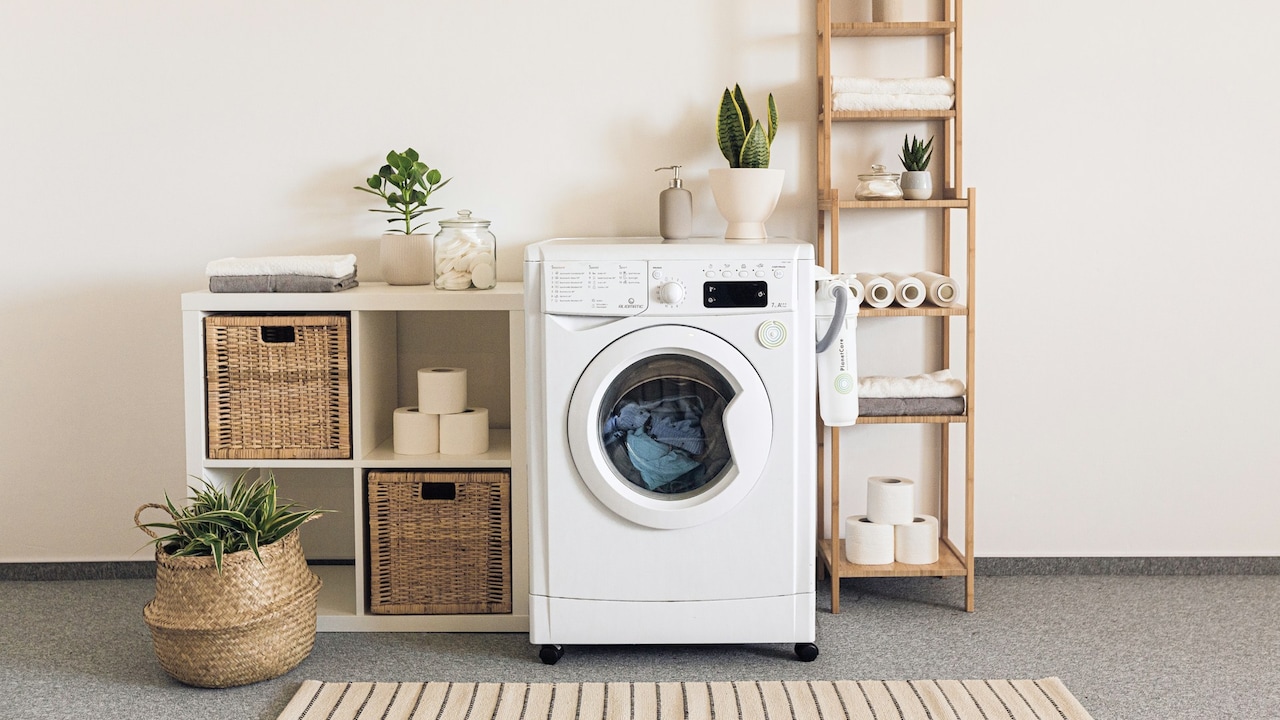
Hidden reasons why clothes take longer to dry in dryer; Photo Credit: Unsplash
The confusing part is that many drying problems remain invisible. The lint screen looks spotless. The drum gets warm. The machine runs normally. Yet towels still come out slightly damp after what feels like an eternity.
Also Read: No Dryer, No Problem: Top Washing Machines That Cut Drying Time In Half
Before assuming the dryer has reached the end of its life, it helps to look beyond the lint filter. Here are 10 reasons drying times can stretch unexpectedly, including several that are surprisingly easy to overlook.
Why A Clean Lint Filter Doesn't Always Mean Faster Drying
1. The Exhaust Vent Has Collected Lint
Cleaning the lint filter after every load is useful, but it catches only part of what comes off clothing. Tiny fibres can slip through the screen and travel into the exhaust system. Over months or years, some of that lint settles along the vent.
The problem grows gradually, which makes it easy to miss. The dryer may first take an extra ten minutes. Later, thick towels might require another complete cycle.
A dryer needs to push warm, moisture-heavy air away from the drum. When lint narrows the exhaust path, that humid air escapes more slowly. Clothes keep tumbling in an increasingly damp environment, so additional heat alone doesn't solve the problem.
Pay attention to changes rather than waiting for the vent to become completely blocked. Clothes taking noticeably longer, excessive heat around the appliance or weak airflow at the external vent can all deserve investigation.
A filter that looks perfectly clean therefore tells only half the story. The hidden route behind it matters just as much.
2. The Vent Hose Is Bent Or Crushed
Sometimes there's no dramatic lint blockage at all. The culprit may simply be a hose that has lost its shape.
Dryers usually connect to an exhaust outlet through ducting behind the appliance. Push the dryer backwards while cleaning the floor or rearranging the laundry area and that duct can become compressed between the machine and the wall. Flexible hoses may also develop sharp bends.
Air doesn't move efficiently through a flattened or badly kinked passage. The machine may still produce plenty of heat, yet the moisture released from clothing struggles to leave the drum quickly enough.
This problem can appear immediately after shifting the appliance, which offers a useful clue. If drying times suddenly increase after moving the dryer, check the space behind it rather than assuming an internal component has failed.
The solution can sometimes be as simple as giving the machine enough clearance and straightening the duct appropriately. It's a small detail, but dryers depend heavily on airflow. Even a powerful appliance performs poorly when its exit route resembles a squeezed drinking straw.
3. The Dryer Is Simply Too Full
That overflowing laundry basket can make one enormous dryer load seem wonderfully efficient. Fewer cycles, less effort, job done. Unfortunately, stuffing the drum often creates the opposite result.
Clothes need room to lift, separate and fall as the drum rotates. This tumbling action exposes different parts of each garment to moving warm air. Pack the drum tightly and fabrics remain pressed against one another instead.
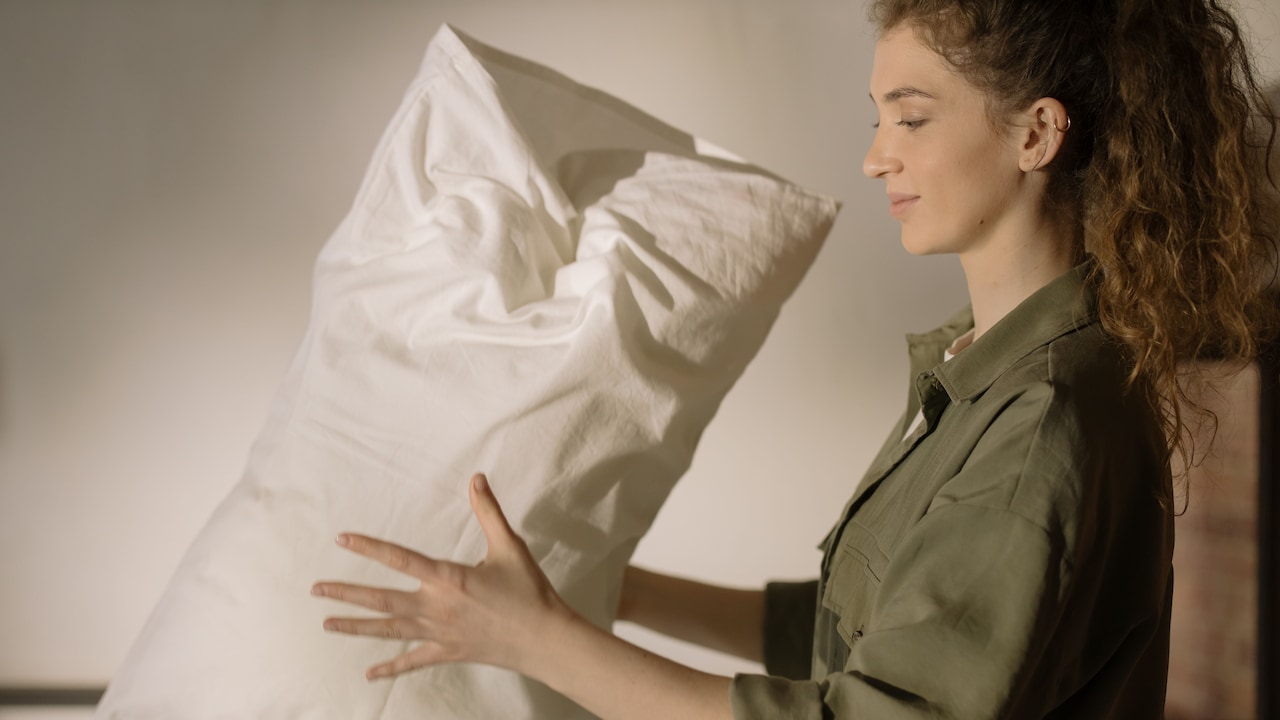
Large bedsheets make the situation particularly obvious. They can twist around smaller clothes, creating a surprisingly effective fabric parcel. The clothes trapped inside stay damp while the outside feels nearly dry.
An overloaded machine may therefore run far longer than two sensibly sized loads would have taken.
A useful approach is to think about movement rather than simply whether everything physically fits inside the drum. There should be enough empty space for laundry to tumble freely.
That partly empty drum isn't necessarily wasted capacity. It's working space. Giving clothing enough room can improve airflow, reduce tangling and help the dryer remove moisture much more efficiently.
4. The Washing Machine Leaves Clothes Too Wet
The dryer sometimes gets blamed for a problem that started one appliance earlier.
Clothes should leave the washing machine damp, not dripping. A strong final spin removes a substantial amount of water before anything reaches the dryer. If the washer uses a low spin speed, struggles with an unbalanced load or ends the cycle prematurely, more water remains trapped in the fabric.
The dryer must then remove all that extra moisture.
Heavy cotton garments show the difference quickly. Pick up a towel after washing. If it feels unusually heavy with water, the dryer will naturally need additional time to finish the job.
Check the selected wash programme too. Delicate cycles often use gentler or slower spins to protect fabrics. That makes sense for the clothing, but it may leave those pieces wetter than a regular cycle would.
This doesn't mean cranking every garment through the fastest possible spin. Fabric-care instructions still matter. However, when drying time suddenly increases, checking how wet the laundry feels before loading the dryer can prevent an unnecessary appliance investigation.
5. The Moisture Sensors Have A Hidden Film
Many modern dryers decide when to stop by sensing how much moisture remains in the clothes. That sounds straightforward, but those sensors can get surprisingly dirty without looking particularly grimy.
Residue from fabric softeners and laundry products may leave a thin coating on the sensor surface. Unlike fluffy lint, this film isn't always obvious at a glance.
Once coated, the sensors may struggle to judge the load accurately. Depending on the machine and programme, that can contribute to cycles running longer than expected or ending before clothes have dried evenly.
Location varies between models, but moisture sensors often sit inside the drum where tumbling laundry can make contact with them. Your appliance manual can help identify the exact position and recommended cleaning method.
This is one reason regular dryer maintenance shouldn't stop at pulling fluff from the lint screen. Surfaces inside the machine also interact with the drying system.
When an automatic programme starts behaving strangely while timed programmes appear more predictable, the moisture-sensing system becomes particularly worth checking.
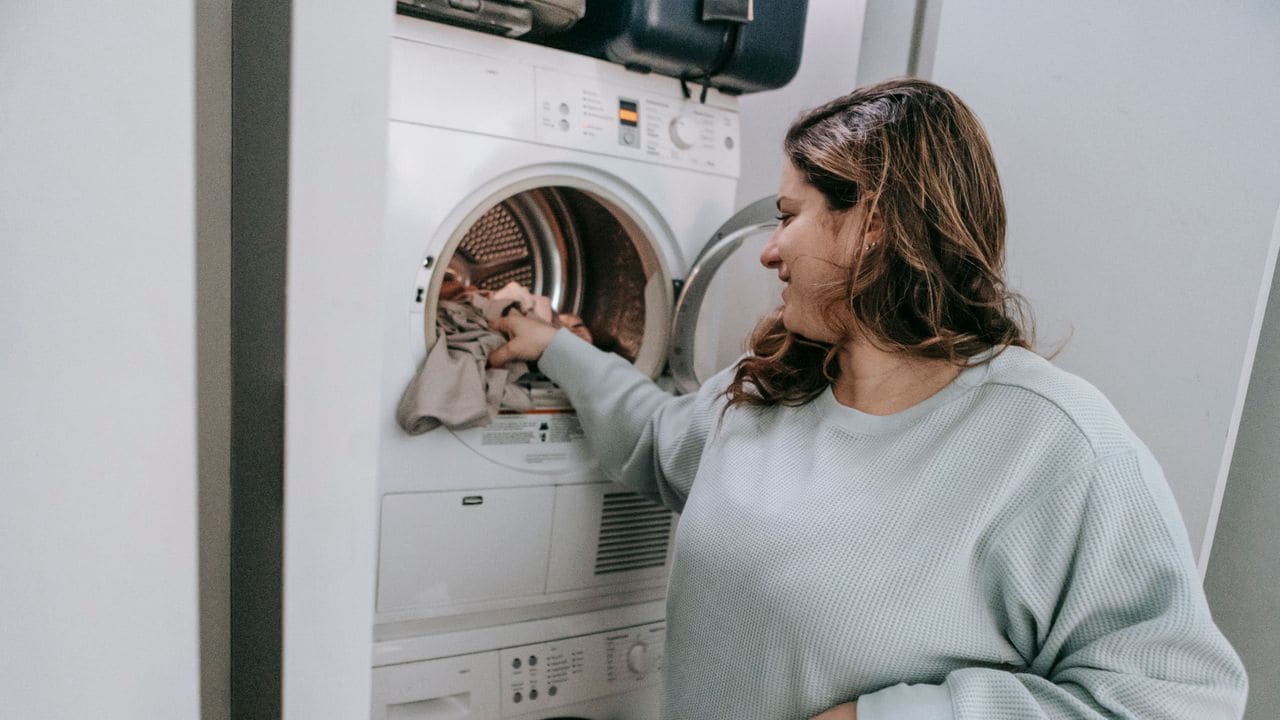
Sometimes the moisture sensors can also be responsible for clothes taking longer to dry; Photo Credit: Pexels
6. The Lint Filter Looks Clean But Isn't Breathing Properly
A lint filter can look spotless and still restrict airflow.
Laundry products can leave an extremely fine film across mesh screens. Dryer sheets and fabric conditioners are common contributors. The coating may be nearly invisible, so holding up the filter reveals nothing more alarming than a normal-looking piece of mesh.
Yet airflow can suffer.
A simple observation can reveal the difference. If the mesh feels waxy or water tends to sit on its surface rather than passing through easily, residue may have accumulated.
Follow the dryer manufacturer's instructions for cleaning the screen thoroughly rather than relying only on removing visible lint. Some filters tolerate gentle washing while others may have different care requirements.
This hidden build-up explains why the familiar routine of scraping away fluff sometimes makes absolutely no difference to drying time. Removing lint clears the obvious debris but doesn't necessarily remove residue embedded across the mesh.
Think of the filter as an air passage rather than just a lint catcher. It needs to remain physically clean enough for air to move through it freely.
7. Heavy And Lightweight Fabrics Are Drying Together
A cotton bath towel and a lightweight synthetic T-shirt may start a dryer cycle together, but they certainly won't finish drying at the same pace.
Thick fabrics hold considerably more moisture. Towels, denim, hoodies and heavy cotton bedding can remain damp long after thin garments feel ready to wear.
Mixed loads can therefore create misleading results. An automatic sensor may detect plenty of dry clothing while a few dense pieces still contain moisture. Alternatively, the programme may continue running because those stubborn items haven't finished drying, leaving everything else tumbling unnecessarily.
Bedsheets create another variation of the same headache. Smaller garments can become wrapped inside them, shielding damp fabric from circulating air.
Sorting doesn't need to become a complicated laundry ritual. Separating noticeably heavy items from quick-drying ones can already make cycles more predictable.
When one pair of jeans seems responsible for keeping an entire load hostage for another twenty minutes, the dryer might not be malfunctioning. The clothes simply have very different drying requirements.
8. The Room Around The Dryer Has Poor Ventilation
The dryer's surroundings can influence performance more than expected.
An appliance squeezed into a tiny enclosed utility space may struggle if the area becomes excessively hot or lacks adequate ventilation. Dryers need appropriate conditions around them to release heat and, depending on the dryer type, manage moisture efficiently.
Condenser and heat-pump models work differently from traditional vented dryers, but room conditions can still matter. Always follow the installation requirements specified for the particular appliance rather than assuming every dryer can sit comfortably in any corner.
Also resist the temptation to surround the machine with baskets, boxes, cleaning products and folded laundry. Blocking vents or reducing required clearance can interfere with normal airflow.
The change may feel puzzling because the appliance itself hasn't broken. Move things around, close a utility cupboard or shift the dryer into a tighter position, however, and drying performance can change.
A laundry area doesn't need to look like a showroom. It just needs to give the appliance the breathing room its manufacturer recommends.
9. The Heat Exchanger Or Condenser Needs Cleaning
Owners of condenser or heat-pump dryers have another maintenance area to remember: components responsible for exchanging heat and managing moisture.
Depending on the dryer design, lint and dust can accumulate around filters, heat exchangers or condenser sections. Restricted airflow through these areas can make the appliance work less efficiently and extend drying cycles.
This maintenance step often gets forgotten because it isn't part of the familiar after-every-load routine. The lint screen gets attention constantly while another filter or component quietly gathers debris elsewhere in the machine.
The exact cleaning procedure differs significantly between dryers. Some models have accessible components that owners can clean periodically. Others use self-cleaning systems or components that shouldn't be removed manually.
That makes the appliance manual particularly important here. Avoid poking, brushing or washing internal parts unless the manufacturer specifically recommends it.
If drying performance has gradually declined despite sensible load sizes and a clean lint screen, checking the model's scheduled maintenance requirements can uncover something that months of ordinary filter cleaning never addressed.
10. A Heating Or Airflow Component Is Starting To Fail
Sometimes the laundry habits are fine, the filters are clean and the ventilation looks perfectly reasonable. At that point, the dryer itself may need professional attention.
Heating elements, thermostats, temperature sensors, fans and other components help the machine create and circulate appropriately heated air. When one starts malfunctioning, performance may deteriorate before the appliance stops working completely.
A dryer that tumbles normally but barely warms the clothes gives an obvious clue. Other faults can be subtler. The machine may heat inconsistently, stop heating during part of the cycle or fail to circulate air effectively.
Repeatedly adding more drying time only treats the symptom. It can also waste electricity while leaving the actual fault untouched.
Watch for unusual behaviour alongside slower drying: unfamiliar noises, error messages, burning smells, excessive heat or major changes in cycle performance deserve attention. Stop using the appliance if something appears unsafe.
When straightforward maintenance doesn't restore normal drying times, professional diagnosis makes more sense than dismantling the machine at home. Electrical and heating systems aren't ideal territory for experimental DIY repairs.
Products Related To This Article
1. Electrolux 7.5Kg Vented Dryer Machine for Clothes
2. Portable Electric Tumble Dryer
3. IFB 5.5 Kg Dryer Only, Fully Automatic Front Load
4. AGARO Regal Portable Clothes Dryer
5. CostarMatter Clothes Warmer
A clean lint filter is important, but it doesn't guarantee a quick drying cycle. Vent restrictions, oversized loads, wet laundry, mixed fabrics, dirty sensors and neglected internal components can all stretch drying times. Start with the simple airflow and loading checks, follow the appliance's maintenance instructions and pay attention to sudden changes. Sometimes the dryer isn't asking for another hour. It's asking for a little detective work.
(Disclaimer: This article may include references to or features of products and services made available through affiliate marketing campaigns. NDTV Convergence Limited (“NDTV”) strives to maintain editorial independence while participating in such campaigns. NDTV does not assume responsibility for the performance or claims of any featured products or services.)