How To Choose A Face Mask For Your Skin Type Before The Festivities
Confused about which face mask to pick before the festive season starts? Here's how to choose the right one for your skin type and keep your skin glowing.
Easy tips to choose the best face mask for your specific skin type and concerns
The festive season brings with it a lot of baggage, late nights, heavy make-up, rich food, and a whole lot of stress. Your skin may suffer from all of these. A good skincare routine is important, but sometimes your skin needs that one extra step: a proper face mask. But not just any mask. It's the one that's actually formulated for your skin type. A bad mask can clog pores, dry your skin, or even cause breakouts — just when you need your skin to look its best. Amazon has lots of good face mask options.
How To Identify Your Skin Type Before Buying A Face Mask
Photo Credit: iStock
The good news is that finding the right one isn't as complicated as it sounds. Once you know your skin type and what to look for on the label, choosing the right face mask is a pretty straightforward decision, and your skin will truly thank you for it.
How To Identify Your Skin Type Before Buying A Face Mask
Before you even start to think about which mask to choose, you need to know what you're working with. Everyone's skin is different. Something that works wonders for your friend may do nothing for you. Here's a quick way to see where you are at.
1. The Bare-Face Test
Wash your face with a mild cleanser and then wait for an hour or so without applying anything. If your skin feels tight and looks flaky, it tends to be dry. If your whole face is shiny and feels greasy, then it's oily. If you have normal or dry cheeks but a shiny T-zone (forehead, nose and chin), you probably have combination skin. And if your skin looks fine but reacts every now and again to new products, you're probably on the sensitive end.
2. Why Skin Type Matters More Before Festivities
Your skin is under more pressure during this festive season than usual days. You're probably wearing more makeup, eating different foods and sleeping less. At this stage, the wrong face mask can actually really hold you back – dryness, irritation and unexpected breakouts are the most common issues.
Best Face Masks For Each Skin Type
1. For Oily Or Acne-Prone Skin
Clay and mud masks are ideal for you. Kaolin and bentonite clays are particularly effective for drawing out excess oil and clearing pores without being too harsh. Seek masks that contain salicylic acid or niacinamide, as these ingredients treat breakouts even more. But what you want to avoid are thick, creamy formulas – they tend to sit on the skin and clog pores, which is the last thing oily skin needs.
2. For Dry Or Flaky Skin
Hydrating, cream-based masks work best here. Ingredients like hyaluronic acid, shea butter, ceramides and aloe vera help repair the skin's moisture barrier to give you that softer, plumper look that dry skin often misses out on before festive occasions. Sheet masks soaked in hydrating serums are another solid option — they're quick to use and surprisingly effective. Steer clear of clay or charcoal masks, which can be especially drying for parched skin.
3. For Combination Skin
Multi-masking (different masks on different areas of your face) is really the smarter way to go with combination skin. Apply a clay-based mask to the T-zone to control oiliness and a hydrating mask to the cheeks where things get dry. If that sounds like too much effort, a gentle balancing mask with ingredients like green tea or witch hazel can work across the whole face without tipping either zone in the wrong direction.
What To Look For On The Label
The packaging can genuinely tell you a lot — if you know what to look for. Ingredient lists can be long and confusing, but a few key things are worth checking before you buy.
1. Ingredients To Seek Out
Hyaluronic acid is particularly effective for most skin types; it hydrates without being greasy. Niacinamide helps to control oiliness, redness, and uneven skin tone. Retinol is particularly effective for anti-ageing concerns but should preferably be applied at night and avoided if your skin is already sensitive. Masks with vitamin C can help with dullness and pigmentation, so it's useful if you want a touch of glow before a function. Kaolin or bentonite clay means the mask is for deeper cleansing and pore control.
2. Ingredients To Avoid If You Have Sensitive Skin
Alcohol, synthetic fragrances, and parabens are the usual culprits for causing irritation. Some masks contain powerful acids like AHAs and BHAs, which are great in small doses but can be too harsh for sensitive or reactive skin. If you have sensitive skin, always patch test a new mask on your inner arm at least 24 hours before using it on your face — especially in the lead-up to an event.
How Often Should You Use A Face Mask Before A Festive Event?
Timing matters just as much as the product itself. Using a mask the night before a big event is usually fine, but going overboard in the days leading up to it can backfire.
1. A Simple Pre-Festive Masking Schedule
Begin using a deep-cleansing or exfoliating mask once a week one to two weeks before. This gets rid of any build-up and preps the skin for the products to follow. The final week, use a hydrating or brightening mask two to three times. The day before, keep it simple: a soothing or sheet mask to calm everything down and give your skin that healthy, rested look. Avoid clay or active-ingredient masks within 24 hours, as they can make your skin slightly red and irritated if you use them too much.
Some Face Mask Options You May Like
Photo Credit: iStock
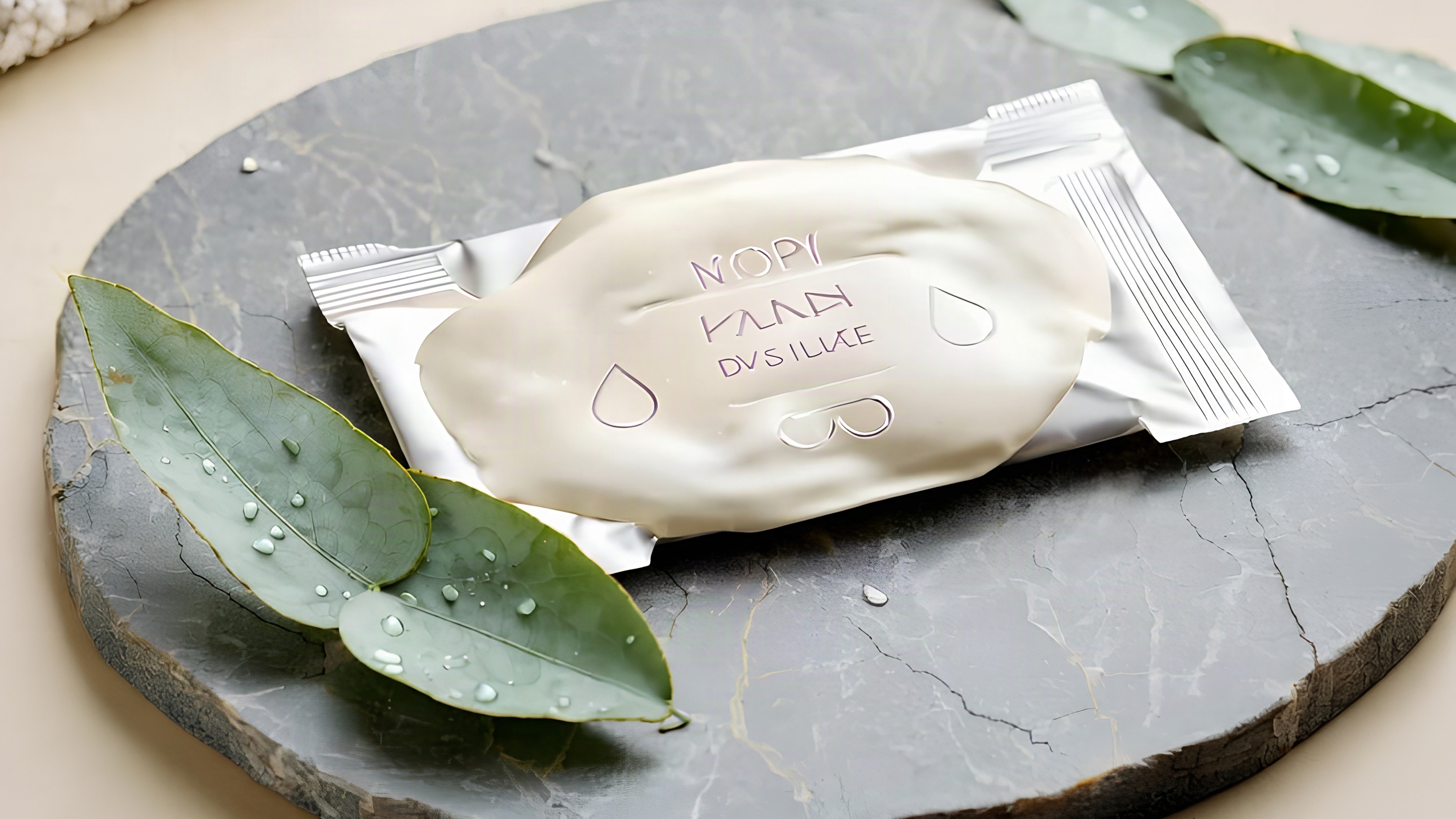
Some Face Mask Options You May Like
1. Foxtale De-Tan Face Mask for Glowing Skin
2. KVG Enterprise Deep Collagen V Lifting Gel Mask
3. Bio Collagen Deep Collagen Night Mask
4. Garnier Skin Naturals, Face Serum Sheet Mask
5. Clayco Hydrating Rice & Sake Sleep Mask | Clay Face Mask for Glowing Skin
6. Taupe Dragon Fruit Face Mask with Ectoin & Postbiotics
7. Be Neude FaceTime Instant Brightening Glow Face Mask
8. BEAUTY SECRETS Natural Face Lifting Pack/Mask
Frequently Asked Questions (FAQs)
1. Can I use a face mask every day before the festive season?
Daily masking is generally not a wise idea unless the product is specifically formulated for everyday use. Over-masking can irritate the skin or strip it of natural oils. Once or twice a week is usually enough to see results without causing problems.
2. Should I moisturise after using a face mask?
Yes, always. Even if you've used a hydrating mask, following it up with a moisturiser helps seal in everything the mask has delivered. For oily skin, a lightweight gel moisturiser works well. For dry skin, something richer is a better choice.
3. What's the best face mask to use the night before an event?
A hydrating sheet mask or a gentle overnight mask works best the night before. These calm the skin, boost moisture levels, and give you a fresher, more even-toned complexion by morning. Save the clay and deep-cleansing options for earlier in the week.
4. Are homemade face masks a reliable option before festivities?
Some DIY masks using ingredients like honey, yoghurt, or oats can be gentle and effective. That said, raw kitchen ingredients don't always have consistent concentrations, and the risk of irritation is higher if you have sensitive skin. If you're going the homemade route, stick to simple, tested recipes and always patch test first.
5. Can I use a face mask if I have active breakouts?
Yes, but carefully. Spot-treat with a clay or salicylic acid mask on the affected area rather than applying it across the whole face. Avoid harsh, abrasive masks that could aggravate the skin further. A soothing mask with centella asiatica or aloe vera can also help reduce redness around breakouts without making things worse.
(Disclaimer: This article may include references to or features of products and services made available through affiliate marketing campaigns. NDTV Convergence Limited (“NDTV”) strives to maintain editorial independence while participating in such campaigns. NDTV does not assume responsibility for the performance or claims of any featured products or services.)