10 Everyday Habits That Wear Out Handbag Handles Faster Than The Bag Body
Handbag handles often crack, peel or fray while the rest of the bag still looks perfectly usable. From overloading to sweaty hands, these 10 everyday habits quietly speed up a handle damage and shorten a bag’s life.
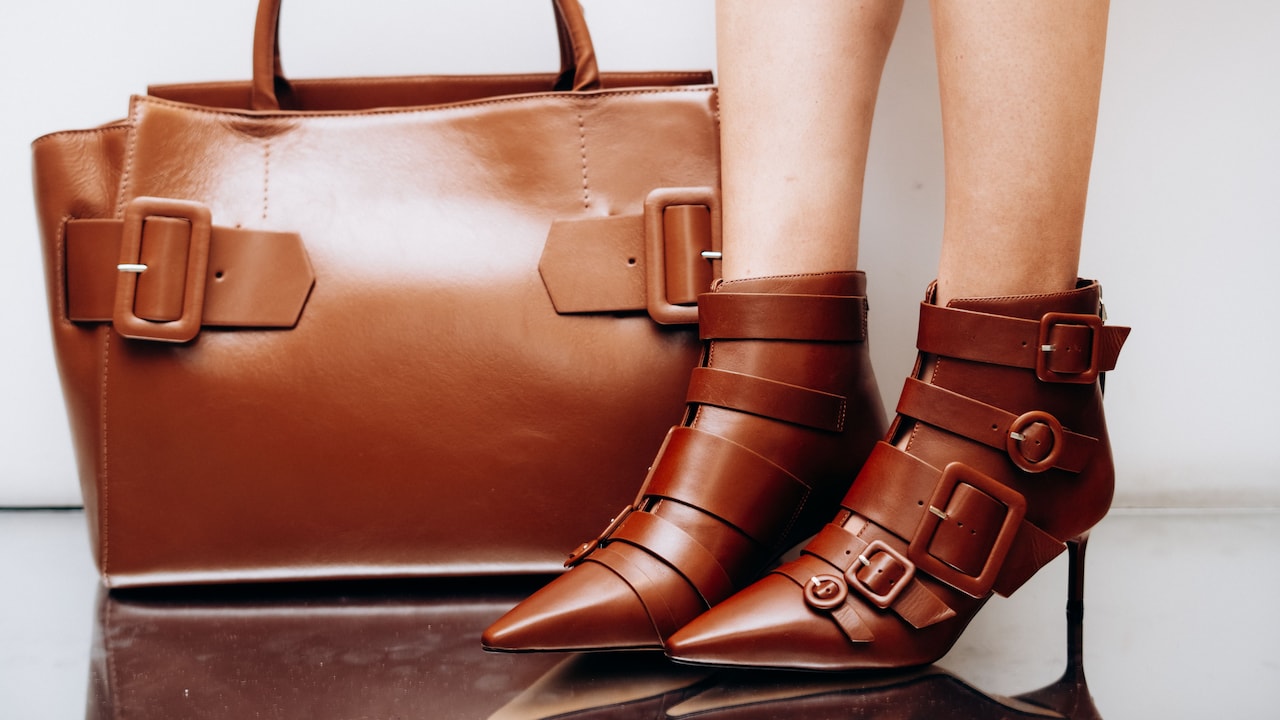
Mistakes to avoid when carrying a handbag to prevent its handles from damaging
There's something particularly annoying about a handbag that looks almost new everywhere except the handles. The body still holds its shape. The lining remains intact. Even the corners may have escaped serious scuffing. Yet the handles have started peeling, cracking, darkening or fraying as though they belong to a bag several years older. It isn't always a sign of poor quality. Handles simply have a much tougher job than most parts of a handbag. We grab them repeatedly, bend them, squeeze them, hang them from hooks and occasionally load them with far more weight than the designer probably imagined. They also come into direct contact with sweat, moisturiser, sanitiser, rain and everyday grime. A ₹3,000 handbag can therefore develop tired-looking handles surprisingly quickly even when its main body remains pristine. The good news? Much of that wear comes from small habits rather than unavoidable ageing. Change a few of them and those handles may stay presentable for considerably longer.
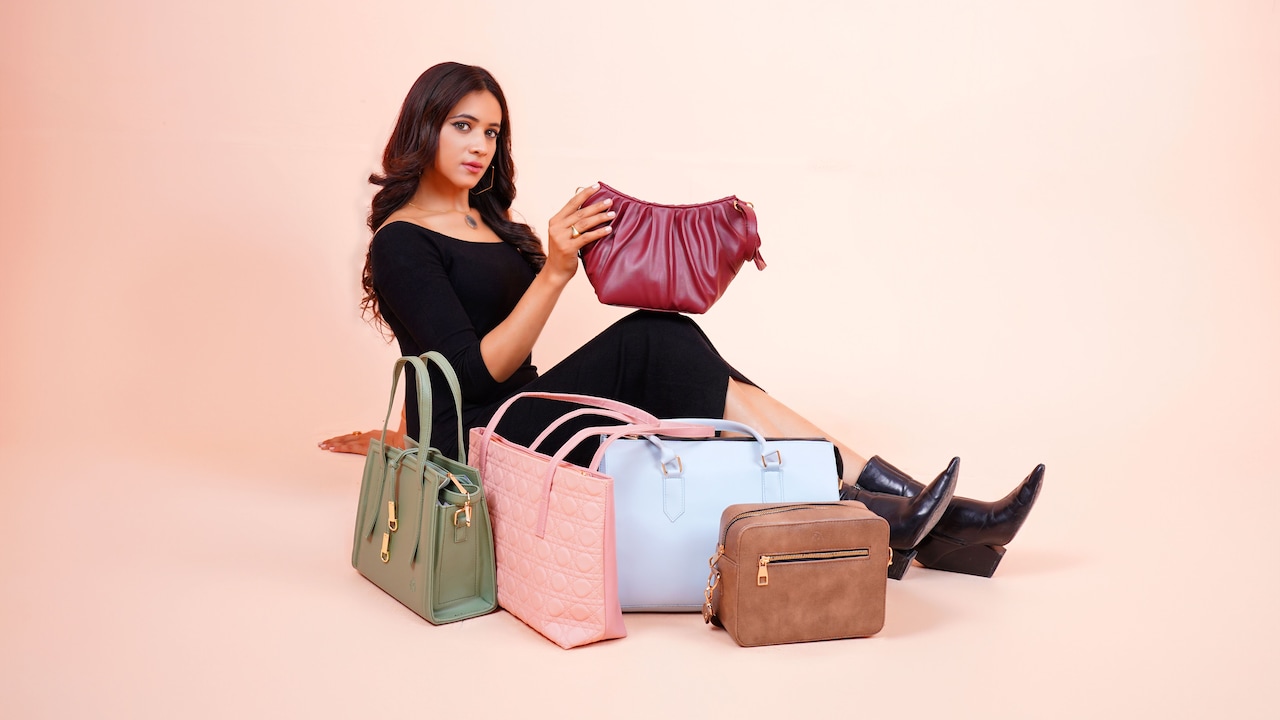
What causes damage to handbag handles
Photo Credit: Pexels
Everyday Habits That Quietly Damage Handbag Handles
1. Carrying More Weight Than The Bag Really Needs To Hold
The quickest way to make handbag handles age faster is to turn the bag into portable storage for everything we might possibly need.
Also Read: Top 5 Structured Handbags For The Office-To-Puja Day Under ₹1500
A wallet, charger, power bank, make-up pouch, water bottle, umbrella, notebook, snacks and perhaps a tablet can quietly add several kilograms. The bag body often handles this weight better because it spreads the load across a larger area. The handles, however, take almost all that force through a few narrow attachment points.
Over time, constant tension stretches stitching and stresses the material around the handle base. Faux leather may start cracking where the handle bends. Genuine leather can stretch or develop deep creases. Fabric handles may fray near the stitching.
The problem becomes especially noticeable with large totes. Their size practically invites us to keep adding things.
Try emptying the bag completely once a week. Forgotten receipts, spare coins, old cosmetics and random cables add more weight than expected. If something hasn't been used for several outings, it probably doesn't need a permanent place inside the handbag.
Less weight doesn't just protect the handles. Your shoulder may appreciate the clean-out too.
2. Hanging The Bag From Hooks For Hours
Restaurant tables, office desks and washroom doors often leave us searching for somewhere safe to keep a handbag. A hook seems perfect. Unfortunately, hanging a loaded bag from one narrow point can put far more strain on its handles than simply placing it on a flat surface.
When a handbag sits normally, its base supports much of the contents. Hang it up and every gram suddenly pulls directly against the handles.
Thin handles suffer the most. The hook may also press into one small section, creating a permanent dent or flattening padded material. With coated faux leather, repeated pressure in the same spot may eventually cause the surface layer to split.
The attachment points deserve attention as well. A handbag can look perfectly fine until one handle suddenly begins separating from the body because the stitching has slowly weakened.
Whenever possible, place the bag upright on a clean shelf, chair or other stable surface. If hanging is unavoidable, avoid leaving a heavily packed handbag suspended for long periods.
That little hook underneath a café table may look wonderfully convenient, but the handbag probably considers it overtime.
3. Holding The Same Part Of The Handle Every Time
Most people have a preferred grip without even realising it. Pick up the handbag 20 times and your hand probably lands on almost exactly the same section of the handle each time.
That tiny habit concentrates months of friction in one spot.
Skin constantly rubbing against leather, synthetic coatings or fabric slowly changes the surface. Oils and perspiration can darken pale handles. Textured materials become smoother. Coated surfaces may eventually thin and peel.
The centre of a handbag handle often shows damage first for precisely this reason.
You don't need to develop an elaborate handbag-carrying technique. Simply varying where you grip it can distribute some of that wear. Bags with both handles and detachable shoulder straps also give you another option. Switching between them occasionally reduces the workload on any single component.
This matters particularly with structured handbags whose handles stay upright. The same central section gets grabbed every single time the bag moves.
Think of handles much like the soles of shoes. Repeated pressure in exactly the same place eventually leaves a visible mark. Spreading that pressure gives the material a better chance of ageing evenly.
4. Using Hand Cream Or Sanitiser Right Before Picking Up The Bag
Soft hands and spotless handbag handles don't always make perfect companions.
Hand cream, sunscreen and body lotion contain oils and emollients that can transfer onto handles. Alcohol-based sanitiser presents a different problem. If it hasn't fully evaporated, repeated exposure may dry or affect certain coatings and finishes.
One application isn't going to destroy a handbag. The trouble comes from repetition.
Imagine applying moisturiser before leaving home, grabbing the handbag, sanitising after paying at a shop, grabbing it again, then repeating the routine several times a day. Over months, residues build up in precisely the area that receives the most friction.
Light-coloured handles may become noticeably darker or slightly sticky. Some faux-leather surfaces can eventually lose their smooth finish.
Let creams absorb and sanitiser dry before handling the bag whenever practical. A quick wipe with a soft, dry cloth after a particularly hot or humid outing can also remove surface moisture before it settles.
Avoid experimenting with harsh household cleaners when marks appear. A cleaning method that works beautifully on one material can permanently damage another.
Sometimes the best handbag-care product is simply clean, dry hands.
5. Carrying The Bag With Damp Or Sweaty Hands
Warm days can be rough on handbag handles.
Unlike the bag body, handles spend long periods trapped inside our palms. Sweat contains moisture, oils and salts, all of which repeatedly contact the material while friction works them into the surface.
This explains why handles sometimes become darker even when the rest of a pale handbag remains spotless.
Leather can absorb moisture gradually, while certain synthetic materials develop sticky or worn patches. Fabric handles may hold sweat more readily and begin looking dull around their most frequently touched areas.
Rain creates a similar issue. We often wipe droplets from the bag body immediately because they're easy to see, while damp handles receive less attention.
After a humid commute or unexpected shower, gently wipe the handles with a clean cloth and let the handbag dry naturally in a ventilated room. Avoid aggressive rubbing. Friction on wet material can cause more damage.
And resist the temptation to speed things up with a hair dryer or direct sunlight. Excess heat may stiffen leather, distort adhesives or affect synthetic finishes.
A few minutes of air-drying beats discovering that your favourite handbag now has handles with an entirely different personality.
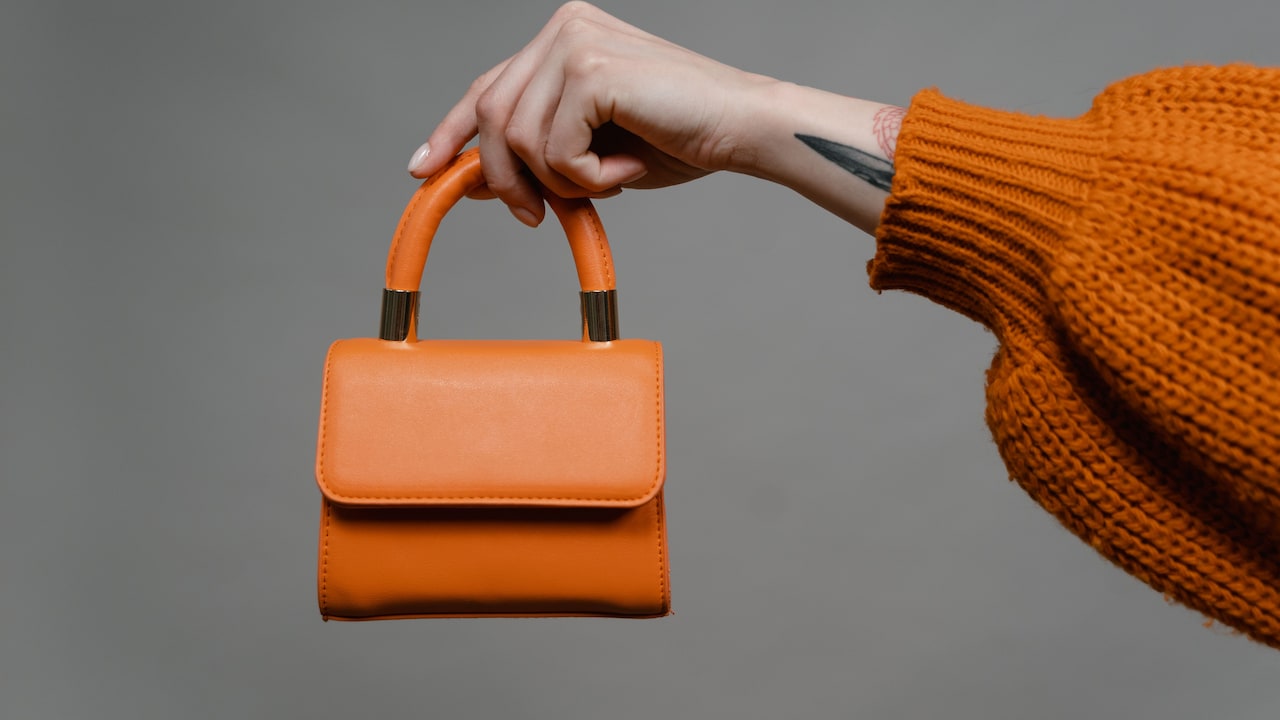
Carrying the bag with sweaty or wet hands can also damage handles
Photo Credit: Pexels
6. Resting Handles Against Rough Surfaces
Handbag handles encounter more surfaces than we notice.
They brush against textured walls while we wait in queues. They scrape across desk edges. They rub against metal chair arms, rough wooden furniture and occasionally the floor when the bag slips sideways.
Each contact seems insignificant. Together, they behave like very slow sandpaper.
The problem becomes worse with painted or coated handles. Once the outer finish develops a tiny scratch, regular bending can enlarge it. Eventually, what began as a barely noticeable scuff turns into visible peeling.
Metal hardware can contribute too. If a handle repeatedly folds against a zip, buckle or decorative chain while the bag is stored, friction can damage the same spot again and again.
Pay attention to how the handles fall when putting the bag down. Let them rest naturally instead of trapping them beneath the bag or pressing them against hardware.
Storage matters as well. Give handbags enough space so their handles don't spend weeks crushed between other items.
Most handle damage doesn't arrive dramatically. It develops through hundreds of tiny encounters nobody remembers.
7. Folding Or Flattening Handles During Storage
Wardrobe space is precious, so handbags often get squeezed into whatever gap remains.
That may save a few centimetres, but repeatedly folding structured handles can create permanent creases. The problem becomes especially obvious with coated synthetic materials, which may crack along the fold after enough bending.
Leather handles generally tolerate movement better, but even they can lose shape if stored under constant pressure.
Some people tuck handles inside bags to make storage neater. That works for soft handles designed to collapse. It's less suitable for stiff, rolled or reinforced handles that naturally hold their shape.
Store structured bags upright when possible. Allow handles to sit in their normal position rather than forcing them flat. If a handle keeps collapsing, loosely supporting it with clean tissue paper can help maintain its curve without stretching it.
Avoid hanging heavy handbags during long-term storage too. Months of constant pulling can stress the attachments even when nobody is using the bag.
A wardrobe shelf may not look like a hostile environment, but an overcrowded one can quietly do more damage than a weekend outing.
Give your handbag enough breathing room to remain a handbag rather than slowly becoming a folded parcel.
8. Wearing A Handbag Against Rough Or Embellished Clothing
Sometimes the handbag isn't the source of the problem. The outfit is.
Sequins, metallic embroidery, chunky zips, textured jackets and heavily embellished sleeves can repeatedly scrape handles while you walk. Even rough denim can create friction with softer materials.
The movement happens hundreds of times during a single outing. A handle sitting against the crook of your arm may continuously rub against the same embroidered cuff or bracelet.
Jewellery causes similar trouble. Bangles, watches and rings can scratch leather or catch woven threads. Sharp-edged bracelets are particularly unfriendly to delicate finishes.
There's no need to plan an entire wardrobe around handbag protection. Just notice combinations that create obvious friction.
If you're carrying a bag with delicate handles, using its shoulder or crossbody strap may help when wearing heavily embellished clothes. Alternatively, carry the bag on the opposite arm from stacked bangles or a large watch.
This also explains mysterious scratches that seem to appear overnight. The culprit may not be storage, manufacturing or poor material at all.
Sometimes the beautiful bracelet and beautiful handbag simply shouldn't spend six hours rubbing against each other.
9. Cleaning Handles Too Aggressively
Dirty handles tempt us into immediate action. Unfortunately, enthusiastic cleaning can sometimes age them faster than the dirt itself.
Repeated scrubbing creates friction. Strong detergents may strip finishes. Alcohol wipes can affect some coatings. Wet wipes may contain ingredients unsuitable for leather or faux leather.
Then there are popular household experiments involving toothpaste, baking soda, nail-polish remover or dishwashing liquid. They may remove a mark, but they can also remove colour, shine or protective coatings along with it.
Before cleaning, check the manufacturer's care instructions if available. Different materials require completely different treatment.
For routine maintenance, gentle surface cleaning usually works better than waiting until grime becomes severe and then attacking it aggressively. A clean, soft cloth can remove dust and fresh residue before they settle deeply.
Test any unfamiliar cleaner on a hidden area first.
Most importantly, avoid soaking handles. Excess moisture can travel into stitching, padding and adhesives that take much longer to dry than the visible surface.
Cleaning should preserve the material, not make it look spotless for ten minutes and strangely patchy forever afterwards.
When handbag care starts resembling bathroom-tile cleaning, something has probably gone wrong.
10. Ignoring Small Cracks Until They Become Large Ones
A tiny crack near the base of a handle rarely feels urgent. The bag still works, so it becomes something to deal with later.
Unfortunately, handles bend constantly. Every time the handbag gets picked up, that small damaged area flexes again. The crack widens, the coating lifts further and exposed material experiences even more friction.
Loose stitching behaves similarly. One missing stitch may not matter immediately, but surrounding stitches now carry extra tension. Eventually, the handle attachment begins pulling away from the bag.
Early attention often gives you more options.
A leather-care professional or handbag repair service may reinforce loose stitching, replace edge coating or repair damage before it spreads. Waiting until the handle tears completely can turn a small repair into a much bigger job.
This becomes particularly worthwhile for an expensive bag or one you use frequently. Paying a modest repair charge now may make more sense than replacing a ₹5,000 or ₹10,000 handbag later because one handle failed while everything else remained usable.
Inspect handles occasionally, especially around bends and attachment points.
Handbags rarely wake up one morning with ruined handles. They usually send several small warnings first.
Products Related To This Article
1. ZOUK Black Floral Printed Structured Baguette Bag with Applique Sling Handbag
2. Mochi Half Moon Sling Bag
3. DailyObjects Midnight Blue March Crossbody Bag Regular
4. Anouk Women Ethnic Motifs Printed Structured Shoulder Bag
5. Mast & Harbour PU Structured Tote Bag
6. Max Textured Half Moon Hobo Bag
7. THE S LIVING Embellished Tote Bag with Applique
Handbag handles live a harder life than the rest of the bag. They carry the weight, absorb sweat, meet rough surfaces and endure constant bending every time we step outside.
Fortunately, keeping them in better condition doesn't require turning handbag care into a weekly ritual. Carrying less weight, storing bags properly, avoiding unnecessary friction and dealing with small damage early can make a noticeable difference. A little attention to the handles may help the entire handbag stay in rotation for much longer.
(Disclaimer: This article may include references to or features of products and services made available through affiliate marketing campaigns. NDTV Convergence Limited (“NDTV”) strives to maintain editorial independence while participating in such campaigns. NDTV does not assume responsibility for the performance or claims of any featured products or services.)