Why Suitcase Wheels Break And What To Check Before Buying Luggage
Suitcase wheels often fail due to weak materials, poor bearings and excess weight. Learn what to inspect before buying luggage so your next trip stays smooth, practical and free from avoidable wheel trouble.
Why Suitcase Wheels Break And What To Check Before Buying Luggage
Few travel problems feel as irritating as a suitcase wheel giving up halfway through a journey. One moment, the bag glides neatly beside its owner. The next, it drags like a stubborn child outside a sweet shop. The traveller then has to tilt it, lift it or pull it at an uncomfortable angle while navigating stairs, queues and impatient crowds. Suitcase wheels look simple, yet they carry the full weight of packed clothes, footwear, toiletries, electronics and last-minute gifts. A medium suitcase can easily hold items worth several thousand rupees and weigh more than expected. Add rough roads, sharp turns and careless baggage handling, and those tiny wheels face a demanding job.

Why Suitcase Wheels Break And What To Check Before Buying Luggage
Photo Credit: Pexels
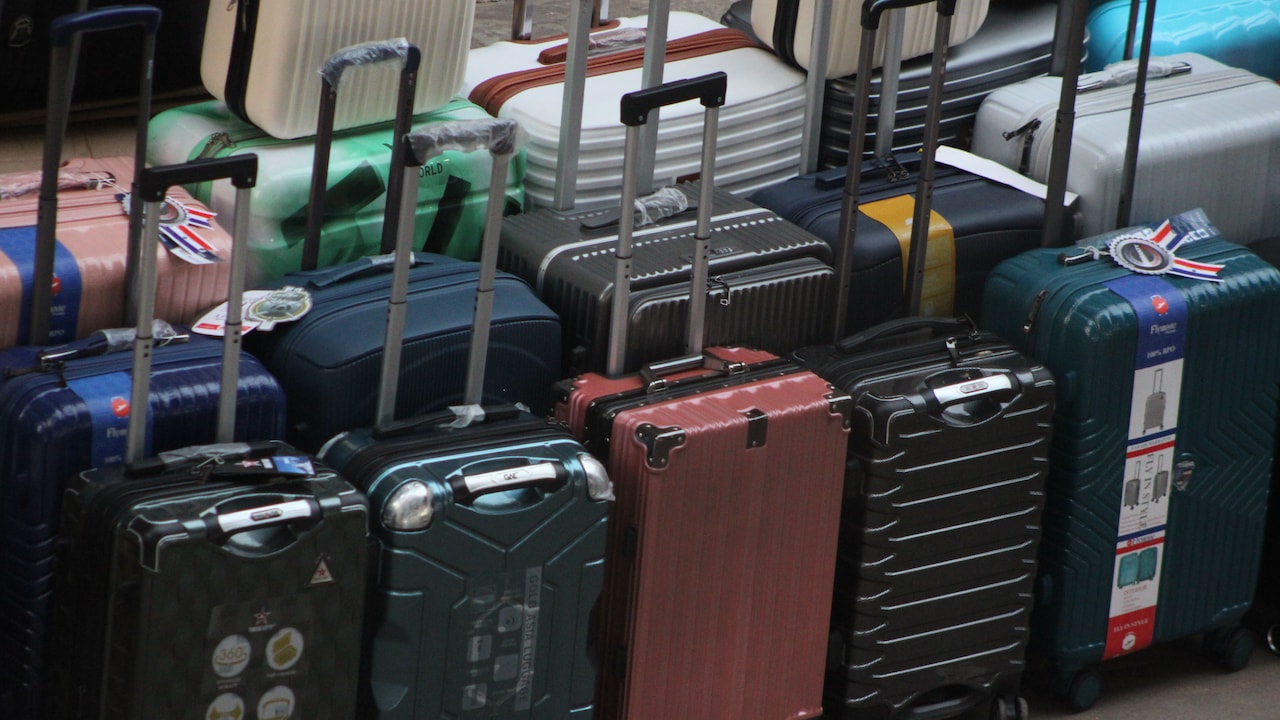
Many buyers focus on colour, compartments and discounts. Wheels often receive only a quick spin across the shop floor. That is not enough. A suitcase needs wheels designed for real journeys, not just polished tiles.
The following ten factors explain why suitcase wheels break and what deserves attention before buying new luggage.
What Makes Suitcase Wheels Fail And How To Choose Better Ones
1. Cheap Wheel Materials Wear Out Quickly
The quality of the wheel material plays a major role in how long a suitcase survives. Low-cost luggage often comes with wheels made from hard, brittle plastic. These wheels may roll smoothly inside a shop, but real roads expose their weaknesses. Heat, friction and repeated impact can cause cracks, flat spots and chipped edges.
Rubberised wheels or high-quality polyurethane wheels usually absorb shocks better. They also create less noise on hard flooring. A noisy suitcase rattling through a hotel corridor at six in the morning rarely wins friends.
Press the wheel gently with a thumb before buying. A slightly cushioned surface often handles rough ground better than rock-hard plastic. Check whether the wheel feels solid or hollow. Hollow wheels may reduce manufacturing costs, but they can collapse under heavy loads.
A cheaper suitcase priced at ₹1,500 may appear attractive. However, replacing damaged wheels or buying another bag after one holiday can cost much more. Strong wheel material may not look exciting, but it often decides whether a suitcase lasts for years or retires after one dramatic railway-platform sprint.
2. Small Wheels Struggle On Rough Surfaces
Wheel size matters more than many travellers realise. Small wheels work well on smooth airport floors, but they struggle when faced with uneven footpaths, broken tiles, gravel or gaps between railway platforms and trains. Every crack becomes a tiny obstacle.
Larger wheels roll over bumps more easily because they have a wider circumference. They require less effort to pull and are less likely to become trapped in pavement joints. This difference becomes obvious when dragging luggage outside a station during the monsoon, where puddles and damaged roads can turn a short walk into an obstacle course.
Before buying, compare the wheels with the overall size of the suitcase. Large check-in luggage supported by tiny wheels may look unbalanced. Those wheels must carry greater weight but have less surface area to absorb impact.
The wheels should also sit high enough to prevent the bottom of the suitcase from scraping against the ground. A suitcase that rides too low may damage both its wheel housing and outer shell.
Small wheels are not automatically poor, but they suit controlled environments. Travellers who frequently walk between transport points should choose larger, sturdier wheels designed for unpredictable surfaces.
3. Weak Wheel Housings Crack Under Pressure
A strong wheel means little if the surrounding housing cannot support it. The wheel housing is the structure that connects the wheel to the suitcase body. It absorbs pressure each time the bag turns, drops or hits a rough patch.
On poorly made luggage, this housing may use thin plastic with little reinforcement. It can crack after a hard landing or split when the suitcase carries too much weight. Once the housing breaks, the entire wheel may tilt, jam or detach.
Examine the area around each wheel closely. Look for thick, well-fitted construction with no visible gaps. The housing should not wobble when the wheel moves. Corners often receive the strongest impact during baggage handling, so reinforced corner guards offer useful protection.
A suitcase may fall from a conveyor belt, slide inside a bus storage compartment or receive a less-than-gentle toss from a luggage handler. These moments place enormous stress on the wheel housing.
Choose a design where the wheels appear integrated into the suitcase frame rather than attached as an afterthought. A neat finish is not only about appearance. It often signals stronger engineering and a better chance of surviving repeated journeys.
4. Overpacking Places Too Much Weight On Wheels
Overpacking remains one of the most common reasons suitcase wheels fail. Travellers often treat extra space as an invitation. One more pair of shoes enters, followed by snacks, chargers, gifts and clothes for situations that may never happen.
Every additional kilogram increases pressure on the wheels, bearings and axles. The suitcase may still close, especially with expandable zips, but its wheels must carry the entire burden. Sudden turns and drops then multiply the strain.
Check the recommended weight capacity before buying. Cabin luggage should remain light enough to lift into an overhead compartment without a wrestling match. Check-in luggage needs stronger wheels because it usually carries more.
Expandable suitcases deserve extra caution. Expansion provides convenience, but it can encourage excessive packing. A bag that begins neatly may soon resemble an overstuffed aloo paratha.
Weigh packed luggage at home using a luggage scale. This small habit protects the wheels and helps avoid airline excess baggage charges. It also makes travel more comfortable.
Strong wheels can handle reasonable weight, not endless pressure. Choosing the right suitcase size and packing with restraint will do more for wheel life than any last-minute repair.
5. Poor Bearings Cause Wheels To Jam
Inside every smoothly moving suitcase wheel sits a small but important mechanism. Bearings allow the wheel to rotate with minimal friction. When manufacturers use poor-quality bearings, the wheels may become stiff, noisy or uneven after limited use.
Dust, sand, hair and thread can also collect around the bearing area. These materials restrict movement and eventually cause jamming. A stuck wheel then drags instead of rolling, placing extra stress on the axle and housing.
Test every wheel before buying. Push the suitcase forward, backwards and sideways. A good wheel should rotate freely without scraping sounds. Spin each wheel by hand and compare its movement with the others. One slow wheel can make the entire bag pull towards one side.
The test should involve more than a gentle showroom stroll. Add some pressure to the top of the empty suitcase and move it in a few directions. This gives a better sense of how the wheels respond under load.
Sealed bearings offer greater protection from dirt, although they may appear in more expensive models. Paying a little extra can make sense for frequent travellers. Smooth bearings reduce effort, protect other components and prevent that annoying supermarket-trolley wobble.

Why Suitcase Wheels Break And What To Check Before Buying Luggage
Photo Credit: Pexels
6. Spinner Wheels Face More Sideways Stress
Four-wheel spinner suitcases have become popular because they move in almost every direction. They glide beside the traveller, turn easily in queues and require less pulling force on smooth floors. However, their flexibility comes with a weakness.
Spinner wheels sit outside the main suitcase body and rotate through 360 degrees. This exposed position makes them vulnerable to sideways impact. A sharp collision can bend the wheel stem or crack the mounting point.
Two-wheel suitcases usually have recessed wheels. These wheels remain partly protected inside the body and often cope better with rough roads. They need to be tilted and pulled, but their simpler design can offer greater durability.
The right choice depends on travel habits. Frequent airport travellers may enjoy the convenience of spinner wheels. Those who regularly walk on uneven streets or use buses and trains may benefit from robust two-wheel luggage.
For spinner luggage, inspect the wheel stems and rotating joints. They should feel firm, not loose. Double spinner wheels, with two wheels at each corner, can distribute weight more evenly.
Convenience should not be confused with strength. A suitcase that dances gracefully across marble may still struggle outside the terminal.
7. Rough Handling Damages Exposed Components
Luggage rarely receives delicate treatment throughout a journey. It may be stacked under heavier bags, pushed across metal surfaces or dropped onto a conveyor belt. Wheels, handles and corners usually take the first hit.
Exposed spinner wheels face particular risk because they extend beyond the suitcase shell. Even strong wheels can break when struck at an awkward angle. This does not always indicate poor quality; sometimes the impact simply exceeds what the design can absorb.
Look for wheels positioned close to the suitcase body. Compact placement reduces the chance of snagging. Protective moulding around the wheel base can also absorb some impact.
Hard-shell luggage should have flexible corners rather than extremely rigid, brittle edges. Soft-sided bags should use a strong internal frame that prevents the wheel mounts from twisting.
During travel, avoid throwing the suitcase down stairs or pulling it by the extended handle over large obstacles. Lift it using the side or top grip whenever possible. The telescopic handle is designed for steering, not carrying the full weight.
No suitcase is indestructible, whatever the advertisement suggests. Thoughtful handling helps good wheels last longer and keeps avoidable damage away from an otherwise perfectly usable bag.
8. Loose Axles Make Wheels Wobble
The axle holds the wheel in position and allows it to rotate. When the axle becomes loose, the wheel begins to wobble. At first, the problem may seem minor. Over time, that movement widens the fitting, damages the housing and makes the suitcase unstable.
A wobbling wheel creates uneven pressure across the remaining wheels. The bag may pull to one side or shake while moving. Travellers often respond by dragging it harder, which increases the damage.
Before buying, hold each wheel and move it gently from side to side. A small amount of movement may be normal, particularly with spinner wheels, but excessive looseness is a warning sign. Compare all four corners. They should feel consistent.
Visible screws can be useful because they may allow future tightening or replacement. Riveted wheels often look neat, but repairs can become more difficult if the manufacturer does not provide spare parts.
Ask whether the brand offers wheel replacement at authorised service centres. A repair costing ₹300 or ₹500 can extend the life of a suitcase that would otherwise end up discarded.
Repair-friendly construction deserves more attention. Luggage should not become useless because one small axle decides to retire early.
9. Wheel Alignment Affects Balance And Control
All suitcase wheels must sit at the same height and angle. Poor alignment creates an uneven ride, even when every wheel appears undamaged. The suitcase may lean, pull sideways or rotate unexpectedly.
Misalignment can begin during manufacturing, or it may develop after repeated impact. It becomes especially noticeable in four-wheel luggage. One wheel may carry more weight than the others, causing faster wear.
Place the empty suitcase on a flat floor before purchasing. It should stand upright without rocking. Push it gently in a straight line. The bag should continue in that direction rather than drifting towards a display shelf.
Next, move it in a circle and change direction quickly. Watch how each wheel responds. Jerky movement or sudden resistance may indicate alignment problems.
Check the suitcase again after filling it, especially before a major trip. Weight can reveal weaknesses that remain hidden when the bag is empty.
Good alignment improves more than comfort. It reduces strain on the traveller's wrist and shoulder. It also protects the wheel system by distributing weight evenly.
A balanced suitcase feels almost effortless. An unbalanced one behaves like it has strong opinions about where the journey should go.
Also Read: Dynamic Travel Trolleys Starting At ₹1199 For Short Getaways
10. Lack Of Spare Parts Shortens Suitcase Life
Even well-made wheels eventually wear down. The real problem begins when replacements are unavailable. Some luggage brands sell attractive suitcases but provide little after-sales support. A damaged wheel then turns into a reason to replace the entire bag.
Before purchasing, check the warranty terms. Find out whether the warranty covers wheels, axles and handles or only manufacturing defects in the shell. Read the conditions carefully, as damage caused by airlines or rough handling may not qualify.
Ask whether spare wheels can be purchased separately. Brands with service centres in major cities usually offer easier repairs. Removable wheels are particularly useful because a technician can replace one component without cutting or drilling the suitcase.
Online reviews can reveal common complaints about service quality, but they should not replace a physical inspection. Focus on repeated patterns rather than one unusually angry comment written after a delayed flight.
A suitcase costing ₹5,000 may offer better value than a ₹2,000 option if it includes reliable repairs and available parts. Long-term value depends on how easily the product can return to service after damage.
Good luggage should support many journeys, not become disposable after one broken wheel.

Why Suitcase Wheels Break And What To Check Before Buying Luggage
Photo Credit: Pexels
Products Related To This Article
1. Core Medium Check-in Suitcase 65 cm 24 inch Polypropylene Hard Trolley Bag
2. Safari Pentagon Pro 8 Wheels 66cm Medium Size Trolley Bag
3. Teakwood Unisex Trolley Bag, Hard Cabin Trolley Small
4. Nasher Miles Silicon Valley Hard-Sided Polycarbonate Cabin Luggage with Laptop Compartment 20 inch
5. Kamiliant by American Tourister Harrier Zing
6. Skybags Stroke Printed Cabin Size Hard Case Trolley Bag
7. MOKOBARA Transit Check-in Large Trolley Bag 74cm 100L Black
Suitcase wheels break for several reasons, including weak materials, poor bearings, loose axles, rough handling and excessive weight. Many failures begin long before the journey. They begin in the showroom, when buyers choose appearance over construction or test a suitcase only on a smooth floor.
A better purchase starts with a closer look. Examine the wheel material, size, housing, alignment and movement. Check how firmly the wheels connect to the body. Consider whether spinner or two-wheel luggage suits the routes most often travelled. Ask about warranties, service centres and spare parts.
Price still matters, but the cheapest suitcase may become expensive when it fails during a holiday. Spending thoughtfully on strong wheels can prevent inconvenience, repair costs and the memorable embarrassment of carrying a large suitcase through a crowded station.
Luggage should make travel easier. It should roll beside its owner without complaint, survive imperfect roads and handle the occasional bump with dignity. Choosing the right wheels may seem like a small detail, but small details often decide whether a journey begins smoothly or with a suitcase performing its own breakdown drama.
(Disclaimer: This article may include references to or features of products and services made available through affiliate marketing campaigns. NDTV Convergence Limited (“NDTV”) strives to maintain editorial independence while participating in such campaigns. NDTV does not assume responsibility for the performance or claims of any featured products or services.)