Why Shower Gel Creates Plenty Of Foam But Leaves Skin Dry
Shower gel may create rich foam, but harsh cleansers, hot water and over-scrubbing can strip natural oils, leaving skin tight, dry and uncomfortable.
Why Shower Gel Creates Plenty Of Foam But Leaves Skin Dry
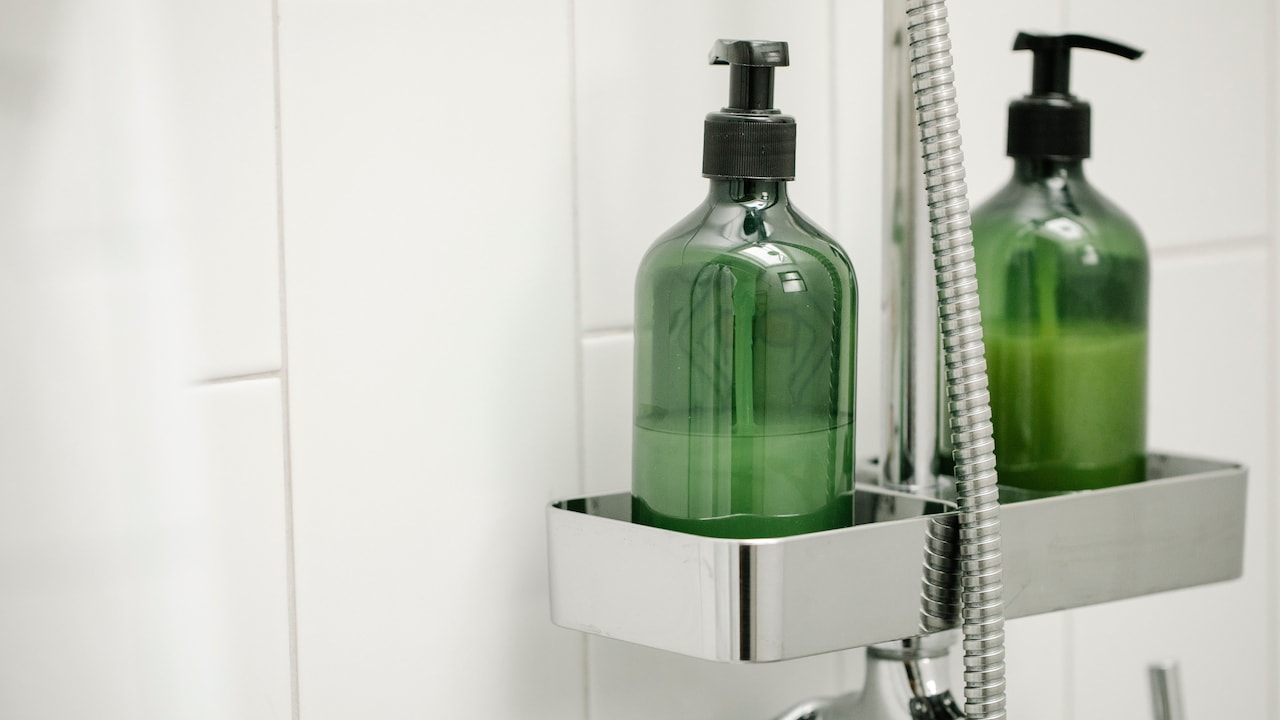
There is something wonderfully reassuring about a bathroom filled with fragrant foam. A generous squeeze of shower gel, a quick rub with a loofah, and suddenly the body is covered in bubbles worthy of a television advertisement. The skin feels squeaky clean, the bathroom smells like sandalwood, citrus or monsoon rain, and the day appears to have begun on the right note. Then comes the surprise. A few minutes after drying off, the skin starts feeling stretched. Elbows look dull. Shins feel itchy. The hands may even seem slightly rough. That rich lather promised softness, but the skin behaves as though it has spent the afternoon in hot summer wind. Foam and moisture, however, are not the same thing. In fact, plenty of foam can sometimes signal strong cleansing action rather than gentle care. Shower gels contain ingredients designed to lift dirt, sweat and oil from the skin. When those ingredients work too aggressively, they can also wash away some of the natural lipids that help the skin stay comfortable.
Why Shower Gel Creates Plenty Of Foam But Leaves Skin Dry
Photo Credit: Pexels
Several everyday habits can make matters worse, from using very hot water to scrubbing enthusiastically. Even fragrance, weather and the local water supply can affect how the skin feels after a bath. The good news is that dry post-shower skin is often manageable once the real causes become clear.
Why Your Foamy Shower Gel May Be Drying Out Your Skin
Foam Measures Lather, Not Moisture
Foam looks impressive because it creates an instant sense of cleanliness. More bubbles seem to suggest that the shower gel is working harder. Yet lather mainly shows how surfactants interact with water and air. It does not reveal how moisturising the product will feel after rinsing.
A low-foam cleanser can clean the body perfectly well. A high-foam formula may simply contain ingredients that produce larger or more stable bubbles. This is why a palmful of gel can turn into a mountain of froth without leaving the skin particularly soft.
The confusion comes from years of advertising. Sparkling bubbles have become visual shorthand for freshness, hygiene and luxury. As a result, many people keep adding more gel until the loofah resembles a plate of whipped cream.
Skin does not judge a product by theatrical performance. It responds to what remains after cleansing. If the natural protective oils disappear along with sweat and grime, dryness may follow. The foam may deserve applause, but it should not automatically earn trust.
Surfactants Can Strip Away Natural Oils
The main cleaning ingredients in shower gel are called surfactants. They help water mix with oil, allowing sweat, sunscreen, dust and body oils to rinse away. Without them, plain water would struggle to remove greasy dirt effectively.
Trouble begins when a cleanser removes more oil than necessary. Skin naturally produces sebum and contains protective lipids within its outer layer. These substances are not unwanted grease. They help reduce water loss and keep the surface flexible.
Strong surfactants may disturb this protective arrangement, particularly when used frequently or in large quantities. The skin can then feel tight soon after bathing. That tightness is often mistaken for exceptional cleanliness, though it may actually signal that the surface has lost too much oil.
Not every surfactant behaves in the same way. Some cleanse more gently, while others create abundant foam but may feel harsh on sensitive or dry skin. The full formula matters too. A balanced shower gel may combine cleansing agents with humectants, oils or soothing ingredients. A poorly balanced one can leave the body feeling like freshly washed steel utensils: spotless, perhaps, but hardly comfortable.
Hot Water Weakens The Skin Barrier
A steaming shower can feel heavenly, especially on a cool morning or after a long commute. The warmth relaxes stiff shoulders, clears the head and turns an ordinary bathroom into a budget spa. Unfortunately, the skin may not enjoy the experience quite as much.
Hot water can dissolve and wash away surface oils more quickly than lukewarm water. It may also increase water loss from the skin after bathing. When combined with a strong, foaming cleanser, the drying effect can become more noticeable.
The problem often appears gradually. A person may use the same shower gel throughout the year but suddenly develop roughness during cooler months. The product gets blamed, yet longer and hotter showers may be the hidden reason.
Extremely hot water can also aggravate itching and sensitivity. The skin may look normal while still feeling uncomfortable beneath clothing.
Lukewarm water offers a kinder compromise. It removes sweat and grime without creating the same level of stress. The bath may feel slightly less dramatic, but comfortable skin throughout the day is usually a fair exchange for giving up ten minutes of bathroom steam.
Long Showers Increase Moisture Loss
A shower can easily become an escape from noisy mornings, crowded homes and endless notifications. Five minutes turns into fifteen while someone rehearses conversations, plans dinner or performs half a film soundtrack. The mind feels refreshed, but the skin may pay for the extended session.
Long exposure to water can disrupt the outer layer of the skin. Water initially makes the surface swell slightly, but prolonged soaking can weaken its protective structure. Once the shower ends, moisture evaporates, and the skin may become drier than it was before.
Add shower gel several times during the same bath, and the cleansing effect becomes stronger. Some people wash the body repeatedly because the first rinse does not feel “clean enough”. In most cases, one gentle wash is sufficient.
Shorter showers reduce unnecessary contact with hot water and surfactants. They also save water, which matters during summer shortages and in homes that depend on water tanks.
A practical shower does not need military precision. Seven to ten comfortable minutes can still feel refreshing. The goal is simply to step out before the bathroom mirror disappears completely behind steam.
Excess Product Does More Harm Than Good
Shower gel bottles often encourage generous use. The fragrance is appealing, the texture feels silky, and a large squeeze creates satisfying foam. Yet more product does not always mean better cleansing.
A small quantity is usually enough for the body, particularly when applied with wet hands or a soft cloth. Using too much shower gel increases the amount of surfactant touching the skin. It may also take longer to rinse away, leaving residue in areas such as the neck, underarms or behind the knees.
Loofahs make overuse even easier. They can turn a modest drop into plenty of lather, but many people still pour out extra gel because the foam looks enjoyable. Half the product then travels directly towards the drain.
Excessive use can become expensive as well. A bottle that should last several weeks may disappear within ten days, leading to another ₹250 or ₹400 purchase far sooner than expected.
A coin-sized amount often does the job. The exact quantity depends on the formula, but restraint is useful. Clean skin should feel fresh and comfortable, not polished like a kitchen counter after festival cleaning.
Scrubbing Damages The Protective Surface
Scrubbing feels productive. A rough loofah, bath glove or plastic mesh can create the sensation that dead skin and dirt are being thoroughly removed. Yet vigorous friction may damage the skin's outermost layer, especially when it happens every day.
The skin barrier works like a carefully built wall. Skin cells act like bricks, while natural fats fill the spaces between them. Harsh scrubbing can disturb this arrangement and create tiny areas of irritation. Water then escapes more easily, leaving the surface dry and sensitive.
The effect may be strongest on the shoulders, chest, arms and legs, where people often scrub with surprising enthusiasm. Darker patches on elbows or knees may tempt even harder rubbing, though friction can sometimes worsen their appearance.
A soft washcloth or clean hands are often enough for regular cleansing. Exfoliating tools can be used occasionally, but pressure should remain gentle.
There is no need to approach the morning bath as though removing paint from a wall. Skin renews itself naturally. It needs support, not daily punishment disguised as personal care.
Also Read: Turn Shower Time Into A Concert: Top 5 Speakers To Shop
Fragrance Can Trigger Dryness And Irritation
Fragrance plays a major role in the appeal of shower gel. Floral blends, citrus bursts, coffee notes and woody aromas can make an ordinary bath feel cheerful. A familiar scent may even become part of someone's daily identity.
However, fragrance ingredients can irritate sensitive skin. The reaction does not always appear as an obvious rash. Sometimes the skin simply feels dry, itchy or slightly warm after bathing. Repeated exposure may make the discomfort more noticeable.
Essential oils can cause similar problems. Their natural origin does not guarantee gentleness. Lemon, mint, eucalyptus and strong floral oils may feel refreshing but can irritate certain skin types.
This does not mean every scented shower gel is harmful. Many people use fragranced products without difficulty. The concern arises when dryness continues despite moisturising and careful bathing.
A fragrance-free or mildly scented cleanser can be worth trying for a couple of weeks. Labels matter here. “Unscented” may still include ingredients that mask odours, while “fragrance-free” usually indicates that fragrance has not been added. Sensitive skin often prefers simplicity over a bathroom that smells like an entire perfume shop.
Hard Water Makes Cleansing Feel Harsher
The water itself can influence how skin feels after a shower. Hard water contains higher levels of minerals such as calcium and magnesium. It is common in many cities and often leaves white marks on taps, buckets and bathroom tiles.
These minerals can react with cleansing ingredients and leave residue on the skin. As a result, the body may feel rough, tight or less thoroughly rinsed. People may then use extra shower gel to create more lather, which can increase dryness further.
Hard water can also make hair feel dull, and fabrics feel stiff. The clues are often visible around the home before anyone connects them with skin discomfort.
A water softener or shower filter may help in some households, though results vary depending on the mineral content and the type of filter. Such solutions can cost anywhere from a few hundred rupees for a basic attachment to several thousand rupees for a larger system.
Simpler adjustments also matter. Using less cleanser, rinsing carefully and applying moisturiser immediately after bathing can reduce discomfort. The shower gel may not be the only culprit; sometimes the tap deserves part of the blame.
Why Shower Gel Creates Plenty Of Foam But Leaves Skin Dry
Photo Credit: Pexels
Moisturising Ingredients May Wash Away
Many shower gels advertise ingredients such as aloe vera, glycerine, shea butter, milk proteins or natural oils. These additions sound nourishing, but their presence does not always guarantee lasting hydration.
A rinse-off product remains on the skin for a very short time. Much of the formula goes down the drain within minutes. Some moisturising ingredients can help reduce harshness during cleansing, yet they may not deliver the same benefit as a leave-on body lotion.
The final result depends on balance. A shower gel can contain attractive botanical extracts while still relying on a strong cleansing base. The front label may highlight coconut oil in large letters, while the actual amount is relatively small.
This is why the ingredient list and personal experience matter more than decorative claims. Skin that feels comfortable after rinsing has found a suitable formula. Skin that repeatedly feels tight is sending a clear review, even without stars.
Moisturising shower gel can support a routine, but it should not carry the full burden. Dry skin often needs a separate lotion or cream to seal in water after the bath.
Skipping Post-Shower Moisturiser Leaves Skin Exposed
The minutes after a shower are important. Water remains on the skin's surface, but it begins evaporating quickly. Without a moisturiser, some of that hydration disappears into the air, particularly in air-conditioned rooms or during dry weather.
Applying body lotion while the skin is slightly damp helps trap water. Humectants such as glycerine attract moisture, while oils and occlusive ingredients reduce water loss. This combination can ease tightness and improve softness.
Many people skip this step because lotion feels sticky in humid weather. A heavy cream may indeed feel uncomfortable during a warm commute. Lighter lotions, gels or fast-absorbing emulsions can offer a better option.
Dry areas may need extra attention. Elbows, knees, ankles and shins often benefit from a richer product, while the rest of the body may need only a thin layer.
Consistency matters more than luxury. A basic ₹200 moisturiser used daily can help more than an expensive jar opened once before a wedding. Shower gel cleans the skin, but moisturiser helps restore what the cleansing process may have removed.
Skin Type And Weather Change The Result
The same shower gel can feel wonderful for one person and terrible for another. Oily skin may tolerate stronger cleansing, while naturally dry or sensitive skin may react quickly. Age, medication, hormones and existing skin conditions can also affect the skin barrier.
Weather adds another layer. Humid months may make the body feel sticky, encouraging frequent showers and stronger cleansers. Cooler weather reduces humidity and can make the skin lose water more easily. Air conditioning may create dryness even when the weather outside feels muggy.
Bathing habits should therefore change with the season. A refreshing gel used twice daily in May may feel far too harsh in December. Switching to a creamier cleanser, shortening showers or increasing moisturiser can help.
Persistent cracking, redness, severe itching or burning should not be ignored. These signs may point to eczema, an allergy or another condition that needs professional advice.
Skin care is not a fixed formula passed down with the bathroom bucket. It works best when it responds to the body, climate and routine. Comfort is the better guide, not the amount of foam swirling around the drain.
Why Shower Gel Creates Plenty Of Foam But Leaves Skin Dry
Photo Credit: Pexels
Products Related To This Article
1. Pears 98% Pure Glycerin Detoxed Glow Body Wash with Aloe Vera
2. mCaffeine 2% Salicylic acid , 3-in-1 Perfume Body Wash - Odour Control
3. DOVE Nourishing Bodywash, 825ml, for Soft and Smooth Skin
4. Palmolive Mindful Awake Body Wash, 750ml Shower Gel Single Pump Bottle
5. Be Bodywise 5% Niacinamide Brightening Body Wash
6. Liril Lemon & Tea Tree Body Wash 250 ml
7. Dettol Body Wash and Shower Gel for Women and Men
A shower gel creates foam because its cleansing ingredients trap air and mix oil with water. That lively lather can remove sweat, dirt and excess sebum, but it can also disturb the natural oils that keep the skin soft. Hot water, long showers, harsh scrubbing, fragrance, hard water and excessive product use can deepen the drying effect.
The solution is not to fear every bubble. It is to treat foam as a sensory pleasure rather than proof of superior skin care. A smaller amount of gentle cleanser, lukewarm water and a shorter shower can make a noticeable difference. Soft washing methods and regular moisturising add further protection.
The skin rarely asks for an elaborate routine. It usually asks for less aggression and a little more attention. When the post-shower feeling changes from tight and itchy to calm and comfortable, the bathroom ritual finally delivers what all those bubbles promised.
(Disclaimer: This article may include references to or features of products and services made available through affiliate marketing campaigns. NDTV Convergence Limited (“NDTV”) strives to maintain editorial independence while participating in such campaigns. NDTV does not assume responsibility for the performance or claims of any featured products or services.)