How To Fix A Wobbly Dining Table: 10 Checks For Legs, Joints And Floor Contact
A dining table that rocks with every elbow or serving bowl may have a surprisingly simple problem. From uneven floor contact to loose joints and warped legs, these 10 checks can help locate the wobble and fix it properly.
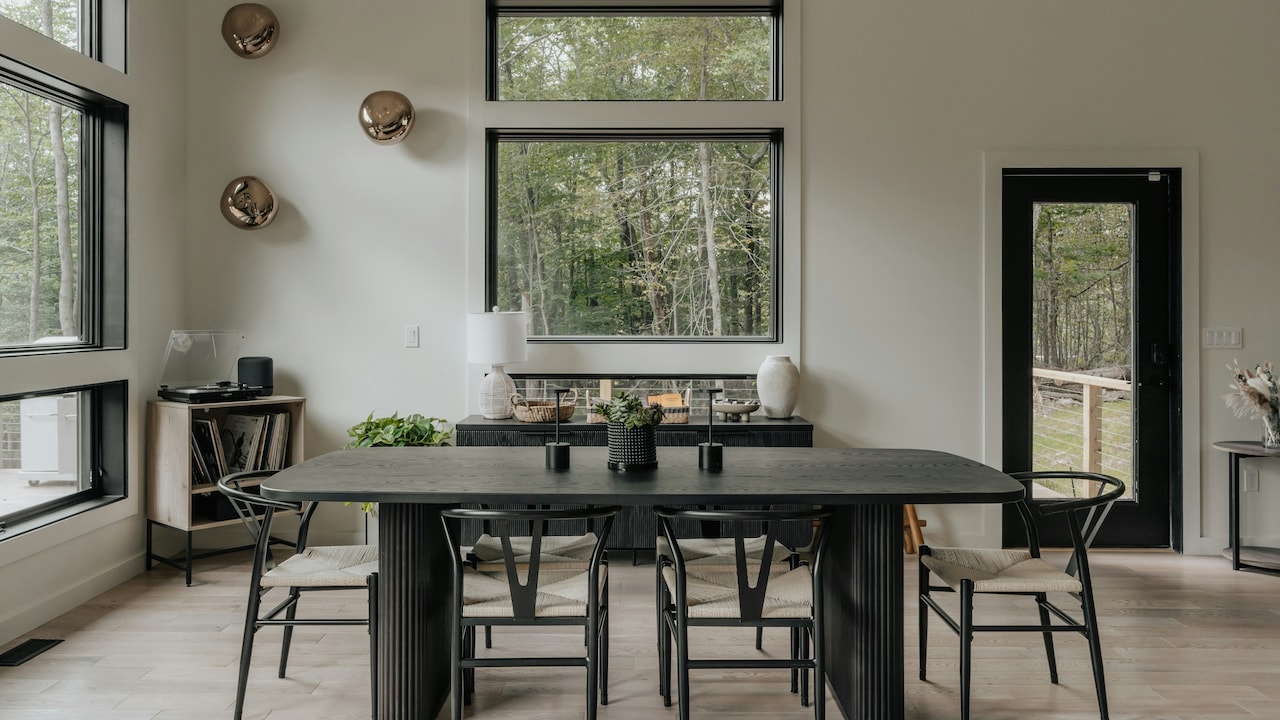
Why Is My Dining Table Wobbly? 10 Checks To Find And Fix The Problem
Few furniture problems feel as ridiculously small and disproportionately irritating as a wobbly dining table. You sit down with tea, rest an elbow on the tabletop and suddenly the water glasses perform a tiny earthquake simulation. Put a serving bowl near one corner, and the table answers with another wobble. Eventually, someone folds a scrap of cardboard and shoves it under a leg. Problem solved? Usually only until somebody moves the table. A table can wobble for several reasons, and the shortest leg isn't always the culprit. Loose joinery, uneven flooring, warped timber, misplaced adjustable feet, and even the way weight sits across the frame can create movement. Finding the real source matters because repeatedly tightening random screws or stuffing thicker wedges underneath the legs may simply hide the problem. Before calling a carpenter or deciding the table has reached the end of its useful life, work through these checks. A little detective work can often turn an annoyingly unstable dining table back into solid furniture.
Why Is My Dining Table Wobbly? 10 Checks To Find And Fix The Problem; Photo Credit: Pexels
10 Checks To Find What's Making Your Dining Table Wobble
1. Check Whether All Four Legs Actually Touch The Floor
Start with the most basic test, because many table wobbles begin exactly here. Place the table where you normally use it and gently press down on each corner. If one corner moves downward while the opposite one rises, at least one leg may not have firm floor contact.
Don't immediately assume that leg is shorter. The floor itself could dip slightly, particularly around tile joints or transitions between flooring materials. Even a few millimetres can make a rigid four-legged table rock.
Try rotating the table slightly or moving it about 30 centimetres away from its usual position. Test it again. If the wobble disappears or shifts to another corner, the floor probably contributes more to the problem than the furniture.
For a quick diagnosis, slide a thin piece of cardboard beneath the leg that seems to float. If the table immediately becomes stable, you've confirmed a contact issue. That doesn't mean cardboard should become permanent furniture hardware, though. Once you know where the gap sits, you can choose a more durable levelling solution.
Also Read: Top 5 Space-Saving Dining Table Sets Under ₹20,000 For Modern Compact Homes
2. Test The Floor For Small Dips And Uneven Tiles
A floor can look perfectly level while still creating enough variation to destabilise a dining table. Large-format tiles, grout lines, slightly raised edges and old flooring can all produce tiny height differences that become noticeable under furniture.
Place a straight object, such as a ruler or spirit level, across the area beneath each pair of table legs. Look for daylight underneath or slight rocking when you press the straight edge down. Pay particular attention to grout lines. A table foot sitting partly on a tile and partly over a recessed joint may behave differently every time the table shifts.
You can also mark the positions of all four legs with removable tape, move the table aside and inspect those exact points. This makes subtle differences easier to spot.
If the floor causes the wobble, don't modify the wooden legs unnecessarily. Adjustable furniture levellers, thin rubber pads or purpose-made shims offer a cleaner solution. They also protect flooring from scratches. The goal isn't to make the entire floor perfectly level. It is simply to give every table leg reliable contact.
3. Tighten Leg Bolts Without Overtightening Them
Dining table legs often connect to the frame using bolts, screws or threaded inserts. Over time, repeated movement can loosen these fittings. Dragging the table during cleaning accelerates the process, especially when someone pulls it from one side rather than lifting it.
Turn the table carefully or inspect underneath with a torch. Check every visible fastener connecting each leg to the apron or frame. Tighten loose fittings gradually, moving from one leg to the next rather than aggressively tightening a single bolt.
More force isn't always better. Overtightening can strip screw holes, damage threaded inserts or compress softer wood around the fitting. Once that happens, the connection may become weaker rather than stronger.
After tightening everything, place the table upright and test each corner again. Sometimes the wobble disappears instantly.
If a bolt keeps turning without becoming snug, however, you've found another problem. The thread or surrounding material may have worn out. A loose threaded insert, damaged screw hole or cracked mounting block will need repair rather than another enthusiastic turn of the spanner.
Why Is My Dining Table Wobbly? 10 Checks To Find And Fix The Problem; Photo Credit: Pexels
4. Inspect The Joints Where The Legs Meet The Frame
Not every loose connection announces itself with a visible screw. Traditional or solid-wood dining tables may use dowels, mortise-and-tenon joints, corner blocks or glued joinery. When these connections loosen, the table can wobble even though every bolt appears tight.
Hold one leg near the bottom and gently push it sideways while watching the point where it meets the table frame. The leg itself shouldn't shift independently from the apron. Repeat the test with every leg.
A tiny amount of movement at the joint becomes much larger by the time it reaches the floor. That is why a joint that looks only slightly loose can produce a surprisingly dramatic wobble at tabletop height.
Also listen carefully. Creaking, clicking or faint knocking can reveal movement that isn't immediately visible.
Don't simply force wood glue into whatever gap you can find. Old glue, dust and movement inside the joint can stop a quick surface repair from holding properly. Loose structural joints may need disassembly, cleaning, regluing and clamping. If the table uses valuable timber or complicated joinery, professional repair may prevent unnecessary damage.
5. Check Corner Braces And Support Blocks Underneath
Flip your attention from the legs to the corners beneath the tabletop. Many dining tables use triangular corner braces or wooden blocks to strengthen the connection between the legs and apron. These small pieces do far more work than their size suggests.
If one corner brace loosens, the leg can move sideways while still appearing firmly attached when viewed from above. Check each brace for loose screws, cracks, gaps or separation from the surrounding frame.
Press gently against the leg while watching the brace. Any visible movement deserves attention.
Sometimes a screw has simply loosened and needs tightening. In older furniture, however, the hole may have enlarged so much that the screw no longer grips the wood. Tightening it repeatedly won't restore stability.
Cracked wooden corner blocks also need more than a cosmetic repair. Replacing or properly reinforcing the block usually makes more sense than adding random screws around the damaged area.
Think of these braces as the table's hidden stabilisers. They keep the legs aligned and prevent the frame from twisting whenever somebody leans against one side.
Why Is My Dining Table Wobbly? 10 Checks To Find And Fix The Problem; Photo Credit: Pexels
6. Look For A Leg That Has Warped Or Twisted
Wood doesn't always stay perfectly straight throughout its life. Moisture, heat and natural movement within timber can gradually cause a table leg to bow or twist. When that happens, its foot may no longer sit flat against the floor.
Look at each leg from several angles rather than judging it from directly above. A twisted square leg may appear straight from one side while clearly turning when viewed along its length.
Next, examine the bottom surface. Does the entire foot touch the floor, or does the leg balance mostly on one edge? Uneven contact can make the table behave like a chair with one damaged foot.
Humidity changes can make timber movement more noticeable during different parts of the year. A table may therefore wobble more during humid months and seem relatively stable later.
Minor differences can often be managed with levelling pads. Significant warping, however, may require careful woodworking. Avoid casually sanding or sawing the leg shorter. Removing material is permanent, and correcting the wrong leg can turn a manageable wobble into a much bigger one.
7. Examine Adjustable Feet And Levelling Pads
Some dining tables already include adjustable feet beneath the legs, but they often go unnoticed until the table starts rocking. These small threaded pads can loosen when the table gets moved, cleaned or dragged across the floor.
Run your hand beneath each leg and check whether a leveller is present. Compare how far each one protrudes. One foot screwed much farther inward than the others can leave that corner slightly suspended.
Adjust the feet in small increments. A quarter-turn can sometimes make a noticeable difference. Test the table after each adjustment rather than extending one leveller dramatically in a single attempt.
Also inspect the pads themselves. Rubber bases can wear unevenly, felt pads can compress and adhesive protectors may partly peel away. If three legs have thick floor protectors while the fourth has lost its pad entirely, you've effectively created legs of different heights.
Replace worn pads as a complete set whenever possible. Matching materials and thicknesses help maintain consistent contact while protecting tile, wood or laminate flooring from scratches and scuff marks.
8. Check Whether The Table Frame Has Gone Out Of Square
Sometimes all four legs measure correctly and every joint feels reasonably firm, yet the table still rocks. The frame itself may have twisted slightly out of square.
This can happen after repeated dragging, uneven storage or years of pressure from one direction. Flat-pack tables can also develop alignment problems if their frame was tightened while sitting on an uneven surface during assembly.
Measure diagonally between opposite corners of the frame underneath the tabletop. Then measure the other diagonal. On a rectangular frame that sits square, the two measurements should be very similar.
A noticeable difference suggests that the frame may have skewed.
Before loosening anything, check the manufacturer's assembly system if available. Some tables can be realigned by slightly loosening frame fasteners, positioning the table on a genuinely flat surface and gradually tightening everything again while keeping the structure square.
Don't force a rigid timber frame into position. If glued joints or solid joinery have distorted, aggressive adjustment can cause cracks. Severe twisting deserves inspection from an experienced furniture repair professional.
9. See Whether The Tabletop Is Adding To The Movement
The legs usually receive all the blame, but the tabletop deserves attention too. A heavy top that isn't securely connected to its base can amplify every small movement below.
Place one hand on the frame and another on the tabletop. Gently push them in opposite directions. They should move together as one structure. If the top shifts independently, inspect the fittings underneath.
Some tabletops attach using brackets or figure-eight fasteners that intentionally allow small amounts of seasonal wood movement. These shouldn't be tightened blindly. Others use bolts or screws that can loosen through regular use.
An unevenly warped tabletop can also make a table feel unstable, particularly when the base has a pedestal or trestle design rather than four conventional legs.
Weight distribution matters as well. A heavy stone or thick wooden top placed on an unsuitable base can exaggerate flex in the supporting structure.
The key question is whether the movement begins at floor level or higher up. Watching each connection while someone gently rocks the table can reveal where the wobble actually starts.
10. Use Shims Only After Finding The Real Cause
Shims aren't bad. In fact, a properly chosen shim can provide an excellent solution when an uneven floor creates a small, unavoidable gap. The mistake comes from treating every wobble with whatever folded paper happens to be nearby.
First diagnose the table. Confirm that the joints are secure, the legs remain straight and the frame hasn't twisted. If the furniture itself checks out and the floor creates the difference, then use a suitable levelling shim.
Rubber or plastic furniture wedges work better than cardboard because they resist moisture and compression. Trim them discreetly so they don't stick out from underneath the leg. For furniture that moves frequently, adjustable levelling feet offer an even neater fix.
Avoid stacking several thick pieces beneath one leg without investigating why such a large gap exists. A substantial height difference may point towards structural damage rather than a slightly uneven floor.
A good shim should quietly compensate for a small surface irregularity. It shouldn't become an architectural support system holding together a table that needs repair.
Products Related To This Article
1. WOODSTAGE Solid Sheesham Wood 6 Seater Dining Table with Cushion Chairs
2. Home furniture Wooden Dining Table Set 4 Seater
3. Callas 4 Seater Dining Table Set for Home
4. PC Wood Solid Sheesham Wood 4-Seater Dining Table Set
5. VeLivings Solid Sheesham Wood 4 Seater Dining Table Set with Cane Back Chairs with Cushions for Dining Room
6. WOODSTAGE Sheesham Wood 6 Seater Dining Table with 4 Cushion Chairs
7. KendalWood™ Furniture | Sheesham Wood Dining Table
A wobbly dining table rarely needs random tightening, aggressive sanding or a heroic stack of folded cardboard. Start with the floor, check each point of contact and then work upwards through the legs, joints, braces and frame. The important part is finding where movement begins. Once the real cause becomes clear, the fix is usually far simpler. And when the glasses finally stop trembling every time somebody reaches for the dal, the difference feels surprisingly satisfying.
(Disclaimer: This article may include references to or features of products and services made available through affiliate marketing campaigns. NDTV Convergence Limited (“NDTV”) strives to maintain editorial independence while participating in such campaigns. NDTV does not assume responsibility for the performance or claims of any featured products or services.)