The Great Litter Debate: Choosing Between Clumping And Non-Clumping Cat Litter
Confused between clumping and non-clumping litter? Here are the key differences that can help you make the right choice for your pet.
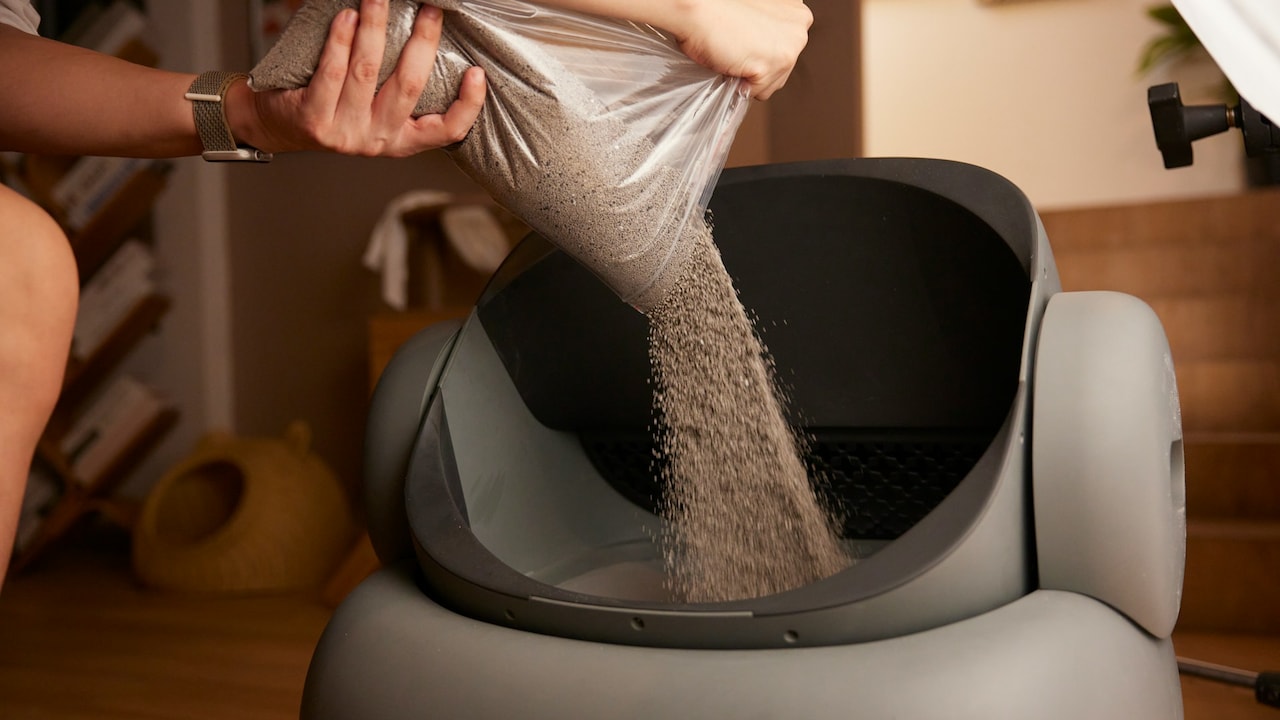
Which is better between clumping and non clumping litter
Caring for a cat or kitten goes beyond choosing nutritious food, offering stimulating toys, and providing a comfortable place to rest. Something as essential as the litter box also deserves equal attention and careful consideration. As simple as the choice may seem, everything from material and absorbency to dust and fragrance can affect how well the litter works for the cat. Among the many options, the debate between clumping and non-clumping cat litter is one of the most common dilemmas for cat parents.
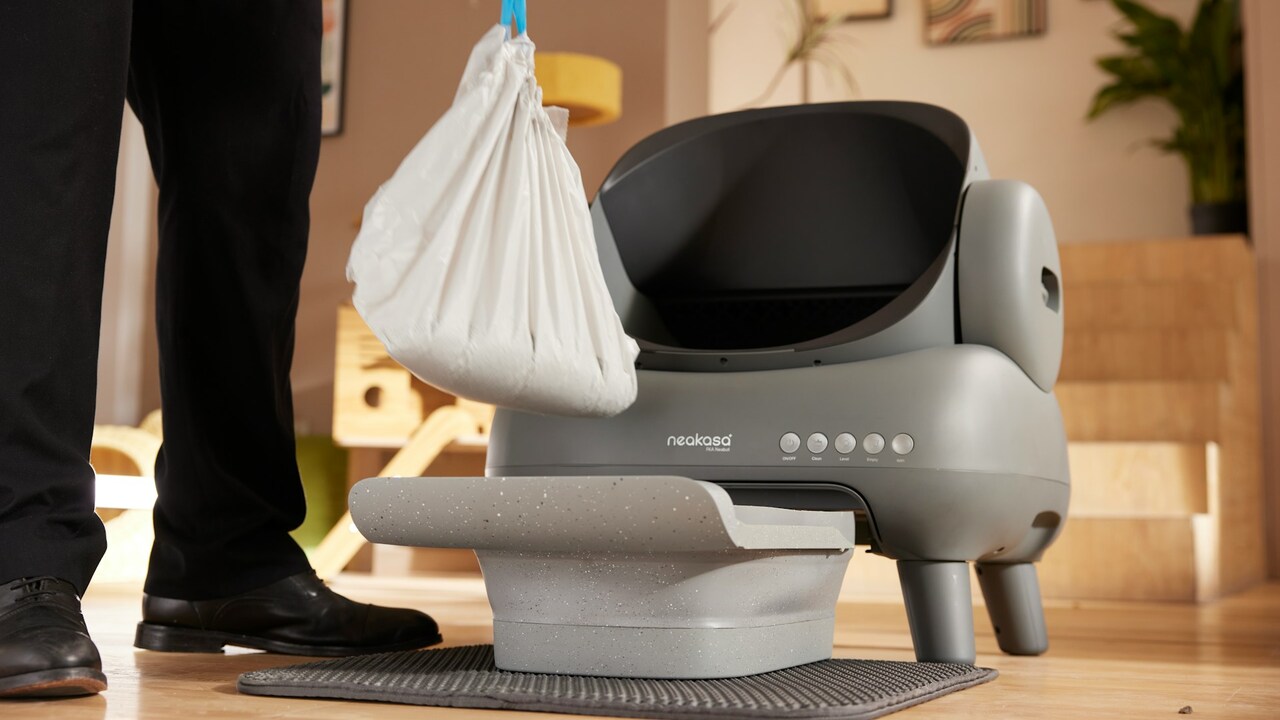
How to choose between clumping and non clumping litter
Photo Credit: Unsplash
Choosing the right litter for your pet isn't a one-size-fits-all decision. Instead, it depends on various factors such as your cat's age, health, your budget, and preferred maintenance routine. Understanding how the two options work can help make the right choice for the pet.
Also Read: Automatic Cat Litter Boxes That Do The Dirty Work For You
What Is Clumping Cat Litter?
As the name suggests, clumping cat litter is specifically designed to bind together and form clumps upon contact with liquid. This creates small masses that can be removed using a litter scoop. Clumping litter makes it easier for pet parents to scoop out soiled litter instead of emptying the entire box during every cleaning session.
Generally, clumping litter is made with sodium bentonite clay, which is highly absorbent by nature. Although nowadays, you can also find options made from alternative materials. The primary appeal of clumping litter lies in its ease of maintenance and cleaning. However, it may cost more per bag than some non-clumping alternatives.
What Is Non-Clumping Cat Litter?
Non-clumping litter works differently. Instead of forming solid clumps, it absorbs liquid while allowing the granules to remain separate. Thus, pet parents can scoop out solid waste, while urine is absorbed by the surrounding litter.
Non-clumping litter can be made using different materials like wood and recyled paper. It requires more maintenance and frequent cleaning as buyers have to frequently change the litter to maintain a clean box.
Clumping And Non-Clumping Cat Litter: Key Differences
It's worth considering that both clumping and non clumping litter offer great absorbency, odour-removal, and other similar benefits. However, what works for one household may not necessarily suit another. That's why it's imperative to know the clear differences to choose a product that aligns with specific requirements.
1. Ease Of Maintenance And Cleaning
One of the most noticeable differences between clumping and non-clumping litter is the maintenance routine. With clumping litter, urine causes the granules to bind together and form a removable mass. Cat parents can easily scoop these masses along with solid waste during daily cleaning. On the contrary, non-clumping litter absorbs urine and requires more frequent complete litter changes.
For busy pet parents wanting something easy to maintain, clumping litter can be an appealing option. Its easy-to-scoop system can make everyday maintenance less tiresome.
2. Odour Control
It is quite common for frequently used litter boxes to develop a strong odour if they are not cleaned regularly. Luckily, the type of litter chosen can help with effective odour management.
Clumping litter allows both faeces and urine-soiled clumps to be removed from the box, which can support effective odour management. Non-clumping litter absorbs urine without forming clumps, so odour can be more persistent.
However, even clumping litter cannot eliminate the stench completely. That's why regular cleaning and proper hygiene remain essential.
3. Cost Efficiency
Clumping litter makes it easier to remove only the affected clumps from the box on a daily basis. Pet parents can later top up the box with fresh litter to maintain the appropriate level. While clumping litter can cost more initially, removing only soiled portions help it last longer and save money in long run.
On the other hand, some non-clumping varieties cost less per bag. But because the litter needs to be completely replaced weekly, the box needs more product, leading to increased costs over time.
Clumping litter can be expensive at first but offers long term value
Photo Credit: Pexels
4. Texture
For some cats, texture can matter more than pet parents may anticipate. Some clumping litters feature a fine, sand-like texture that can make digging and burying waste feel natural and comfortable. In comparison, non-clumping options can have have larger or rough particles. But this difference in texture can vary based on brand, products, and materials used.
5. Dust
Dust is inevitable with cat litter. But the exact amount can vary between litter types, brands, and formulations. For instance, most clay-based clumping litters can produce fine dust when poured into the box. These particles are finy, powdery in nature and can cause irritation or trigger coughing, sneezing, or noticeable dust on furniture and surfaces.
Clumping litter is generally more prone to dust since it is made with sodium bentonite clay. On the other hand, non clumping litter has larger particles which do not break down eaisly into fine powder. Therefore, always look for products labelled as low-dust to find the best option for your household.
Clumping vs Non-Clumping Cat Litter: Key Differences For Pet Parents
| Feature | Clumping Litter | Non-Clumping Litter |
|---|---|---|
| Response to moisture | Forms scoopable clumps | Absorbs urine without forming clumps |
| Cleaning | Urine clumps and fecal matter is easy to remove | Solid waste is scooped but urine-affected litter needs replacement |
| Dust | Noticeable dust | Generally low-dust in nature |
| Upfront cost | Can be higher | Can be lower |
| Best for | Adult and healthy cats | Young kittens |
Which Cat Litter Should You Choose?
For shoppers who value ease of maintenance and convenience, clumping cat litter can be an appealing choice. It makes it easier to remove urine-soiled clumps without emptying the entire box. On the other hand, households where dust is a concern can opt for low-dust non-clumping options.
Apart from this, it's also important to consider your cat's age and health when choosing a litter type. Clumping litter can be a practical choice for healthy adult cats, while households with kittens or elderly cats with health conditions can opt for non-clumping litter.
Ideally, there's no clear winner in the clumping versus non-clumping cat litter debate. Both options help pet parents manage waste and tackle odour. The difference lies in ease of maintenance, budget, and texture. The ultimate choice between the two depends on your cat's age, health and preferences, as well as your maintenance routine. So evaluate the different factors and choose what aligns best with your household.
Products Related To This Article
1. PetCrux Smart Clump Cat Litter
2. Hipkoo Exclusive Cat Litter
3. Foodie Puppies Natural Bentonite Cat Litter Sand
4. Amazon Basics Scoopable Smart White Bentonite Scented Cat Litter
5. Premium Bentonite Cat Litter Sand
6. Foodie Puppies Silica Crystal Cat Litter
7. Zuhno Premium Natural Cat Litter
8. WISDOM Wood CAT Litter
9. Pet Paterrn Natural Cat Best Litter
10. Natural Bentonite Cat Litter Sand
Frequently Asked Questions (FAQs)
1. Which is better, non-clumping or clumping litter?
Both clumping and non-clumping litter are ideal options. While clumping litter offers easy scooping, non-clumping is budget-friendly and often with less dust.
2. What are the benefits of clumping litter?
Clumping litter forms scoopable masses when it comes in contact with urine. This helps cat parents remove soiled sections easily and maintain hygiene for their pets. Plus, they also offer great odour management.
3. What are the benefits of non-clumping litter?
Non-clumping litter is affordable and available in various materials. It can have less dust than clumping litter.
4. How are you supposed to use non-clumping cat litter?
Non-clumping litter is supposed to be used by scooping out solid waste daily and replacing the entire box with fresh litter once a wekk.
5. How to properly use clumping cat litter?
The best way to usen clumping litter is to scoop out urine clumps and solid waste while leaving clean litter behind. Top up the box as required to maintain ideal levels.
(Disclaimer: This article may include references to or features of products and services made available through affiliate marketing campaigns. NDTV Convergence Limited (“NDTV”) strives to maintain editorial independence while participating in such campaigns. NDTV does not assume responsibility for the performance or claims of any featured products or services.)