10 Peeler Problems That Make Thin Skins Tear Instead Of Coming Off Cleanly
A peeler should remove skin in neat ribbons, not leave vegetables looking scraped and patchy. From dull blades and excess pressure to wet produce and awkward angles, these 10 common peeler problems explain why thin skins keep tearing.
Why Thin Skins Tear While Peeling: 10 Common Peeler Problems Explained
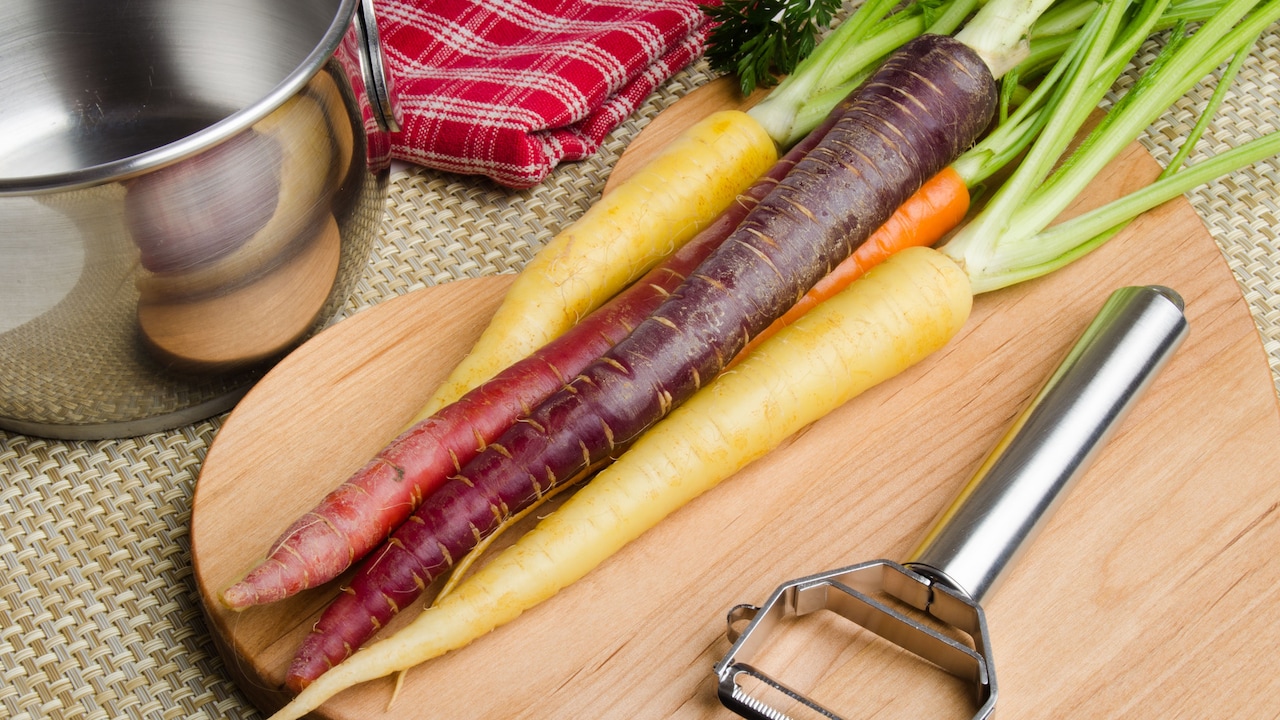
There's something oddly satisfying about a peeler working exactly as it should. One smooth pull down a cucumber, potato or carrot produces a long, curling strip, and the job feels almost effortless. Then there are those other days. The blade catches halfway down, a tiny piece of skin comes away, and the next stroke removes more flesh than peel. Five minutes later, the vegetable looks as though it has survived a minor kitchen argument. Thin skins can make peeling particularly frustrating because there's very little room for error. A blade that works adequately on a thick-skinned vegetable might struggle with an apple, cucumber or tender potato. Kitchen tools and technique matter too. Pressure, direction, moisture, and even the temperature of the produce can change how cleanly the skin comes away. Before blaming the vegetable or replacing the peeler altogether, check these common problems. A small adjustment can often turn ragged scraps back into those neat, satisfying ribbons.
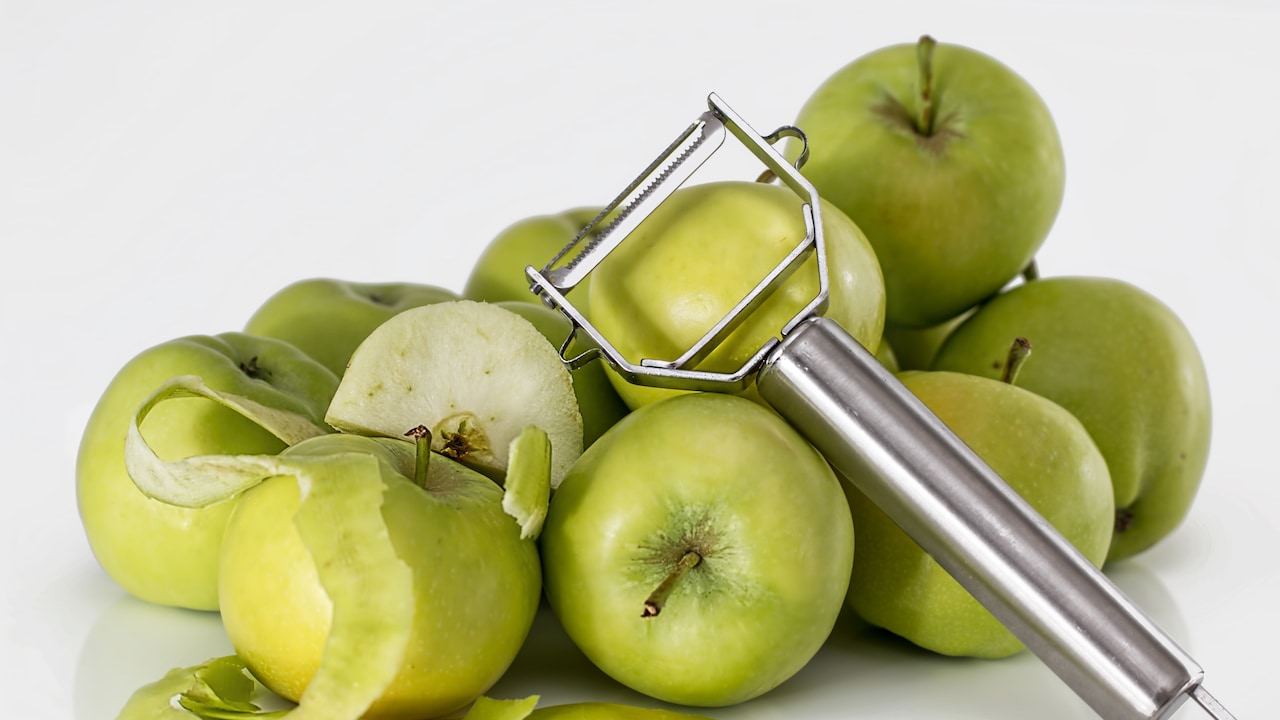
Why Thin Skins Tear While Peeling: 10 Common Peeler Problems Explained; Photo Credit: Pexels
Why Thin Skins Tear While Peeling
1. The Peeler Blade Has Lost More Sharpness Than You Realise
Peeler blades rarely become dramatically blunt overnight. They lose their edge gradually, which makes the problem easy to overlook. The peeler still removes something, so it appears functional. However, instead of slicing neatly underneath the skin, a tired blade starts dragging across it.
That dragging action becomes especially noticeable with thin-skinned produce. A sharp blade slips beneath the outer layer and separates it cleanly. A dull one grabs the skin, stretches it slightly and eventually tears off a small section. You may find yourself making several passes over the same spot, which removes extra flesh and creates an uneven surface.
Try comparing the peeler on a firm carrot or cucumber. If you need noticeable pressure before the blade begins cutting, sharpness may be the problem.
Many peelers don't offer replaceable blades, so replacement eventually makes more sense than fighting with an old one. A basic kitchen peeler doesn't need to feel aggressive, but it should start cutting with very little encouragement.
Also Read: Struggling With Tough Peels? Try These 5 Top-Rated Vegetable Peelers
2. You Are Pressing Much Harder Than The Blade Needs
When skin refuses to come off, the instinctive response often involves pressing harder. Unfortunately, extra pressure can make thin skins tear even more.
A peeler works best when its cutting edge does most of the work. Heavy downward pressure forces the blade deeper into the vegetable. Instead of separating only the outer layer, it digs into the flesh underneath. The blade may then become temporarily stuck, followed by a sudden release that produces a short, thick chunk instead of a smooth peel.
Soft potatoes, cucumbers and apples show this particularly clearly. Push too firmly and you may notice grooves running down the surface after peeling.
Try loosening your grip and guiding the tool instead. Keep enough pressure to maintain contact but avoid pushing the blade into the produce.
This can initially feel counter-intuitive, particularly when you're accustomed to a blunt peeler. With a reasonably sharp blade, however, lighter strokes usually produce longer strips and waste much less food. If gentle pressure does absolutely nothing, the blade itself probably deserves another look.
3. The Produce Is Wet And Slipping Under Your Hand
A freshly washed vegetable might look ready for peeling, but water can quietly make the entire process more awkward.
Moisture reduces grip. The vegetable moves slightly in your hand while the peeler travels across its surface. Even tiny movements matter when you're trying to shave away an extremely thin layer. Instead of maintaining one continuous cutting angle, the blade keeps changing position. It may catch the skin, skid across it or suddenly bite deeper.
The result often looks strangely inconsistent. One stroke creates a perfect ribbon, while the next produces three tiny scraps.
After washing produce, give it a quick wipe with a clean kitchen towel before peeling. Dry your hands and the peeler handle as well.
This becomes even more useful when handling smooth vegetables such as cucumbers or fruits such as apples, where there isn't much texture to hold onto anyway.
Drying everything takes only a few seconds, but it gives you far better control. It also reduces the temptation to grip the produce tightly, which can make your hand tire before dinner prep has properly begun.
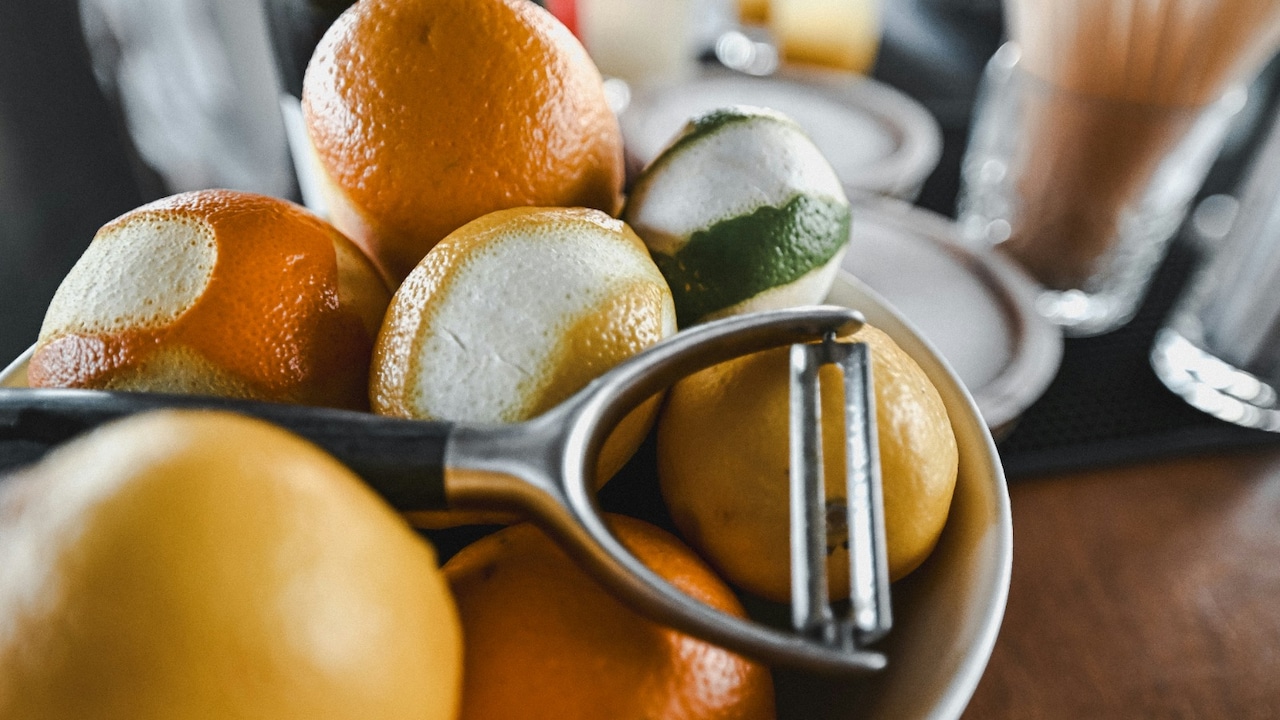
Why Thin Skins Tear While Peeling: 10 Common Peeler Problems Explained; Photo Credit: Pexels
4. Your Peeler Does Not Suit The Shape Of The Produce
Not every peeler feels equally comfortable on every ingredient. The basic design may look similar, but blade orientation can change the way your hand naturally approaches the surface.
Straight peelers resemble small knives, while Y-shaped peelers position the blade horizontally across the top. Some people find Y-peelers easier for large, rounded vegetables because the wrist can pull the blade towards the body in a controlled movement. Others prefer straight peelers for long vegetables such as carrots.
Problems start when the tool forces your wrist into an awkward angle. The blade may touch one side of a curved vegetable more firmly than the other. That uneven contact can turn a smooth strip into a series of torn pieces.
There isn't one universally superior shape. Hand size, dominant hand and peeling direction all matter.
Pay attention to whether you constantly rotate your wrist or reposition the ingredient just to keep the blade flat. If peeling always feels like a wrestling match despite a sharp blade, a different peeler design may offer better control rather than simply adding another gadget to the drawer.
5. The Blade Keeps Getting Clogged With Moist Peel
Sometimes the peeler starts beautifully and then seems to become worse with every stroke. The vegetable hasn't changed. The blade has.
Small pieces of skin, starch and moist vegetable flesh can collect around the cutting slot. Potatoes can prove particularly troublesome because starch creates a slightly sticky residue. Once debris builds up, the cutting edge no longer makes clean, uninterrupted contact with the surface.
The next stroke catches instead of gliding. You press harder to compensate, more peel becomes trapped, and the cycle continues.
Take a moment to rinse the blade during larger prep jobs rather than waiting until the end. Check both sides of the opening because a thin strand can lodge surprisingly firmly inside it.
Avoid trying to pull trapped peel away with a fingertip near the edge. Even a peeler that feels frustratingly blunt against a potato can still give skin an unpleasant surprise.
A clean blade should move freely and allow peel to pass through the opening rather than carrying yesterday's potato drama into today's dinner.
6. The Vegetable Has Become Too Soft For Clean Peeling
Peelers prefer a reasonably firm surface. When vegetables or fruits become soft, the blade may push the flesh inward instead of sliding beneath the skin.
Think about the difference between peeling a crisp apple and one that has spent a little too long in the fruit basket. Firm flesh gives the blade resistance. Soft flesh compresses when pressure reaches it, allowing the skin to wrinkle ahead of the cutting edge. Eventually, that wrinkled section tears.
Potatoes can behave similarly when they start losing firmness. Cucumbers that have softened in storage may also produce short, ragged strips.
Cooling suitable produce before peeling can sometimes make the surface easier to handle, though refrigeration won't magically restore something that has deteriorated significantly.
More importantly, adjust expectations. When the ingredient feels very soft, forcing a peeler across it repeatedly may waste more edible flesh than necessary. A small paring knife can sometimes offer greater control.
The problem, in other words, isn't always poor technique. Occasionally the vegetable simply isn't giving the blade enough structure to work against.
7. You Are Holding The Blade At An Awkward Angle
A peeler needs consistent contact with the surface. Tilt it too sharply and the cutting edge digs in. Hold it too flat and it may skim across the skin without getting underneath it.
This becomes tricky around curves. A potato rarely provides the polite, straight surface demonstrated in kitchen utensil advertisements. There are bumps, dips and ends that narrow suddenly. Trying to complete one heroic stroke across all of them often makes the blade lose its ideal angle midway through.
Instead, rotate the produce gradually and let the peeler follow smaller sections of the natural curve. Keep your wrist relaxed rather than locking it into one position.
You may need shorter strokes around rounded ends and longer ones along flatter areas. That isn't inefficient; it gives the blade a better chance of staying flush against the surface.
Watch what happens immediately before a tear appears. If the blade suddenly changes depth or twists sideways, angle rather than sharpness may be responsible.
Good peeling feels less like scraping and more like guiding the blade around the shape that already exists.
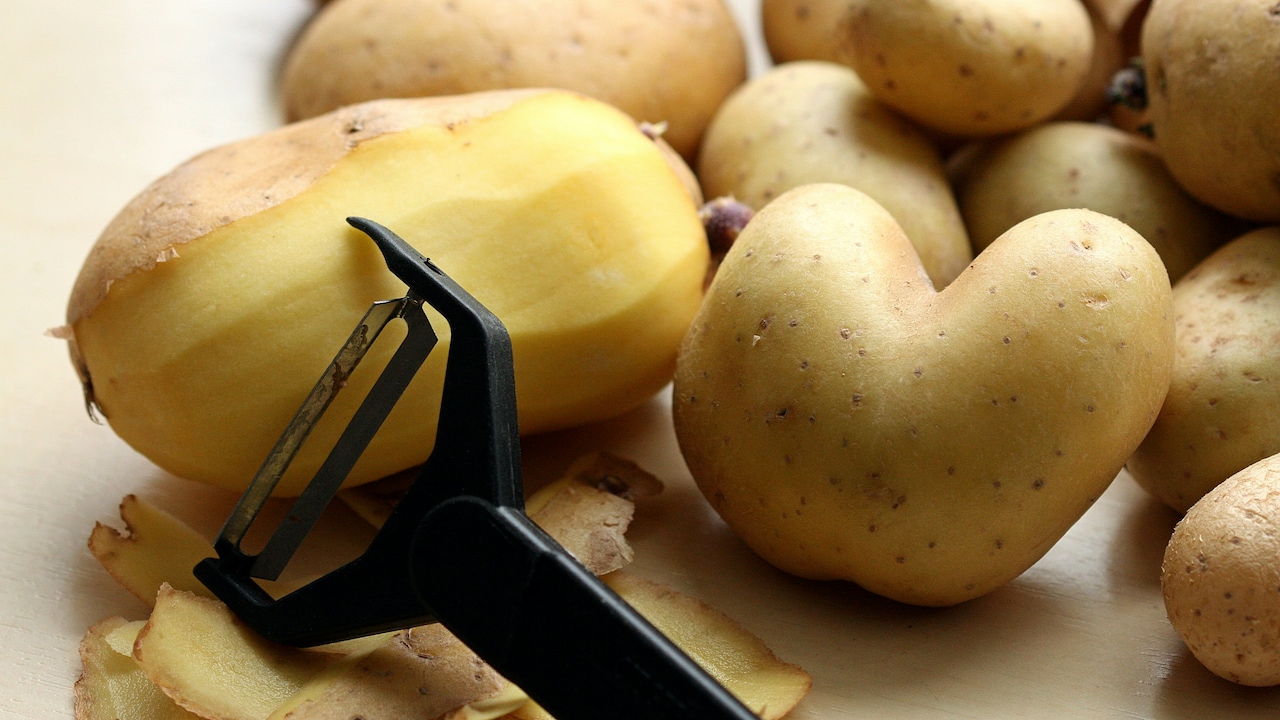
Why Thin Skins Tear While Peeling: 10 Common Peeler Problems Explained; Photo Credit: Pexels
8. You Keep Peeling Over The Same Area Repeatedly
One stubborn patch can turn peeling into a strangely determined activity. The blade misses a piece, so you go over it again. Then again. Soon the tiny patch has disappeared, along with a noticeable amount of perfectly good vegetable underneath it.
Repeated strokes create two problems. First, the newly exposed flesh offers a softer and wetter surface than the original skin. If the peeler crosses that area again, it can dig in unexpectedly. Second, overlapping strokes create uneven levels across the vegetable, making subsequent passes harder to control.
Aim for slightly overlapping but deliberate strips rather than repeatedly scraping at the same area.
When you reach eyes, deep dips or damaged patches in a potato, the peeler may not be the best tool for the job. Many peelers include a pointed section designed specifically for removing eyes. A small knife can also deal with awkward spots more precisely.
The goal isn't to achieve a perfectly polished vegetable worthy of display. Removing thin skin while keeping as much edible flesh as possible matters far more.
9. You Are Trying To Peel In One Long Stroke Every Time
Those long curls of peel look wonderfully efficient, so it's tempting to treat them as proof of good technique. In reality, some shapes simply don't cooperate.
A long carrot or straight cucumber may allow broad, continuous strokes. An irregular potato, raw mango or knobbly vegetable presents changing curves and resistance. As the peeler moves, the angle between the blade and surface shifts. Eventually, the blade catches and that impressive strip breaks into frustrating fragments.
Shorter strokes can provide much better control on uneven sections. They allow you to reset the blade angle whenever the shape changes.
Once you reach a flatter section, extend the movement again. There's no rule requiring every peel to emerge as one Instagram-worthy ribbon.
Changing stroke length also reduces the urge to apply extra pressure when the blade reaches a difficult curve. Instead of forcing your way through, stop, rotate the ingredient and approach the area from a more comfortable direction.
Sometimes cleaner peeling comes from giving up on the idea that fewer strokes automatically mean better technique.
10. The Skin May Be Too Thin To Need Peeling At All
Occasionally, the best solution to a peeler problem involves putting the peeler down.
Many vegetables and fruits have edible skins, particularly when cleaned properly and prepared for dishes where texture won't cause a problem. Tender potatoes, carrots, cucumbers and apples often don't require complete peeling for everyday cooking.
Trying to remove an exceptionally fine skin can create more waste than benefit. The blade struggles to find a clear boundary between peel and flesh, so each stroke removes a little of both. If the skin keeps breaking into translucent scraps while the vegetable underneath looks perfectly tender, ask whether peeling actually improves the dish.
Of course, recipe, texture preference and produce condition matter. Tough, damaged or unpleasant skin may still need removal.
Partial peeling offers another option. Leaving alternating strips on a cucumber, for example, can reduce prep while retaining some colour and texture.
A peeler is useful, but it doesn't need to participate in every vegetable preparation simply because it happens to be sitting beside the chopping board.
Products Related To This Article
1. Victorinox Swiss Made Stainless Steel Swiss Classic Ypso Peeler
2. Tupperware Vegetable Peeler (Red), Stainless Steel
3. Linden Sweden CLITZ 2-in-1 Stainless Steel Vegetable Peeler
4. 3-in-1 Vegetable & Fruit Peeler with Stainless Steel Blades
5. JAVA Universal Peeler
6. Go Store 2 in 1 Stainless Steel Julienne Vegetable Peeler Multi-Functional Fruit
7. P-Plus International 3 in 1 Rotary Multi-Functional Peeler
A troublesome vegetable peeler can make a two-minute kitchen task feel unnecessarily fiddly, but the blade isn't always solely responsible. Moisture, pressure, softness, wrist angle and the shape of the produce all influence how cleanly skin comes away. Start with a clean, sharp tool, use a lighter hand and let the blade follow the ingredient rather than forcing it. And when a paper-thin skin refuses to cooperate, consider whether it really needs removing in the first place.
(Disclaimer: This article may include references to or features of products and services made available through affiliate marketing campaigns. NDTV Convergence Limited (“NDTV”) strives to maintain editorial independence while participating in such campaigns. NDTV does not assume responsibility for the performance or claims of any featured products or services.)