10 Reasons Glass Vessels Turn Cloudy Despite Regular Washing And How To Restore Clarity
Glass vessels can look cloudy even after a thorough wash. Hard water, detergent residue, heat and tiny scratches may all play a role. Here’s how to identify what is dulling your glassware and safely bring back its shine.
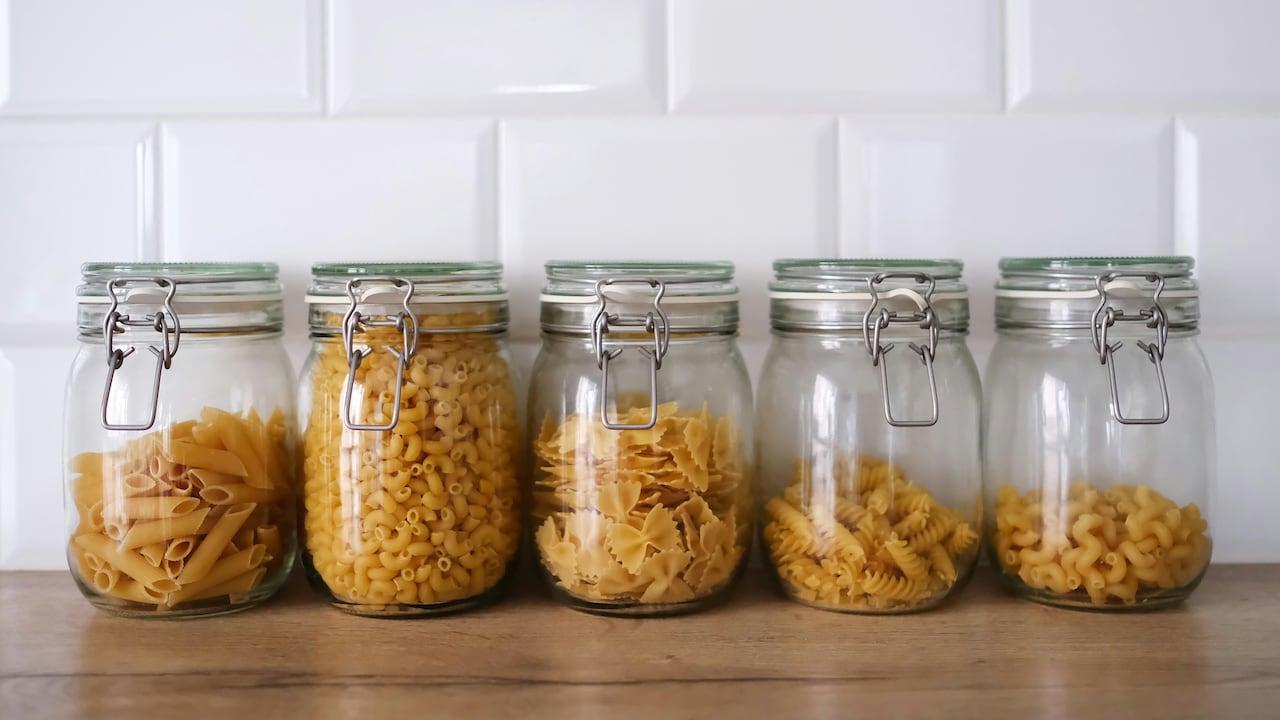
10 Reasons Glassware Looks Cloudy Even After Cleaning And How To Fix It
Glass vessels have a rather annoying habit of looking dirtier immediately after we have cleaned them. A favourite serving bowl comes out of the sink covered in a whitish film. Drinking glasses that once sparkled under the kitchen light slowly develop a dull, foggy appearance. Even glass jars stored neatly in a cabinet can begin looking as though someone breathed on them and forgot to wipe them. Naturally, the first instinct is usually another round of washing. More dishwashing liquid goes in, the scrubbing becomes enthusiastic, and perhaps hotter water joins the battle. Yet the cloudiness stubbornly stays put.
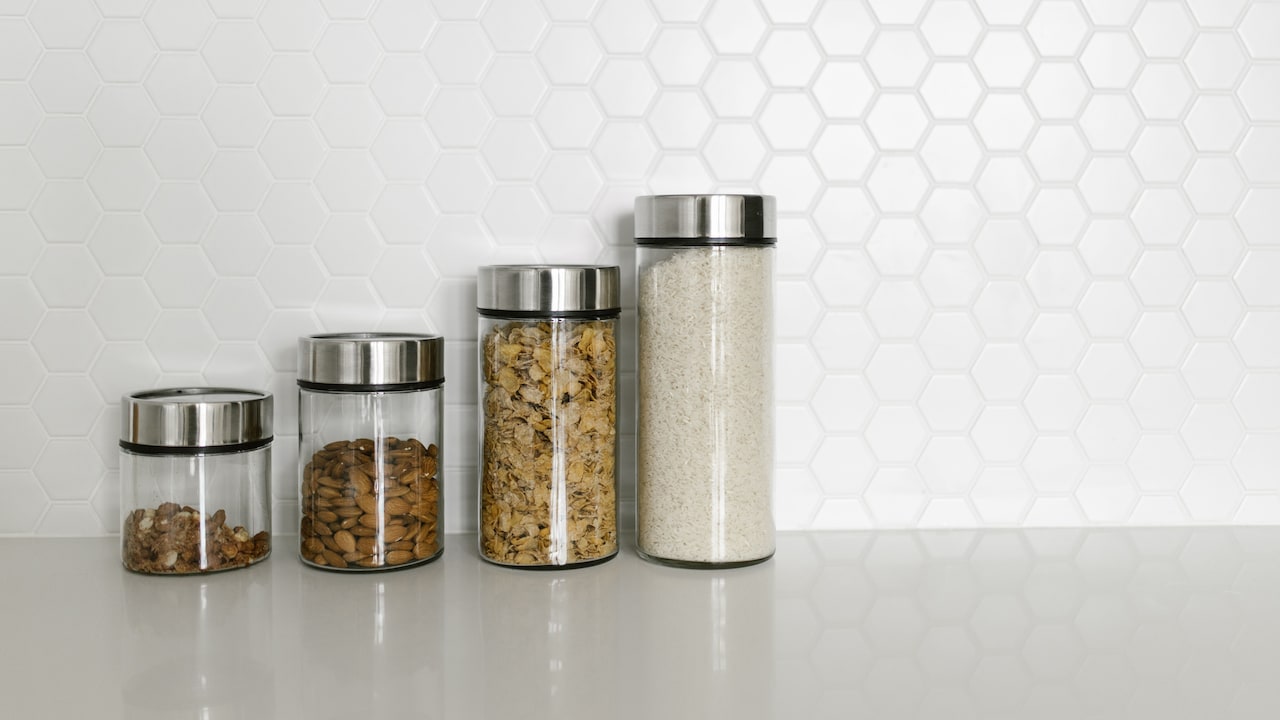
10 Reasons Glassware Looks Cloudy Even After Cleaning And How To Fix It; Photo Credit: Pexels
That happens because cloudy glass does not always mean dirty glass. Minerals from water, leftover washing detergent, repeated exposure to heat, food deposits, and microscopic surface damage can all change how light travels through glass. Some problems disappear with a little vinegar. Others require a change in washing habits. And occasionally, the cloudiness signals permanent damage rather than something sitting on the surface. Before retiring perfectly useful glassware to the back of the cupboard, it helps to understand what caused the haze in the first place.
Also Read: Aesthetic Kitchen Essentials: 5 Storage Jars For Spices, Pulses, And More
Why Your Glassware Loses Its Shine Even After Washing
1. Hard Water Leaves Minerals Behind
One of the most common reasons glass vessels turn cloudy has little to do with how thoroughly we wash them. Hard water contains dissolved minerals, particularly calcium and magnesium. When water dries on glass, those minerals can remain behind as an almost invisible layer. Over time, that layer becomes easier to spot.
The effect often looks like a milky film, pale spots or streaks. Areas with mineral-heavy tap water can make the problem particularly noticeable on everyday tumblers, serving bowls and glass bottles.
A simple vinegar test can help. Dab a little white vinegar on one cloudy patch and leave it for several minutes. If the area becomes noticeably clearer, mineral deposits are probably responsible.
For washable glassware, soaking it briefly in a mixture of white vinegar and warm water can loosen the deposits. Wash the vessel afterwards with mild dishwashing liquid and rinse thoroughly.
Prevention matters too. Instead of allowing water droplets to evaporate naturally, wipe frequently used glassware with a clean microfibre or lint-free cloth. Less water left drying on the surface means fewer minerals staying behind.
2. Too Much Dishwashing Liquid Can Leave A Film
When something looks dirty, adding extra soap feels logical. Glassware occasionally punishes that instinct.
Dishwashing liquids contain surfactants that lift grease and food from surfaces. If we use far more detergent than necessary, however, rinsing every trace away becomes harder. A thin residue can remain on the glass and create an oily or cloudy appearance.
The problem becomes more obvious when several vessels sit together in a sink full of heavily soapy water. Glasses may feel clean but look slightly dull once they dry.
Try reducing the amount of dishwashing liquid rather than increasing it. Modern formulas often work surprisingly well in small quantities. Rinse each vessel carefully under clean running water, paying attention to rims and curved bases where suds tend to linger.
If existing glassware already looks hazy, rinse it with warm water containing a small splash of white vinegar before performing a final plain-water rinse.
There is a useful lesson here: more foam does not automatically mean more cleaning power. Sometimes sparkling glass needs less soap, not another generous squeeze from the bottle.

10 Reasons Glassware Looks Cloudy Even After Cleaning And How To Fix It; Photo Credit: Pexels
3. Dishwasher Detergent Can Build Up On The Surface
Dishwashers save considerable effort, but glassware does not always emerge looking showroom-ready. Cloudiness can appear when the machine uses too much detergent, particularly when the water entering it is relatively soft.
The detergent may not dissolve or rinse away completely. Repeated cycles can then leave glass vessels looking increasingly dull even though they remain hygienically clean.
Start by checking how much dishwasher detergent the manufacturer recommends. Using the maximum amount every time rarely makes sense when dishes carry only light everyday residue.
Loading also matters. When tall vessels block spray arms or glasses sit too closely together, clean water cannot reach every surface properly. Detergent residue may stay trapped in awkward spots.
Rinse aid can improve water drainage and reduce spotting in suitable machines, although following both appliance and glassware care instructions remains important.
Occasionally run a glass through a cycle using less detergent and compare the result. If the haze improves, the washing routine rather than the vessel itself may be responsible.
Dishwashers work best when detergent, water hardness, temperature and loading all cooperate. Glass makes any imbalance surprisingly visible.
4. Water Droplets Dry Into Visible Spots
Sometimes the mysterious cloudiness consists of hundreds of tiny drying marks.
After rinsing a glass vessel, droplets cling to the surface. As the water evaporates, dissolved minerals and microscopic residues remain behind. One drying cycle might produce barely noticeable spots. Hundreds of washing and drying cycles can create an overall cloudy appearance.
This explains why glassware that regularly air-dries may gradually look duller than pieces polished before storage.
Drying glass promptly offers a simple solution. Use a clean, soft, lint-free cloth rather than an old kitchen towel covered with detergent, oil or fabric-softener residue. Hold delicate glasses carefully instead of twisting bowls and stems in opposite directions while polishing.
For bottles or narrow vessels that cannot easily be dried inside, allow them to drain completely upside down in a well-ventilated rack. Then store them only when fully dry.
Also check the drying surface itself. A rack covered with old mineral deposits can transfer marks straight back onto freshly washed vessels.
A clean wash followed by messy drying still produces disappointing glassware. The final few minutes matter more than we sometimes realise.
5. Grease Can Survive A Quick Wash
Cloudy glass sometimes comes from something far more ordinary than mineral chemistry: grease.
Serving bowls used for curries, gravies, butter-heavy dishes or fried snacks can develop a thin oily layer. Glass containers used for storing leftovers face the same problem, particularly around corners and rims. A quick rinse may remove the visible food while leaving microscopic fat behind.
Once dry, the vessel can look slightly foggy rather than obviously greasy. Running a finger across the surface may reveal the difference. Grease often feels slippery or unusually smooth compared with mineral scale.
Wash oily glassware with warm water and a modest amount of grease-cutting dishwashing liquid. Give the detergent enough contact time to loosen the fat before rinsing rather than immediately attacking the vessel with aggressive scrubbing.
Very hot water deserves some caution, especially with glass that has just come from a refrigerator. Sudden temperature changes can stress some types of glass.
Pay particular attention to rims, embossed areas, lids and textured surfaces. Grease likes hiding wherever fingers and sponges struggle to reach.
Sometimes a cloudy bowl does not need special restoration at all. It simply needs a more patient degreasing wash.
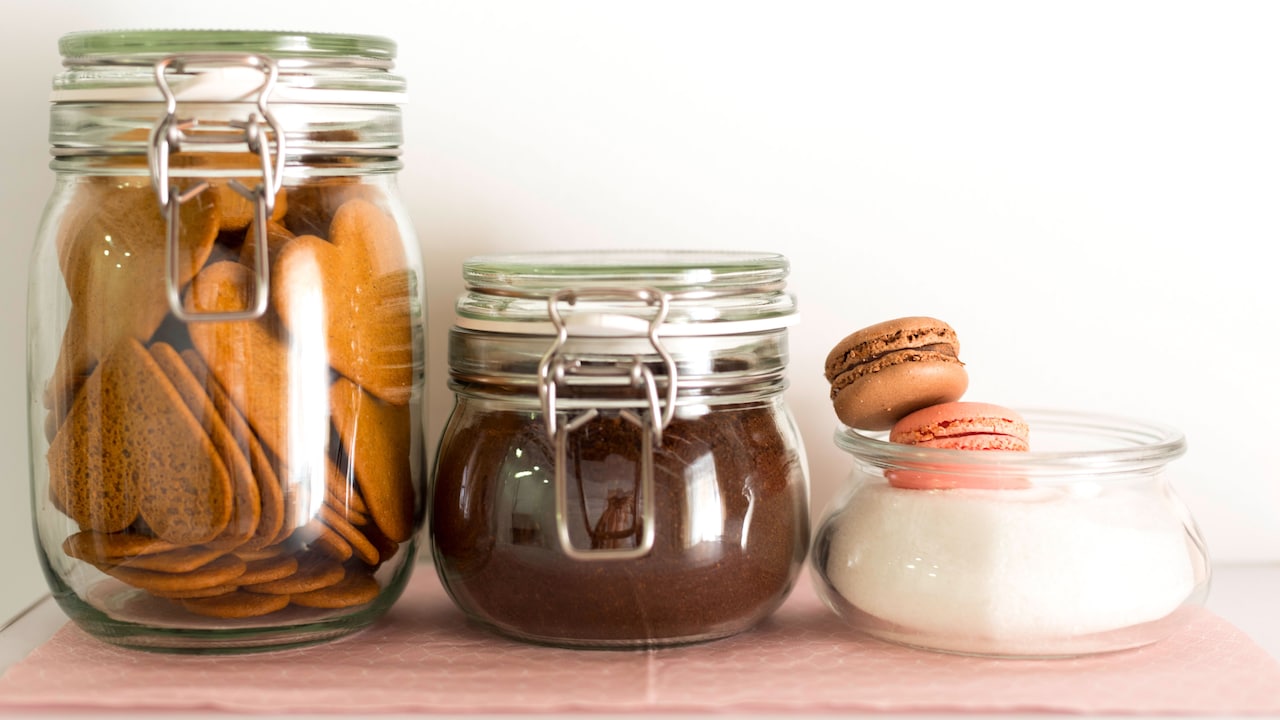
10 Reasons Glassware Looks Cloudy Even After Cleaning And How To Fix It; Photo Credit: Pexels
6. Tiny Scratches Scatter Light
Not every cloudy glass vessel can return to crystal-clear condition.
Repeated scrubbing with abrasive pads, gritty cleaning powders or rough utensils can create tiny scratches across the surface. Individually, these marks may be difficult to see. Together, however, they scatter light and make transparent glass appear hazy.
This type of cloudiness often remains even after vinegar treatment because there is nothing sitting on the surface to dissolve.
You can examine the vessel under strong light and tilt it slowly. Fine scratches may appear as numerous faint lines or a generally frosted surface. Frequently used storage containers and older glasses often show this kind of wear first.
Unfortunately, ordinary household cleaning cannot reliably reverse widespread scratching. The better strategy involves preventing further damage.
Use soft sponges or non-abrasive cleaning cloths. Avoid scouring powders unless the glass manufacturer specifically approves them. When stacking glass vessels, consider placing a soft liner between delicate pieces so that their surfaces do not rub together.
A scratched glass can remain perfectly useful if structurally sound. It simply may never regain the optical clarity it had when new.
Sometimes the most sensible restoration technique is knowing when to stop scrubbing.
7. High Heat Can Encourage Etching
A glass vessel that remains permanently cloudy despite careful cleaning may have developed etching.
Etching happens when chemical and physical conditions gradually alter the glass surface itself. Strong dishwasher detergents, high washing temperatures, soft water and repeated washing cycles can contribute to this damage in susceptible glassware.
Unlike ordinary hard-water deposits, etched glass does not become clear when treated with vinegar. The cloudy appearance forms part of the damaged surface rather than a removable coating.
The effect may start subtly. A favourite glass slowly loses its shine, then begins looking faintly frosted. Because the change develops gradually, we often respond by adding more detergent or scrubbing harder, which can make matters worse.
If valuable or delicate glassware carries dishwasher restrictions, hand-washing may offer the safer option. Use mild detergent, comfortably warm water and a soft cloth or sponge.
For machine-safe pieces, choose an appropriate glass or gentle programme when available and avoid unnecessarily harsh settings.
Once substantial etching develops, home remedies rarely restore the original clarity. Prevention makes far more difference.
If vinegar does absolutely nothing to a stubborn haze, another round of aggressive cleaning may not be the answer.
8. Starch And Food Residue Can Create A Dull Layer
Glass vessels used around everyday cooking encounter more than grease. Rice water, flour mixtures, dal, milk, sauces and starch-rich foods can leave surprisingly persistent films.
Starch becomes particularly troublesome when residue dries before washing. The glass may look clean after a quick rinse, yet a pale film becomes visible once the vessel dries.
Soaking usually works better than force.
Fill the vessel with warm water and let stubborn residue soften before washing it with mild detergent. Use a soft bottle brush for narrow jars or tall glasses rather than trying to force a scrubber into awkward corners.
Milk-based residue may need extra attention because proteins and fats can cling together on the surface. Extremely hot water at the beginning can sometimes make certain protein residues harder to shift, so starting with lukewarm water can prove useful before regular washing.
Inspect glass storage boxes around silicone seals and lid grooves too. Residue trapped there may spread back onto the glass during washing.
Regular washing works beautifully when residue remains fresh. Once food dries into a thin invisible layer, however, patience becomes the secret ingredient.
Five minutes of soaking can save twenty minutes of frustrated scrubbing.
9. Cleaning Tools Can Transfer Residue Back Onto Glass
The glass may be clean. The sponge may be the problem.
Kitchen sponges and dishcloths regularly encounter oil, spices, sauces and detergent. If we keep using the same heavily soiled sponge on glassware, it can transfer a faint greasy film onto surfaces that were otherwise nearly clean.
The result feels particularly puzzling because the glass looks cloudy immediately after washing.
Keep cleaning tools themselves clean and allow them to dry properly between uses. Replace worn sponges when they become greasy, smelly or impossible to rinse thoroughly.
A separate soft sponge or cloth for glasses can also help, especially in kitchens where utensils regularly carry oily food residue.
Tea towels deserve similar attention. Fabric softener and oil left on cloths can create streaks while polishing. A freshly washed lint-free drying cloth generally performs much better.
Before blaming the water supply, detergent brand or glass manufacturer, therefore, inspect the tools doing the cleaning.
There is something slightly comic about washing the same glass three times with a sponge that keeps putting the film back. Yet it happens surprisingly easily.
Clean glassware needs clean equipment from start to finish.
10. Long-Term Storage Can Leave Glass Looking Hazy
A glass vessel does not need daily use to become dull. Sometimes storage itself causes the problem.
Kitchen cabinets collect microscopic grease, cooking vapour and dust over time. Glass bowls, jars and serving pieces stored for months can develop a surprisingly stubborn surface film, particularly when kept near cooking areas.
Stacking vessels tightly can create another issue. Moisture trapped between pieces may leave marks, while direct glass-on-glass contact can eventually cause fine scratching.
Wash rarely used vessels before important occasions rather than assuming they remain spotless because they entered the cupboard clean.
For a stubborn storage film, warm water and mild dishwashing liquid usually provide a good starting point. If mineral haze remains, try diluted white vinegar on suitable plain glass before rinsing thoroughly.
Make sure every vessel dries completely before returning it to the cabinet. Leave a little breathing space between pieces where practical, and avoid storing glass beside areas that regularly collect oil vapour.
That gleaming serving bowl brought out only during family gatherings deserves some attention between appearances too.
After all, cupboard doors keep out hands remarkably well. Unfortunately, they are less successful against time, moisture and kitchen air.
Products Related To This Article
1. Nestasia Borosilicate Glass Cooking Pot on Gas Stove
2. 900ml Square Borosilicate Glass Baking Dish
3. Allo Foodsafe Glass Containers With Lids
4. The Better Home zeno Borosilicate Glass Cookware for Gas Stove
5. AGARO Elite Glass Loaf Tray Rectangular, 1800ml, Bake Safe
6. Allo Food Safe Borosilicate Glass Mixing & Serving Bowls for Kitchen
7. Nestasia Transparent Glass Jug with Steel Lid
Cloudy glass does not automatically mean poor washing. Hard-water minerals, detergent residue, grease, food films, drying marks and storage grime can all dull the surface. Start with gentle cleaning and a simple vinegar test before reaching for abrasive products. If the haze refuses to move, scratching or etching may be responsible. The best long-term fix is usually surprisingly simple: use less detergent, rinse thoroughly, dry glass properly and treat transparent surfaces a little more gently. Check out the top options for glass vessel containers.
(Disclaimer: This article may include references to or features of products and services made available through affiliate marketing campaigns. NDTV Convergence Limited (“NDTV”) strives to maintain editorial independence while participating in such campaigns. NDTV does not assume responsibility for the performance or claims of any featured products or services.)