Why Stackable Fridge Containers Make Some Shelves Less Practical
Stackable fridge containers promise order but can waste shelf space, block visibility and make food harder to reach. Here’s why neat-looking stacks do not always create a practical fridge.
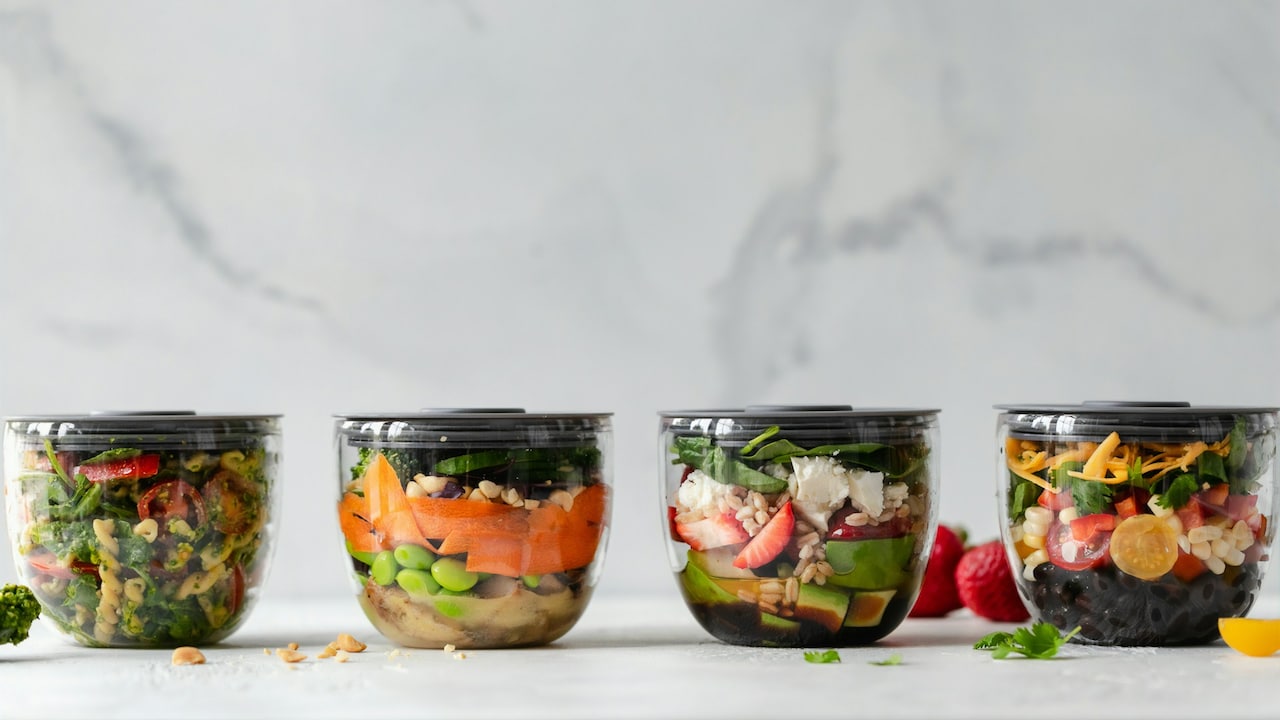
Read about the different advantages of stackable fridge containers
A beautifully organised fridge has become a modern kitchen fantasy. Transparent boxes sit in perfect rows. Coriander looks lively. Lemons remain obediently grouped. Leftover dal appears ready for a magazine cover rather than tomorrow's lunch. Stackable containers seem central to this dream. They promise to control clutter, use vertical space and prevent mysterious bowls from wandering behind the milk. In theory, every shelf gains structure. In practice, some shelves become harder to use.
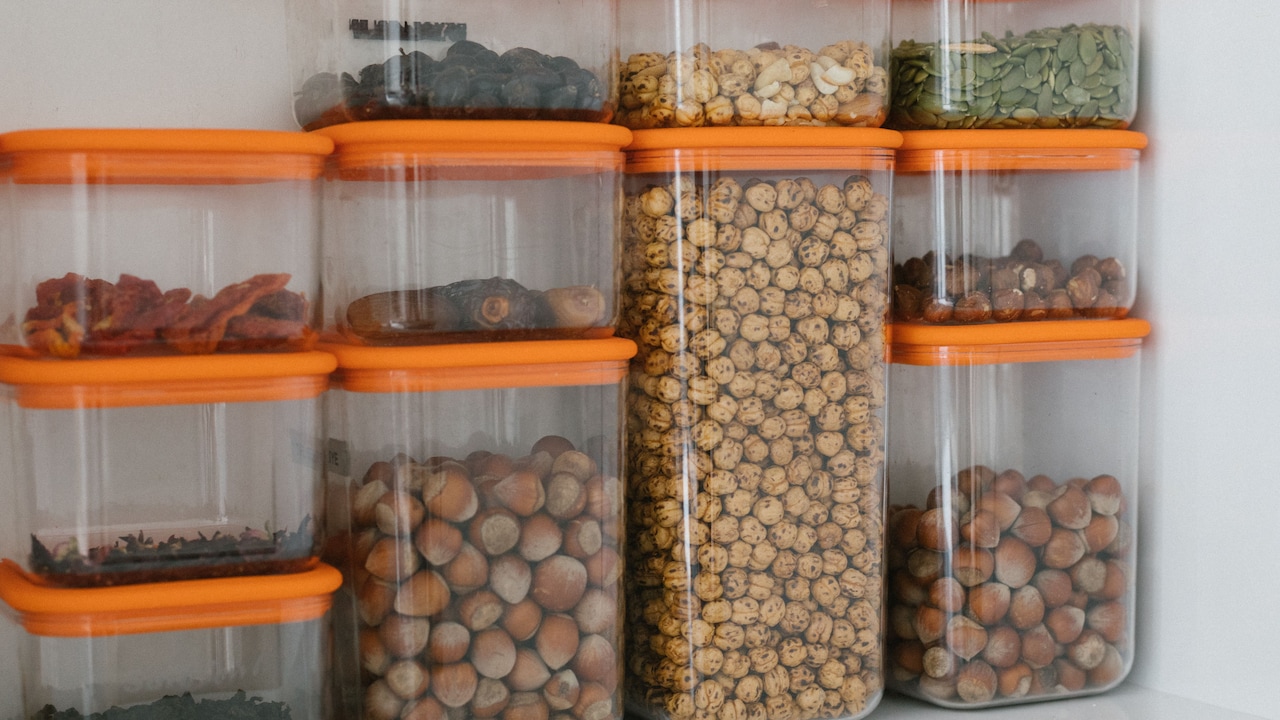
Advantages of using stackable containers for better organisation
Photo Credit: Pexels
The problem rarely lies with the containers themselves. It comes from the way fixed boxes interact with uneven groceries, changing meal plans and crowded family routines. A refrigerator does not hold identical objects. It holds tall bottles, half-cut vegetables, steel bowls, sweet boxes, medicine packets, takeaway cartons and yesterday's sabzi in quantities that refuse to follow a neat system.
Also Read: 5 Airtight Pantry Containers That Lock In Freshness And Keep Snacks Crunchy
Stacking can help when the fridge contents stay predictable. Most homes, however, change from one meal to the next. A container arrangement that works on Monday may become a nuisance after the weekly vegetable shopping trip. These ten common problems explain why stackable containers can make certain shelves less practical, despite looking impressively organised.
When Neat Fridge Storage Becomes Inconvenient
1. Perfect Stacks Leave Imperfect Gaps
Stackable containers use space well only when their dimensions match the shelf. Most fridge shelves do not cooperate so neatly. A row of square boxes may leave a narrow gap beside the wall, too small for a bottle and too awkward for a bowl. That space technically remains available, yet it becomes almost useless.
The same issue appears above short stacks. Two containers may fit comfortably, while a third cannot slide under the shelf above. The remaining gap might hold a packet of cheese or a slim box of sweets, but retrieving it later can feel like removing a playing card from beneath a tower.
Everyday groceries also come in unpredictable shapes. A round watermelon slice, a tall bottle of cold coffee or a bulky packet of paneer will not politely follow the container grid. Families then start squeezing loose items into corners, where they become harder to see.
A shelf packed with matching boxes may therefore waste more space than a mixed arrangement. Flexible storage often handles irregular food better. One sturdy container, one bowl and a little breathing room can prove more useful than a flawless row that leaves several unusable pockets.
2. Lower Containers Become Hard To Reach
A stack looks efficient until someone needs the container at the bottom. Reaching it means lifting every box above it, finding a safe place for them and rebuilding the tower afterwards. During a rushed breakfast, this simple task can feel strangely unreasonable.
Imagine three containers holding chopped fruit, leftover pulao and marinated paneer. The paneer sits at the bottom. Preparing lunch now requires removing two chilled boxes with slippery lids. One may end up on the kitchen counter, another near the sink, and the carefully planned arrangement collapses within minutes.
This becomes more frustrating when containers feel heavy. Glass boxes add stability and look elegant, but a stack of three can test wrists, especially for children or older family members. Even lightweight plastic boxes become awkward when filled with curry or cut vegetables.
Frequently used food should remain easy to reach. When stacking hides daily staples beneath occasional items, organisation starts working against convenience. People may even avoid the bottom box and choose something else, allowing food to sit forgotten.
A practical fridge supports quick decisions. If accessing one item requires a balancing act worthy of a circus performer, the shelf may look organised but function poorly.
3. Fixed Shapes Reduce Shelf Flexibility
Refrigerator shelves need to adapt. One day they hold small leftovers. The next day they must accommodate a birthday cake, a large pot of biryani or a vessel full of prepared batter. Stackable containers introduce a fixed structure into a space that often needs to change quickly.
Matching boxes usually come in standard widths and heights. That consistency helps create tidy rows, but it limits flexibility. A large steel bowl may fit only after several containers leave the shelf. The displaced boxes then move elsewhere, starting a chain reaction across the fridge.
This problem often appears during festivals, family visits and weekend meal preparation. Suddenly, the refrigerator must hold trays of sweets, marinated ingredients and extra milk packets. A rigid container system struggles with such temporary abundance.
Adjustable shelves can help, although changing shelf height creates another task. Many households simply place oversized items wherever they fit, even when that means blocking smaller boxes.
A less structured shelf can respond more easily. Bowls can shift sideways. Pouches can lie flat. Bottles can move forward. Stackable systems work best when food quantities remain stable, but home kitchens rarely follow such discipline. Flexibility often matters more than visual symmetry.
4. Tall Stacks Block The View
Clear containers create the impression that every item remains visible. Yet visibility depends on position, lighting and angle. A tall stack near the front can block everything behind it, turning the back of the shelf into a chilled hiding place.
This happens often in deep refrigerators. The first row looks transparent and organised, but it still acts like a wall. A small bowl of chutney, a packet of butter or half a bowl of rajma may sit unseen behind three stacked boxes. By the time someone discovers it, the food may no longer look inviting.
Labels solve only part of the problem. They identify what sits inside a container, but they do not reveal what sits behind it. Pull-out bins may improve access, though they take up additional width and require space to slide forward.
Shorter groupings usually protect sightlines better. Keeping frequently used containers at the front and leaving taller items towards the side can also help. The goal should involve seeing most of the shelf at a glance.
A fridge should not reward archaeology. When family members need to move several boxes simply to check what remains at the back, the storage system has created more mystery than order.
5. Condensation Makes Stacks Slippery
Cold containers often collect moisture. Warm food, humid weather and repeated door opening can create droplets around lids and bases. Once stacked, these damp surfaces may slide against each other.
A small movement can cause the upper container to shift. Someone opens the fridge quickly, reaches for a milk packet and nudges the tower. The top box edges forward with alarming confidence. A container full of gravy does not need much encouragement to create an unforgettable kitchen scene.
Smooth glass and glossy plastic increase this risk. Even containers designed for stacking may become unstable when lids warp slightly, or bases remain wet. Overfilling can also prevent lids from closing evenly, making the tower lean.
Wiping every box before returning it to the fridge sounds sensible, but busy households rarely maintain such precision after each meal. Someone stores warm dal. Someone else adds a loosely closed fruit box. By evening, the stack has developed its own personality.
Shallow stacks reduce the danger. Two containers usually remain manageable, while four or five create unnecessary risk. Stability matters more than squeezing every centimetre from the shelf. A little unused vertical space costs far less than cleaning spilt curry from three levels of the refrigerator.
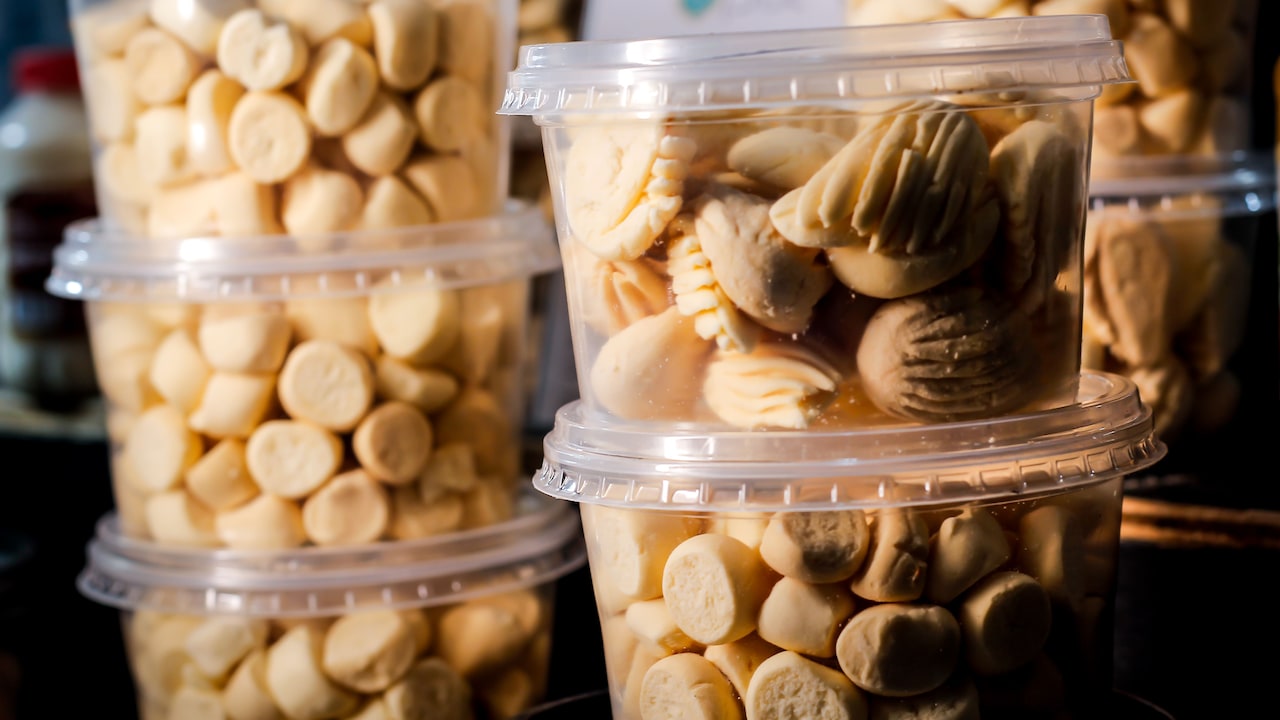
Advantages of stackable fridge containers over regular shelves; Photo Credit: Pexels
6. Matching Lids Create Daily Confusion
A set of matching containers looks wonderfully coordinated. The lids, however, can turn into a daily puzzle. Several may appear almost identical while differing by only a few millimetres. One lid sits loosely. Another refuses to close. A third belongs to a container currently hiding in the dishwasher.
This confusion affects fridge organisation because an improperly closed lid weakens the entire stack. The box may tilt, leak or release food smells. A container of sliced onion can quickly announce its presence to the milk, sweets and drinking water nearby.
Finding the correct lid also wastes time. After dinner, nobody wants to conduct a careful size comparison while the cooker still needs cleaning. The nearest lid often gets pressed into service, even when the fit looks doubtful.
Some sets solve the problem with colour coding or clearly marked sizes. Others promise universal lids, which can reduce the mismatch. Even then, lids require their own storage space outside the fridge, adding another layer to kitchen organisation.
Containers should simplify food storage from start to finish. When the lid drawer resembles a competitive matching game, the convenience begins to fade. Fewer sizes and clearly different shapes often work better than a large, perfectly coordinated collection.
7. Small Portions Occupy Large Boxes
Stackable sets encourage people to use whichever empty container fits the system, not necessarily the food. A few spoonfuls of sabzi may end up inside a medium-sized box simply because the smaller one remains occupied. The container then claims far more shelf space than the food requires.
This happens frequently with leftovers. Half a katori of dal, two pieces of dhokla or a little coconut chutney can occupy boxes designed for full meals. Once stacked, these oversized containers create the illusion of efficient storage while trapping large pockets of empty air.
The problem grows when every box has the same footprint. A shallow portion may still take up the full width of the container beneath it. Smaller bowls or silicone pouches could use the space more effectively, but they may not fit neatly into the existing tower.
Transferring food into a smaller box helps, though it creates extra washing. Many people understandably avoid dirtying another container merely to save a few centimetres.
A mixed collection often handles portion changes better. Tiny jars suit chutneys. Medium bowls suit leftovers. Large boxes suit prepared ingredients. Uniformity looks satisfying, but food rarely arrives in uniform quantities. A practical shelf needs containers that respect the portion, not just the stack.
8. Stacks Encourage Forgotten Leftovers
A neat stack can make old food look permanently respectable. Closed lids hide drying edges, fading colour and the small clues that usually remind people to eat leftovers soon. When new containers get placed on top, older meals slowly travel down the tower.
The bottom box may contain perfectly good food, yet nobody remembers it. Fresh leftovers remain visible at the top and get chosen first. This creates the opposite of the sensible “first in, first out” approach used in professional kitchens.
Labels with dates can help, but only when everyone uses them consistently. A washable marker seems easy in theory. After a late dinner, enthusiasm for writing “Tuesday night aloo gobi” tends to disappear.
Shallow rows make food rotation easier than deep stacks. Placing older items at the front also improves the chance that someone will use them. Another useful habit involves creating one dedicated leftovers zone rather than scattering boxes across several shelves.
Food waste often begins with poor visibility, not poor intention. Nobody plans to forget a portion of chole until it develops an unsettling scientific ambition. An organisation system should keep ageing food obvious. When stacking allows leftovers to sink out of sight, neatness starts carrying an unnecessary cost.
9. Cleaning Around Towers Becomes Awkward
A fridge shelf needs regular wiping. Milk leaks, vegetable packets release moisture and tiny crumbs appear without explanation. Stackable containers make this routine harder when several towers must leave the shelf before cleaning can begin.
Removing one box feels simple. Removing twelve matching boxes becomes a project. Each needs temporary counter space, and every stack must return in the correct order. This effort can tempt people to wipe only the visible areas around the containers, leaving sticky patches underneath.
Moisture trapped beneath a box may create unpleasant smells or marks. Vegetable residue can collect near the back, where tall stacks block access. Even transparent containers cannot reveal what sits directly under their bases.
Overcrowding also reduces air circulation around food. While modern refrigerators regulate temperature effectively, tightly packed shelves can still create uneven cooling and make spills harder to notice.
Leaving small gaps around container groups improves both cleaning and airflow. It also makes the fridge feel less visually crowded. Empty space does not always signal wasted space. Sometimes, it provides useful access.
A shelf that takes twenty minutes to clear will not receive frequent attention. Good organisation should support maintenance. When cleaning requires dismantling a miniature skyline, the system may need fewer towers and more breathing room.
10. Visual Order Can Hide Practical Disorder
Stackable containers often create a powerful sense of control. Matching edges, clear lids and aligned rows look calm. Yet a visually pleasing fridge may still frustrate everyone who uses it.
One family member may not know where the snacks went. Another may place hot food into the nearest empty box, disrupting the categories. Children may struggle to lift stacked containers. A grandparent may prefer familiar steel bowls over identical transparent boxes. The fridge looks organised, but daily use becomes less intuitive.
This gap between appearance and function matters. Social media often celebrates refrigerators arranged by colour, size or product type. Real kitchens need something more forgiving. They need space for sudden leftovers, extra curd, a large tiffin box and the occasional ₹500 box of sweets brought by a guest.
Practical order should follow household habits. Frequently used food belongs within easy reach. Heavy containers need lower positions. Children's items should remain accessible. Tall bottles need clear zones. The system must serve the people opening the fridge, not an imaginary audience admiring it.
A little visual inconsistency can improve everyday convenience. The best fridge may contain matching boxes, steel vessels and one slightly crooked bowl. It may not look flawless, but everyone can find dinner.
Products Related To This Article
1. Pack of 6 Fridge Storage Containers, Fridge Organiser Storage Boxes
2. Fridge Storage Containers Set of 6 with Lids
3. VOLTURI Fridge Storage Containers (Pack of 6), Fridge Organiser Storage Boxes
4. SATVIKAYA Air Tight Plastic Storage Containers Set for Kitchen
5. Xiran 6 Fridge Storage Boxes Fridge Organizer With Removable Drain Plate
6. MILTON Cryo Fridge Storage Boxes Set of 6 Fridge Organizer Container
7. Allo Food Safe Glass Containers with Lids
Stackable fridge containers can solve genuine problems. They protect food, reduce loose packaging and help organise ingredients. Their value, however, depends on how thoughtfully they get used. Filling every shelf with towers may create wasted gaps, blocked views, unstable boxes and inconvenient access.
The most practical approach avoids extremes. Two-box stacks often work better than tall columns. Frequently used food should remain visible. Older leftovers need front-row attention. Containers should match portion sizes, while some open space should remain available for unusual groceries and sudden changes.
A refrigerator serves a living household, not a showroom. Its contents change with shopping days, festivals, school schedules, late dinners and unexpected guests. Storage must bend with those moments.
Matching containers can still earn a place in the kitchen, but they should support movement rather than restrict it. A useful shelf may not appear perfectly aligned. It may contain a large vessel beside a small jar, with enough room left for tomorrow's watermelon.
True organisation does not mean fitting the maximum number of boxes into the fridge. It means finding food quickly, using it before it spoils and reaching the leftover paneer without rebuilding an entire tower.
(Disclaimer: This article may include references to or features of products and services made available through affiliate marketing campaigns. NDTV Convergence Limited (“NDTV”) strives to maintain editorial independence while participating in such campaigns. NDTV does not assume responsibility for the performance or claims of any featured products or services.)