Open Vs Closed Storage: Which One Actually Keeps A Room Looking Neater?
Open shelves add character but expose clutter. Closed cabinets create instant calm but can hide chaos. The neatest rooms use both, displaying essentials while keeping visual noise behind doors.
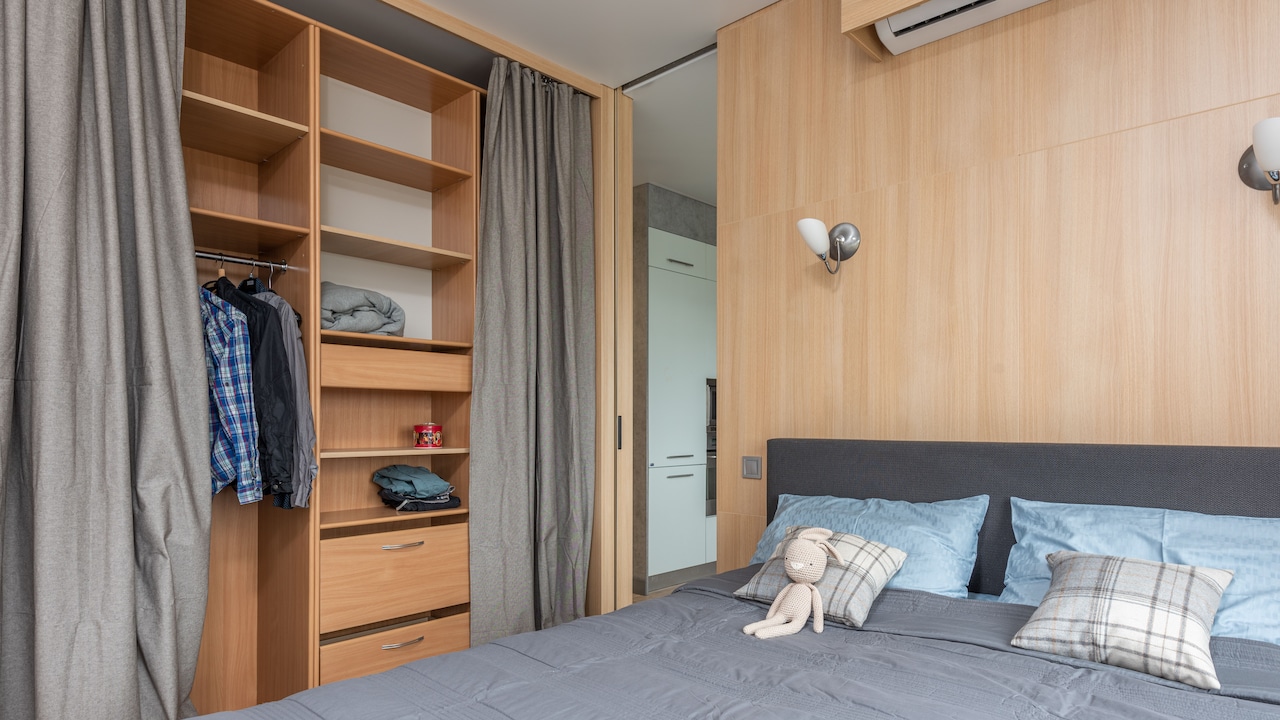
How to choose between open vs closed storage for home
A room can be perfectly clean and still look untidy. A row of colourful bottles, tangled charging cables or an enthusiastic collection of souvenir mugs can create enough visual commotion to make the entire space feel busy. This is where storage choices begin to matter. Open storage puts belongings on display. It includes wall shelves, bookcases, open kitchen racks, baskets and clothing rails. Closed storage keeps things behind doors, inside drawers or within covered boxes. Both styles can look beautiful in photographs. Real homes, however, must deal with dust, rushed mornings, unexpected guests and that one chair where clothes mysteriously gather.
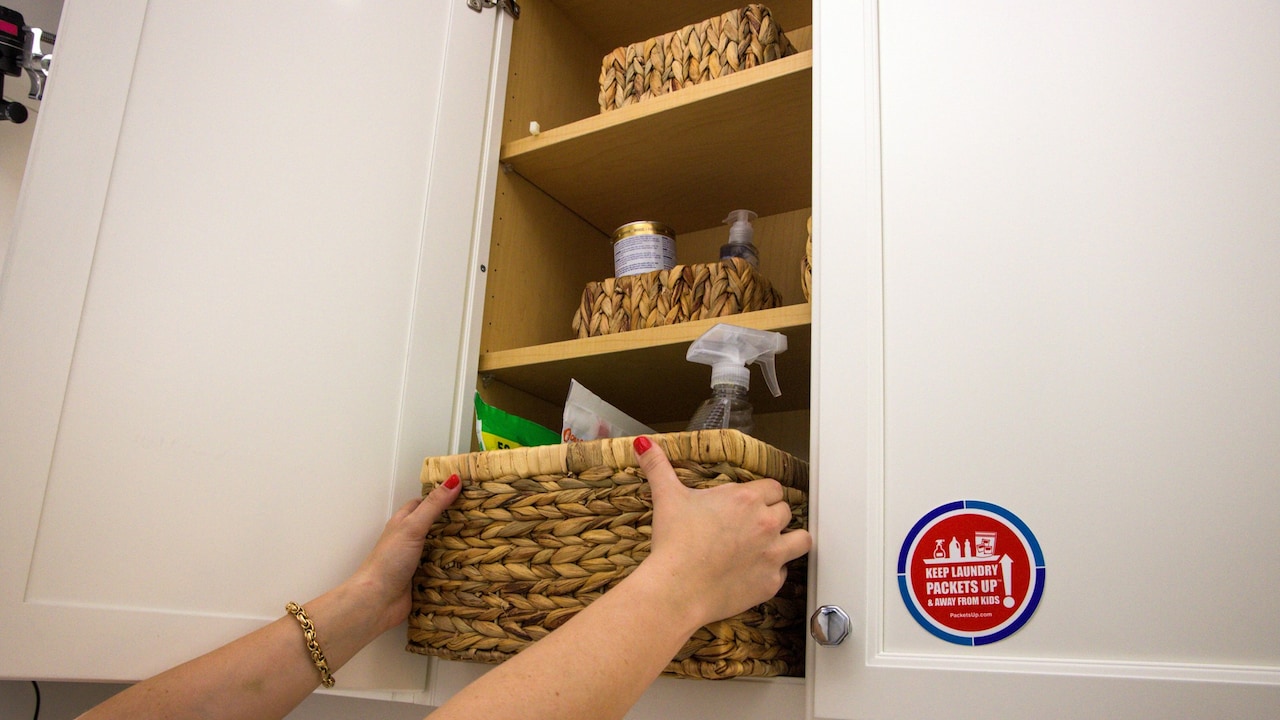
Open vs closed storage options which are better for decluttering
Photo Credit: Unsplash
The question is not simply whether open or closed storage looks better. It is whether the system supports the way a household actually lives. A carefully styled shelf can bring warmth and personality to a room. A closed cabinet can create instant calm. Yet open shelves can become clutter magnets, while closed cupboards can quietly turn into miniature disaster zones. To find the neater option, it helps to examine how each system affects visibility, maintenance, convenience and everyday behaviour.
Also Read: 10 Best Home Organisers Under ₹1,200 to Declutter And Maximise Space
The Real Difference Between Open And Closed Storage
1. Open Storage Makes Every Object Part Of The Décor
Open storage does not merely hold belongings. It displays them. Every book spine, ceramic bowl, spice jar and storage basket becomes part of the room's visual story.
This can work beautifully when the objects share a sense of order. A kitchen shelf with matching glass jars, neatly stacked steel containers and a trailing money plant can look warm and lived-in. A bookcase arranged with books, framed photographs and a few decorative pieces can make a living room feel personal rather than staged.
The trouble begins when practical items outnumber attractive ones. A shelf holding medicine strips, old bills, loose chargers and three half-used bottles of hair oil may be useful, but it rarely looks restful. Open storage demands a certain level of editing. It asks householders to decide what deserves attention and what should stay out of sight.
That makes it less forgiving than closed storage. Even when everything sits in its proper place, the room may still appear cluttered because the eye registers each object separately. Open shelves look neat only when the contents remain controlled, coordinated and intentionally arranged. Without that discipline, storage quickly becomes scenery from a very busy market lane.
2. Closed Storage Creates Instant Visual Calm
Closed storage has one unbeatable advantage: it can make clutter disappear in seconds. Shut the doors, slide the drawer, and the room immediately feels quieter.
This quality matters in compact homes, where several activities often happen in one space. A living room may also serve as a study corner, dining area, play zone and occasional guest room. When every object stays visible, the space can feel crowded even when it contains only essential items. Closed cabinets reduce that visual pressure.
A television unit with drawers can hide remote controls, wires, instruction manuals and gaming accessories. A sideboard can hold table linen, candles and extra crockery without making the dining area resemble a shop display. Even a simple shoe cabinet near the entrance can bring surprising calm to a hallway that once looked like footwear had staged a protest.
However, visual calm does not always equal genuine order. A cabinet can look immaculate outside while hiding a landslide inside. Closed storage makes a room appear neater, but it can also encourage careless habits. Items get pushed into drawers because guests are arriving, and those drawers may remain untouched for months.
Even so, when appearance matters most, closed storage wins quickly. It creates broad, uninterrupted surfaces that help a room feel larger, cleaner and more composed.
3. Open Shelves Reward Good Habits And Expose Bad Ones
Open storage acts like an honest friend. It reveals everything, including the habits nobody wants to discuss.
When objects remain visible, people often return them to their proper place more regularly. A child may place storybooks back on a low shelf because the correct spot remains obvious. A home cook may refill labelled jars before they run empty. Everyday items become easier to track, which reduces duplicate purchases and frantic searching.
At the same time, open storage exposes every lapse. One misplaced packet, crumpled receipt or stack of random papers can disturb the entire arrangement. The shelf that looked charming on Sunday may look chaotic by Wednesday evening.
This constant visibility can motivate tidy behaviour, but it can also create pressure. Not every household wants to arrange shampoo bottles by height or fold towels as though a hotel inspector may arrive. Homes should support life, not turn daily routines into display management.
Open storage suits people who naturally edit, arrange and return objects after use. It also works well for categories with clear boundaries, such as books, plants, everyday crockery or neatly folded linen. For those who tend to drop things wherever space appears, open shelves may become a running commentary on unfinished tasks.
Neatness, in this case, depends less on furniture and more on personality.
4. Closed Cabinets Can Hide More Than Clutter
A closed cupboard can protect a room from visual mess, but it can also protect bad organisation from consequences. Once the doors shut, the problem stops demanding attention.
This often leads to overfilling. An extra pressure cooker joins three others. Old festive decorations sit beside broken appliances waiting for repairs that may never happen. Gift boxes remain because they look too sturdy to discard. Eventually, opening the cabinet becomes an act of courage.
The room may still look neat, but the storage stops working efficiently. Useful items get buried, forgotten or replaced unnecessarily. A household may buy another set of bedsheets simply because the existing ones hide behind a tower of winter blankets.
Closed storage works best when the interior receives as much thought as the exterior. Drawer dividers, trays, labelled boxes and adjustable shelves prevent cupboards from becoming mysterious caves. Categories also need limits. When a drawer fills up, something should leave before something new enters.
A neat-looking room feels more satisfying when the order continues behind the doors. Otherwise, closed storage only relocates the chaos.
Still, there is no shame in keeping ordinary items hidden. Not every packet of detergent or spare light bulb needs a starring role. The goal is not perfection. It is storage that remains useful after the cabinet doors open.
5. Dust Gives Closed Storage A Practical Advantage
Open shelves collect dust with remarkable enthusiasm. They gather it on books, bowls, photo frames, decorative pieces and every tiny corner that proves difficult to reach.
In cities where traffic, construction and dry weather contribute to airborne dust, this becomes more than a minor inconvenience. An open kitchen shelf may need frequent wiping, especially when oil and steam join the situation. Decorative objects can develop a sticky layer that requires more effort than a casual swipe with a cloth.
Closed cabinets offer better protection. They do not create a sealed laboratory environment, but they reduce the amount of dust settling on stored items. This matters for crockery, clothes, documents and occasional-use belongings.
The maintenance difference can shape how neat a room looks. Open shelves may appear lovely immediately after cleaning, then lose their crispness within days. Closed units keep their appearance for longer because large outer surfaces take less time to wipe.
That does not mean every shelf needs a door. A few open sections can bring lightness to a bulky storage wall. The trick lies in reserving them for objects that get used or cleaned regularly.
Anyone who enjoys styling but dislikes dusting twenty miniature souvenirs every weekend may find closed storage far more peaceful. Sometimes neatness begins with reducing the number of surfaces that need attention.
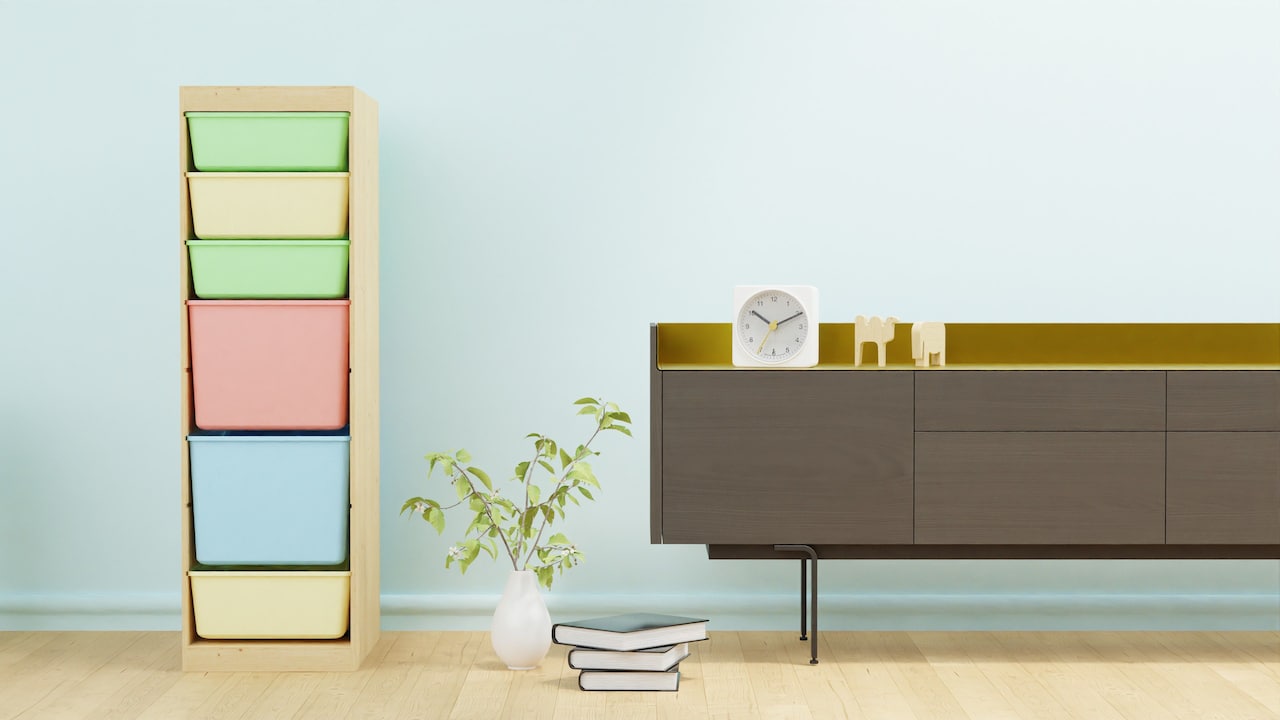
Open storage solutiosn are prone to getting dirty due to everyday dust exposure; Photo Credit: Pexels
6. Open Storage Makes Everyday Routines Faster
Neatness should not come at the cost of convenience. A storage system that slows down daily life often fails, no matter how polished it looks.
Open storage keeps frequently used items within reach. In the kitchen, open shelves can hold tea, sugar, spices and cups. In a study area, visible organisers can keep notebooks, pens and chargers accessible. Near the entrance, hooks and baskets can provide easy spots for keys, helmets and reusable shopping bags.
When storage matches a routine, objects are more likely to return to their place. A key hook beside the door works better than a beautiful drawer across the room. A basket for children's toys can succeed because tidying takes seconds rather than a full negotiation.
The danger lies in placing too many daily essentials on display. Convenience can slowly expand until every surface holds something. One open shelf becomes three. A neat row of jars gains packets, appliances and yesterday's newspaper.
The most effective open storage creates a clear boundary. It holds only what earns its position through frequent use. Less-used items move behind doors.
This approach keeps routines quick without allowing the room to look permanently busy. Open storage works best as a carefully chosen support system, not as permission to display every object that enters the home.
7. Closed Storage Helps Small Rooms Look Larger
Small rooms need visual breathing space. When belongings cover walls, shelves and surfaces, the room can feel tighter than its actual dimensions.
Closed storage creates solid shapes and cleaner lines. A floor-to-ceiling wardrobe in the same colour as the wall can almost recede into the background. A bed with built-in drawers can hold extra bedding without adding another piece of furniture. A streamlined cabinet can replace several small storage units that make the room look fragmented.
Open shelving, by contrast, breaks the wall into many visible elements. This can add depth when styled lightly, but it may also create visual clutter. A narrow bedroom with an open clothing rail can feel cramped once different colours, fabrics and hangers compete for attention.
That said, heavy closed cabinets can overwhelm a small room if they use dark finishes, bulky handles or awkward proportions. Closed storage does not automatically create space. It needs thoughtful design.
A balanced combination often works well. Closed cupboards can handle the majority of belongings, while one open shelf adds personality. The open section might hold a plant, a few books or a framed photograph rather than a full household inventory.
In compact rooms, neatness often comes from reducing visible categories. The fewer separate things the eye must process, the calmer and more spacious the room feels.
8. Open Storage Brings Character To Plain Spaces
A room filled entirely with closed cabinets can look wonderfully calm. It can also feel slightly anonymous, especially when every surface follows the same finish.
Open storage introduces character. It offers space for books with worn covers, brass lamps, travel keepsakes, family photographs and handmade pottery. These objects give a room emotional texture. They show that people live there, cook there, celebrate there and occasionally buy decorative items without knowing where they will go.
The goal is not to eliminate personality in the name of neatness. A home should not resemble a furniture showroom where nobody has ever misplaced a sock. The real challenge is presenting meaningful objects without letting them crowd one another.
Negative space helps. An open shelf does not need filling from edge to edge. Leaving small gaps allows individual pieces to stand out. Repeating materials or colours can also create harmony. A collection of blue ceramics looks intentional, while a mixture of plastic containers, trophies, wires and old calendars may feel accidental.
Rotation offers another useful strategy. Instead of displaying every treasured object at once, a few pieces can appear for a season before others take their place.
Open storage looks neat when it tells a selective story. It loses its charm when the story includes every object ever owned.
9. The Best Choice Changes From Room To Room
No single storage style suits every part of a home. A system that works in a kitchen may fail in a bedroom, while a living room needs a different balance altogether.
Kitchens often benefit from a mix. Daily spices, cups and cooking tools can stay visible, while food packets, cleaning products and bulky appliances sit behind doors. Bathrooms usually look neater with closed cabinets because colourful bottles and personal-care products create instant visual clutter.
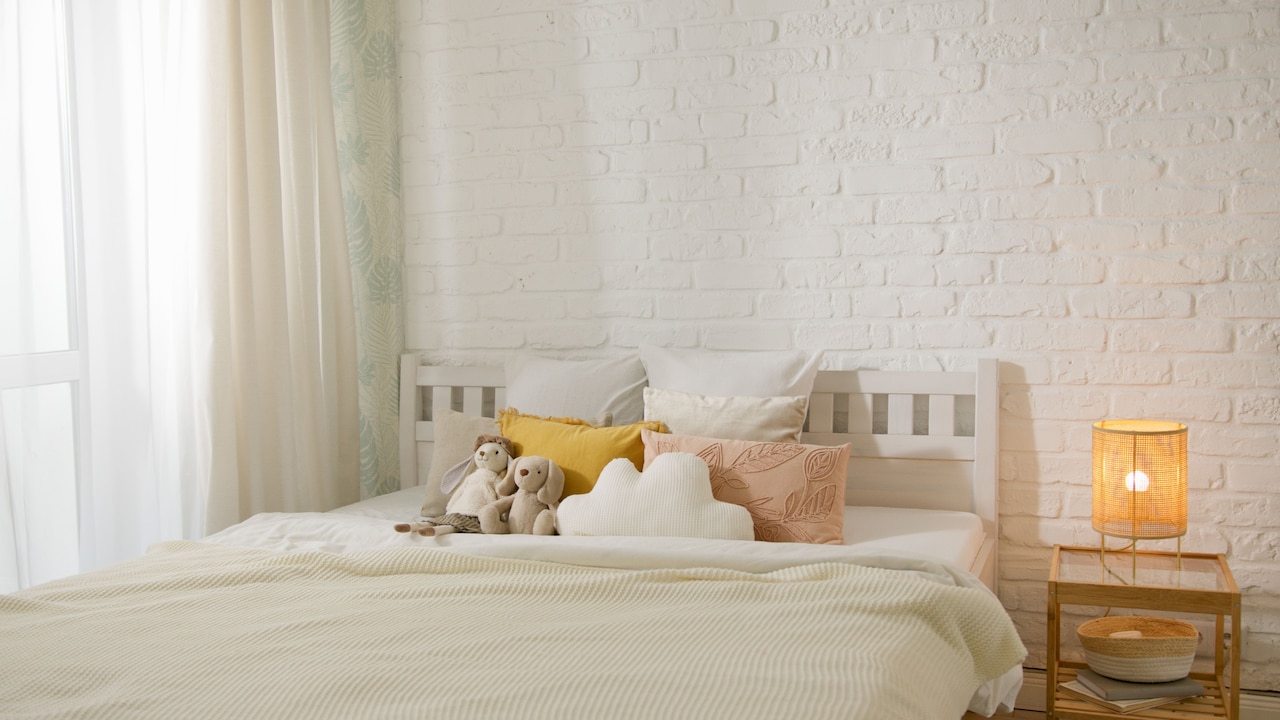
Bedrooms need generous closed storage for clothes, bedding and luggage. A small open shelf can hold books or night-time essentials, but an entirely open wardrobe demands constant colour coordination and disciplined folding. Few rushed mornings support that ambition.
Living rooms can handle more open storage because decorative objects belong there. Even so, closed drawers remain useful for cables, board games, extra cushions and miscellaneous items that seem to reproduce after sunset.
Children's rooms may need open, low-level storage for toys and books. Clear categories make tidying easier. Yet closed sections help hide less attractive items and reduce overstimulation before bedtime.
The neatest home does not follow one rule everywhere. It responds to each room's function. Storage should make the most common activity easier while keeping less attractive necessities under control.
A home looks organised when every room has its own sensible rhythm.
10. A Hybrid System Usually Looks Neatest
The debate between open and closed storage sounds like a choice between two opposing camps. In practice, the most successful rooms borrow from both.
Closed storage provides the foundation. It hides bulk, protects belongings from dust and creates calm surfaces. Open storage adds convenience, warmth and personality. Together, they prevent a room from feeling either chaotic or lifeless.
A living-room wall unit might use closed lower cabinets for electronics and paperwork, with open shelves above for books and décor. A kitchen may keep everyday jars on one accessible shelf while hiding appliances and packaged food inside cabinets. A bedroom wardrobe can remain closed, while a small rail holds tomorrow's outfit.
The ratio matters. In most rooms, more closed storage than open storage creates a neater overall impression. Open sections then act as highlights rather than full-time clutter zones.
Consistency also helps. Matching baskets, repeated finishes and simple containers can connect the two systems. Open shelves should hold fewer, better-chosen items. Closed cupboards should stay divided into practical categories.
This hybrid approach accepts a basic truth: homes contain both beautiful objects and unattractive necessities. Some belongings deserve attention. Others deserve a door.
The neatest room does not display everything or hide everything. It simply knows the difference.
Products Related To This Article
1. TEX-RO Plastic Wardrobe For Clothes : Versatile Plastic Cupboard For Storage Organizer
2. DAREV 4 Pcs Wardrobe Organizer for Clothes with Metal Frame Rectangle Storage Baskets
3. Plastic Modular Drawer Storage Chest Of Drawers Organizer Storage Box
4. MECHDEL Clothes Organizer for Wardrobe
5. EXVITO Modular Plastic Wardrobe for Bedroom
6. PulGos 4 Pcs Wardrobe Organizer for Storage
7. amazon basics Cube Storage Organizer
Closed storage usually wins when the goal is to make a room look neater at first glance. Doors and drawers reduce visual noise, hide mismatched objects and create smoother surfaces. They also protect belongings from dust and help compact rooms feel less crowded.
Open storage, however, brings qualities that closed cabinets cannot provide on their own. It keeps useful items accessible, encourages awareness of what a household owns and gives rooms warmth, character and individuality. When edited carefully, open shelves can look organised without feeling sterile.
The real answer lies in balance. A room needs enough closed storage to absorb everyday clutter and enough open storage to prevent the space from looking flat or impersonal. The exact mix depends on routines, cleaning habits, room size and the types of belongings involved.
A neat room does not require every object to vanish. It requires each object to have a sensible place. Daily essentials should remain easy to reach. Visually noisy items should stay behind doors. Decorative pieces should have enough space to breathe.
In the end, furniture cannot create order by itself. Good storage succeeds when it matches real behaviour. Choose systems that work on hurried mornings, busy evenings and those ten frantic minutes before guests arrive. That is the kind of neatness worth keeping.
(Disclaimer: This article may include references to or features of products and services made available through affiliate marketing campaigns. NDTV Convergence Limited (“NDTV”) strives to maintain editorial independence while participating in such campaigns. NDTV does not assume responsibility for the performance or claims of any featured products or services.)