Why Memory-Foam Pillows Can Feel Too Hard During Winter
Cold weather makes memory foam firmer and slower to soften. This is why your pillow feels hard in winter and how to make it comfortable again.

Here's why many foam pillows change texture in cold weather
Winter changes more than morning routines, laundry schedules and the willingness to leave a warm blanket. It can also change the way a memory-foam pillow feels. A pillow that comfortably cradled the head during humid summer nights may suddenly resemble a neatly wrapped brick in December. The first reaction often involves suspicion. Has the foam worn out? Did someone swap the pillow? Has the cold somehow ruined it? Usually, nothing has gone wrong. Memory foam responds to heat. Warmth helps it soften, mould and adjust to pressure. When the surrounding air turns cold, the foam becomes firmer and reacts more slowly. This change feels especially noticeable in bedrooms with tiled floors, open windows, weak insulation or no overnight heating.
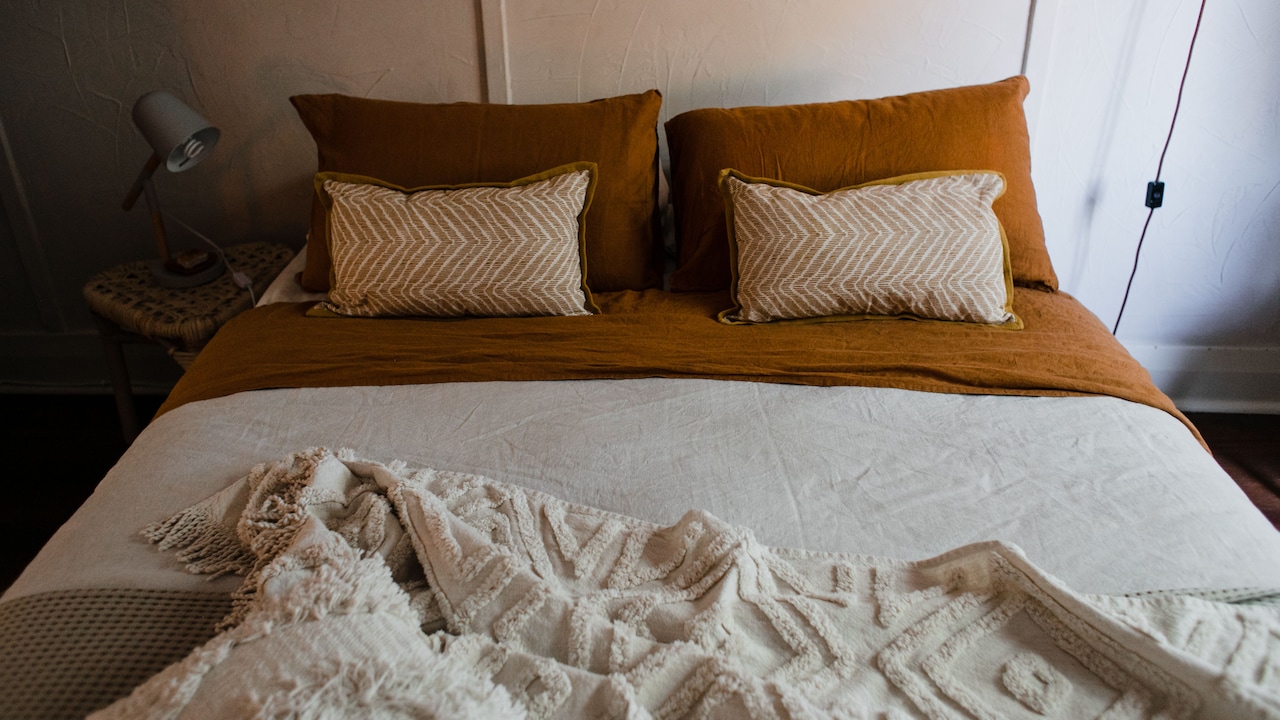
Why most memory foam pillows harden in cold weather
Photo Credit: Pexels
The effect can vary from one pillow to another. Foam density, pillow thickness, room temperature, bedding and sleeping habits all play a part. Even the position of the pillow during the day can influence how it feels at bedtime.
Also Read: Top 5 Buckwheat Pillows For Better Sleep In Monsoon
Here are ten reasons why memory-foam pillows can feel too hard during winter, along with simple ways to make cold nights more comfortable.
10 Reasons Your Memory-Foam Pillow Feels Harder In Winter
1. Memory Foam Reacts To Temperature
Memory foam contains temperature-sensitive materials that soften with warmth and firm up in cooler conditions. This feature allows the pillow to respond to body heat and gradually shape itself around the head and neck.
During winter, however, the foam starts the night at a much lower temperature. Instead of sinking gently into the pillow, the head may rest on a stiff surface for several minutes. The pillow usually softens once body heat spreads through it, but that change does not happen instantly.
The experience can feel similar to pressing cold butter straight from the fridge. It gives way eventually, but not without some resistance.
Bedrooms in cooler cities and hill regions may make the effect stronger. Even in warmer areas, a sharp winter night can lower indoor temperatures enough to change the pillow's texture. Marble and tile flooring can also keep rooms cooler for longer.
This temperature response does not necessarily signal poor quality. In fact, it often confirms that the foam reacts as designed. The challenge lies in helping it warm up before sleep, rather than expecting summer-like softness the moment the head touches it.
2. Cold Bedrooms Slow The Softening Process
A cold room affects the entire pillow, not just its outer surface. When memory foam remains in a chilly bedroom for several hours, the cold reaches deep into the material. The pillow then takes longer to absorb enough body heat to soften.
This problem often appears in rooms that stay closed all day, receive little sunlight or have large windows. Bedrooms on the ground floor may also feel colder because the floor and walls retain less warmth. A pillow placed near a window can become especially firm when cold air slips through small gaps.
The first few minutes in bed may therefore feel uncomfortable. The neck struggles to settle, the head sits higher than expected, and sleep suddenly becomes a negotiation.
Keeping the bedroom slightly warmer can make a noticeable difference. Closing windows before sunset, drawing curtains and using a thicker bedsheet can help retain warmth. Placing the pillow away from a cold wall also reduces direct exposure.
The room does not need to feel hot. Even a small rise in temperature can improve the foam's flexibility and shorten the time it takes to respond to pressure.
3. High-Density Foam Feels Firmer In The Cold
Memory-foam pillows come in different densities. High-density foam usually offers strong support, holds its shape well and lasts longer. It can also feel significantly firmer during winter.
Dense foam contains more material within the same space. That compact structure reacts more slowly when temperatures fall. A lightweight foam pillow may soften quickly, while a denser model can remain rigid for much longer.
This difference explains why two memory-foam pillows in the same bedroom may behave differently. One may feel comfortable after a minute, while the other seems determined to test the sleeper's patience.
High-density pillows often suit people who need firm neck support. Yet winter can push that firmness beyond the comfortable range. Side sleepers may notice extra pressure around the ear and jaw. Back sleepers may feel that the pillow lifts the head too high.
The solution does not always involve buying a softer pillow. A warmer pillow cover, a few minutes of preheating with body warmth or gentle kneading can improve flexibility. The goal involves softening the surface without damaging the supportive structure that made the pillow useful in the first place.
4. The Pillow May Not Receive Enough Body Heat
Memory foam depends on body warmth to become more flexible. However, several common habits can block or reduce that heat transfer.
A thick pillow protector, quilted cover or decorative case may act as a barrier between the head and the foam. During summer, this layer may not matter much. In winter, it can slow the warming process enough to make the pillow feel unusually hard.
Some sleepers also wear caps, scarves or hooded sweatshirts to bed during very cold nights. These layers keep the head warm, but they reduce direct heat reaching the pillow. The result feels slightly ironic: the person stays cosy while the pillow remains stubbornly firm.
Using several pillow covers can create the same problem. Many households layer an inner protector, a regular case and an ornamental cover. That arrangement looks tidy, yet it can prevent the foam from responding quickly.
A breathable cotton pillowcase often works better in winter than a heavily padded one. Removing unnecessary layers may also help. The pillow still needs protection from sweat and dust, but it should remain close enough to the body to absorb warmth and adjust naturally.
5. Thick Pillows Take Longer To Warm Up
A thick memory-foam pillow contains more material, which means more foam must warm before the pillow feels fully comfortable. The surface may soften first, while the inner core stays firm.
This uneven softening can create an odd sleeping sensation. The head sinks slightly, then meets resistance. The pillow feels soft on top but solid underneath, almost like a sweet with a surprisingly hard centre.
Thick pillows often appeal to side sleepers because they fill the gap between the head and shoulder. They can provide excellent support when the foam responds properly. In winter, though, their extra depth can make the initial firmness more obvious.
A contoured pillow may show the same behaviour. Raised neck sections often contain denser or thicker foam, so those areas can remain hard longer than the central dip.
Gentle compression before bedtime can help. Pressing the pillow with both hands, rolling it lightly or resting against it while reading allows warmth and movement to reach deeper layers. Avoid aggressive folding or twisting, as this may weaken the foam.
A few minutes of preparation can make a thick pillow feel much more welcoming without reducing its valuable support.

Thick pillows can take longer to warm and feel more stiff in cold weather; Photo Credit: Pexels
6. The Pillow Cover Can Trap Cold
Pillow covers influence comfort more than they seem to. Some fabrics feel cold against the skin and hold that cool sensation for longer. Synthetic satin, tightly woven polyester and certain decorative fabrics can make a winter pillow feel harder than it actually is.
The cover does not change the foam's chemical structure, but it shapes the first impression. A cold, slippery surface can make the entire pillow seem rigid and uninviting. By contrast, a soft cotton or flannel cover feels warmer immediately.
Waterproof protectors can also create problems. They often contain dense membranes that limit airflow and delay heat transfer. These protectors serve a useful purpose, especially for children or anyone managing allergies. Yet they may exaggerate winter firmness.
Switching to a breathable cover can improve both warmth and comfort. Brushed cotton, soft jersey and light flannel work well in cooler weather. The fabric should feel cosy without becoming so thick that it blocks body heat.
A clean cover also matters. Dust, oils and detergent residue can stiffen fabric over time. Regular washing with the correct amount of detergent keeps the surface soft. Sometimes the supposed “hard pillow” turns out to be a rough, cold pillowcase creating all the drama.
7. Moisture Levels Change During Winter
Winter air often becomes drier, especially in rooms with heaters, closed windows or limited ventilation. Lower humidity can change how bedding feels, even though temperature remains the main reason memory foam becomes firm.
Dry air can make fabric covers feel crisp and less flexible. It may also increase static, causing pillowcases and blankets to cling together. This combination can make the sleeping surface feel less smooth and comfortable.
In coastal areas, winter air may remain humid, but cooler nights can still affect the foam. In drier cities, the contrast feels stronger. Skin may also become dry and sensitive, making pressure from a firm pillow more noticeable around the cheeks, ears and neck.
A small humidifier can improve room comfort, but it needs regular cleaning. A bowl of water placed safely near a heat source may also add a little moisture, though the effect remains modest. Good ventilation during the day helps prevent the room from feeling stale.
Moisture should never reach the pillow directly. Memory foam absorbs water and dries slowly, which can lead to odour or damage. The aim involves improving the room environment, not dampening the foam. Comfort comes from balance, not from turning the bedroom into a monsoon experiment.
8. Storage Position Can Make The Firmness Worse
Where the pillow spends the day can affect how it feels at night. A memory-foam pillow left near a window, against an outside wall or on a cold floor may become much firmer than one kept on the bed.
Some people remove pillows each morning and place them on a chair, shelf or storage box. During winter, those surfaces can stay cold for hours. A pillow stored in a cupboard against a damp wall may also absorb a deep chill.
Leaving heavy blankets or folded quilts on top of the pillow can compress the foam while it is cold. When bedtime arrives, the pillow may recover slowly and feel flatter or harder than usual.
A better approach involves keeping the pillow in a dry, moderate environment. Let it rest flat on the bed during the day. Allow some sunlight into the room, but avoid leaving memory foam under strong direct sunlight for long periods. Excessive heat can damage the material.
The pillow should also remain away from room heaters, hot-water bags and electric blankets set to high temperatures. Gentle warmth helps; concentrated heat can harm the foam. Memory foam enjoys comfort too, apparently, but not the full tandoor treatment.
9. Sleeping Position Can Increase Pressure
A winter-firm pillow may feel different depending on sleeping position. Side sleepers place more concentrated pressure on the ear, jaw and shoulder area. When the foam softens slowly, these pressure points can become uncomfortable.
Back sleepers may notice that a firm pillow pushes the head forward. This position can strain the neck, especially when the pillow has a high profile. Stomach sleepers usually need a thinner, softer surface, so a cold memory-foam pillow may feel particularly unsuitable.
People also change sleeping habits during winter. Curling up tightly under a heavy quilt can alter neck alignment. Sleeping with raised shoulders or wearing bulky night clothes may increase the distance between the head and mattress. A familiar pillow can then feel strangely wrong.
Checking alignment can help. The neck should remain in a neutral position rather than bending sharply upward or downward. Side sleepers may benefit from briefly warming the pillow before lying down. Back sleepers can place a thin towel beneath the neck instead of adding height under the head.
The pillow may not have changed dramatically. Sometimes winter posture simply makes its firmness more noticeable.
10. Ageing Foam May Struggle More In Winter
Memory foam changes as it ages. Over time, repeated pressure can weaken certain areas while other sections remain firm. The pillow may develop lumps, slow recovery or uneven support.
Cold weather can expose these problems. An older pillow may take much longer to soften, or it may stay hard in patches. The centre might sink while the edges feel rigid. This uneven texture can disturb sleep and create morning stiffness.
A well-maintained memory-foam pillow often lasts several years, but lifespan depends on quality, density, usage and care. A low-cost pillow bought for ₹800 may not perform like a higher-density model priced at ₹3,000 or more. Price alone does not guarantee comfort, though better materials often retain their properties longer.
A simple test can reveal the pillow's condition. Press the centre firmly and release it. Healthy foam should gradually return to shape. If the dent remains, the foam crumbles or the pillow smells persistently musty, replacement may make sense.
Winter firmness usually improves with warmth. Age-related damage does not. When a pillow causes regular neck pain despite proper warming and positioning, loyalty should end. Even the most dependable pillow deserves retirement eventually.
Products Related To This Article
1. The White Willow Memory Foam Set of 2
2. Wakefit Memory Foam Pillow
3. MY ARMOR Memory Foam King Size Pillow
4. LA VERNE Cooling Gel Infused Pincore Technology Breathable Memory Foam Pillow
5. Cervical Contour Memory Foam Pillow for Sleeping
6. CareFoam Cervical Memory Foam Pillow for Neck Support
7. betterhood PosturePro Premium Cervical Pillow for Neck Pain and Shoulder Pain
Memory-foam pillows feel harder during winter mainly because the material responds to temperature. Cold air makes the foam firmer, while body heat gradually restores its softness and shape.
Room temperature, foam density, pillow thickness, covers, storage habits and sleeping position can intensify the effect. Older foam may also reveal hidden wear once the weather turns cold.
Simple changes often solve the problem. Keep the pillow in a warmer part of the room, use a breathable cover and remove unnecessary layers. Gently compress it before bed or rest against it for a few minutes. Avoid direct heat, moisture and rough handling.
A winter-firm pillow does not always need replacing. Sometimes it only needs a little warmth and patience. After all, cold mornings make plenty of things slow to cooperate. Memory foam simply happens to express its displeasure by becoming a brick.
(Disclaimer: This article may include references to or features of products and services made available through affiliate marketing campaigns. NDTV Convergence Limited (“NDTV”) strives to maintain editorial independence while participating in such campaigns. NDTV does not assume responsibility for the performance or claims of any featured products or services.)