How To Remove Persistent Shoe-Rack Odour: 10 Fixes For Damp Footwear, Poor Ventilation And Bacteria
Remove stubborn shoe-rack odour with 10 practical fixes for damp footwear, poor ventilation and bacteria. Simple cleaning, drying and deodorising habits can keep shoes and storage spaces fresh.
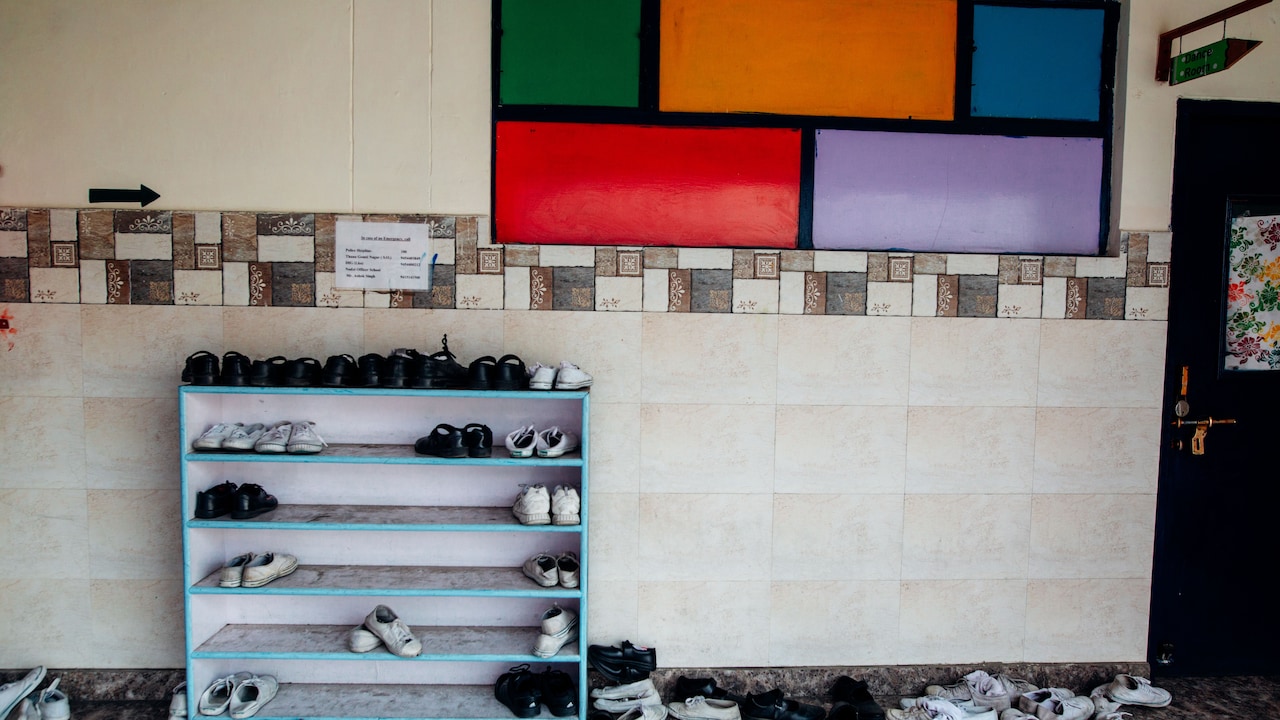
Shoe-Rack Smell Solutions: 10 Fixes For Damp Shoes And Bacteria
The front door opens, guests step inside, and an awkward smell quietly announces itself before anyone has offered tea. Persistent shoe-rack odour can be surprisingly stubborn. A quick spray of room freshener may hide it for an hour, but the smell often returns with renewed confidence. The real trouble usually begins with moisture. Shoes collect sweat during long commutes, hurried market trips, gym sessions and sudden downpours. When damp footwear goes straight into a closed rack, the moisture has nowhere to escape. Warm, dark corners then become comfortable breeding grounds for bacteria and fungi. Dust, muddy soles, old insoles and damp shelves add further layers to the problem. Removing the odour requires more than perfuming the air. The footwear, shelves, ventilation and cleaning routine all need attention. Fortunately, most solutions involve familiar household items and simple habits. The following ten fixes can transform a musty rack into a cleaner, fresher space without turning the task into a full weekend project.
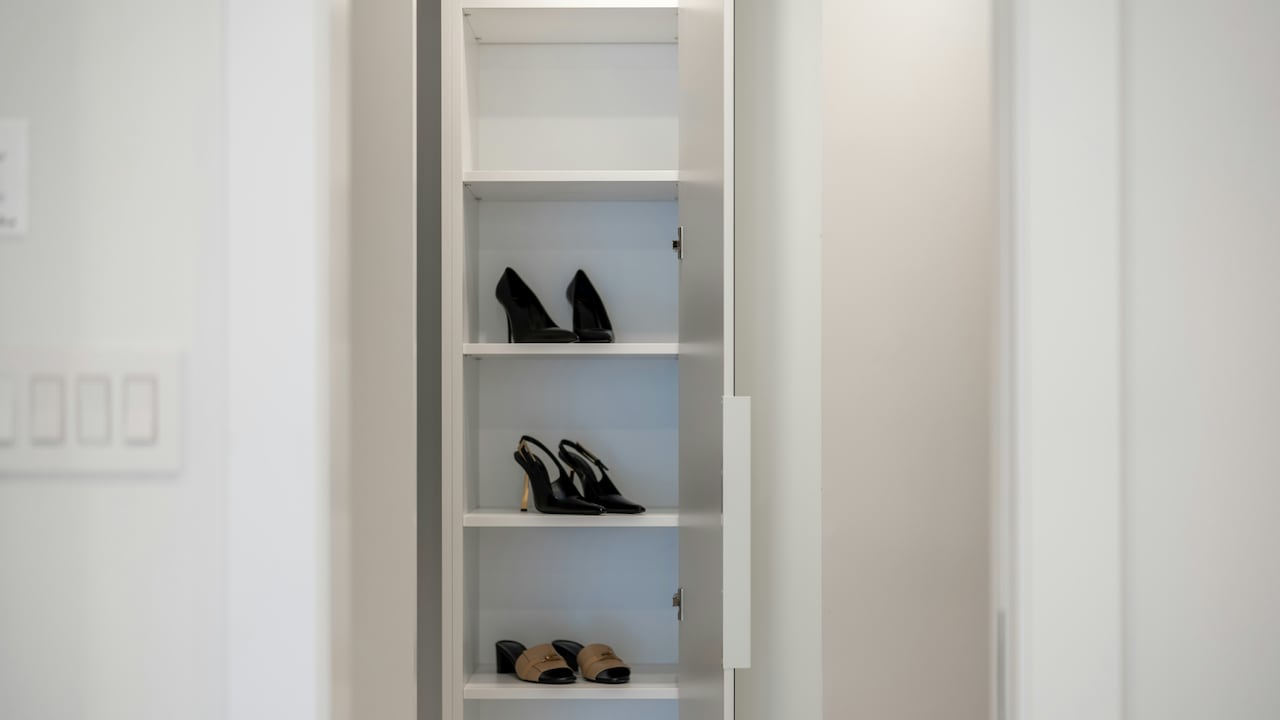
Shoe-Rack Smell Solutions: 10 Fixes For Damp Shoes And Bacteria; Photo Credit: Pexels
10 Practical Ways To Keep Your Shoe Rack Fresh And Odour-Free
1. Let Damp Footwear Dry Before Storing It
The easiest way to prevent shoe-rack odour is also the habit most often ignored: never place damp shoes directly inside. Footwear that feels only slightly moist can still carry enough sweat or rainwater to feed odour-causing bacteria.
After returning home, leave the shoes in an airy spot for several hours. A balcony, utility area or space near an open window works well. Keep them away from harsh afternoon sunlight for long periods, especially if they contain leather, glue or delicate fabric. Strong heat can fade colours, crack surfaces and weaken adhesives.
Remove the insoles where possible, loosen the laces and pull the tongue forward. This opens the shoe and allows trapped moisture to escape. Stuffing shoes loosely with old newspaper can also absorb dampness, though the paper should be replaced once it becomes moist.
During the monsoon, rotate footwear rather than wearing the same pair daily. A pair needs time to dry fully, even when the outer surface appears fine. Giving shoes a proper breathing break prevents the rack from becoming a retirement home for yesterday's sweat.
Also Read: Space-Saving Solutions: Top 5 Compact Shoe Racks Under ₹3,500
2. Clean The Rack From Top To Bottom
A shoe rack can continue smelling even after every pair has been cleaned. Odour often settles into dusty shelves, corners, hinges and wooden surfaces. Spilt water, soil and tiny bits of damp debris may remain hidden behind footwear for weeks.
Empty the entire rack before cleaning. Vacuum or sweep away loose dust, dried mud, hair and grit. Next, wipe the shelves with warm water mixed with a small amount of mild dishwashing liquid. For stubborn smells, add a little white vinegar to the cleaning water. Test the mixture on an unseen area first, particularly on polished wood or laminate.
Pay attention to shelf edges and the back panel, where moisture often collects unnoticed. Use an old toothbrush to reach grooves, screws and awkward corners. Once cleaned, wipe everything with a fresh damp cloth and dry the surfaces thoroughly.
Do not return footwear while the rack still feels moist. Keep the doors open and allow complete air-drying. Cleaning without drying simply replaces old grime with fresh dampness, which is hardly a victory. A deep clean every few weeks can stop odour from becoming part of the furniture's permanent personality.
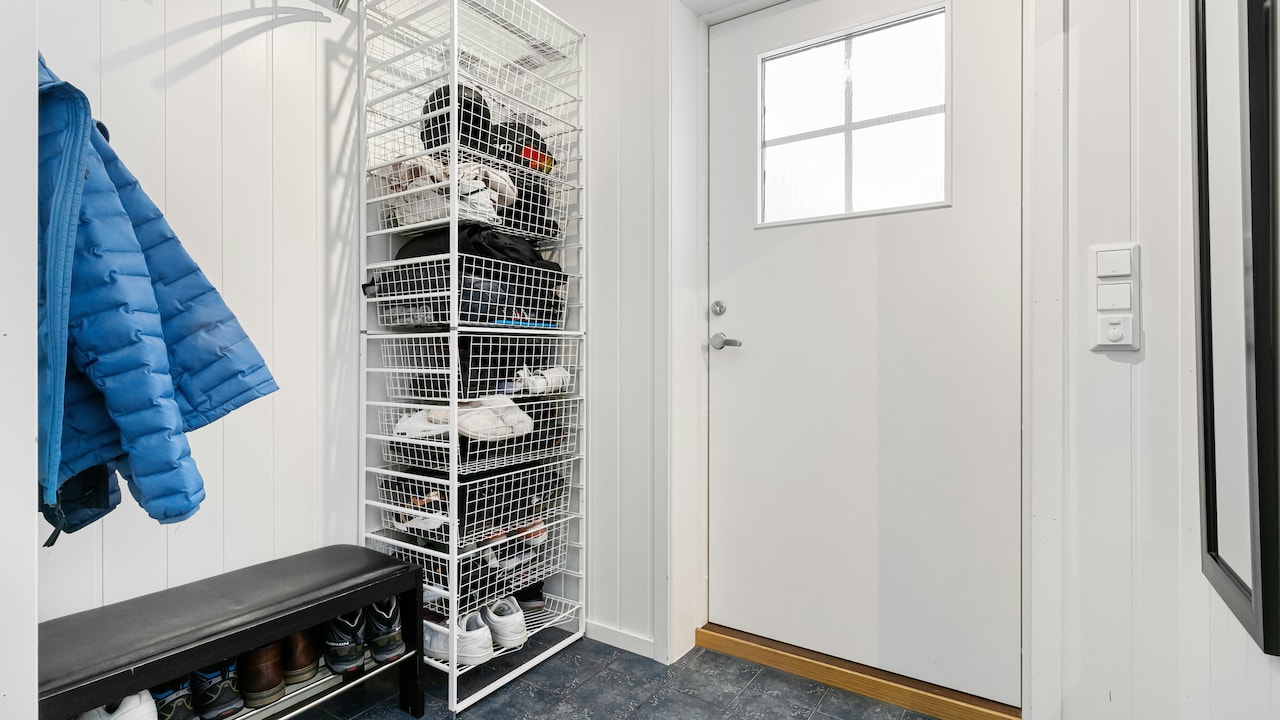
Shoe-Rack Smell Solutions: 10 Fixes For Damp Shoes And Bacteria; Photo Credit: Pexels
3. Improve Airflow Inside The Shoe Rack
Poor ventilation turns a shoe rack into a sealed box of trapped humidity. Even clean shoes may develop a stale smell when air cannot circulate. Improving airflow reduces moisture and makes the environment less welcoming for bacteria and mould.
Start by keeping the rack doors open for part of the day, especially after several pairs have been placed inside. If the design allows it, leave a small gap rather than shutting the doors tightly. Slatted doors and perforated panels work particularly well because they allow continuous movement of air.
Avoid pushing the rack flat against a damp wall. Leave a narrow gap behind it so air can pass around the back. This also reduces the chance of hidden mould developing between the wall and the furniture.
A small rechargeable fan can help during humid weather. Run it near the open rack for twenty to thirty minutes when needed. There is no need to create a wind tunnel in the hallway; gentle circulation is enough.
Do not overcrowd the shelves. Shoes packed heel-to-toe leave no breathing space and trap moisture between pairs. A little space may look less efficient, but it keeps the entire rack far fresher.
4. Use Baking Soda To Absorb Odour
Baking soda remains one of the simplest and most affordable remedies for shoe-rack smells. It does not merely cover unpleasant odours with fragrance. It helps neutralise acidic compounds and absorbs some of the moisture that allows smells to linger.
Place a small open bowl of baking soda on one or two shelves. Choose a stable container that cannot tip over when someone pulls out footwear in a hurry. Replace the powder every three to four weeks, or sooner if it becomes damp or clumpy.
For particularly smelly shoes, sprinkle a light layer inside and leave it overnight. Shake the powder out thoroughly the next morning. People with sensitive skin should avoid leaving residue behind, as it may irritate prolonged contact.
Another neat option involves filling old cotton socks with baking soda and tying the ends securely. Place one sachet inside each problem pair. This keeps the powder contained and makes reuse easier.
Baking soda works best after the shoes and rack have been cleaned. Pouring it over layers of dirt will not perform household magic. Treat it as an odour absorber, not as a replacement for basic hygiene.
5. Try Activated Charcoal For Stubborn Smells
When ordinary cleaning barely touches the odour, activated charcoal can offer stronger support. Its highly porous structure traps odour molecules and excess moisture, making it useful for closed storage spaces.
Ready-made charcoal deodorising pouches are available in home stores and online, often priced from around ₹200 depending on size and quantity. Place one or two pouches inside the rack, ideally near the most frequently used footwear. Avoid using loose charcoal meant for cooking, as it can leave black dust on shelves, hands, and pale shoes.
Many charcoal pouches can be refreshed by placing them in sunlight for a few hours, although the manufacturer's instructions should guide care. Replace them when they stop working effectively.
Activated charcoal has another advantage: it usually carries no strong scent. This makes it suitable for households where floral sprays or heavy perfumes trigger headaches.
Still, charcoal cannot rescue footwear that remains wet every evening. Think of it as a quiet assistant rather than the main hero. Combined with good ventilation and proper drying, it helps control the deep, stale smell that sometimes survives every enthusiastic round of wiping and spraying.
6. Wash Insoles, Laces And Removable Liners
The dirtiest part of a shoe is not always the sole. Insoles absorb sweat, skin oils and bacteria day after day. Even when the outer shoe looks clean, the inner lining may hold enough odour to make the entire rack smell unpleasant.
Remove washable insoles and laces, then clean them according to the footwear manufacturer's instructions. A gentle hand wash with mild detergent usually works for fabric laces and many foam insoles. Rinse them well and allow them to dry completely in an airy, shaded place.
Do not return half-dry insoles to the shoes. Moist foam can take longer to dry than expected and may start smelling again within hours. Keep a spare pair of insoles for frequently worn work shoes or trainers, especially during humid months.
Shoes with fixed liners need careful cleaning. Use a lightly damp cloth with diluted mild soap, then wipe away residue. Avoid soaking footwear unless it is designed for machine or hand washing.
Regular insole care can produce a dramatic difference. It removes the source rather than attacking the surrounding air. After all, polishing the outside while ignoring the inside is rather like cleaning the living room and hiding all the rubbish behind the curtains.
7. Disinfect Footwear Without Damaging It
Bacteria thrive in warm, sweaty footwear and often produce the compounds responsible for persistent odour. Cleaning removes dirt, but occasional disinfection can reduce the microorganisms that keep the smell returning.
Use a footwear-safe antibacterial spray and follow the label carefully. Spray lightly inside the shoe rather than soaking the lining. Allow the pair to dry fully before storage or use. Always test the product on a hidden section first, as some formulas may affect colour, leather finishes or adhesives.
A diluted white vinegar solution may help with washable synthetic footwear, but it should not be used carelessly on delicate leather, suede or decorative materials. Never mix vinegar with bleach or other strong cleaners. Household experiments should not end with alarming fumes.
Washable sports shoes may benefit from a gentle machine cycle if the care label permits it. Remove the laces and insoles, place the shoes in a laundry bag and avoid very hot water.
Disinfection should remain occasional rather than excessive. Harsh chemicals used too often can damage footwear and irritate skin. The goal is controlled hygiene, not turning the shoe rack into a miniature hospital corridor.

Shoe-Rack Smell Solutions: 10 Fixes For Damp Shoes And Bacteria; Photo Credit: Pexels
8. Add Natural Deodorisers For Gentle Freshness
Natural deodorisers can make a clean shoe rack smell pleasant without filling the entrance with an overpowering artificial fragrance. Dried neem leaves, cloves, cinnamon sticks or dried citrus peel can add a subtle freshness while supporting an overall odour-control routine.
Place the ingredients in breathable cotton or muslin pouches. Avoid scattering them directly across the shelves, where they may crumble, stain footwear or become mixed with dust. Replace dried citrus peel frequently because any remaining moisture can encourage mould.
Neem leaves are a familiar choice in many homes and work especially well in dry form. Cloves offer a warm fragrance, though only a small quantity is needed. A shoe rack should smell fresh, not like an overexcited festive dessert.
Essential oils can also help, but restraint matters. Add two or three drops of tea tree, eucalyptus or lemongrass oil to a cotton ball and place it in a small open container. Keep it away from direct contact with shoes and polished surfaces.
Natural deodorisers work best as the final touch after moisture and bacteria have been addressed. Fragrance alone cannot solve the problem, but it can make opening the rack far more pleasant.
9. Control Humidity Around The Storage Area
Sometimes the rack is not the only culprit. A damp wall, poorly ventilated entrance or humid ground-floor room can keep the storage area moist even when the footwear receives proper care.
Check the wall behind and beside the rack for dark patches, peeling paint or a musty smell. These signs may point to seepage or mould. Move the furniture away from the affected area and address the underlying dampness. Repeatedly cleaning the rack while ignoring a wet wall will only create an endless cycle.
Moisture-absorbing boxes containing calcium chloride can help in enclosed spaces. They usually cost around ₹100 to ₹300, depending on size and brand. Keep them upright and out of reach of children and pets, as the collected liquid should not spill.
Silica gel sachets can support smaller sections of the rack, but they need regular replacement or reactivation where suitable. Do not depend on the tiny packets found in product boxes to manage an entire cupboard.
During humid weather, open nearby windows or use an exhaust fan when possible. Controlling the surrounding humidity often solves the mystery of why freshly cleaned shoes continue to smell stale.
10. Create A Simple Weekly Shoe-Rack Routine
Persistent odour usually develops through small habits repeated over time. The best long-term solution is a short weekly routine that prevents moisture, dirt and bacteria from building up again.
Choose one convenient day to remove loose dust, wipe visible marks and check for damp shoes. Rotate pairs so that frequently worn footwear gets enough drying time. Shake out sand and mud before storage, and remove any socks accidentally left inside shoes. That last discovery can explain several household mysteries.
Once a month, empty the rack and clean it more thoroughly. Refresh baking soda bowls, charcoal pouches or moisture absorbers. Wash insoles when necessary and inspect the back wall for dampness.
Encourage every family member to follow the same basic rules. One wet pair pushed into a crowded shelf can undo several days of careful airing. A small tray near the entrance can temporarily hold rain-soaked footwear until it dries.
The routine does not need to feel strict or time-consuming. Five to ten minutes each week can protect footwear, improve indoor freshness, and prevent the dreaded moment when guests begin looking around politely for the source of the smell.
Products Related To This Article
1. Amazon Basics- Shoe Rack - Adjustable for Kids
2. Amazon Basics Plastic Shoe Rack
3. AYSIS Premium Foldable Plastic Shoe Rack for Home
4. JD FRESH 2 Tier Stainless Steel Shoe Rack for Home
5. StayHappy Metal Shoe Rack | 4 Door Metal Shoe Rack with Dual Lock
6. EASY BUY Economy 6 Shelf Black Shoe Rack with Cover
7. 4 Layer Plastic Shoe Rack for Home
A persistent shoe-rack odour is rarely caused by one dramatic problem. It usually comes from a combination of damp footwear, poor airflow, dirty insoles, crowded shelves and bacteria that have settled in comfortably.
The most effective approach begins with drying shoes properly and cleaning the rack thoroughly. Better ventilation, baking soda, activated charcoal and moisture absorbers can then support the process. Washing insoles, disinfecting footwear safely and adding gentle natural deodorisers provide further control.
Consistency matters more than expensive products. A rack that receives regular attention will stay fresher, protect footwear and make the entrance feel more welcoming. The next time the front door opens, the only aroma greeting visitors should come from tea, incense or dinner, not a forgotten pair of rain-soaked trainers.
(Disclaimer: This article may include references to or features of products and services made available through affiliate marketing campaigns. NDTV Convergence Limited (“NDTV”) strives to maintain editorial independence while participating in such campaigns. NDTV does not assume responsibility for the performance or claims of any featured products or services.)