How To Troubleshoot A Leaking Pressure Cooker: 10 Checks Before Replacing The Lid Or Gasket
A leaking pressure cooker may not need a new lid or gasket. Check the seal, rim, vent, liquid level and heat setting first to identify the real cause and fix it safely.

What causes a leaky pressure cooker and how to fix it
Few kitchen sounds create panic quite like the angry hiss of a pressure cooker leaking steam from the side. One moment, the dal is bubbling peacefully. The next, vapour is curling around the lid as though the cooker has decided to perform its own special effects. The immediate reaction often involves blaming the rubber gasket, searching online for a replacement lid or wondering whether the whole cooker has reached retirement age. Yet many leaks come from small, fixable problems. A grain of rice caught near the rim can break the seal. A slightly twisted gasket can let steam escape. Even an overfilled cooker may struggle to build pressure correctly.
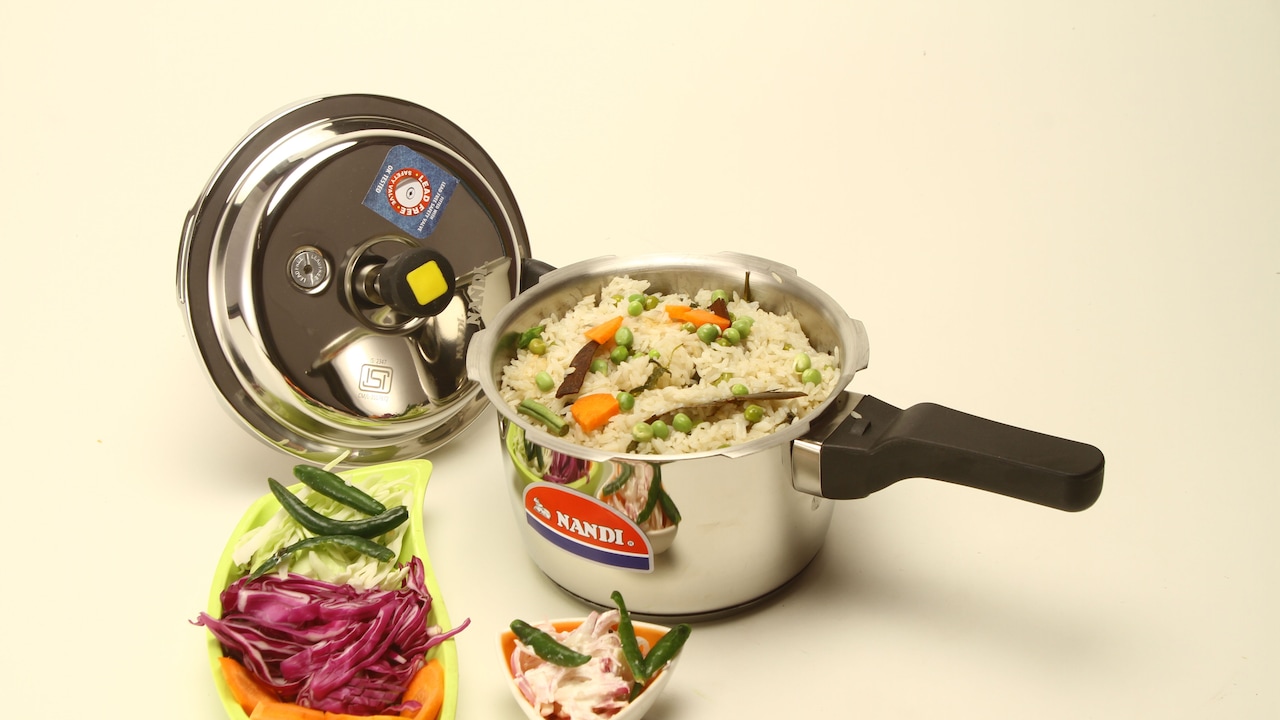
Easy tips to fix a leaking pressure cooker at home
Photo Credit: Pexels
Before buying replacement parts, allow the cooker to cool completely and examine it carefully. Never touch, adjust or force open a cooker while it remains pressurised. Once it becomes safe to handle, these ten checks can reveal whether the trouble lies with the gasket, the lid, the valve or simply the way the cooker has been loaded.
Also Read: 5 Pressure Cookers Under ₹2,000 That Work on Induction and Gas Stoves - Powerhouse Kitchen Solution
10 Essential Checks To Fix A Leaking Pressure Cooker
1. Check Whether The Lid Is Locked Correctly
A pressure cooker lid may appear closed even when it has not fully locked into position. This small alignment error often causes steam to escape around the edge instead of passing through the pressure regulator.
Remove the lid after the cooker has cooled. Place it back carefully and follow the locking marks or arrows provided by the manufacturer. Traditional stovetop cookers usually require the lid and body handles to line up precisely. Inner-lid models may need the lid to sit at a particular angle before the handle locks. Electric models often make a click or show a locked symbol.
Do not rely on force. A lid that needs wrestling probably sits incorrectly. Turn it back, lift it slightly and try again. Food particles around the rim may also prevent smooth locking.
This problem commonly appears during rushed cooking. Someone is preparing khichdi, the doorbell rings, the phone starts buzzing, and the lid gets closed in a hurry. Thirty seconds later, steam begins escaping dramatically. Correct alignment often solves the leak without costing a single rupee.
2. Inspect The Gasket For Incorrect Placement
The gasket creates an airtight seal between the lid and the cooker body. If it sits unevenly, twists inside the groove or slips out at one point, steam can escape through the weakest section.
Once the cooker has cooled, remove the gasket gently. Clean the groove with a soft cloth and inspect it for dried gravy, oil or tiny food particles. Refit the gasket by pressing it evenly into the channel. Run a finger around the entire ring to check that no section has folded, stretched or risen above the groove.
Avoid pulling the gasket too hard while fitting it. Stretching may change its shape and weaken the seal. Some gaskets have a correct side or direction, so check the cooker manual when the design looks unfamiliar.
A gasket can move during washing, especially when the lid gets scrubbed quickly after a heavy masala dish. It may look perfectly normal from above while one small section remains tucked under itself. That tiny fold can produce a surprisingly loud leak. Repositioning the gasket may restore normal pressure immediately.
3. Clean The Cooker Rim Thoroughly
The rim of the cooker and the matching edge of the lid must meet cleanly. A stuck lentil, grain of rice or speck of dried flour can create enough space for steam to escape.
Wipe both surfaces with a damp cloth after every use. Pay special attention after cooking thick foods such as dal, sambar, rajma or porridge. These dishes may foam, rise and leave a thin layer of residue near the rim. Once that residue dries, it can feel almost invisible but still interfere with sealing.
Use a soft sponge for stubborn deposits. Avoid knives, steel scrubbers or sharp tools because scratches and dents can damage the sealing surface. A scratched rim may continue leaking even after cleaning.
This check sounds almost too simple, yet it solves many cases. A pressure cooker works through a precise seal, not brute strength. Even a tiny obstacle matters. Think of it like a cupboard door that refuses to close because one spoon handle is sticking out. The cupboard is not broken; something merely stands in the way. The cooker deserves the same careful inspection before replacement parts enter the conversation.
4. Examine The Gasket For Cracks Or Hardness
A correctly fitted gasket may still leak when the rubber has aged. Heat, oil, detergent and repeated use gradually reduce flexibility. The gasket may become hard, brittle, loose or visibly cracked.
Remove it and bend it gently between the fingers. A healthy gasket should feel flexible and return to shape. Look for fine cracks, flat sections, rough edges or areas that appear thinner than the rest. Also check whether the ring has expanded so much that it no longer sits firmly inside the lid groove.
A faint smell of old rubber does not always signal failure, but stiffness often does. Some households use the same cooker daily for tea-time potatoes, lunch-time dal and evening curries. Under such heavy use, the gasket naturally wears faster.
Do not apply cooking oil, petroleum jelly or random household lubricants to revive it. These substances may damage the material or affect the seal. If the gasket feels hard or shows cracks, replace it with the correct size and type. A compatible gasket may cost only a few hundred rupees, far less than a complete new lid.
5. Make Sure The Cooker Is Not Overfilled
Pressure cookers need empty space for steam to form and circulate. Filling the vessel too close to the top can push liquid, foam or food towards the lid. This may disturb the seal and send steam or froth through unexpected gaps.
As a general practice, keep the cooker no more than two-thirds full. For foods that expand or foam, such as rice, lentils, beans and porridge, fill it only halfway. Always follow the marked maximum level when the cooker includes one.
Overfilling often happens when guests arrive unexpectedly. An extra cup of dal goes into the same cooker, followed by more water, tomatoes and vegetables. The lid closes, but the cooker soon begins spluttering like an irritated auto-rickshaw in traffic.
Switch off the heat if liquid starts leaking. Allow the pressure to fall naturally before opening the cooker. Remove some contents, clean the rim and valve, then try again with a safer quantity.
Overfilling can also block the steam vent, so never dismiss it as a harmless mess. The cooker needs breathing space to work safely and efficiently.
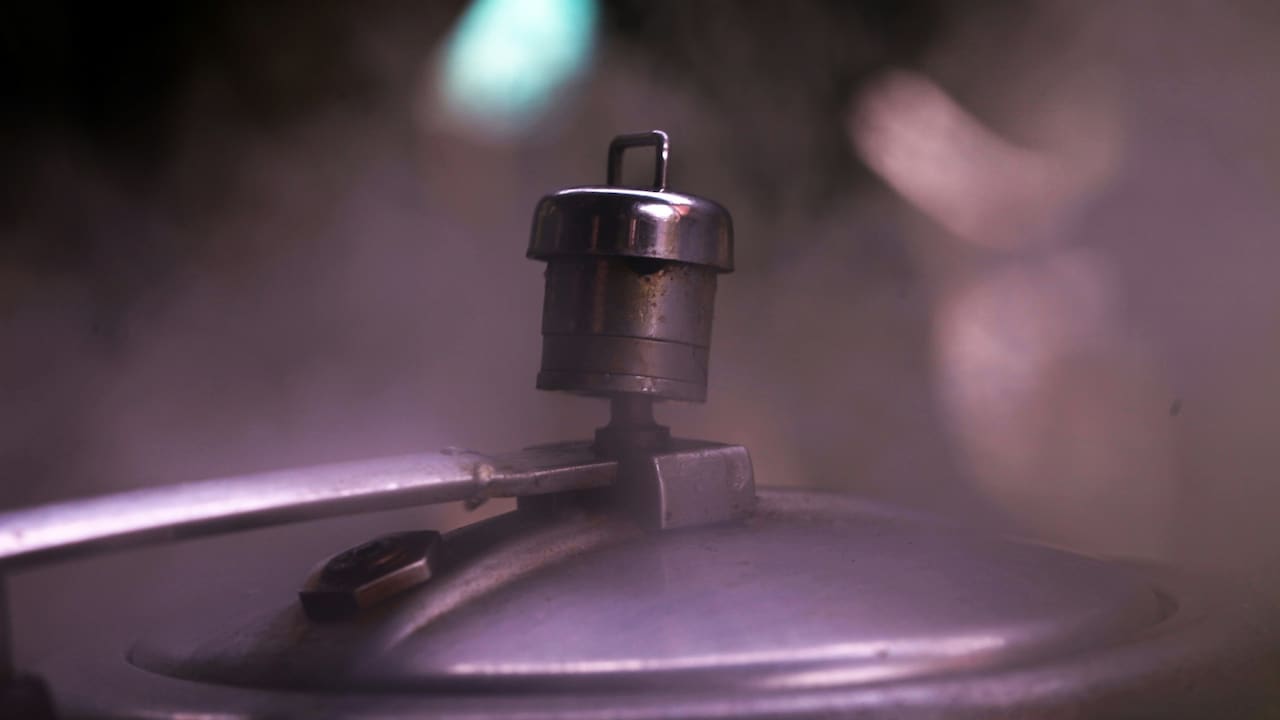
Always ensure that the cooker is not overfilled to the brim
Photo Credit: Unsplash
6. Check The Amount Of Cooking Liquid
Too little liquid can also cause trouble. A pressure cooker relies on steam, and steam needs enough water or another cooking liquid. When the cooker runs dry, pressure may fluctuate, food may burn and the gasket can overheat.
Check the recipe and the manufacturer's minimum liquid requirement. Thick gravies often need more added water than expected because ingredients such as lentils, onions and tomatoes absorb moisture. Oil alone cannot generate the steam required for pressure cooking.
A burnt smell offers an early warning. Turn off the heat immediately rather than waiting for the whistle. Let the cooker cool on its own. Once safe, inspect the base for scorching and check the gasket for heat damage.
Too much liquid creates a different issue. Excess water may rise towards the vent, especially with foaming foods. The goal is balance rather than guesswork.
When adapting a regular pan recipe for a pressure cooker, reduce the liquid carefully, not dramatically. Unlike an open pot, the cooker loses very little moisture. A measured approach prevents both watery curries and dry, overheated cookware. The humble measuring cup may save more trouble than a shiny replacement lid.
7. Inspect And Clean The Steam Vent
The steam vent carries vapour towards the pressure regulator or whistle. Food particles, starch and dried masala can partially block this narrow passage. Pressure may then build unevenly and force steam out around the gasket.
Wait until the cooker has cooled fully. Remove the regulator according to the manufacturer's instructions. Hold the lid towards the light and check whether the vent tube looks clear. Use the cleaning pin supplied with the cooker, or follow the approved cleaning method in the manual. Never widen the hole with a knife, nail or thick metal wire.
Rice starch and dal foam cause many blockages. A tiny fragment may dry inside the tube and remain hidden after ordinary washing. Regular cleaning becomes especially important when the cooker handles several meals each day.
Also shake or inspect the pressure regulator if the design allows it. It should move freely and remain free from greasy residue.
A blocked vent is not a minor inconvenience. It affects pressure control and can create a safety risk. Cleaning it should form part of routine maintenance, not an emergency activity performed only when the kitchen starts sounding like a railway platform.
8. Examine The Safety Valve And Pressure Regulator
Steam does not always leak from the gasket. It may escape through the safety valve, float valve or pressure regulator. Identifying the exact source prevents unnecessary lid replacement.
Observe the cooker from a safe distance while it heats. A small amount of steam may appear before full pressure develops, depending on the model. Continuous leakage after pressure should have formed suggests a problem.
Check whether the regulator sits correctly on the vent tube. Dirt, grease or damage may stop it from sealing or moving properly. On electric cookers, confirm that the steam-release control remains in the sealing position rather than the venting position.
Inspect the safety valve for signs of melting, cracking, distortion or looseness. Do not attempt to repair, plug or modify it. The valve protects the cooker from excessive pressure and requires an authorised replacement when damaged.
Replacement parts must match the cooker's brand, model and capacity. A regulator that looks similar may still work at a different pressure level. Saving ₹100 on an unsuitable part makes little sense when safety sits on the other side of the bargain.
9. Look For Dents Or Warping Around The Lid
A cooker lid or body may lose its shape after a fall, overheating incident or years of heavy use. Even a slight dent can prevent the rim and gasket from meeting evenly.
Place the cooled cooker on a flat surface and inspect it at eye level. Look for bends, uneven gaps or areas where the lid seems higher on one side. Run a finger carefully around the rim to feel for dents or rough sections. Do not use the cooker if the lid rocks, jams or requires force to lock.
Aluminium cookers can develop dents more easily than many steel models, especially after slipping from a wet kitchen counter. Sometimes the damage looks cosmetic, yet it affects the seal under pressure.
Never hammer the lid back into shape at home. Such repairs may create hidden weakness or alter the locking mechanism. A qualified service centre can assess whether the lid, body or entire cooker needs replacement.
When structural damage causes the leak, changing the gasket will not solve it. The new rubber ring may sit neatly, but it cannot compensate for metal that no longer meets evenly.
10. Review Heat Levels And Cooking Habits
Excessive heat often makes a normal cooker appear faulty. High flames produce steam faster than the regulator can control it. The cooker may hiss continuously, release more vapour than usual or push moisture towards the gasket.
Start on medium or moderately high heat until the cooker reaches pressure. Then reduce the flame enough to maintain steady pressure. The exact setting depends on the stove, cooker size and recipe. A powerful gas burner may need a much lower flame than an older stove.
Make sure the flame does not spread beyond the base. Besides wasting gas, an oversized flame can heat the handles and damage the gasket over time. On induction hobs, use a compatible cooker and avoid sudden extreme settings unless the manufacturer recommends them.
Cooking habits matter too. Do not cool a hot cooker under running water unless its instructions allow that method. Avoid forcing the lid open or lifting the regulator to release pressure quickly.
Sometimes the cooker is not leaking because a part has failed. It is simply protesting against rough treatment. Gentler heat and patient pressure release can restore calm to both the appliance and the cook.
Products Related To This Article
1. Hawkins 5 Litre Contura Black XT Pressure Cooker
2. Butterfly Curve 3 Litres Stainless Steel Outer Lid Pressure Cooker
3. Stahl Xpress Cooker Triply Pressure Cooker Broad, Induction Cooker
4. Pigeon by Stovekraft Hard Anodised Aluminium Inner Lid Cooker
5. Hawkins 3 Litre Inner Lid Pressure Cooker
6. Allo CookSafe 2 Litre Triply Stainless Steel Pressure Cooker
7. GREENCHEF Shine outer lid Stainless steel Pressure cooker 5 litre Induction and Gas Stove Compatible
A leaking pressure cooker does not automatically mean the lid or gasket needs replacement. Incorrect locking, trapped food, overfilling, insufficient liquid, blocked vents and excessive heat can all create similar symptoms.
Begin with the simplest checks. Clean the rim, refit the gasket and confirm that the lid locks correctly. Then inspect the vent, regulator, safety valve and metal surfaces. Replace parts only when they show clear wear, damage or loss of shape.
Safety must remain the priority throughout the process. Always switch off the heat and allow pressure to drop completely before touching the lid or valves. Never force the cooker open, block a safety device or use mismatched spare parts.
With regular cleaning and sensible cooking habits, a good pressure cooker can remain a dependable kitchen companion for years. A careful ten-minute inspection may prevent wasted food, an unnecessary ₹1,000 purchase and a great deal of dinner-time drama.
(Disclaimer: This article may include references to or features of products and services made available through affiliate marketing campaigns. NDTV Convergence Limited (“NDTV”) strives to maintain editorial independence while participating in such campaigns. NDTV does not assume responsibility for the performance or claims of any featured products or services.)