Why Do My Walls Get Damp Patches Every Monsoon Season?
Wondering why damp patches appear on your walls every monsoon? Learn the real causes, easy fixes and practical ways to reduce seepage, peeling paint, and moisture damage.
Why Do My Walls Get Damp Patches Every Monsoon Season?
You repaint the wall, clean the stain and think the problem has finally gone. Then the monsoon arrives, and the same damp patch slowly starts to appear again. Sometimes it looks like a pale yellow mark. Other times the paint begins to bubble, the plaster feels cold, and a musty smell spreads through the room.
This is one of the most common problems in Indian homes during the rainy season. It can happen in bedrooms, kitchens, bathrooms, staircases, and even on walls that were painted only a few months ago. The frustrating part is that many people treat only the visible patch while the real source of moisture remains hidden inside the wall.
What is the best time to repair damp walls
Photo Credit: iStock
The good news is that damp patches do not appear without a reason. In most cases there is a specific cause behind them. Once you identify where the moisture is coming from, the problem becomes much easier to control and prevent from returning every monsoon.
Why Do Walls Get Damp Patches Every Monsoon?
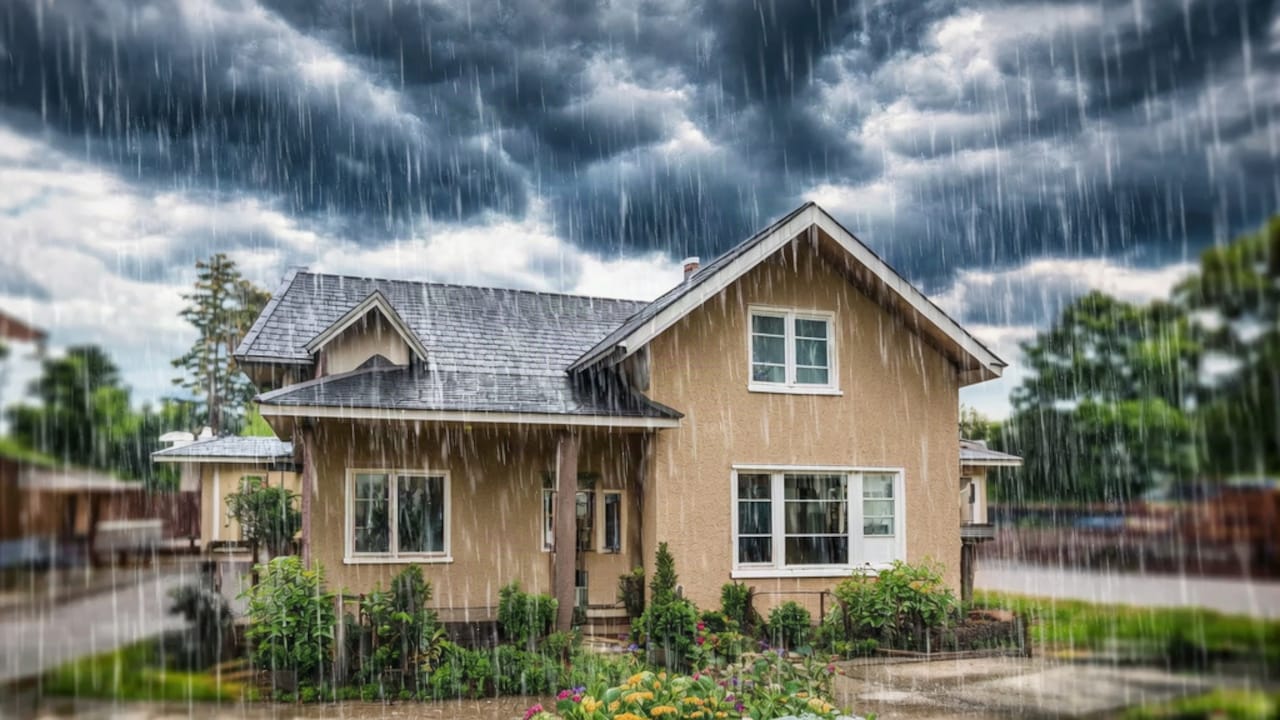
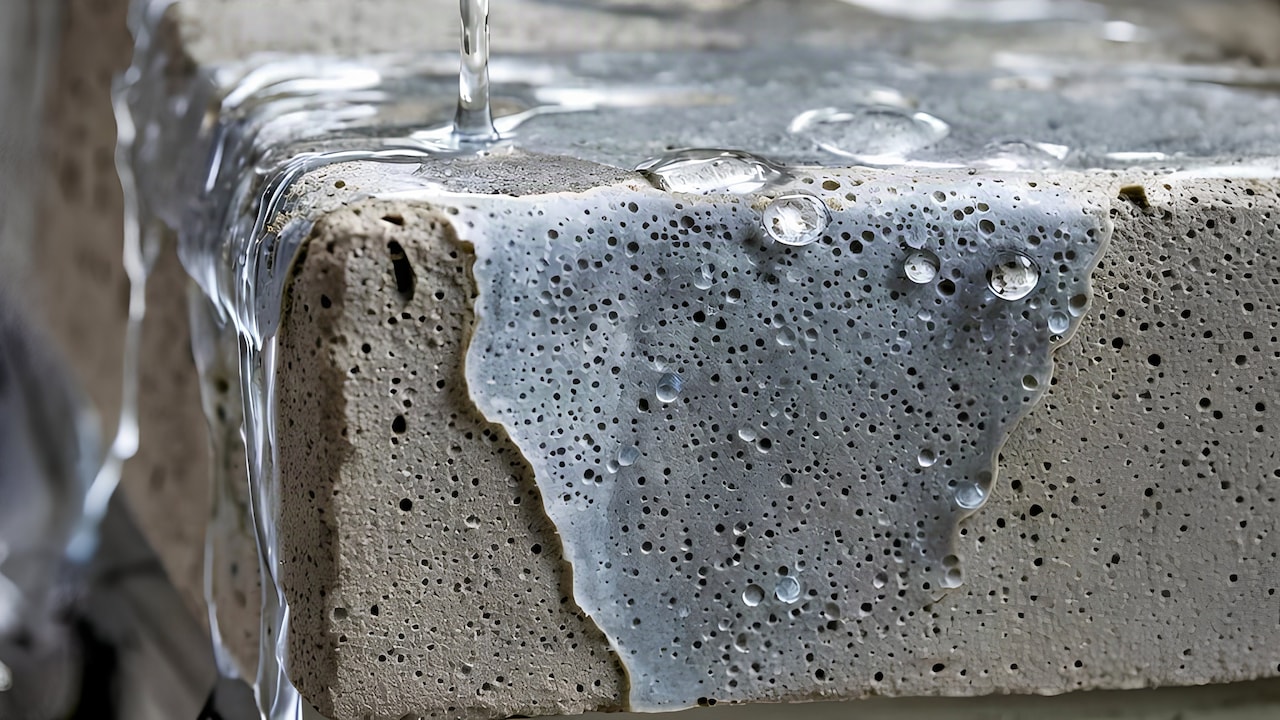
Monsoon air contains a large amount of moisture and walls are constantly exposed to rain, humidity and slower drying conditions. When water enters the wall through cracks, damaged plaster, poor waterproofing, or hidden leaks, the moisture gets trapped inside the plaster, brickwork, or concrete. As the wall absorbs more moisture, dark patches begin to appear on the surface.
Many homeowners notice that the stain fades during the dry months and returns as soon as the rainy season begins. This usually means the wall never dried completely. The monsoon simply makes the hidden moisture visible again.
The problem tends to become worse if the wall is exposed to heavy rain, if the roof allows water to collect, or if there are plumbing lines running through the affected area. Even a tiny crack can allow water to seep in gradually over several weeks.
Does The Location Of The Damp Patch Reveal The Cause?
Yes, the position of the damp patch often gives an important clue about where the moisture is coming from.
If the patch appears in the middle of an external wall and becomes darker after heavy rain, rainwater seepage is a likely cause. Moisture may be entering through cracks in the outer plaster, gaps around windows or damaged waterproof coatings.
When the dampness is close to a bathroom, kitchen or wash basin, a hidden plumbing leak is more likely. These patches may remain damp even when it has not rained for several days.
Dampness that appears near the floor or skirting can be caused by rising moisture from the ground. In such cases, the paint usually peels from the lower portion of the wall, and white powdery salt deposits may appear on the surface.
Understanding the location of the patch helps avoid unnecessary waterproofing work and makes it easier to choose the correct repair.
Why Does Dampness Return Even After Repainting?
Repainting often improves the appearance of the wall but it does not stop moisture that is coming from behind the surface. If the source of water is not repaired, the wall continues to absorb moisture under the new paint layer.
After a few weeks or months, the paint may start bubbling, peeling, or changing colour again. This is why many people feel that the dampness has “come back” even though the wall was recently painted.
Another common mistake is painting the wall before it has dried fully. Trapped moisture weakens the bond between the paint and the plaster, making the finish fail much faster during humid weather.
For a longer-lasting result, the source of moisture must be repaired first, and the wall should be allowed to dry properly before any repainting is done.
What Mistakes Make Wall Dampness Worse During Monsoon?
Step 1: Ignoring small cracks in exterior walls
Hairline cracks may look harmless, but they can allow rainwater to enter the wall slowly. During continuous rainfall even tiny openings can become major seepage points.
Step 2: Allowing water to collect on the roof or balcony
Poor roof drainage keeps water standing for long periods. Hence, it can increase the chance of moisture entering the slab and spreading into nearby walls.
Step 3: Covering damp walls with furniture
Placing wardrobes, beds or cabinets tightly against a damp wall reduces air circulation. The trapped moisture takes much longer to dry, allowing mould to grow.
Step 4: Repainting without fixing the source
Applying putty and paint over an active damp patch only hides the stain temporarily. The moisture remains inside the wall and usually reappears after some time.
Also Read: Everyday Living Made Easy: 5 Essential Home Tools That You Need For Daily Life
How Can You Reduce Damp Patches During Monsoon?
Step 1: Repair cracks and damaged plaster.
Try to check exterior walls, window edges and balcony joints before the rainy season. Fill visible cracks with a nice exterior crack filler and repair any loose or damaged plaster.
Step 2: Improve drainage around the house.
Make sure terrace drains, balcony outlets and rainwater pipes are not blocked. Nice drainage prevents water from remaining in contact with the structure for too long.
Step 3: Fix plumbing leaks quickly
Check bathrooms, kitchens and overhead tank connections for hidden leakage. A small pipe leak can keep a wall damp continuously and cause repeated paint damage.
Step 4: Allow the wall to dry before repainting.
After repairs, give the wall enough time to dry completely. Use ventilation, fans, or natural airflow, and then apply a damp-resistant primer and paint system for better protection.
Will repainting remove damp patches permanently
Photo Credit: iStock
Some Dampness-Prevention Products You May Like
1. DR. FIXIT Sure Seal Quick Patch Repair
2. BERGER HomeShield Dampstop Waterproofing Damp Proof Solution
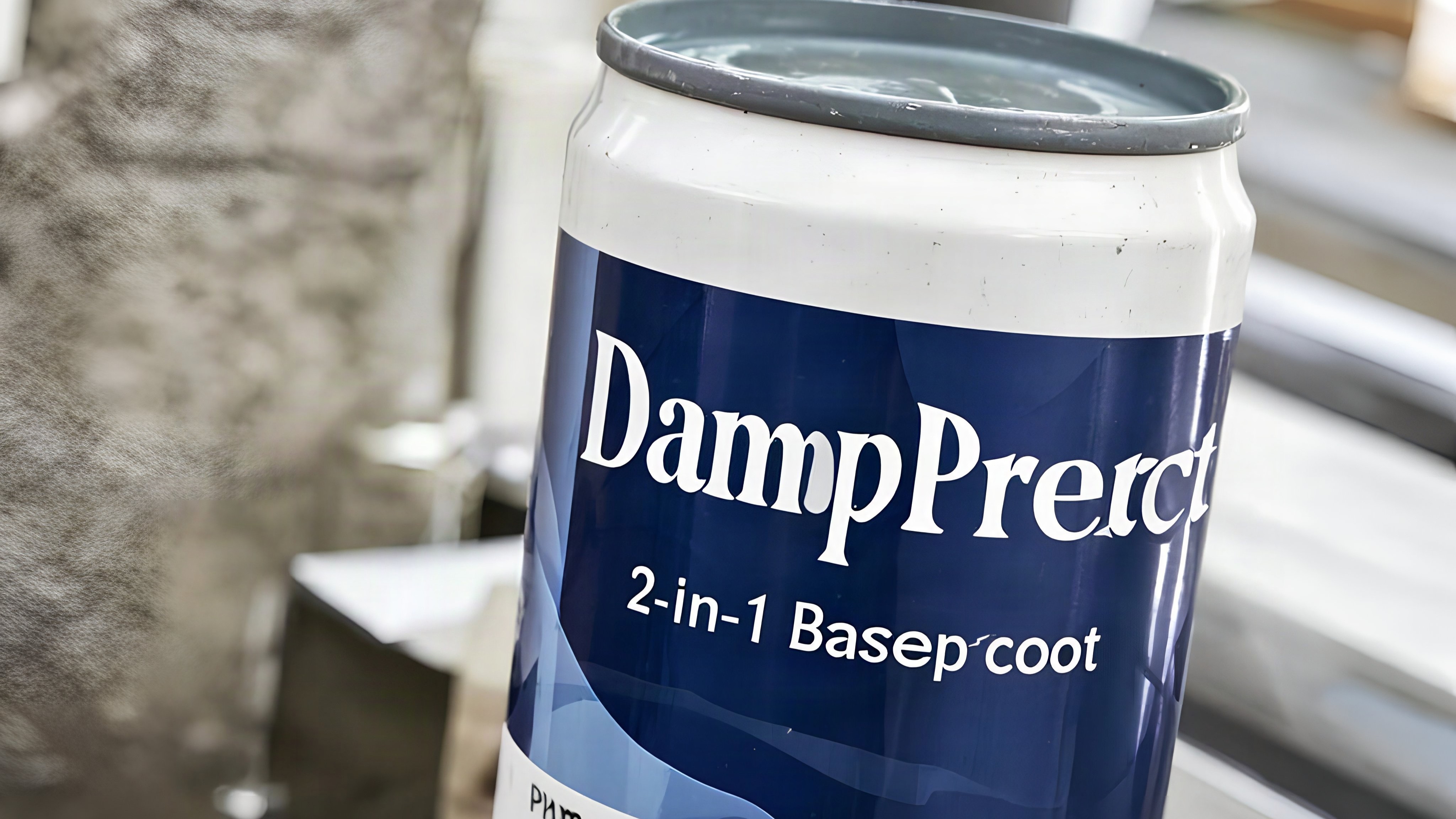
3. Dulux Aquatech Damp Protect 2-in-1 Basecoat
4. EzyKOKO Wall Repair Paste tubes
5. INNODEEPS - THINMAX Transparent Waterproofing glue
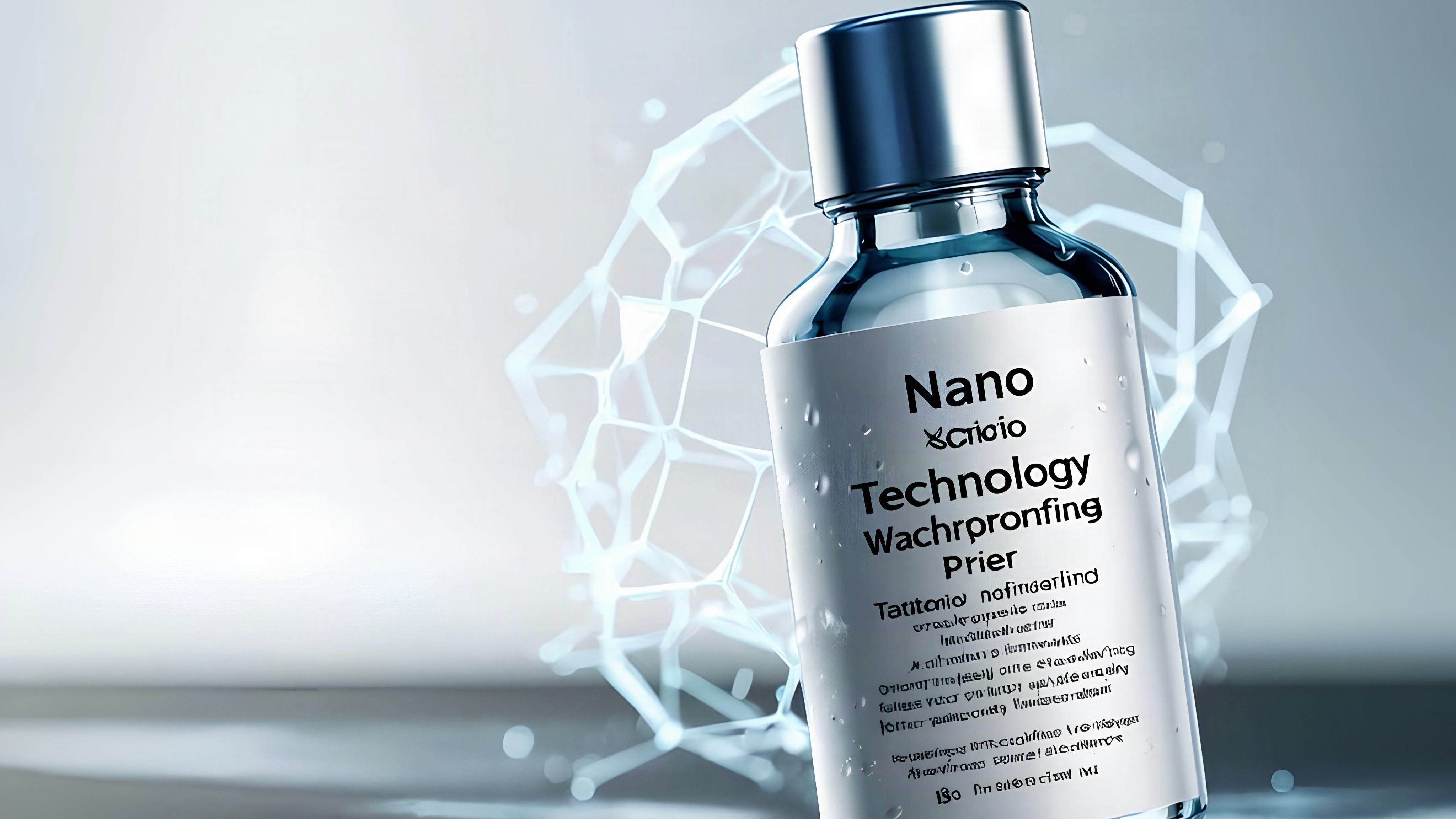
6. Seelan Block Nano Technology Waterproofing Primer
7. Birla Opus Alldry Wall and Roof 10
8. Asian Paint Smart are Damp Proof White Waterproofing
Damp patches that appear on walls every monsoon are often a sign of excess moisture entering your home through leaks, seepage, cracks, poor waterproofing, or high indoor humidity. While these patches may seem like a seasonal inconvenience, ignoring them can lead to peeling paint, mold growth, unpleasant odors, and even structural damage over time. Identifying the source of moisture early and taking preventive measures, such as repairing cracks, improving ventilation, and waterproofing vulnerable areas, can help keep your walls dry and your home healthier. A little maintenance before the rains arrive can go a long way in preventing recurring dampness year after year.
Frequently Asked Questions (FAQs)
1. Why do my walls get damp only during the monsoon?
Because rain and humidity increase the amount of moisture entering or condensing on the wall, making hidden moisture visible.
2. Will repainting remove damp patches permanently?
No. Repainting only hides the stain. But the source of moisture must be tackled to prevent it.
3. How can I tell if the problem is a pipe leak?
If the patch is near a bathroom, kitchen or water line and remains damp even when it is not raining, a plumbing leak is likely.
4. Can damp walls affect health?
Yes. Damp walls can cause mould to grow. And it may cause allergies, coughing, sneezing and breathing issues in sensitive people.
5. What is the best time to repair damp walls?
The best time is before the monsoon or during dry weather when the wall can dry properly after repairs. .
(Disclaimer: This article may include references to or features of products and services made available through affiliate marketing campaigns. NDTV Convergence Limited (“NDTV”) strives to maintain editorial independence while participating in such campaigns. NDTV does not assume responsibility for the performance or claims of any featured products or services.)