How To Build A Basic Monsoon First-Aid Kit At Home
Learn how to build a basic monsoon first-aid kit at home with essential supplies, easy tips, and practical advice to stay safe and healthy in this monsoon season.
How To Build A Basic Monsoon First-Aid Kit At Home
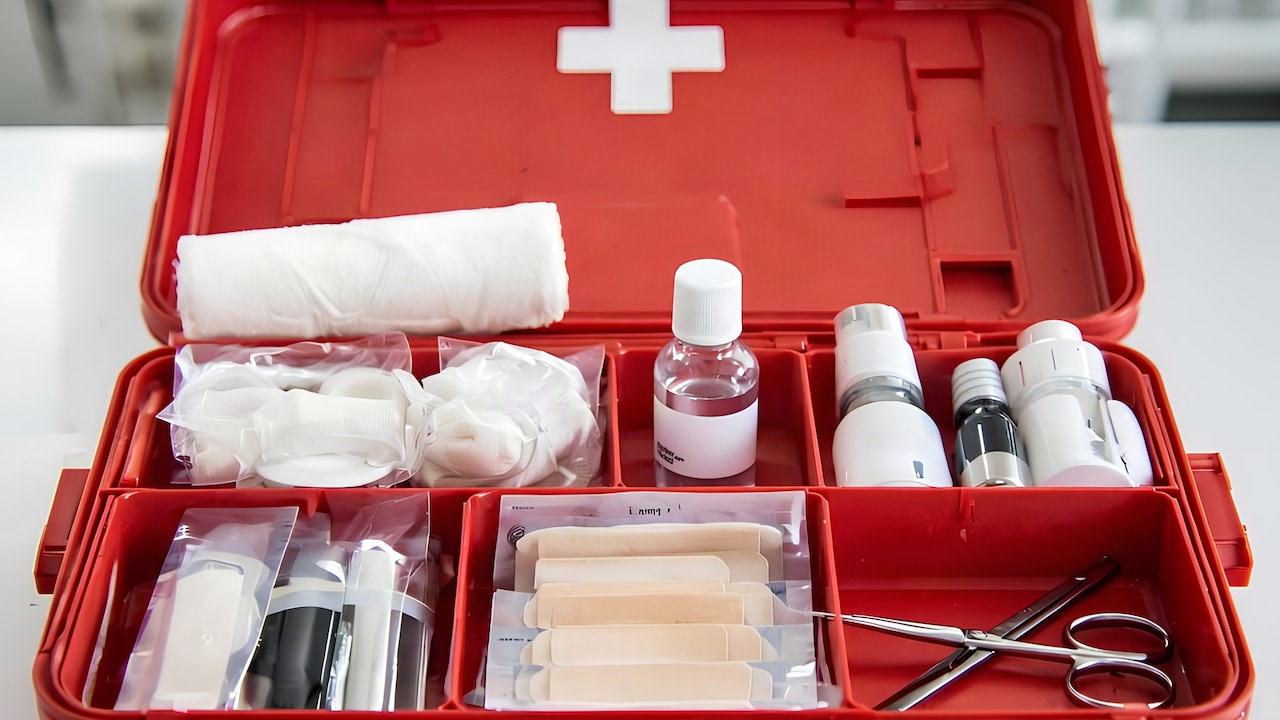
The monsoon season is a relief from the summer heat, but it also brings its share of health problems. Rainy months can bring unexpected health issues, from sudden fevers and stomach upsets to cuts from muddy terrain and insect bites. A well-stocked first-aid kit at home is not a luxury this time of year — it is genuinely one of the most practical things you can do. Most essential supplies are easily available on Amazon, so getting started requires very little effort at all.
Why A Monsoon First-Aid Kit Is Different From A Regular One
Photo Credit: iStock
A proper monsoon first-aid kit does not need to be expensive or overwhelming to put together. With a few essential items and some basic know-how, you'll be ready to deal with most common rainy-season ailments at home with confidence, before they become bigger, more serious problems for your household.
Why A Monsoon First-Aid Kit Is Different From A Regular One
A standard first-aid kit is for general emergencies. But monsoon season brings health problems that a basic first-aid kit may not be well-equipped to handle. Increased humidity is a breeding ground for bacterial and fungal infections. Waterborne illnesses become far more common, and insect activity — particularly mosquitoes — tends to spike significantly.
1. Common Monsoon Health Issues To Prepare For
The most frequently seen monsoon health concerns include fungal skin infections, cuts from slippery surfaces, cold and flu symptoms, insect bites, stomach infections from contaminated water, and mild fever. Knowing what you are likely to deal with helps you stock your kit with useful items rather than things that just sit there untouched.
2. Who Benefits Most From A Home Kit
Families with young children, elderly members, or anyone with a weakened immune system benefit the most from a prepared monsoon kit. That said, every household — regardless of size — should have basic supplies ready during the rainy season, particularly in areas prone to flooding or power cuts.
Essential Medicines To Keep In Your Kit
Medicines are the backbone of any first-aid kit. During monsoon, your selection should go a little beyond the basics to account for season-specific illnesses.
1. Fever, Cold, and Stomach Remedies
Take paracetamol to relieve fever and mild pain and an oral rehydration solution (ORS) to help with dehydration from diarrhoea or vomiting. Antacids and a mild anti-diarrhoeal medicine are equally important, as digestive problems tend to flare up this season due to contamination of food and water. A plain antihistamine may also be useful for allergic reactions or reactions to insect bites.
2. Antiseptics and Topical Treatments
An antiseptic liquid such as Dettol or Savlon is non-negotiable for cleaning cuts and scrapes that may get muddy or wet. Keep an antifungal cream for managing the skin infections that thrive in humid conditions. A small tube of calamine lotion can also soothe itchy insect bites and mild rashes with ease.
Also Read: A Beginners Guide To Choosing The Right Health Supplements
First-Aid Supplies And Equipment You Should Have
Beyond medicines, your kit needs the right physical supplies to be genuinely useful in a moment of need.
1. Wound Care Essentials
Have a reliable supply of adhesive bandages in assorted sizes, sterile gauze pads and medical tape. Waterproof bandages are especially worth considering during monsoon, as they tend to last longer in wet conditions. A small pair of sterilised scissors and tweezers are also helpful for removing splinters or trimming bandages neatly.
2. Thermometer and Other Tools
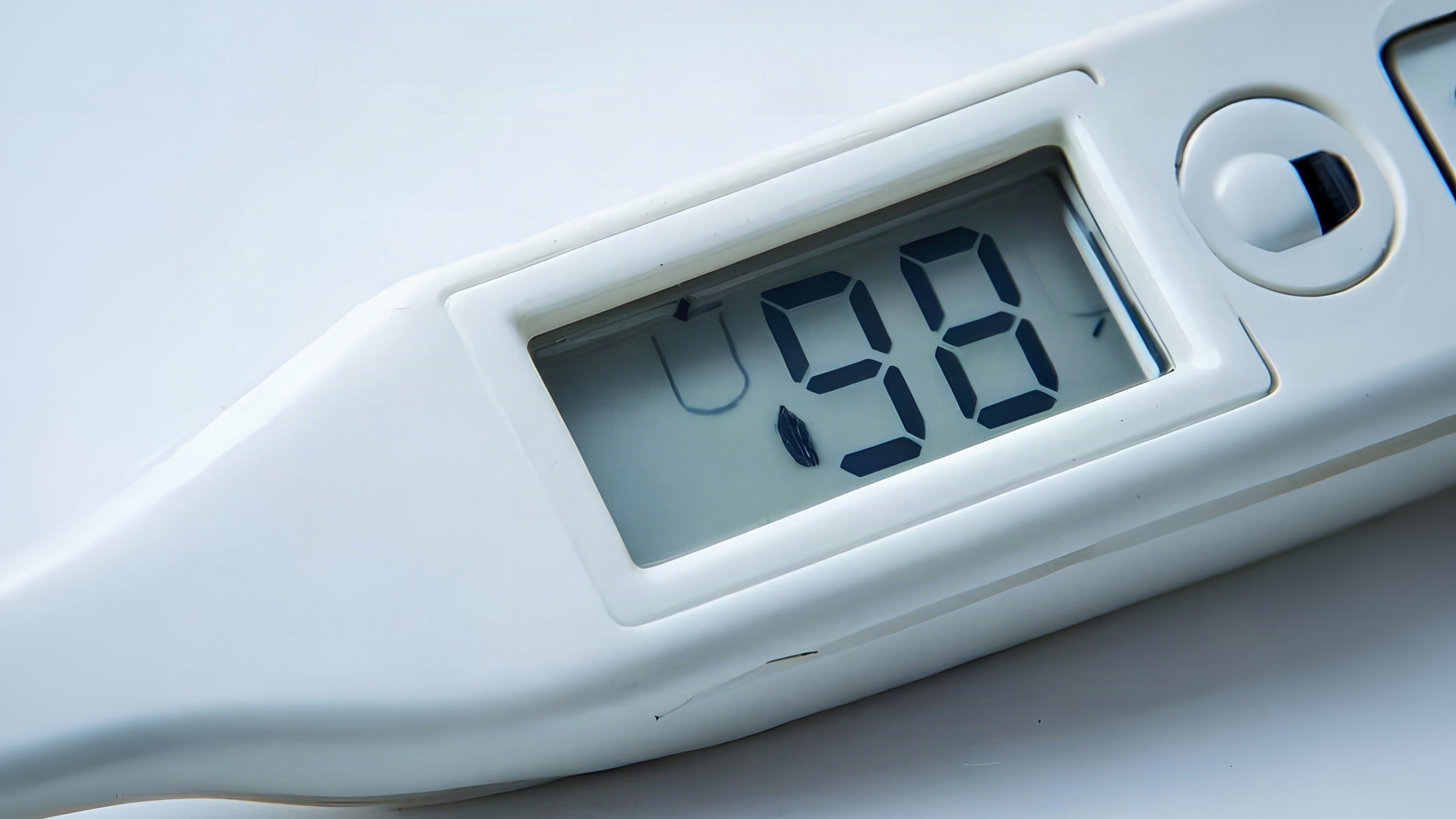
A digital thermometer is one of the most useful tools to have during monsoon season, since fever is one of the first signs of many rainy-season illnesses. Disposable gloves are worth keeping in the kit too, particularly if you are tending to someone else's wounds. A small torch can also be handy during power outages, which tend to occur more frequently during heavy rainfall.
Tips For Organising And Maintaining Your Kit
Putting a kit together is only half the job. Keeping it organised and in good condition is equally important so that it is actually usable when you need it.
1. How To Store Your Kit Properly
Use a clean, dry, airtight container or a zip-up medical bag to store your supplies. Moisture is the enemy during monsoon, so a waterproof case is ideal. Keep the kit in an easy-to-reach location that every adult in the household knows about but is out of the reach of young children. Avoid storing it in the bathroom or kitchen, where humidity and heat can degrade the medicines.
2. Checking Expiry Dates and Restocking
Before every monsoon season, check your kit and check the expiry date of each item. Discard anything that has passed its use-by date and replace as soon as possible. Replenish anything you use so the kit is never incomplete. A simple handwritten checklist taped inside the lid makes this process quick and straightforward to follow.
How To Build A First-Aid Kit At Home
Photo Credit: iStock
Some Products You May Like
1. Hansaplast Fast Aid Kit for Wounds & Bruises
2. House of Quirk First Aid Bag
3. Baby Bucket Plastic Medical Kit
4. JAYCO Add-on Safety First Aid Kit
5. Beurer FT-09 Digital Oral Thermometer
6. Carent Jumbo First Aid Kit for Home
7. Vakly Disposable Tourniquet
8. ROYAL SURGICALS Combine Dressing Pads: Sterile
A basic monsoon first-aid kit is one of the simplest yet most effective ways to stay prepared for rainy season emergencies. From minor cuts and bruises to insect bites, fever, or seasonal infections, having essential medical supplies readily available can help you act quickly and prevent small health concerns from becoming bigger problems. Keep your kit stocked, check expiry dates regularly, and store it in a dry, easily accessible place. A little preparation before the rains arrive can go a long way in keeping your family safe, healthy, and worry-free throughout the monsoon season.
Frequently Asked Questions (FAQs)
1. How much does it cost to put together a monsoon first-aid kit?
A basic but well-stocked monsoon kit can be assembled for a fairly modest amount. Most of the items — antiseptic, paracetamol, ORS sachets, and bandages — are inexpensive and widely available at any local chemist.
2. Can I use the same kit year-round?
Yes, though you should add or swap in a few monsoon-specific items like antifungal cream and ORS sachets at the start of the rainy season. Check and refresh the supplies before each season begins.
3. What is the most important item in a monsoon first-aid kit?
ORS sachets and an antiseptic liquid are arguably the most critical items. Dehydration from stomach illness and infected cuts are two of the most common monsoon emergencies that a home kit can genuinely help manage.
4. Should I include mosquito repellent in my first-aid kit?
It is a sensible idea to keep a repellent nearby, though it sits more comfortably in a general household supplies area. Your kit should include an antihistamine cream or tablet to manage reactions once a bite has already occurred.
5. How often should I update my monsoon first-aid kit?
Ideally, review the kit at least twice a year — once before monsoon season and once after. Replace anything expired, used, or damaged so your kit is always in a ready state..
(Disclaimer: This article may include references to or features of products and services made available through affiliate marketing campaigns. NDTV Convergence Limited (“NDTV”) strives to maintain editorial independence while participating in such campaigns. NDTV does not assume responsibility for the performance or claims of any featured products or services.)