How To Pick Non-Slip Soles For Rainy-Season Walking
Learn how to pick non-slip soles for rainy-season walking by checking their grip, tread, sole material, fit and comfort before buying any footwear online.
Tips to choose non slip shoes for monsoon weather
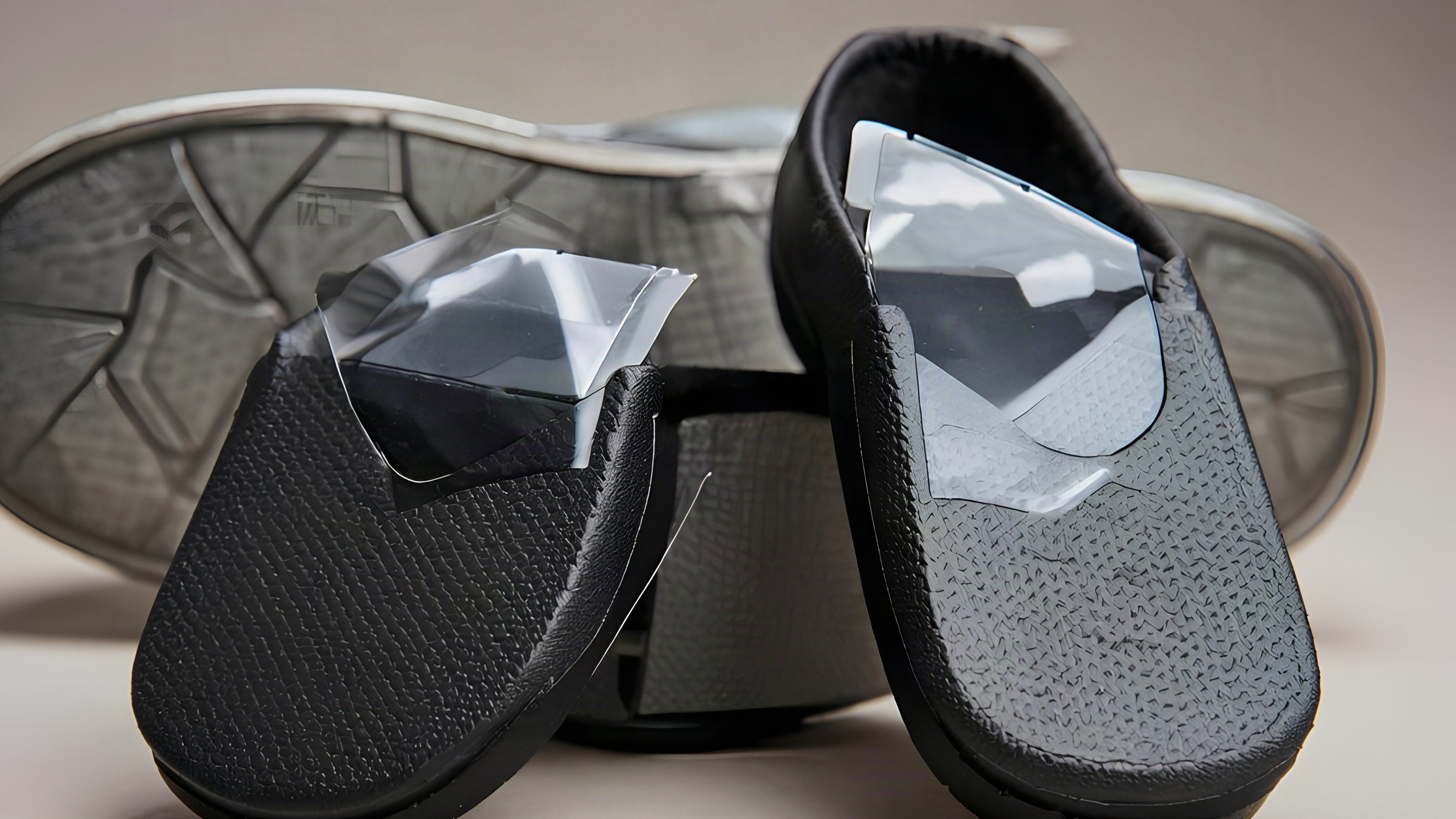
Rain can turn an ordinary walk into a careful balancing act. Wet pavements, tiled entrances, muddy lanes and waterlogged streets can all make your usual footwear feel less secure, especially when the sole has little texture or grip. During the Indian monsoon, therefore, choosing the right pair is about much more than just colour, style or price.
What Should You Avoid When Choosing Rainy-Season Footwear
Photo Credit: iStock
But how do you know whether a sole is genuinely suitable for rainy-season walking? A product may mention anti-slip or non-slip features, yet the details behind that claim can vary. From the outsole material and tread pattern to the fit and cushioning, a few checks can help you make a more informed purchase. Here's what to look for before choosing your next pair of walking shoes or sandals for wet-weather use.
Also Read: Find Top 5 Shoes For Rainy Days At Up To 50% Off
Why Does The Sole Matter During Rainy-Season Walking?
The sole is the part of your footwear that stays in direct contact with the ground, so its construction can make a noticeable difference when you're walking on wet surfaces. Water between the outsole and pavement can affect traction, particularly when the surface itself is smooth.
This is why a sole designed with traction in mind can be a sensible choice for monsoon walking. Amazon listings commonly highlight features such as anti-slip TPR soles, rubber outsoles and textured designs for different types of everyday footwear. However, “non-slip” shouldn't be treated as a guarantee that you cannot fall. Wet tiles, oil, mud and uneven surfaces can still be hazardous, so footwear should be combined with careful walking.
How To Pick Non-Slip Soles For Rainy-Season Walking
Choosing the right sole becomes much easier once you know which details deserve your attention. Instead of relying only on a product title, check the specifications, construction and customer feedback before placing your order.
Step 1: Check The Tread Pattern
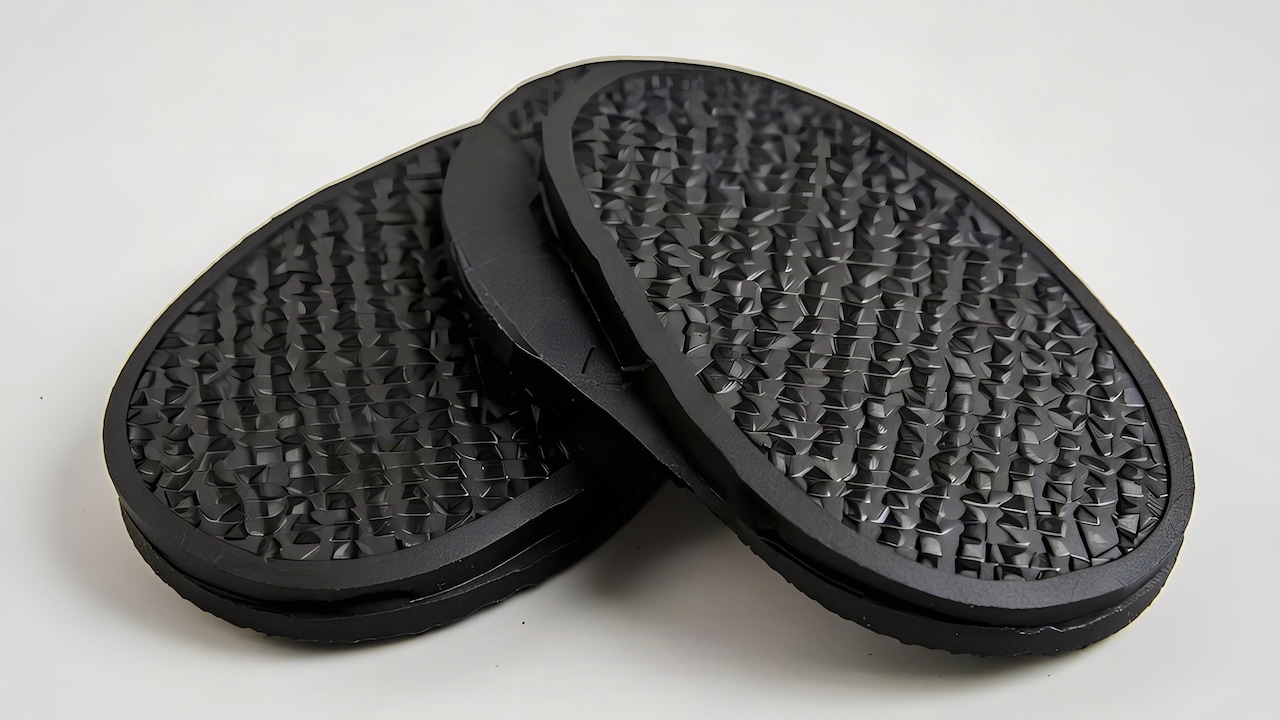
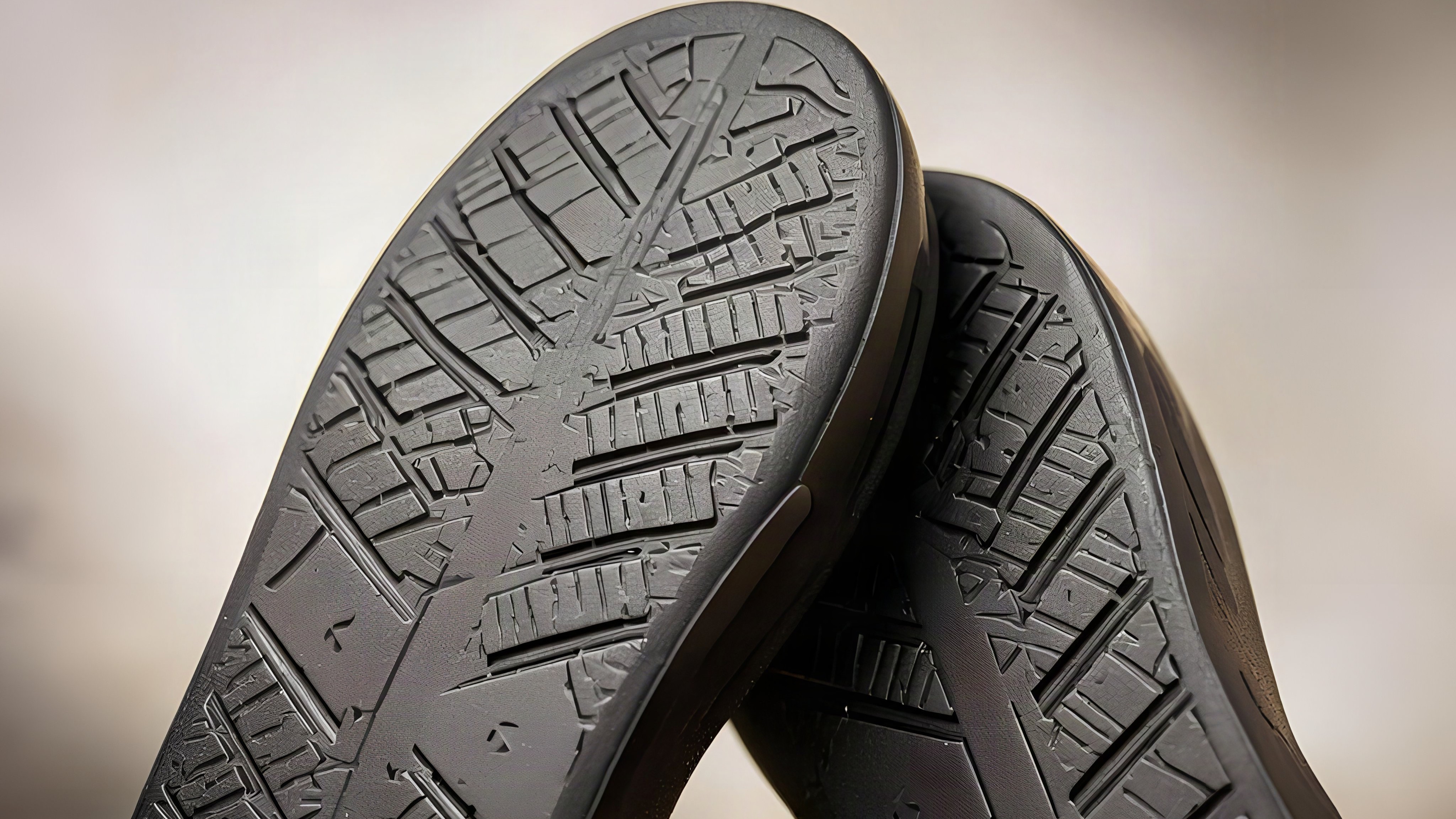
Look underneath the shoe and focus on the tread. A textured outsole with grooves or patterns gives the sole more structure for everyday traction than a completely flat surface, making it a useful feature for rainy-season walking.
Step 2: Look At The Sole Material
Check whether the product uses rubber, TPR or another outsole material and read the manufacturer's description carefully. For example, Red Tape's Amazon listing specifies a TPR sole and describes it as non-slip, while Nivia Marathon uses a rubber outsole and highlights anti-slip traction.
Step 3: Match The Footwear To Your Routine
Think about where you'll actually wear the pair. For daily commuting, walking and longer outdoor use, a closed shoe may provide the secure fit you want, while sandals can work better for shorter errands when quick cleaning and drying matter more.
Step 4: Make Sure The Fit Feels Secure
A good sole won't help much if your foot keeps moving inside the shoe. Look for a secure heel, comfortable toe room and a closure that lets you adjust the fit, particularly if you're planning longer walks during the monsoon.
Step 5: Don't Forget Cushioning And Comfort
Grip is important, but walking comfort matters too. Look for features such as cushioned insoles, supportive footbeds and flexible construction, because a shoe that feels uncomfortable after a short distance is unlikely to become your everyday rainy-season favourite.
Step 6: Read Customer Reviews Before Buying
Reviews can reveal details that product specifications don't always explain. Pay particular attention to comments about grip, sizing, comfort, durability and use on wet floors, while remembering that individual experiences can differ.
Step 7: Check Water-Resistance Claims Separately
Don't assume a non-slip sole means the entire shoe is waterproof. These are separate features, and some Amazon listings clearly state that a shoe is not water-resistant even when its sole is designed for grip.
What Should You Avoid When Choosing Rainy-Season Footwear?
1. Don't rely only on labels:
Words like “anti-slip” or “rain” don't guarantee that the footwear will suit your needs. Check the sole, tread, closure, fit and customer reviews.
2. Avoid poor fit and smooth soles:
Don't choose footwear that feels loose, uncomfortable or has a very smooth outsole, especially for regular use during the rainy season.
3. Check reviews for grip:
If you often walk on wet tiles or polished floors, read customer feedback carefully. Even anti-slip footwear can receive mixed reviews about its grip.
How To Pick Non-Slip Soles For Rainy-Season Walking
Photo Credit: iStock
Some Non-Slip Footwear Products You May Like
1. RECLUSE Self-Adhesive Anti-Slip Sole Sticker Protector
2. 2 PCS Shoe Sole Protector, Durable and Anti-Slip Sole
3. Heavy Driver Anti-Slip Shoe Sole Protector Roll 150cm
4. Flavizo 4 Pcs Silicone Wavy Shoe Sole Protectors for Men and Women
5. HEONAY Non-Slip Shoe Sole Protector For Men & Women
6. TASMAX shoes for men and women Non-Slip Shoe Sole
7. ELETO Self-Adhesive Non-Skid Shoe Pads – Anti-Slip Shoe Grips
8. Dr Shoesert Non-Slip Shoes Pads Adhesive Shoe Sole Protectors
Frequently Asked Questions (FAQs)
1. What type of sole is best for rainy-season walking?
Look for footwear with a textured outsole and clearly stated traction or anti-slip features. Rubber and TPR are commonly used in walking footwear, but the tread pattern and overall construction also matter.
2. Is TPR good for walking during the monsoon?
TPR is commonly used for footwear soles and some Amazon listings specifically describe TPR outsoles as non-slip or high-grip. Still, performance depends on the complete outsole design and the surface you're walking on.
3. Are rubber soles suitable for wet-weather walking?
Rubber soles can be a practical option, particularly when they have a well-defined tread. However, you should still check the product's specific grip claims rather than assuming every rubber sole will perform identically.
4. Does a non-slip sole mean the footwear is waterproof?
'No. Non-slip' refers to traction, while 'waterproofing' or 'water resistance' relates to how the footwear handles water. Always check both specifications separately before buying.
5. Can non-slip footwear prevent slipping completely?
No footwear can completely remove the risk of slipping. Wet tiles, mud, oil and uneven surfaces can remain slippery, so even with traction-focused footwear, walk carefully and adjust your pace to the conditions.
(Disclaimer: This article may include references to or features of products and services made available through affiliate marketing campaigns. NDTV Convergence Limited (“NDTV”) strives to maintain editorial independence while participating in such campaigns. NDTV does not assume responsibility for the performance or claims of any featured products or services.)