Does A Longer First Burn Prevent Candle Tunnelling? 10 Candle-Care Myths Explained
A longer first burn can help prevent candle tunnelling, but it is not a cure-all. Here are 10 common candle-care myths explained, from wick trimming and soot to freezing candles and fixing uneven wax.
Does a Longer First Burn Prevent Candle Tunnelling? 10 Myths Explained
A candle should be simple. Strike a match, enjoy the glow, and carry on with the evening. Yet somewhere between scented jars, decorative pillars and luxury three-wick candles, candle care has acquired an almost ceremonial rulebook. Burn it for exactly four hours. Never blow it out. Put it in the freezer. Trim the wick every single time. Let the first burn reach every millimetre of the glass or the candle is apparently doomed forever. Some of that advice contains a useful grain of truth. Some has simply travelled around social media long enough to sound authoritative.; The most famous claim concerns the first burn. Plenty of candle lovers have watched a ₹900 candle develop a deep crater in the centre and understandably wondered whether an extra hour on day one could have saved it. The answer is more nuanced than a simple yes or no. Good candle care comes down to understanding heat, wax, wick size and sensible burn times. No laboratory coat is required. A little practical knowledge can keep candles burning cleaner, looking better and lasting longer. Here are ten candle-care myths worth clearing up before the next match is struck.

Does a Longer First Burn Prevent Candle Tunnelling? 10 Myths Explained; Photo Credit: Pexels
10 Candle-Care Myths You Should Stop Believing
1. A Longer First Burn Always Prevents Candle Tunnelling
This is probably the biggest candle-care myth, and it starts with a sensible idea.
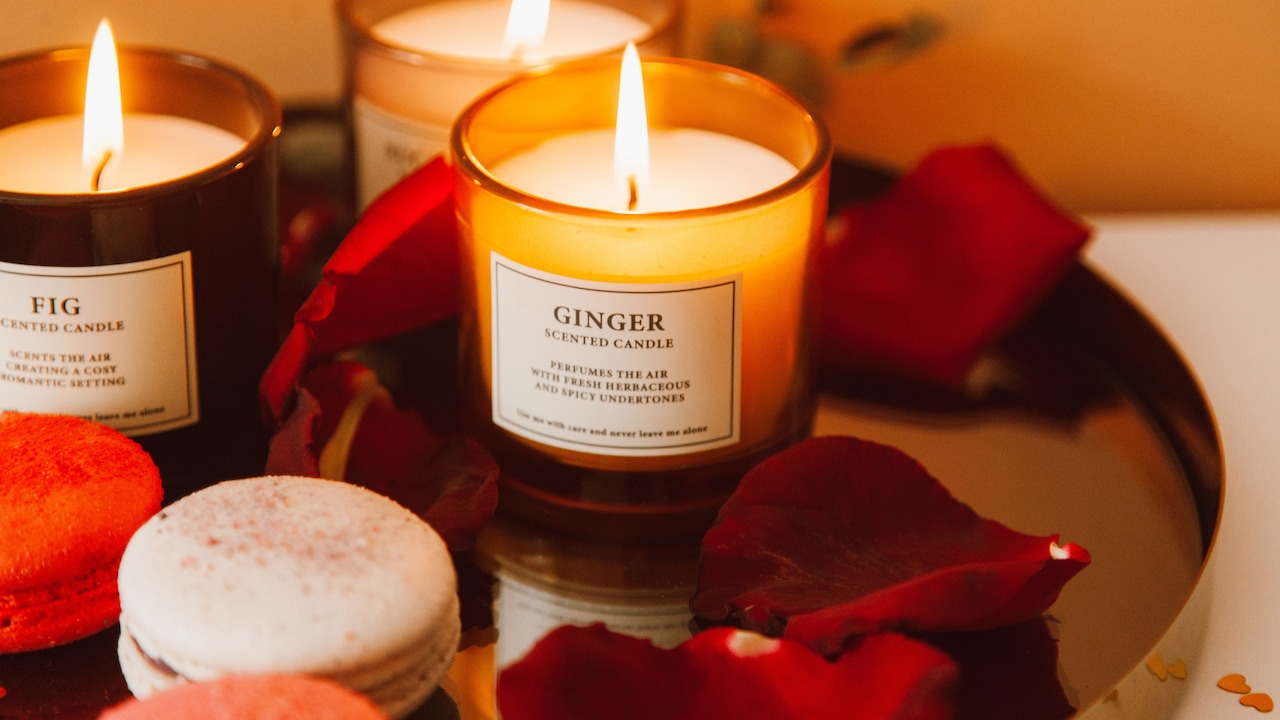
During the first burn, allowing the melted wax to spread close to the edges of the container can reduce the chance of tunnelling. Tunnelling happens when the candle repeatedly melts only a narrow circle around the wick, leaving a thick wall of unused wax around the sides.
However, “longer” does not automatically mean “better”. Leaving a candle burning for six or seven hours simply to create a perfect wax pool can overheat the container, deepen the melt pool and make the wick unstable.
A better approach is to follow the maker's recommended burn time, which often falls somewhere around two to four hours for container candles. The exact time depends on the candle's diameter, wax blend and wick.
Think of the first burn as giving the candle a good start, not forcing it through a marathon. If the wax reaches most of the edge within a safe burn period, that is usually enough. Persistent tunnelling may point to an undersized wick rather than an impatient owner.
Also Read: Top 5 Scented Candles Under ₹600 For Rainy Day Home Ambience
2. Every Candle Needs A Four-Hour First Burn
The four-hour rule has become so widely repeated that it can sound like candle law.
It is not.
A small jar candle may form an adequate melt pool well before four hours. A wide candle may need longer to approach the sides, although the manufacturer's maximum burn time should still take priority. Candle size, wick type, wax composition and fragrance load all influence the way wax melts.
Following a fixed four-hour timer without looking at the candle can therefore cause problems. A tiny candle left burning too long may develop a deep pool of liquid wax and an oversized flame. That can create soot, excessive heat and faster fragrance evaporation.
Watch the candle instead. A healthy burn usually shows a steady flame, an even pool of wax and no dramatic smoking or flickering.
There is also no need to hover over it like someone waiting for pressure cooker whistles. Simply keep it within sight and check occasionally.
The first burn matters, but candle care works better when it responds to the candle in front of you rather than an internet rule applied to every jar on the shelf.
3. Candle Wax Has A Permanent Memory
The phrase “wax memory” appears everywhere in candle-care discussions. It gives the impression that wax somehow remembers the exact diameter of its first melt pool and refuses to melt beyond it ever again.
Wax is not quite that sentimental.
The idea refers to a real pattern, but the explanation often gets exaggerated. If a candle burns for very short periods repeatedly, heat concentrates near the wick. The centre gets progressively lower while the surrounding wax remains high. Eventually, those raised edges make it harder for later burns to receive enough heat, creating a tunnel.
That effect comes from the candle's physical shape and heat distribution rather than a mysterious permanent memory locked into the wax.
A poor first burn can contribute to tunnelling, but it does not always sentence the candle to a lifetime of uneven burning. Mild tunnelling can sometimes correct itself during later, properly managed burns.
So yes, pay attention to the early burns. Just do not treat a slightly imperfect first melt pool like a ruined dosa that cannot be rescued. Candle behaviour changes as the wax level drops, and a well-designed candle often becomes more even over time.
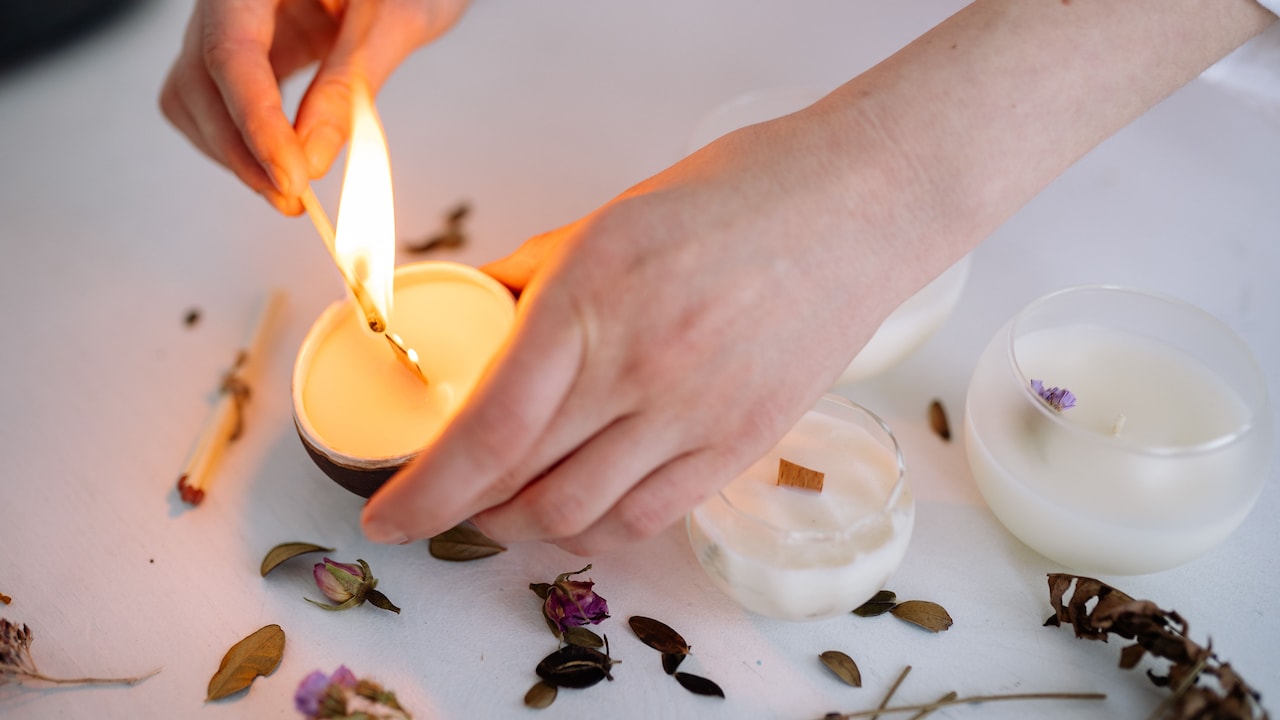
Does a Longer First Burn Prevent Candle Tunnelling? 10 Myths Explained; Photo Credit: Pexels
4. Trimming The Wick As Short As Possible Is Better
Wick trimming helps a candle burn cleanly, but shorter is not endlessly better.
A long, carbon-heavy wick can create a large flame, produce soot and form the familiar mushroom-shaped tip. Trimming away that burnt section before lighting often improves the next burn.
Cutting the wick extremely short, however, may create the opposite problem. The flame can become too weak to melt enough wax around it. In some cases, the wick may struggle to stay lit or become drowned by melted wax.
Many container candles perform well when the wick sits at roughly 5 mm before lighting, although the maker's instructions should come first.
The easiest routine is simple. Let the candle cool completely, remove the loose blackened section and leave enough wick for a stable flame.
There is no prize for microscopic trimming.
If a ₹1,200 scented candle suddenly produces a flame that looks like it is fighting for its life, an over-trimmed wick could be the culprit. Candle care works best with balance: not a towering charred wick, but not a barely visible stub either.
5. You Should Trim The Wick While The Wax Is Still Warm
Warm wax can make post-burn candle maintenance look convenient. The wick feels softer, the surface has not fully reset, and the urge to tidy everything immediately can be strong.
Waiting is usually wiser.
Freshly melted wax can move easily. Cutting or handling the wick while the candle remains warm may knock debris into the wax, shift a softened wick or disturb the surface. More importantly, hot wax can cause painful burns.
Allow the candle to cool and solidify before trimming. Once the wax has hardened, burnt wick fragments are easier to remove without creating a miniature charcoal graveyard inside the jar.
A cooled candle also gives a clearer view of the wick's condition. If the top has formed a mushroom shape, trim that carbon build-up before the next use.
Candle care does not need to happen the second the flame goes out. The candle can spend the night quietly setting while everyone else gets on with chai, television or an aggressively competitive game of cards.
A clean trim before the next lighting works perfectly well and involves considerably less mess.
6. Blowing Out A Candle Ruins It
Blowing out a candle has somehow earned a reputation as candle-care bad manners.
In reality, a gentle puff will not ruin a properly made candle.
The main downside is smoke. Blowing can make the extinguished wick release a noticeable smoky smell, which briefly competes with the fragrance that made the candle appealing in the first place. Blowing too forcefully may also splash liquid wax or bend the hot wick.
A candle snuffer avoids some of those issues by cutting off oxygen around the flame. It looks elegant too, particularly if the evening already involves a brass tray, warm lighting and ambitions of making the living room feel considerably more luxurious than usual.
Still, a snuffer is useful rather than compulsory.
If blowing out the candle, do it gently and from a sensible distance. Avoid sending molten wax across the table in pursuit of dramatic flair.
Wick dippers offer another option for suitable candles, although they require careful handling.
The safest extinguishing method is one that puts out the flame without splashing wax, damaging the wick or introducing water. No ceremonial equipment is necessary for everyday candle care.
7. Freezing A Candle Makes It Burn Longer
Putting candles in the freezer sounds clever. Cold wax is harder, so surely it should melt more slowly and add precious hours to a favourite candle.
The real-world benefit is questionable, and the habit can create new problems.
A candle removed from a cold freezer may experience a sudden temperature change when lit. Glass containers in particular do not appreciate extreme thermal stress. Condensation may also form on the surface, introducing moisture around the wax and wick.
Temperature can influence wax behaviour, but normal household candle performance depends far more on wick size, wax formulation, candle diameter and burning conditions.
If longevity is the goal, shorter sensible burn sessions usually help more than a spell beside the frozen peas.
Store candles in a cool, dry place away from direct sunlight and strong heat. A cupboard or shaded shelf works perfectly well. Very high temperatures can soften wax, fade colour or affect fragrance, especially during scorching summer afternoons.
The freezer belongs to kulfi. Candles are generally happier elsewhere.

Does a Longer First Burn Prevent Candle Tunnelling? 10 Myths Explained; Photo Credit: Pexels
8. More Fragrance Oil Always Means A Stronger Candle
Anyone who has paid ₹1,500 for a candle that smelled magnificent in the shop but almost invisible once lit may sympathise with this myth.
Surely the solution is simply more fragrance?
Not necessarily.
Candle wax can only hold and burn fragrance effectively within suitable limits. Loading a formula with excessive fragrance oil can affect how the wax sets, how the wick performs and how safely the candle burns.
A strong scent throw depends on several factors working together. The fragrance needs to suit the wax. The wick must generate enough heat. The container size matters. Even room size and airflow can change how noticeable a scent feels.
A small candle may beautifully fragrance a bedroom yet disappear completely in an open-plan living and dining area.
Cold throw also differs from hot throw. A candle can smell powerful when unlit but behave more softly once burning.
Quality candle making is closer to balancing a recipe than pouring extra syrup over dessert. More of one ingredient does not automatically improve the result.
When fragrance matters, good formulation usually beats brute quantity.
9. Soot Means The Candle Is Poor Quality
Black marks around a candle jar can certainly signal a problem, but soot does not automatically prove that the candle itself is badly made.
Soot forms when combustion becomes incomplete. A wick that has grown too long, a strong draught or a flame disturbed by moving air can all contribute.
That ceiling fan running at full speed during a warm evening may be comfortable for the room and terrible for the candle. The flame bends, flickers and burns less steadily. Over time, the jar may collect dark residue.
Start by checking the wick. If it has developed a mushroom tip or the flame looks unusually tall, extinguish the candle, let it cool and trim before relighting.
Move the candle away from open windows, air-conditioner vents and fans where possible.
Candle formulation does matter, of course. A poorly matched wick can produce persistent soot even with careful use. Yet an occasional black mark does not justify declaring the entire candle a failure.
A steady flame and sensible wick maintenance usually tell a more useful story than one smudge on the glass.
10. Once A Candle Tunnels, It Cannot Be Saved
Discovering a deep tunnel halfway through an expensive candle feels irritating, especially when a thick ring of perfectly good wax remains stuck around the jar.
Fortunately, mild tunnelling is not always permanent.
If the tunnel is shallow, a longer subsequent burn within the candle's safe recommended limit may allow the melt pool to widen naturally.
More stubborn cases sometimes improve when the surrounding wax receives more even heat. Candle owners often use foil around the upper edge of the jar to help retain warmth, leaving a safe opening above the flame. This method requires close supervision because foil can increase heat around the container.
Never cover the flame or leave an improvised setup unattended.
If the wick is badly undersized, no home trick can completely redesign the candle. Severe tunnelling may keep returning because the candle simply cannot generate enough heat across its width.
Prevention remains easier than correction. Give early burns enough time, keep the wick maintained and avoid draughts.
Still, a tunnel does not always mean the candle belongs in the bin. Sometimes it simply needs a better-managed next burn and a little less panic.
Products Related To This Article
1. EM5 Aromatherapy Scented Candles Set of 4
2. Living Relax Apple - Cinnamon Scented Candle
3. Pranah Monsoon Raaga Scented Candle
4. Aromahpure Scented Candles (55 Hours)
5. (Sandalwood) Scented Tealight Candles| Pack of 15
6. Fresh Lavender Scented Tea Light Candles
7. Scented Soy Wax Candle – Rainwood Calm
Scented Candle care has plenty of rules, but the useful ones are refreshingly uncomplicated. A thoughtful first burn can help reduce tunnelling, yet keeping a candle alight for hours beyond its recommended limit is not a clever shortcut. Wick trimming matters, though cutting it too short can cause trouble. Soot deserves attention, but it does not automatically condemn the candle. Even tunnelling can sometimes be corrected.
The best approach is to watch how the candle behaves rather than chase perfect rituals. Keep the wick tidy, burn the candle away from strong draughts, respect the manufacturer's burn-time guidance and stop using it when only a small amount of wax remains at the bottom of the container.
Candles are meant to make a room feel calmer, warmer and more inviting. They should not require the concentration of an engineering entrance exam.
Treat them with a little care, ignore the more dramatic myths, and that favourite scented jar has a much better chance of burning evenly from the first match to the final glow.
(Disclaimer: This article may include references to or features of products and services made available through affiliate marketing campaigns. NDTV Convergence Limited (“NDTV”) strives to maintain editorial independence while participating in such campaigns. NDTV does not assume responsibility for the performance or claims of any featured products or services.)