Does More Stretch Mean Better Shape Retention? 10 Dress-Fabric Myths Explained
Stretch, thickness and price don’t always reveal how a dress will behave. These common fabric myths explain why some outfits sag, cling, crease or lose their shape sooner than expected.
What makes dresses lose their shape
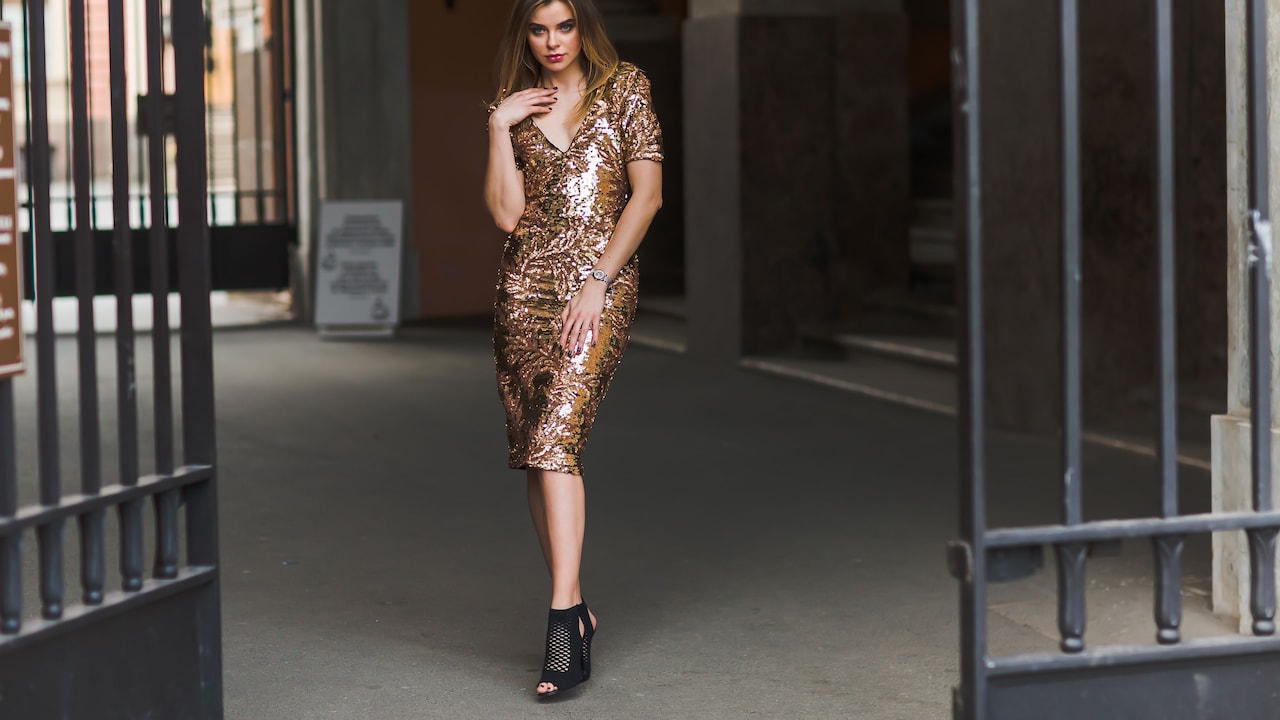
A dress can look flawless on the hanger and behave quite differently after a few hours of wear. The waist may loosen, the seat may sag, or the hem might twist after the first wash. Naturally, the fabric gets blamed. It had too much stretch, too little weight or perhaps the “wrong” fibre. Yet dress fabric rarely follows such simple rules. Two materials with the same fibre label can perform differently because of their weave, knit structure, yarn quality, finishing treatment and construction. Even the way a dress fits can determine whether the material recovers neatly or stays stretched.
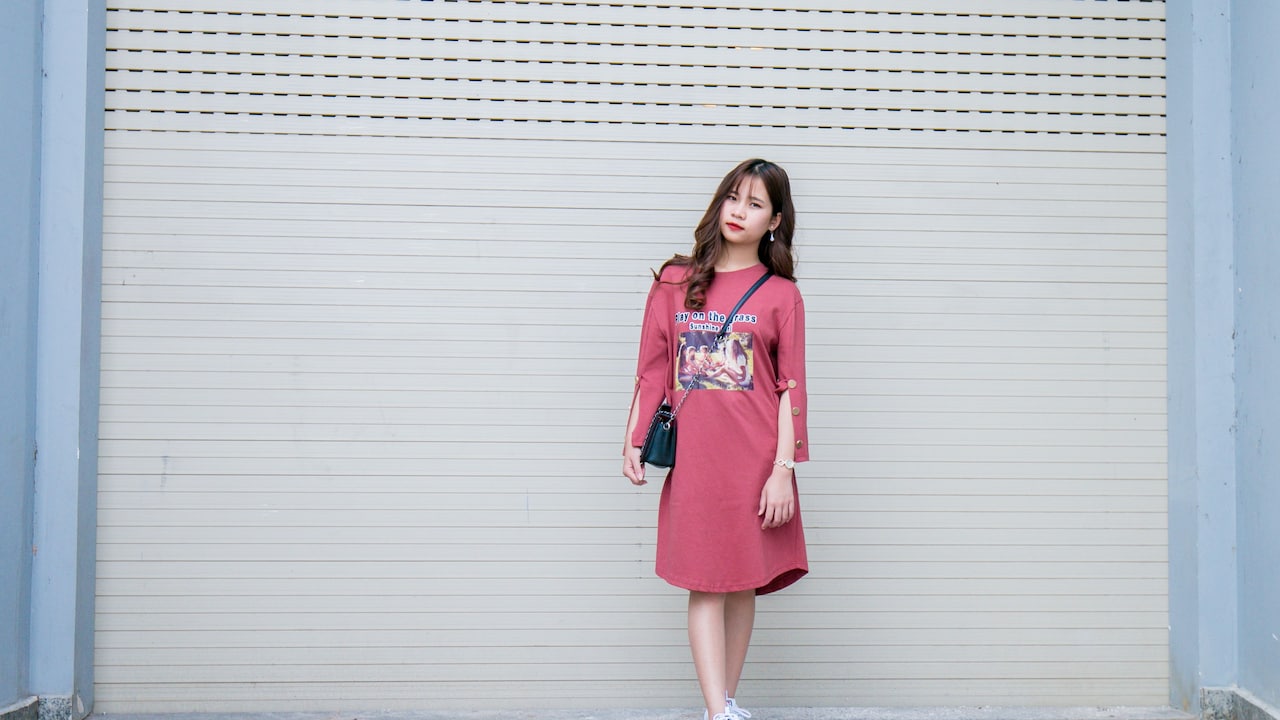
Common reasons why do some dresses lose their shape
Photo Credit: Pexels
This matters when shopping online, where descriptions such as “premium stretch”, “wrinkle-free” and “breathable blend” often reveal only part of the story. A little fabric knowledge can prevent disappointing purchases and help favourite dresses last longer. Here are ten widely believed dress-fabric myths that deserve a closer look.
Also Read: Top 7 Dresses That Don't Ride Up Or Need Constant Adjusting
The Truth Behind Common Dress-Fabric Beliefs
1. More Stretch Always Means Better Shape Retention
Stretch and recovery may sound like the same quality, but they aren't. Stretch describes how far a material can expand. Recovery tells you whether it can return to its original dimensions afterwards. A fabric may stretch generously and still develop loose elbows, sagging knees or a baggy seat.
Elastane often improves recovery, but its presence alone guarantees nothing. The percentage used, the quality of the yarn and the way the fabric has been knitted all matter. A stable ponte knit with modest stretch may retain its silhouette better than a thin jersey that extends dramatically in every direction.
Fit also plays a role. If a bodycon dress sits under constant strain because it runs too small, even a good stretch fabric may tire over time. Think of an elastic hair tie pulled to its limit every day; eventually, it stops springing back.
When shopping, gently stretch a small section and release it. If ripples or distortion remain, the material may not recover well. Controlled stretch often serves a dress better than maximum stretch, particularly around the waist, hips and seat.
2. A Higher Elastane Percentage Makes A Dress More Durable
An impressive elastane percentage can make a dress feel flexible, but it doesn't automatically make the garment tougher. Elastane remains sensitive to heat, friction, body oils and harsh chemicals. Over time, these can weaken its elastic properties and leave the material slack or puckered.
More elastane may also create a tighter, more compressive feel. That can work beautifully in shapewear-style dresses, but it may feel uncomfortable in a loose summer midi. The right amount depends on the garment's purpose, weight and construction rather than a race towards the highest number on the label.
Care habits can undo even a well-made stretch blend. Hot water, a heated dryer and direct contact with a very hot iron can damage elastic fibres. Repeatedly hanging a heavy stretch dress from narrow shoulder straps may also pull the garment out of shape.
A balanced blend often performs best. Cotton with a small amount of elastane can offer movement without losing its familiar feel, while structured knits may rely on polyester, viscose and elastane together. Durability comes from the whole fabric system, not one attention-grabbing percentage.
3. Thick Fabric Never Clings To The Body
Thickness can reduce cling, but it doesn't act like an invisibility cloak. A thick material may still follow every curve if it contains plenty of stretch, carries static or fits too tightly. Some dense ribbed knits, for example, cling more closely than lighter woven fabrics because their structure expands around the body.
Drape matters just as much as thickness. A substantial fabric with fluid drape can settle around the hips and stomach, especially when the dress lacks lining. Meanwhile, a lighter but crisper poplin may stand away from the body and create a cleaner outline.
Colour and surface texture can change perception too. Smooth, shiny fabrics reflect light across raised areas, making cling more noticeable. Matte materials with a subtle texture tend to soften the effect. Seam placement, ruching and prints can also influence what the eye notices.
Rather than judging fabric by weight alone, look at how it falls when held up. Does it collapse softly, remain firm or stretch under its own weight? A dress that skims the body usually needs the right combination of fit, structure, drape and lining. Thickness provides only one part of that equation.
4. Natural Fabrics Always Hold Their Shape Better
Cotton, linen and silk often feel luxurious and comfortable, but their natural origin doesn't guarantee strong shape retention. Pure cotton jersey can grow wider during wear, while linen develops creases almost as soon as someone sits down. Silk may stretch along seams if the garment hangs under its own weight.
Synthetic fibres can sometimes offer greater dimensional stability. Polyester generally resists stretching, shrinking and wrinkling, which explains why manufacturers use it in work dresses and travel-friendly clothing. Nylon can add strength, while elastane improves flexibility and recovery when used sensibly.
That doesn't make synthetic fabric universally superior. Low-quality polyester may trap heat, hold odours or create static. Natural fibres often feel cooler and manage moisture more comfortably. Blended fabrics attempt to combine these advantages, such as cotton-polyester for stability or linen-viscose for softer drape.
The garment's construction remains crucial. A carefully cut cotton dress with reinforced seams may outlast a poorly made synthetic one. Fibre names provide useful clues, but they cannot tell the entire story. Judge the fabric's density, recovery, finish and care requirements before deciding whether it will keep its shape.
5. Wrinkle-Free Fabric Will Stay Smooth All Day
“Wrinkle-free” usually means wrinkle-resistant, not permanently immune to creases. Fabric finishes and synthetic fibres can help a dress recover from folding, but sitting through a long commute or working at a desk for hours can still leave marks across the lap and waist.
The shape of the dress affects creasing as well. A fitted linen-blend sheath faces more pressure at the hip crease than a flowing A-line dress. Even polyester may wrinkle when crushed under a handbag, seat belt or tightly packed wardrobe. Moisture and heat from the body can make folds settle more firmly.
Some wrinkle-resistant treatments gradually lose effectiveness after repeated washing. Others may make the material feel slightly stiff at first. A fabric that looks smooth in product photographs may therefore behave differently after several months of regular use.
For easier maintenance, choose fabrics with a little texture or a mixed-colour print, as they disguise minor creases better than plain, glossy surfaces. Hanging a dress soon after washing also helps. Wrinkle resistance remains useful, especially for workwear and travel, but no fabric can promise a freshly pressed appearance from breakfast until bedtime.
6. Expensive Fabric Cannot Sag Or Lose Its Shape
Price can reflect better fibres, specialised finishes or detailed workmanship, but it doesn't make fabric immune to gravity and wear. A costly viscose dress may still lengthen on a hanger. A fine cashmere-blend knit can develop a loose seat. Delicate silk may distort if seams carry too much tension.
In fact, some luxurious fabrics require more care because their softness comes from finer yarns or looser structures. They may feel beautiful against the skin but react badly to rough washing, overcrowded wardrobes or careless storage. Quality and toughness aren't always travelling companions.
The price of a dress also covers more than fabric. Branding, design, packaging, retail costs and limited production can all influence the final figure. A modestly priced dress with stable seams and sensible fabric may retain its shape better than a designer piece created primarily for delicate occasion wear.
Before buying, check whether the garment feels balanced when held from the shoulders. Examine the side seams, hem and areas around the zip. Twisting or rippling can signal construction problems regardless of price. Paying more may bring nicer material and finishing, but proper fit, care and storage still decide how gracefully a dress ages.

Even expensive fabrics can sometime lose their shape over time; Photo Credit: Pexels
7. Loose Dresses Cannot Stretch Out Of Shape
A loose silhouette places less tension across the body, but that doesn't protect it from every kind of distortion. Fabric weight can pull a relaxed maxi dress downwards, particularly when the material contains viscose or a loose knit. Thin straps and narrow shoulder seams often carry the full burden.
Bias-cut dresses present another surprise. Because the fabric sits diagonally across the grain, it drapes beautifully but may lengthen unevenly. The hem can appear perfectly level when new and slightly wavy after the garment settles. This doesn't always indicate poor quality; it can simply reflect the nature of the cut.
Storage can make matters worse. Hanging a heavy dress for months may stretch the shoulders and neckline. Folding it can protect the shape, although deep folds may require gentle steaming before wear. Wide padded hangers also distribute weight more evenly than thin wire or plastic ones.
Loose dresses need thoughtful sizing too. An oversized armhole or low neckline may grow further with movement. Relaxed clothing may feel forgiving, but the fabric still responds to gravity, laundering and storage. Ease reduces strain; it doesn't eliminate it.
8. Fabric That Shrinks Must Be Poor Quality
Shrinkage feels especially frustrating when a comfortable kurta dress emerges from the wash looking ready for a much shorter relative. Still, shrinkage doesn't always point to bad fabric. Natural fibres absorb water and can contract as their yarns relax, particularly during the first few washes.
Manufacturers can pre-shrink cotton and apply stabilising treatments, but results vary. A small amount of shrinkage may remain normal. Hot water, vigorous washing and high dryer temperatures can turn that modest change into a dramatic one. Even steam from an iron can affect fabric that hasn't previously faced heat.
The direction of shrinkage matters. Some dresses lose length while keeping their width, depending on the grain and construction. Mixed fabrics can behave unevenly when one fibre contracts more than another, sometimes creating puckered seams or twisted hems.
Always check the care label before washing, even when the garment appears sturdy. Cool water, a gentle cycle and air drying usually reduce risk. Reshaping the dress while damp can also help restore its dimensions. Poorly controlled shrinkage may reveal a manufacturing flaw, but fibre behaviour and laundry habits often share the responsibility.
9. Lining Always Prevents A Dress From Losing Shape
Lining can improve opacity, reduce friction and help a dress glide over the body. It can also support delicate outer fabric. However, it cannot rescue a garment when the main material lacks recovery or the cut places excessive strain on particular areas.
Sometimes the lining creates new problems. If it shrinks more than the outer fabric, the dress may bunch, pull upwards or develop a balloon-like hem. A lining that feels too tight can restrict movement and force the outer layer to crease. One that stretches too much may twist underneath and gather around the waist.
The two layers need compatible weight, drape and care requirements. A lightweight chiffon shell works best with a lining that moves fluidly, while a structured dress needs firmer internal support. Even then, darts, seams and interfacing often do more shape-building work than the lining itself.
When trying on a lined dress, sit, walk and raise your arms. Notice whether both layers move together. If the lining rides up while the outer fabric stays down, the mismatch may become irritating. Lining can refine a dress, but thoughtful construction determines whether it genuinely supports the shape.
10. Washing Less Often Guarantees Better Shape Retention
Frequent washing can weaken fibres, fade colour and reduce elasticity, so washing less often sounds like an obvious solution. Yet avoiding the wash for too long can create another set of problems. Perspiration, deodorant, body oils and dirt may settle into fibres and gradually damage them, particularly around the underarms, neckline and waist.
The better approach involves washing according to wear, weather and fabric type. A party dress worn for two hours in an air-conditioned room may only need airing. A fitted summer dress worn through a humid afternoon will probably need cleaning before it returns to the wardrobe.
How a dress gets washed matters more than chasing the lowest possible wash count. Cool water, gentle detergent and reduced agitation usually protect shape. Fast spin cycles can strain delicate knits, while wringing by hand can twist seams. Heavy dresses should dry flat when possible; lighter woven styles often cope well on padded hangers.
Between washes, air the garment in shade and treat small marks promptly. Thoughtful cleaning keeps both the fabric and the wearer happier. Shape retention depends on balanced care, not allowing a dress to become a museum exhibit.
Products Related To This Article
1. IndoVastra Women Floral Printed Cotton Embroidered A-Line Midi Dress
2. Anayna Red Floral Ethnic A-Line Cotton Midi Ethnic Dress
3. Aayu Women Maternity Maxi Dress
4. Rain & Rainbow Ethnic Motifs Printed Maxi Fit & Flare Tiered Pure Cotton Dress
5. Rain & Rainbow Women Green & Red Ethnic Pure Cotton A-Line Midi Dress
6. Chemistry A-Line Midi Dress
7. Sangria Notched Lapel Wrap-Style Ethnic Dress
Dress fabric rarely behaves according to one simple rule. More stretch doesn't necessarily mean stronger recovery, just as greater thickness, a natural fibre label or a higher price doesn't guarantee lasting structure. Fit, yarn quality, fabric construction, garment design and care habits all influence how a dress changes over time.
The most reliable approach involves looking beyond attractive labels. Test the fabric's recovery, inspect its seams, consider its weight and follow suitable washing instructions. A little curiosity at the trial-room stage can prevent sagging shoulders, twisted hems and that familiar disappointment after the first wash. Clothes may not last forever, but the right knowledge can help them hold their shape, and their place in the wardrobe, for much longer.
(Disclaimer: This article may include references to or features of products and services made available through affiliate marketing campaigns. NDTV Convergence Limited (“NDTV”) strives to maintain editorial independence while participating in such campaigns. NDTV does not assume responsibility for the performance or claims of any featured products or services.)