10 Washing And Wearing Mistakes That Make Water Spots More Noticeable On Satin
Water spots can quickly spoil satin’s smooth, glossy finish. From harsh washing to careless steaming, these common mistakes can make marks stand out more and leave the fabric looking patchy, dull or uneven.

How to prevent stains on satin clothes
Satin has the sort of shine that catches light before anyone notices the embroidery, cut or colour. That beautiful sheen comes from the way its threads are woven, creating a smooth surface that reflects light evenly. Unfortunately, the same quality can make tiny imperfections surprisingly obvious. A splash from the washbasin, a damp patch from rushed steaming or even a few raindrops during the journey to a wedding can dry into visible rings. On darker colours, they may look pale and cloudy. On lighter satin, they can appear as dull patches where the shine suddenly changes. Often, the water itself is not the real problem. Minerals, detergent residue, uneven drying, friction and heat can exaggerate the mark.

Common mistakes that can leave stains on satin
Photo Credit: Pexels
Many satin mishaps also happen because the fabric gets treated like cotton or polyester. Satin demands a gentler rhythm. Avoiding the following ten washing and wearing mistakes can make water spots far less noticeable and keep the fabric looking polished rather than patchy.
Also Read: Satin Night Suits Under ₹500 For Women Who Want Comfort And Fashion
Common Satin Care Mistakes That Make Water Spots Stand Out
1. Washing Satin In Hard Tap Water
Hard water may look perfectly clear, yet it can contain dissolved minerals such as calcium and magnesium. When satin dries, those minerals can remain on the surface and create pale outlines, chalky patches or dull areas. The effect becomes particularly obvious on black, navy, emerald or wine-coloured satin because the fabric naturally reflects light so strongly.
Homes that regularly notice white residue around taps, buckets or bathroom fittings may also see similar deposits on delicate clothing.
Using excessive water does not necessarily solve the problem either. Repeated rinsing in mineral-heavy water can leave even more residue behind.
For expensive satin pieces, filtered water can be useful for the final rinse. Distilled water also works well when treating a small stained section at home. There is no need to fill an entire bucket with it.
The main trick is consistency. If one portion of satin dries with mineral residue while another stays clean, the difference in shine becomes noticeable. Treating water quality as part of fabric care can prevent a mysterious-looking spot before it ever appears.
2. Using Too Much Detergent
More detergent does not mean cleaner satin. In fact, it can create exactly the opposite appearance.
Satin has a smooth surface, so leftover detergent can sit on the fibres rather than disappearing unnoticed. Once the garment dries, residue may form cloudy streaks or pale rings that resemble water stains. Add a few actual water droplets later and the uneven surface can make those marks appear even stronger.
This often happens when detergent is poured directly onto a wet blouse, skirt or saree. Concentrated product lands in one area and becomes difficult to rinse evenly.
A small quantity of mild liquid detergent is usually enough for hand-washing delicate satin. Mixing it completely into cool or lukewarm water before adding the garment helps prevent concentrated patches.
Powders need extra caution because undissolved granules can cling to the fabric.
Think of satin washing less like scrubbing school uniforms and more like handling something polished. The goal is not aggressive cleaning. It is removing dirt without leaving anything behind. A proper rinse should leave satin feeling smooth, not slippery or slightly soapy.
3. Rubbing A Water Spot While It Is Wet
A fresh splash on satin can trigger an instant urge to rub it away. That quick reaction often makes the mark larger.
Rubbing changes the direction and texture of the satin fibres. Since the fabric's beauty depends heavily on even light reflection, a rubbed section can look dull even after the moisture disappears. The result may resemble a stubborn stain when the bigger problem is actually surface disturbance.
Imagine sitting at a reception when a few drops from a cold glass land on a satin kurta or dress. Scrubbing the area with a tissue may seem sensible, especially with photographers nearby. Unfortunately, pressure can spread the moisture outward and create a wider ring.
Blotting works better. Use a clean, soft, absorbent cloth and press gently without dragging it across the fabric.
If the mark needs further attention later, dampening the surrounding area evenly is often safer than attacking the centre repeatedly.
Satin rewards patience. A small wet patch can often dry quietly. A vigorously rubbed patch may continue catching the light differently long after the original water has vanished.
4. Spot-Cleaning Only The Exact Mark
Treating only the tiny centre of a water stain sounds precise, but satin does not always appreciate such accuracy.
When one small section becomes wet while the surrounding fabric stays completely dry, the edges can dry at different rates. Minerals or cleaning residue may migrate towards the boundary, leaving a visible ring. The original spot disappears, only to return wearing a larger outline.
This problem commonly occurs around necklines, sleeves and front panels where accidental splashes are most noticeable.
A better approach is to feather moisture slightly beyond the edge of the mark using a clean cloth. On some satin garments, gently dampening the whole affected panel or section produces a more uniform finish. Care labels should always guide the method, especially with silk satin or structured clothing.
Before trying any treatment, test an inconspicuous area such as an inner seam.
The key is avoiding sharp boundaries between wet and dry fabric. Satin reflects those differences very clearly. What looks like a harmless little circle during cleaning can become a glowing halo once the garment sits under bright indoor lights.
5. Hanging Satin While It Is Dripping Wet
A dripping satin garment hanging from a clothesline may seem like the easiest way to dry it, but gravity can create trouble.
Water naturally travels downwards. As it moves through the fabric, it can carry detergent residue and minerals towards hems, folds and lower edges. Those substances become more concentrated as the water evaporates. The result can be visible tide marks or uneven patches of shine.
Heavy wet satin may also stretch around hanger points or shoulder seams.
Instead of twisting or wringing the garment, gently remove excess moisture with a clean towel. Lay the satin flat between towels and press carefully. Afterwards, dry it according to the care label, preferably away from harsh sunlight.
If hanging is permitted, use a broad padded hanger and make sure the garment is no longer dripping.
Fast afternoon sun deserves particular caution. Strong heat can dry certain sections much quicker than others, exaggerating boundaries between damp and dry areas.
Satin dries best when moisture leaves evenly. The less opportunity water has to run, pool and collect residue in one place, the less noticeable spotting tends to become.

Hanging satin while it's dripping water can also leave stains
Photo Credit: Pexels
6. Ironing Satin Before It Is Evenly Dry
Trying to rescue slightly damp satin with a hot iron can turn temporary moisture into a very noticeable patch.
Heat speeds up evaporation. If one part of the fabric contains more water than another, ironing may create sharp differences in sheen. Minerals left inside the damp area can also become more visible after concentrated heating.
Then there is the risk of heat damage itself. Satin can develop glossy iron marks, flattened fibres or even scorching depending on its fibre content.
Always check the care label before ironing. When ironing is suitable, use a low temperature and work on the reverse side. A pressing cloth adds another layer of protection.
The iron's steam button can also be risky when it spits droplets instead of producing a fine mist. Those random drops may leave fresh marks seconds before an event.
Allowing the garment to dry evenly first is usually the safer route.
A rushed ironing session at 7 pm before an 8 pm celebration has ruined many promising outfits. Satin rarely responds well to panic. Giving it a little more preparation time can preserve both its smoothness and its shine.
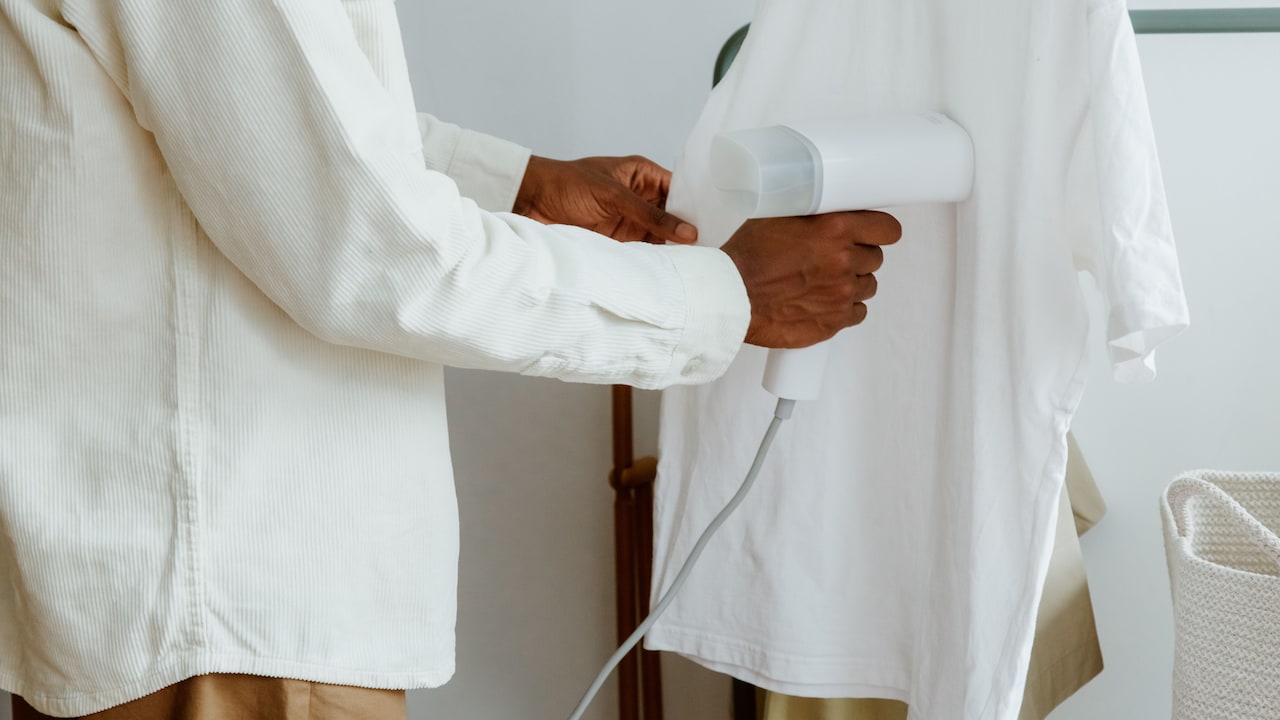
7. Letting Steamers Spit Water Onto The Fabric
Garment steamers are convenient, especially when satin develops creases after sitting inside a wardrobe. However, not every steamer releases perfectly dry, consistent steam.
Some devices spit small droplets when they first heat up, when the water tank is too full or when condensation collects inside the hose. Those droplets can land directly on satin and dry into darker circles, mineral spots or uneven patches.
The easiest precaution is surprisingly simple: test the steamer away from the garment first.
Allow it to produce steady steam before bringing it close to the fabric. Keep a sensible distance rather than pressing the nozzle against satin. Moving continuously also prevents one section from becoming soaked.
Filtered or distilled water may reduce mineral deposits if the steamer manufacturer permits it.
Steaming from the reverse side can be helpful for certain garments, although care instructions should come first.
A steamer should relax wrinkles, not give satin a surprise shower. When droplets start appearing, stop and sort out the appliance rather than hoping the fabric will dry perfectly. On glossy material, three tiny drops can somehow attract more attention than three hundred sequins.
8. Wearing Satin Before Deodorant Or Perfume Dries
Not every so-called water mark actually comes from plain water.
Deodorant, perfume, body mist, moisturiser and hair products all contain ingredients that can leave rings or alter satin's sheen. If satin touches damp skin immediately after these products are applied, the resulting marks can look remarkably similar to water spots.
The underarm area is particularly vulnerable. So are necklines, cuffs and blouse backs during warm weather.
Finish the grooming routine before putting on satin. Give sprays, creams and deodorants enough time to dry properly. Perfume is better applied to suitable pulse points before dressing rather than sprayed directly over the garment.
This habit also prevents tiny droplets from settling across the front of a saree blouse, shirt or evening dress.
During humid celebrations, carrying a soft cotton handkerchief can be more useful than repeatedly wiping satin with tissue.
The fabric does not need to be treated like museum glass. It simply benefits from a little separation between moisture and dressing. Ten extra minutes before changing can save far more time later spent inspecting mysterious circles under every possible light.
9. Wearing Satin In The Rain Without Protecting It
A light drizzle may not feel threatening, but satin can record every raindrop with impressive enthusiasm.
Rainwater can contain dust and airborne particles. As the droplets dry, those particles may remain behind. Even clean rain can create temporary changes in colour or sheen because some parts of the garment become wetter than others.
The problem gets worse when wet satin is folded, covered tightly or rubbed against a handbag during the journey.
For occasions during the monsoon, a compact umbrella and a light protective layer can save plenty of frustration. Long saree pallus, wide satin trousers and flowing skirts deserve extra attention while getting in and out of cars.
If the fabric becomes wet, avoid rubbing individual droplets. Once indoors, allow the moisture to dry as evenly as possible according to the garment's care instructions.
Rain spots are particularly noticeable under bright banquet lighting because satin reflects every small change in texture.
A glamorous entrance loses some magic when half the evening gets spent asking friends whether a mark is visible. Protecting satin before stepping outside is far easier than negotiating with thirty raindrops afterwards.
10. Storing Satin Before Every Damp Patch Has Dried
After wearing satin, it can be tempting to fold the garment neatly and return it to the wardrobe immediately. That habit can trap moisture from sweat, steam or cleaning.
A slightly damp fold may dry slowly and leave a visible crease line or patch. Moisture trapped between layers can also encourage odour and, in poor storage conditions, mildew.
Even a garment that feels dry on the outside may retain moisture around seams, waistbands, underarms or heavily layered sections.
Before storage, hang or lay the item in a well-ventilated indoor space until it is completely dry. Keep it away from harsh sunlight. Once dry, store it loosely enough to avoid deep pressure marks.
Clean tissue or a breathable fabric cover can help protect delicate pieces. Plastic covers are less suitable for long-term storage if they trap humidity.
This matters especially for outfits worn only during festivals, weddings or family celebrations. A satin blouse packed away in August may not reappear until months later.
Proper drying before storage protects more than colour. It keeps the fabric's reflective surface uniform, which means old moisture marks are less likely to greet the next special occasion.
Products Related To This Article
1. PURYS Women Smart Animal Printed Casual Satin Shirt
2. Aldeno Spread Collar Slim Fit Satin Formal Shirt
3. Roadster The Lifestyle Co. Women Spread Collar Textured Satin Casual Shirt
4. MISCHIEF MONKEY Men Classic Formal Shirt
5. WORK IT by STREET 9 Comfort Fit Satin Casual Shirt
6. Banana Club Men Relaxed Slim Fit Opaque Casual Shirt
7. Popwings Women Comfort Spread Collar Solid Satin Casual Shirt
Water spots on satin often look worse than they really are because the fabric reflects light so beautifully. A tiny mineral deposit, detergent trace or rubbed patch can interrupt that smooth shine and immediately draw the eye.
Fortunately, careful habits make a noticeable difference. Mild detergent, even drying, gentle blotting and sensible protection from rain, cosmetics and steamer droplets can prevent many common marks. Water quality matters too, particularly when hard water leaves visible residue around the home.
Most importantly, satin should never be handled in a hurry. Aggressive rubbing, dripping-dry hanging and last-minute heat can transform minor moisture into a much more obvious problem.
Treat the fabric with a little patience and it tends to return the favour. That treasured saree, party shirt or evening dress will hold onto its elegant glow instead of displaying a collection of mysterious circles. When satin shines evenly, the attention stays exactly where it belongs: on the outfit, not on the water spots.
(Disclaimer: This article may include references to or features of products and services made available through affiliate marketing campaigns. NDTV Convergence Limited (“NDTV”) strives to maintain editorial independence while participating in such campaigns. NDTV does not assume responsibility for the performance or claims of any featured products or services.)