How To Style Loose Tunics Without Making Your Outfit Look Oversized
Loose tunics can feel breezy and effortless without swallowing your shape. The secret lies in balancing proportions, choosing the right bottoms, defining strategic areas and letting the fabric fall naturally.
How To Style Loose Tunics Without Making Your Outfit Look Oversized
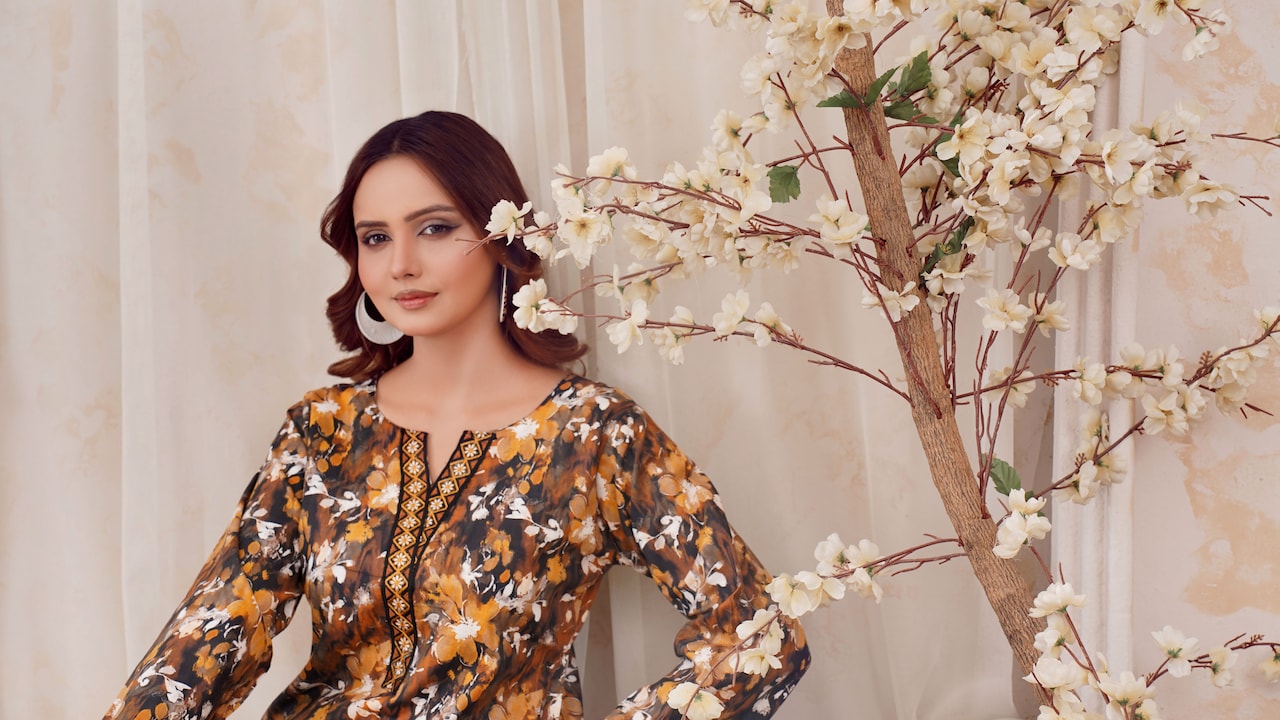
A loose tunic has plenty going for it. It feels comfortable on humid afternoons, leaves enough room for movement and can make getting dressed on a rushed morning surprisingly easy. Yet there's a fine line between relaxed and shapeless. One slightly bulky pair of trousers, an awkward tunic length or too many oversized layers can turn an intentionally easy outfit into something that looks several sizes too large. The solution isn't necessarily a belt around the waist or switching to fitted clothes. Loose silhouettes can look polished without clinging to the body at all. What matters more is proportion. A tunic needs visual structure somewhere in the outfit, whether that comes from the trousers, sleeves, neckline, casual footwear or even the way the fabric falls around the shoulders. Think of styling a loose tunic as creating contrast rather than trying to make it smaller. Some combinations add vertical lines. Others reveal just enough of the ankle, wrist or neckline to prevent fabric from dominating the frame. With a few thoughtful changes, that comfortable tunic sitting in the wardrobe can look relaxed, intentional and remarkably put-together.
How To Style Loose Tunics Without Making Your Outfit Look Oversized; Photo Credit: Pexels
Top 10 Simple Styling Tricks To Balance A Loose Tunic
1. Balance A Loose Tunic With Straighter Bottoms
When the top already carries plenty of volume, adding equally roomy bottoms can make the whole outfit expand visually. Wide tunics paired with extremely wide palazzos, for example, may create one uninterrupted block of fabric from shoulder to floor.
Straighter trousers offer an easier balance. Cigarette pants, straight-leg trousers and narrow ankle-length styles give the tunic room to move while creating a cleaner line underneath. They don't need to fit tightly. Even a gently tapered trouser can provide enough contrast.
Pay attention to where the tunic ends as well. A loose tunic that reaches the thighs often works particularly well with streamlined bottoms because the narrower shape becomes visible below the hem.
That doesn't mean wide-leg trousers are forbidden. Fashion rules rarely need to be that dramatic. If both pieces are loose, choose softer fabrics with good drape and keep the colour palette relatively cohesive.
The aim is simple: allow one part of the outfit to provide visual direction. When the tunic brings the volume, the trousers can quietly provide the structure.
Also Read: Top 7 Ethnic Tunics For Women: Perfect For Office, College And Celebrations
2. Let Your Wrists Show When The Sleeves Feel Voluminous
A surprisingly small styling change can rescue an outfit that suddenly feels like too much fabric: show the wrists.
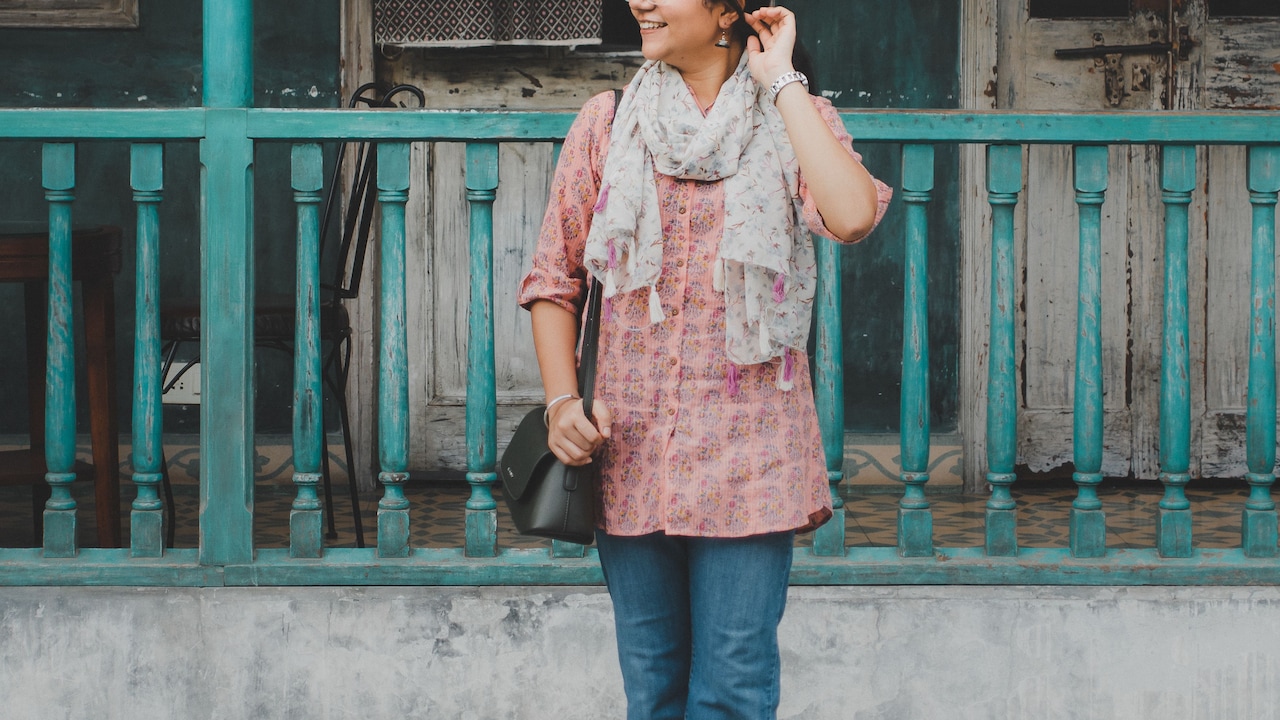
Long, loose sleeves combined with a roomy tunic body can visually blur the body's natural proportions. Rolling the sleeves once or twice, choosing three-quarter sleeves or gently pushing full sleeves upwards exposes a narrow point and introduces definition.
It works particularly well with cotton and linen tunics, where a slightly imperfect sleeve roll actually adds charm. There's no need to create military-level symmetry. A relaxed fold often suits the silhouette better.
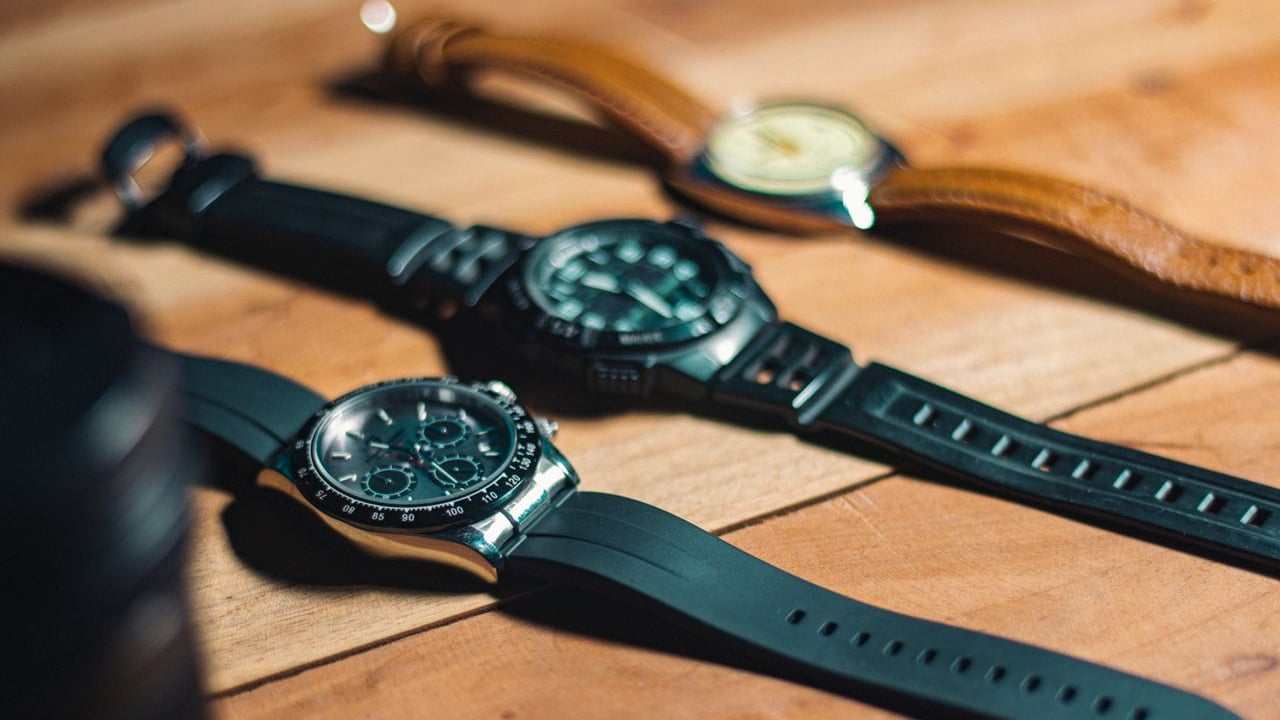
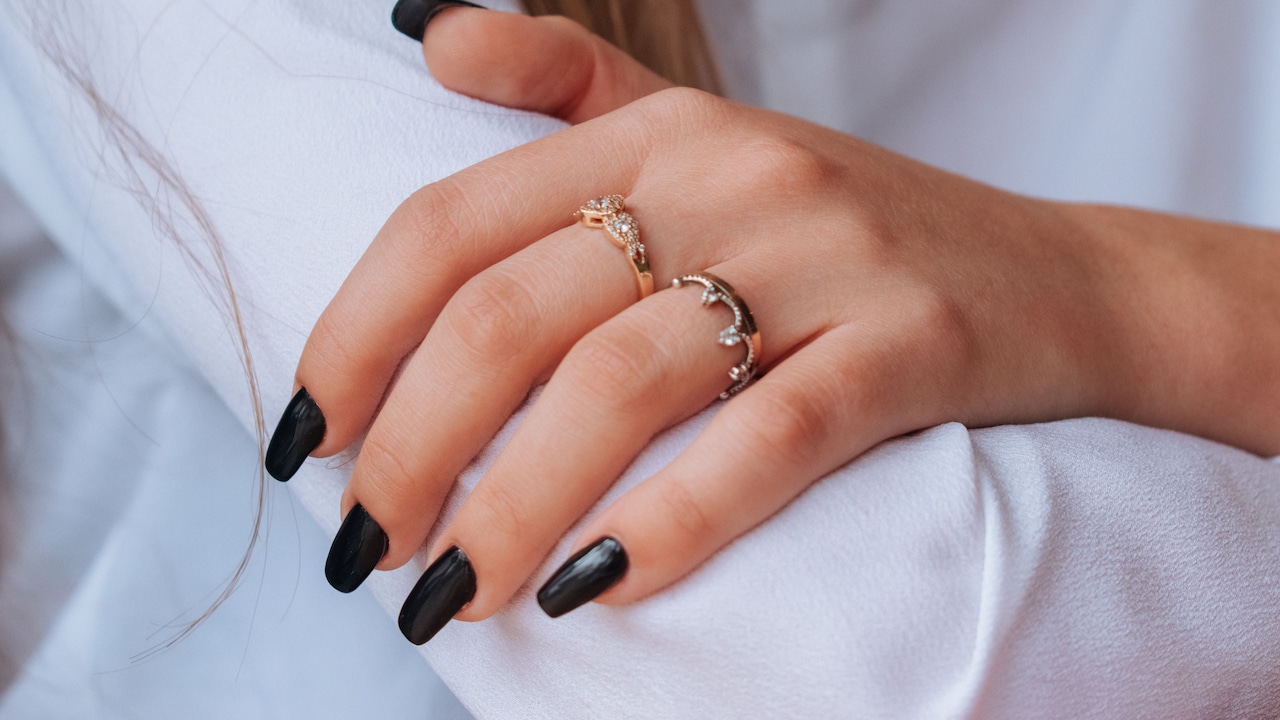
Bracelets, a watch or simple bangles can reinforce that visual break without making the outfit busy.
This technique becomes especially useful during transitional weather. Rather than changing the entire outfit because the tunic feels overwhelming, adjusting the sleeves can instantly make it feel lighter.
There's also a practical bonus when chai, lunch or laptop work enters the picture. Flowing cuffs dipping into everything become considerably less glamorous.
Small exposed areas such as wrists and ankles prevent a loose outfit from looking like one continuous piece of fabric.
3. Choose Tunics With Defined Shoulder Seams
The shoulders often determine whether a loose garment looks deliberately relaxed or simply too big.
A tunic can have plenty of room through the torso while still sitting neatly across the shoulders. Look for seams that roughly align with the natural shoulder line or designs with some visible construction around the upper body.
Dropped shoulders create a softer, more oversized effect. They can look stylish, but when combined with a wide body, long sleeves and a long hem, the overall silhouette may lose definition.
Structured shoulder seams work differently. They give the eye an obvious starting point and allow the rest of the fabric to fall away gracefully.
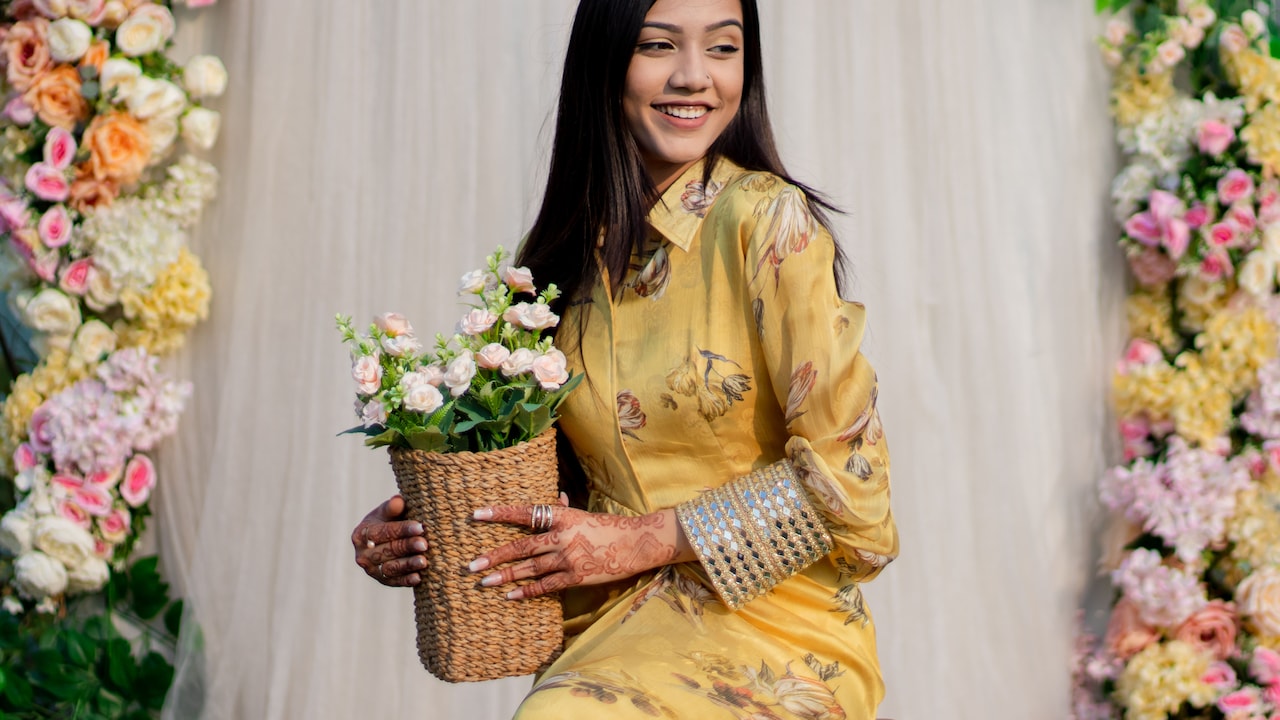
Necklines can help too. A V-neck, band collar, modest scoop neck or short button placket creates another vertical or architectural element near the face.
This becomes particularly useful with printed tunics. Busy florals, geometric motifs and embroidered fabrics already provide plenty of visual information, so defined shoulders prevent the print from taking over the entire outfit.
Loose doesn't need to mean unstructured. A little definition at the top can carry the rest of the silhouette.
How To Style Loose Tunics Without Making Your Outfit Look Oversized; Photo Credit: Pexels
4. Use A Front Tuck Only When The Fabric Allows It
The front tuck has become a favourite styling trick for good reason. It can introduce shape without turning a loose tunic into a fitted garment. But tunics require a little more judgement than shirts.
If the fabric is lightweight and the tunic isn't extremely long, gently tucking a small section at the front can reveal the waistband and create a clearer leg line. The sides and back can remain loose.
Trying this with thick fabric, however, can create an uncomfortable bunch of material around the waist. Nobody needs an artificial fabric pouch appearing halfway through the day.
Long tunics may also resist tucking gracefully. In that case, choosing a shorter tunic or one with side slits usually works better.
High-waisted trousers make the technique easier because the waistband sits at a natural visual point. A neat waistline also helps balance the relaxed upper half.
Most importantly, don't force the tuck. Some tunics look better hanging freely.
Good styling often comes from understanding what the garment naturally wants to do rather than wrestling it into submission.
5. Pay Attention To Where The Tunic Hem Ends
Hem length changes proportions more dramatically than many people realise.
A tunic that finishes at the widest part of the hips can sometimes create a horizontal line that makes the silhouette appear broader. Moving the hem slightly above or below that point often creates a more flattering visual flow.
Mid-thigh tunics work well with straight trousers and leggings-style bottoms, while longer tunics can pair beautifully with narrow trousers, cropped pants or softly flowing bottoms.
Side slits make long tunics easier to style because they break up the fabric and reveal glimpses of the trousers underneath. They also make walking considerably less complicated, which becomes important once stairs, public transport and hurried mornings enter the equation.
Asymmetrical hems offer another option. A slightly longer back or curved hem can create movement without adding width.
Before dismissing a tunic as "too oversized", check the hem in a full-length mirror. Sometimes the problem isn't the width at all. A few centimetres of length can completely change how the garment interacts with the rest of the outfit.
Proportion often hides in details that seem insignificant on the hanger.
6. Create Vertical Lines Through The Outfit
Vertical details guide the eye up and down rather than across, which can make loose silhouettes feel more streamlined.
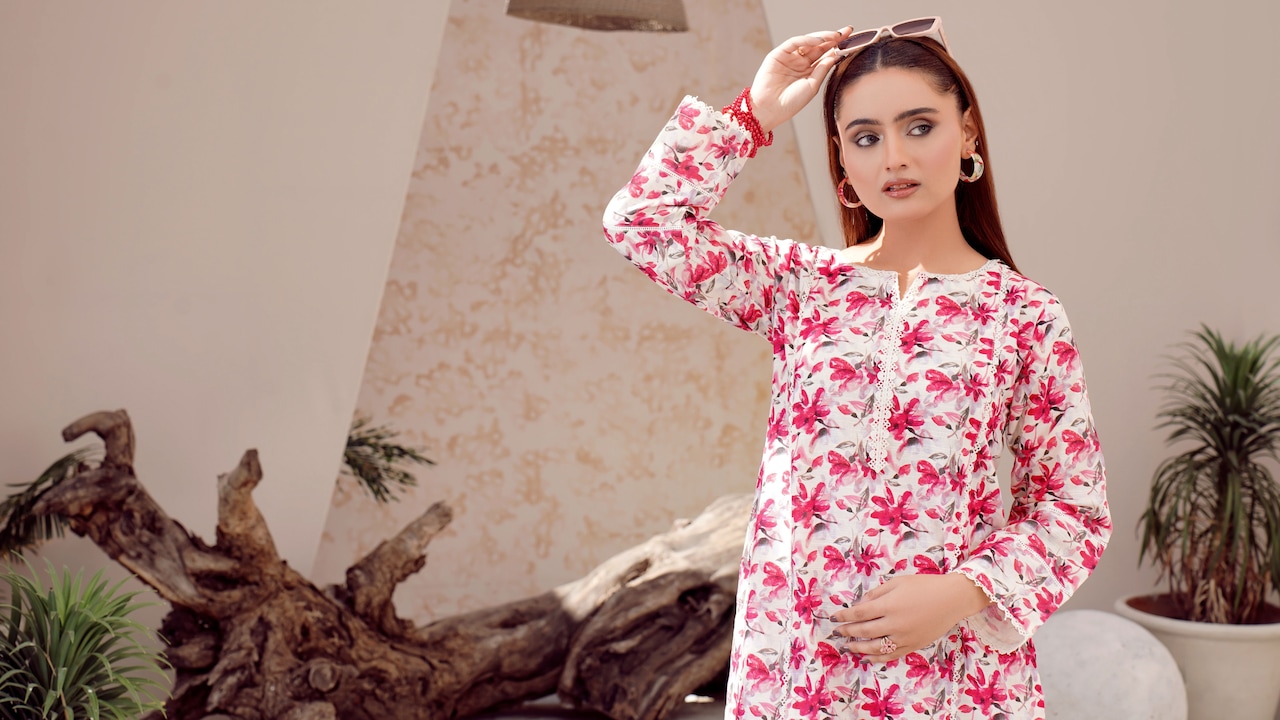
Tunics with button plackets, narrow embroidery panels, pinstripes, long seams or vertical prints naturally create this effect. Open necklines can contribute too, especially V-necks and split necks.
You can continue the vertical line through the rest of the outfit. Similar shades on the top and bottom create continuity, while trousers without bulky pockets or strong horizontal detailing keep the silhouette visually clean.
Long necklaces can work with simpler tunics, although they aren't essential. When the garment already features embroidery around the neckline, adding another decorative line can make things feel crowded.
The same principle applies to jackets and shrugs. If layering becomes necessary, an open-front layer creates two strong vertical edges down the torso.
None of this means horizontal stripes must disappear from the wardrobe. Styling isn't geometry homework.
However, when a particularly loose tunic feels wider than expected, vertical details provide an easy correction. They give the outfit direction and stop the eye from focusing entirely on its width.
How To Style Loose Tunics Without Making Your Outfit Look Oversized; Photo Credit: Pexels
7. Keep Your Footwear Visually Light
Shoes sit far away from the tunic, yet they can dramatically affect how heavy the entire outfit feels.
A roomy tunic combined with bulky trousers and chunky footwear can create visual weight from top to bottom. Sometimes that's exactly the street-style effect someone wants. For an everyday outfit that feels lighter, however, sleeker footwear often works better.
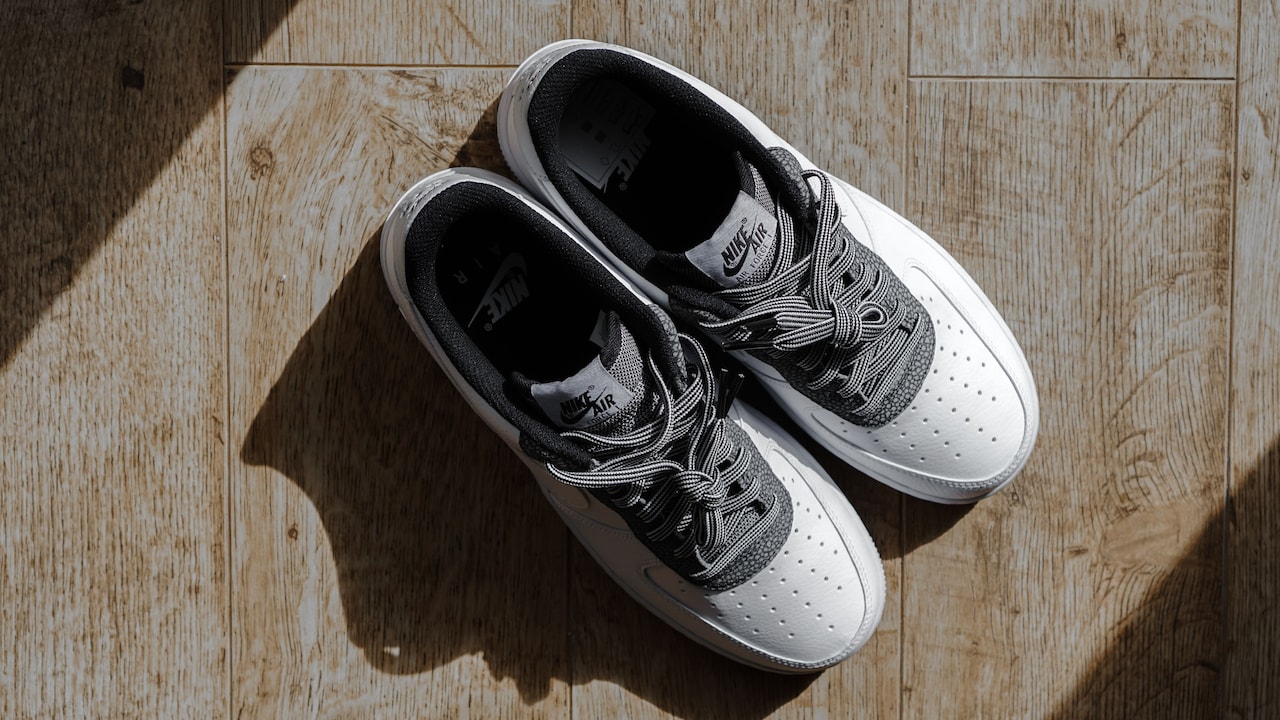
Pointed flats, streamlined loafers, simple sandals, juttis or clean low-profile trainers can complement loose tunics without competing with them.
Showing some ankle also creates useful separation between trousers and shoes. Cropped straight trousers paired with flats, for example, introduce a small patch of skin that breaks up the fabric.
Colour matters less than proportion. Dark shoes can still look light if the silhouette stays neat, while pale footwear can look heavy if the sole is extremely thick.
Consider the occasion too. A casual cotton tunic may pair naturally with trainers, while an embroidered tunic can work beautifully with elegant flats.
Footwear shouldn't fight the relaxed nature of the tunic. It should finish the outfit without making everything below the waist feel heavier.
8. Define Shape With Seaming Instead Of Tight Belts
The obvious solution to a loose garment often seems to be adding a belt. It works sometimes, but it isn't the only way to create shape.
In fact, tightly belting a very roomy tunic can produce piles of fabric above and below the waist. That can look fussier than leaving it alone.
Instead, look for tunics with subtle shaping built into the construction. Princess seams, panelled designs, gentle gathers, curved side seams and slightly narrower cuts around the shoulders can create definition while preserving comfort.
A tie-back design can also work because it gathers some fabric without visually cutting the outfit in half from the front.
When a belt does suit the tunic, keep the styling relaxed. A slim belt placed loosely at the natural waist may feel more proportionate than a wide statement belt.
Fabric matters here as well. Fluid rayon, viscose and soft cotton blends tend to respond better to waist definition than thick, stiff materials.
The broader lesson is useful beyond tunics: shape doesn't always require tightness. Strategic construction can suggest the body's proportions while leaving plenty of breathing room.
9. Avoid Combining Too Many Oversized Layers
A loose tunic can sit comfortably beneath another layer, but stacking several generous silhouettes requires careful proportion.
Imagine a roomy tunic, oversized shrug, wide trousers and large tote all competing for space. Individually, each piece may look wonderful. Together, they can make the person wearing them disappear somewhere inside the outfit.
Choose one dominant loose layer and keep the others relatively controlled.
A long tunic, for instance, can work with a shorter structured jacket. A roomy cropped tunic may pair better with a longer open-front shrug. The difference in lengths gives each garment its own visual space.
During cooler months, sleeveless longline jackets can also provide definition without adding excessive bulk around the arms.
If both the tunic and outer layer are printed, the combination becomes even harder to balance. Keeping one piece relatively simple lets the silhouette breathe.
The same thinking applies to accessories. An enormous scarf wrapped several times around the neck may overwhelm a wide tunic, whereas a lighter stole falling vertically can complement it beautifully.
Layering should add dimension, not create fabric traffic.
10. Use Colour And Print To Control Visual Volume
Colour can't physically change the width of a tunic, but it can change where attention lands.
A monochromatic or tonal outfit often makes a loose silhouette feel more cohesive. Pairing a sage tunic with deeper olive trousers, for example, allows the eye to move smoothly through the outfit rather than stopping abruptly between contrasting blocks.
That doesn't mean dark colours are compulsory. Cream, powder blue, rust, coral and other lighter shades can look just as streamlined when the overall proportions work.
Print scale matters too. Large, widely spaced motifs can emphasise the surface area of a very roomy tunic, while smaller or vertically arranged patterns often feel more contained.
Placement prints offer another clever option. Embroidery concentrated near the neckline or running vertically down the centre draws attention towards specific areas instead of spreading detail across the entire garment.
If the tunic already has a bold print, solid-coloured bottoms usually give it enough space to shine.
There's no reason to dress entirely in neutrals just to avoid looking oversized. Colour should still be enjoyable.
Think of it as directing attention rather than hiding anything. The right colour and print balance lets the relaxed silhouette look deliberate rather than overwhelming.
Products Related To This Article
1. Soch Women Mandarin Collar Embroidered Cotton Tunic
2. KALINI Women Embroidered Ethnic Tunic
3. KALINI Women Embroidered Ethnic Tunic
4. Sangria Printed Ethnic Tunic
5. Janasya Women Mustard Pure Cotton Floral Printed Flared Collar Tunic
6. AKKRITI BY PANTALOONS Modal Mandarin Collar Printed Tunic
7. RANGMANCH BY PANTALOONS Mandarin Collar Embroidered Tunic
Loose tunics don't need complicated styling tricks to look polished. A few decisions about proportion can make the biggest difference. Straighter trousers, visible wrists, thoughtful hemlines, cleaner footwear, and defined shoulders can give a relaxed garment all the structure it needs. Most importantly, resist the urge to fix every loose ethnic tunic by tightening it. Comfort and shape aren't opposites. An outfit can feel breezy, forgiving, and easy while still looking considered. Once the proportions fall into place, the tunic stops looking oversized and starts looking exactly as intended: relaxed.
(Disclaimer: This article may include references to or features of products and services made available through affiliate marketing campaigns. NDTV Convergence Limited (“NDTV”) strives to maintain editorial independence while participating in such campaigns. NDTV does not assume responsibility for the performance or claims of any featured products or services.)