Swimwear For Men Care Tips To Prevent Fading, Stretching And Chlorine Damage
Protect men’s swimwear from fading, stretching and chlorine damage with simple washing, drying and storage habits that preserve colour, shape and comfort for longer.

Swimwear For Men Care Tips To Prevent Fading, Stretching And Chlorine Damage
Good swimwear works hard. It faces chlorinated pools, salty sea water, scorching sunlight, sunscreen, sweat and the occasional scrape against a rough poolside bench. Yet many people treat swimming trunks like an ordinary T-shirt. They toss them into a laundry basket, wash them with heavy clothes and wonder why the fabric soon looks tired. Quality swimwear for men does not always come cheap. A well-fitted pair may cost anywhere from ₹800 to several thousand rupees, depending on the fabric, design and brand. Proper care protects that investment and saves the frustration of replacing stretched or faded trunks every few months.

Swimwear For Men Care Tips To Prevent Fading, Stretching And Chlorine Damage
Photo Credit: Pexels
The good news feels almost too simple. Swimwear does not need expensive cleaners, complicated equipment or a lengthy Sunday ritual. A few small habits can extend its life considerably. From rinsing it promptly to choosing the right drying spot, every step matters. These ten practical tips will help protect colour, elasticity and fabric strength without turning laundry day into an Olympic event.
Essential Care Tips To Keep Men's Swimwear Looking New
Rinse Swimwear Immediately After Every Use
The most useful swimwear habit begins before the fabric has time to dry. Rinse swimming trunks under cool, clean water as soon as possible after leaving the pool or sea. This quick step removes much of the chlorine, salt, sweat, sand and sunscreen sitting between the fibres.
Chlorine continues reacting with fabric even after a swim ends. Salt also dries into tiny crystals that rub against the material and weaken it over time. A two-minute rinse prevents both from lingering. Most pools provide shower areas, which makes the routine easy. Even a quick rinse under a tap offers better protection than leaving damp trunks in a bag for hours.
Avoid very hot water. Heat can loosen elastic fibres and encourage colours to fade. Gently squeeze the garment while rinsing rather than twisting it like a wet towel. At the beach, shake out loose sand before adding water. Sand has a talent for hiding in linings and seams, much like crumbs in a cinema seat. Removing it early protects the fabric and makes washing easier later.
Wash By Hand With A Gentle Cleanser
Hand washing gives swimwear a much kinder clean than a regular machine cycle. Fill a basin with cool or lukewarm water and add a small amount of mild liquid detergent. Choose a formula without bleach, strong fragrance or harsh stain-removing chemicals.
Let the swimwear soak for around ten minutes. Move it gently through the water, paying attention to the waistband, inner lining and areas that collect sunscreen. Do not scrub the fabric with a brush. Aggressive rubbing can roughen the surface, damage printed designs and weaken stretch fibres.
Rinse thoroughly until the water runs clear and no slippery detergent remains. Too much soap can cling to synthetic material and cause stiffness. It may also irritate the skin during the next swim.
A mild cleanser usually costs very little compared with replacing damaged trunks. There is no need to pour in half the bottle for “extra freshness”. Swimwear is small, and a teaspoon often does the job. Gentle cleaning protects both appearance and comfort, helping the fabric keep its smooth texture through many pool visits.
Avoid Washing Machines Whenever Possible
A washing machine offers convenience, but its spinning, tumbling and rubbing can punish delicate swimwear. Elastic fibres dislike strong agitation. Waistbands may loosen, drawstrings may twist, and mesh linings may snag against zips, hooks or rough clothing.
Hand washing remains the safest option. When a machine wash becomes unavoidable, place the swimwear inside a mesh laundry bag. Choose a delicate cycle with cold water and a low spin speed. Wash it separately from jeans, towels, jackets and clothes with metal fastenings. Heavy garments create friction, while zips can catch the fabric.
Never use a top-loading machine with a strong central agitator unless the manufacturer specifically allows it. That vigorous movement may stretch the garment out of shape.
Check the care label before making any decision. Some modern swimwear can handle gentle machine washing, but “machine washable” does not mean “indestructible”. Treat it like a favourite shirt rather than a gym towel. A few extra minutes of hand washing can add months to its useful life and preserve the fit that made it worth buying.
Also Read: Top 5 Swimming Must Haves Every Parent Should Pack Before Taking Kids To The Pool
Keep Bleach And Fabric Softener Away
Bleach may brighten white shirts, but it can quickly ruin swimwear. It attacks colour, weakens synthetic fibres and damages the elastane that gives swimming trunks their stretch. Even diluted bleach can create pale patches that no clever styling can hide.
Fabric softener causes a different problem. It coats fibres with a thin residue designed to make ordinary clothes feel smooth. On swimwear, that coating can affect breathability, water resistance and elasticity. It may also trap body oils and sunscreen, leaving the fabric with an unpleasant smell.
Use only a mild detergent made for delicate garments. For stubborn odours, rinse the swimwear thoroughly and soak it briefly in fresh water with a small amount of gentle cleanser. Avoid experimenting with strong household chemicals. A viral cleaning hack may look impressive on a phone screen, but ruined trunks rarely make good content.
Products containing optical brighteners, stain removers or heavy perfume also deserve caution. Simple formulas usually work best. Swimwear needs cleaning, not a chemistry lesson. Keeping harsh products out of the wash protects colour, shape and skin comfort at the same time.
Never Wring Or Twist Wet Swimwear
Wet swimwear feels strong, but its fibres become vulnerable when saturated. Twisting the garment to remove water places heavy pressure on the waistband, seams and elastic strands. Repeated wringing can leave trunks stretched, misshapen or uneven around the legs.
After rinsing, hold the garment over the basin and press it gently between the palms. Next, lay it flat on a clean towel. Roll the towel with the swimwear inside and apply light pressure. The towel absorbs excess moisture without forcing the fabric out of shape.
Avoid squeezing one section too hard, particularly around padded panels, linings or decorative details. Give the garment a small shake after towel drying and smooth it back into its natural form.
This method takes only a minute, yet it protects the fit that matters most. Loose waistbands and sagging fabric can turn a confident walk to the pool into a constant battle with the drawstring. Gentle water removal prevents that drama. Good swimwear should support movement, not create a new sport called “adjusting trunks every thirty seconds”.
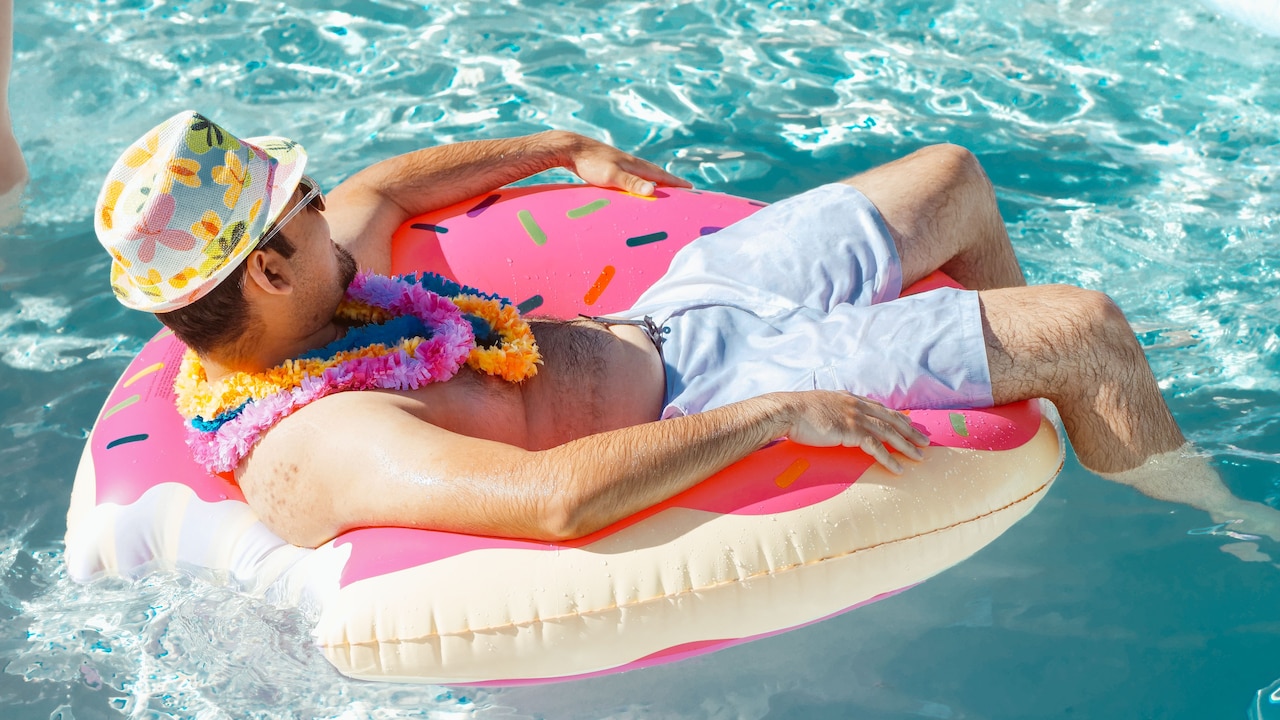
Dry Flat And Away From Direct Sunlight
Strong sunlight dries swimwear quickly, but it also speeds up fading. Ultraviolet rays break down dyes and weaken elastic fibres, especially when the garment remains exposed for several hours. Dark colours may turn dull, while bright prints can lose their sharpness.
Dry swimwear flat in a shaded, well-ventilated place. Place it on a clean towel or drying rack and reshape the waistband and leg openings. Avoid hanging it by one side, as the weight of the wet fabric may stretch the garment unevenly. Pegs can also leave marks or strain delicate areas.
Never use a tumble dryer. High heat damages elastane and can shrink or distort synthetic blends. Radiators, heated rails and hot balconies create similar risks.
During humid monsoon weather, choose a room with moving air or place the rack near a fan. Do not hide wet trunks in a closed bathroom and hope for the best. Slow drying encourages musty smells and bacterial growth. Shade, airflow and patience protect the fabric far better than harsh heat, even when the next swim feels only a few hours away.
Swimwear For Men Care Tips To Prevent Fading, Stretching And Chlorine Damage
Photo Credit: Pexels
Rotate Between More Than One Pair
Wearing the same swimming trunks every day gives the fabric little time to recover. Elastic fibres need rest after exposure to water, chlorine and stretching. A second pair allows each garment to dry fully and regain its shape before the next session.
Regular swimmers benefit most from rotation. Two or three pairs can prevent one favourite from carrying the entire workload. This approach also helps during holidays, when damp swimwear often ends up inside bags between beach visits. A spare pair means nobody has to wear cold, half-dry trunks at breakfast—a sensation that can spoil even excellent masala dosa.
Rotation does not require a wardrobe full of expensive options. One pair for frequent pool sessions and another for holidays or casual use may work perfectly. It also helps separate high-chlorine use from beach use.
Allow at least a full day of drying whenever possible. Check that the lining, waistband and inner seams feel completely dry before wearing or storing the garment. Resting swimwear may sound slightly indulgent, but elasticity lasts longer when the fibres receive time to settle.
Protect Fabric From Rough Surfaces
Pool edges, stone steps, concrete benches and textured tiles can scrape swimwear without causing immediate tears. The damage often appears later as pilling, thin patches or fuzzy areas across the seat. Repeated friction eventually weakens the fabric and affects its appearance.
Place a towel underneath before sitting on a rough surface. This small barrier protects the most vulnerable part of the garment. Take extra care around water parks, where slides, artificial rocks and poolside flooring create constant friction.
Avoid dragging along the pool edge while getting out of the water. Use steps or push up with the hands rather than sliding the fabric across tiles. At the beach, watch for coarse sand, wooden loungers and rocky areas.
Children may treat every ledge as an adventure course, but adults can usually spare their trunks the same fate. A ₹20 rented towel can protect swimwear worth ₹2,000. That calculation makes sense even before comfort enters the picture. Preventing abrasion keeps the surface smooth, preserves printed patterns and reduces the chance of embarrassing fabric thinning in precisely the wrong place.
Apply Sunscreen Before Putting Swimwear On
Sunscreen protects skin, but some formulas can stain or discolour swimwear. Oils, minerals and chemical filters may leave yellow marks, particularly on pale fabrics. They can also build up around waistbands and leg openings.
Apply sunscreen at least fifteen minutes before putting on swimwear. This gives the product time to absorb and reduces transfer. When reapplying, use controlled amounts and avoid rubbing excess lotion directly into the fabric. Wash hands before adjusting the waistband or handling light-coloured panels.
Choose water-resistant sunscreen that suits the skin, but remember that “water-resistant” does not mean “fabric-friendly”. Rinse swimwear soon after use to prevent oily residue from settling into the fibres.
For existing marks, use mild detergent and cool water. Dab gently rather than scrubbing. Hot water may set oily stains and make them harder to remove. Never attack the mark with bleach.
A little planning protects both skin and swimwear. Sunscreen should leave behind memories of a sunny day, not mysterious orange patches that resemble a failed mango pickle experiment.
Store Swimwear Clean, Dry And Unfolded
Storage often receives less attention than washing, yet poor storage can undo careful maintenance. Never place damp swimwear in a drawer, suitcase or plastic bag. Trapped moisture encourages mildew, unpleasant odours and fabric deterioration.
Make sure the garment feels completely dry, including the lining and waistband. Fold it loosely or lay it flat in a drawer. Avoid placing heavy clothes on top, as constant pressure may crease padded areas or distort the shape. Keep swimwear away from direct sunlight, humid corners and strong heat.
During travel, carry a breathable cloth pouch for dry swimwear and a separate waterproof pouch for temporary storage after swimming. Remove wet items as soon as possible after returning to the room. A sealed bag works for the journey from pool to hotel, not for an overnight stay.
Do not leave swimming trunks inside the boot of a parked car. Temperatures rise quickly, and heat can damage elastic fibres. Clean, dry and relaxed storage keeps the garment ready for its next outing. Swimwear deserves better than spending three months crushed beneath winter blankets.
Swimwear For Men Care Tips To Prevent Fading, Stretching And Chlorine Damage
Photo Credit: Pexels
Products Related To This Article
1. Raxedo Round Neck Short Sleeves Swim Set
2. Decathlon Men Black UV-Protection Surfing T-Shirt
3. Aqua Holic Round Neck Swimwear Set
4. Keepfit UPF 40+ Sun Protection Antibacterial Full-Body Legsuits
5. Little Surprise Box Full Length Printed Swimwear In Upf 50+ Fabric With Free Washbag
6. VECTOR X Men Abstract Printed V-Neck Swim Legsuit
7. Little Surprise Box Hooded Legsuit
Swimwear rarely wears out because of one dramatic mistake. Damage usually builds through small habits: skipping a rinse, twisting wet fabric, drying it in harsh sunlight or leaving it forgotten in a gym bag. Each shortcut takes a little life out of the garment.
A better routine remains simple. Rinse swimwear promptly, wash it gently, avoid harsh chemicals and let it dry naturally in the shade. Protect it from rough surfaces, sunscreen residue and excessive heat. Rotate between pairs when swimming regularly and store every garment only after it dries completely.
These habits preserve colour, elasticity and comfort without adding much effort to the day. They also reduce unnecessary spending and keep favourite trunks looking presentable for longer. After all, the best swimwear for men should survive more than a handful of pool sessions and one enthusiastic beach holiday.
Treat it with care, and it will continue to fit well, feel comfortable and look fresh each time the water calls.
(Disclaimer: This article may include references to or features of products and services made available through affiliate marketing campaigns. NDTV Convergence Limited (“NDTV”) strives to maintain editorial independence while participating in such campaigns. NDTV does not assume responsibility for the performance or claims of any featured products or services.)