How To Choose floor-length Dresses For Petite, Curvy And Tall Body Types
Learn how to choose flattering floor-length dresses for petite, curvy and tall body types by focusing on the right fit, fabric, neckline, waistline, colour and overall silhouette.
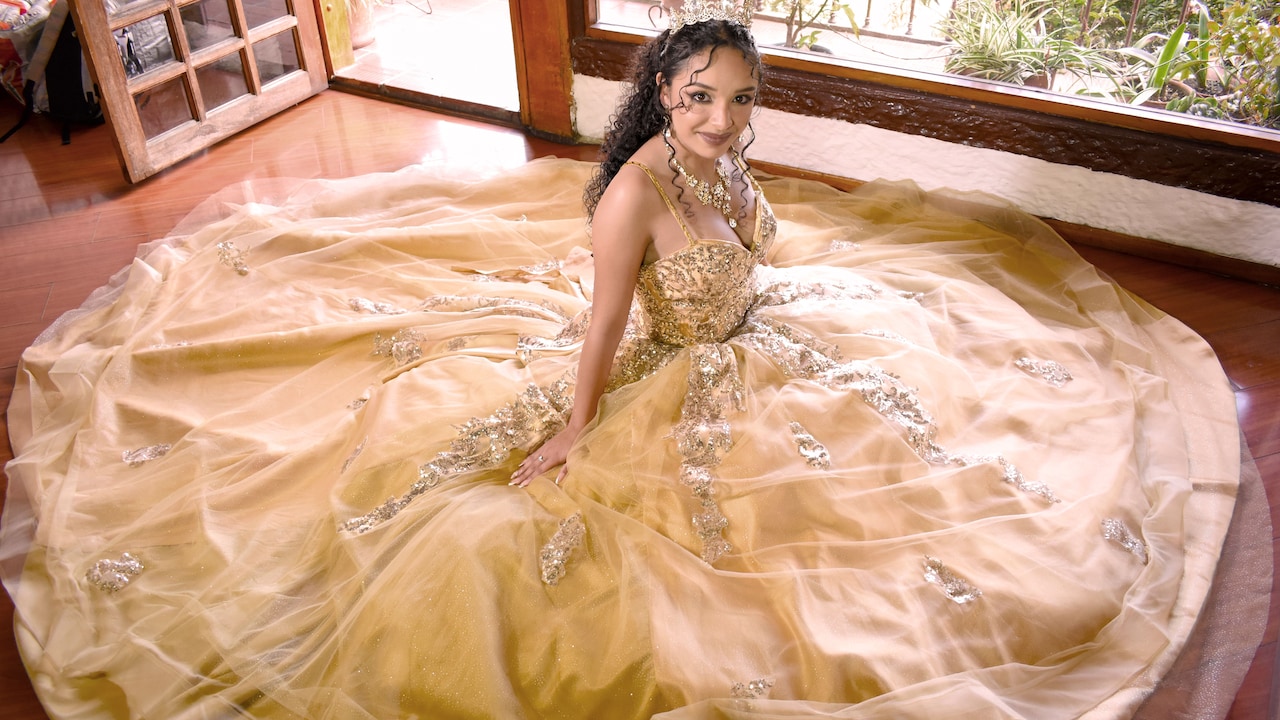
Expert tips to choose a floor length dress based on your body type
A floor-length dress carries a certain magic. It swishes when you walk, adds instant polish and can rescue those familiar “nothing to wear” moments before a wedding, festive dinner or evening celebration. Yet the same dress that looks dreamy on a mannequin may feel completely different in the trial room. The secret does not lie in chasing an imaginary perfect figure. It lies in understanding proportion. A hem that overwhelms a petite frame, a waistline that hides natural curves or a skirt that ends awkwardly on a tall body can change the whole look. Small design choices matter more than clothing size.
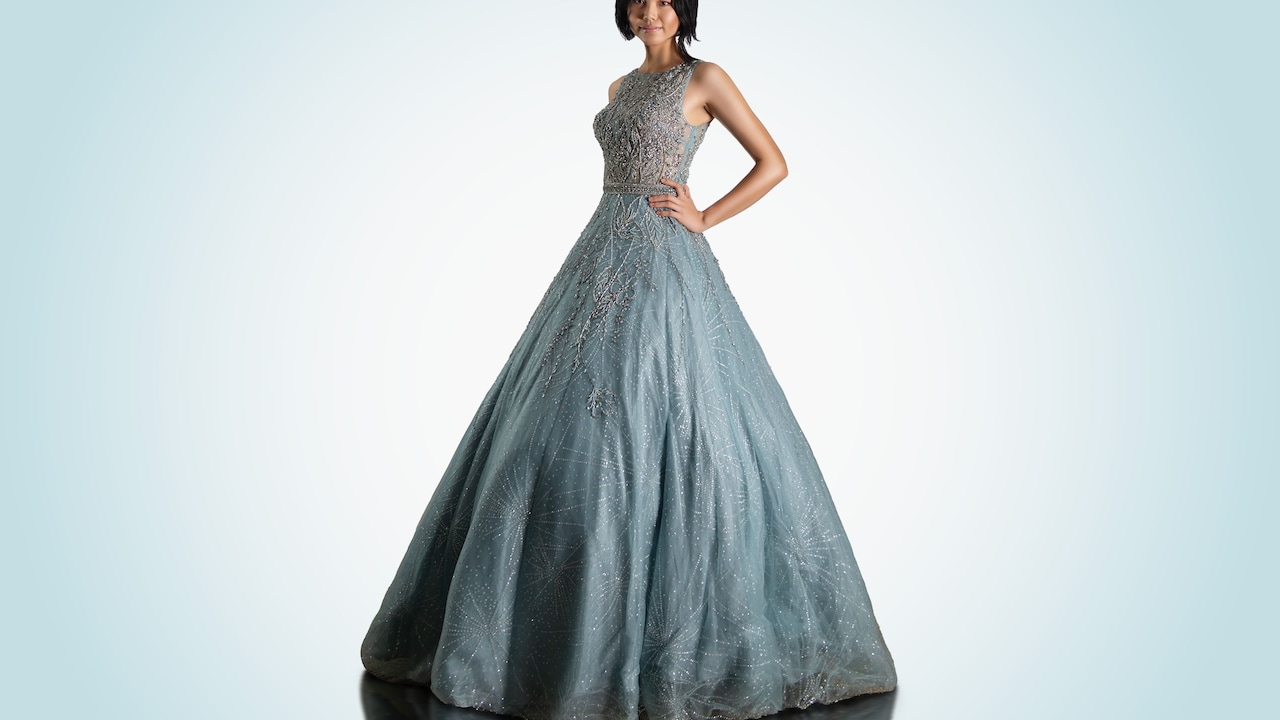
How to choose floor length dress based on body type
Photo Credit: Pexels
Fashion rules often sound strict, but style should never feel like a school examination. Think of these suggestions as friendly guidance rather than commandments. The best floor-length dress should allow comfortable movement, highlight favourite features and create the mood you want. Whether the occasion calls for understated elegance or full filmi drama, the right silhouette can make getting dressed feel less stressful and far more joyful.
Also Read: 10 Best Maxi Dress Cuts For Every Body Type
Find The Floor Length Dress That Flatters Your Body Type
Understand Your Body Proportions Before Shopping
Body type is not simply about height or dress size. Two women of the same height may have completely different proportions. One may have a longer torso, while the other may carry more length through the legs. Shoulder width, bust shape, waist definition and hip structure also influence how a floor-length dress sits.
Before shopping, notice where ready-made dresses usually fit well and where they tend to misbehave. Does the waist seam sit too low? Do sleeves end early? Does extra fabric gather around the hips? These clues reveal more than a generic size chart.
Petite women often benefit from clean vertical lines that create a sense of length. Curvy figures may prefer shapes that define the waist without clinging everywhere. Taller women can carry volume and bold details beautifully, but they need enough length to avoid an accidental ankle-grazing finish.
A quick mirror check can help. Wear fitted clothes and observe the natural line of the shoulders, waist and hips. This small step prevents impulse purchases and makes online shopping less of a guessing game. Measurements may not sound glamorous, but neither does paying ₹3,500 for a dress that spends its life inside a cupboard.
Choose The Right Length For Your Height
A floor-length dress should skim the ground rather than sweep the entire venue. The ideal hem usually sits just above the floor when worn with the chosen footwear. This allows easy movement and prevents the fabric from collecting dust, flower petals and, at outdoor functions, half the lawn.
Petite women should avoid excessive pooling around the feet. Extra fabric can make the frame appear shorter and create a heavy finish. A neat hem paired with heels or pointed flats gives a cleaner line. Dresses with a slightly raised front hem can also feel practical without losing elegance.
Curvy women should check the length from every angle. A fuller bust or hip may lift the front or sides of the dress, making an otherwise correct hem appear uneven. Always walk, sit and turn during a fitting.
Tall women need true floor-length styles rather than standard maxi dresses marketed loosely under the same label. Look for brands offering tall ranges, extended lengths or custom alterations. A dress that ends several centimetres above the ground may still look lovely, but it will not create the same sweeping effect. When in doubt, buy slightly longer and visit a skilled tailor.
Use Waist Placement To Create Balance
The position of the waistline can transform a floor-length dress. Even a difference of a few centimetres may change how long the torso or legs appear. This detail deserves as much attention as colour, embroidery or sleeve style.
Petite women often look taller in dresses with an empire waist or a waist seam placed slightly above the natural waist. This design visually lengthens the lower body. However, an empire line that sits directly under a fuller bust may create unwanted volume, so the fabric should fall smoothly rather than puff outward.
Curvy women can highlight their shape with a clearly defined natural waist. Wrap dresses, belted styles and structured waist panels create definition without squeezing. A waistband that cuts across the widest part of the stomach may feel uncomfortable and visually interrupt the silhouette.
Tall women have room to experiment. Dropped waists can look striking, while broad belts and corset-inspired panels add structure. Still, the waist seam must match the body rather than sit wherever the manufacturer decided. When the placement feels wrong, the whole dress can appear borrowed. The best fit should frame the body, not force it into a new map.
Pick Necklines That Complement Your Frame
Necklines direct attention towards the face and shape the upper half of a dress. They can lengthen the neck, soften broad shoulders, balance a fuller bust or add volume to a smaller upper body.
Petite women often benefit from open necklines such as V-necks, sweetheart shapes and soft square cuts. These styles create vertical space and prevent the dress from looking too covered. Very high necklines paired with long sleeves may overwhelm a smaller frame, especially when the fabric includes heavy embellishment.
Curvy women should look for supportive necklines that feel secure without appearing restrictive. A well-cut V-neck can flatter a fuller bust, while a scoop or square neckline offers balance. Deep cuts may require constant adjustment, which quickly ruins the fun of dancing at a sangeet. Comfort deserves a place beside glamour.
Tall women can carry dramatic necklines with ease. Boat necks, halter styles, high collars and asymmetric cuts often suit longer frames. Those with broad shoulders may prefer softer necklines rather than sharply horizontal ones.
The right neckline should also work with jewellery. A statement choker needs breathing room, while a pendant pairs naturally with a V-neck. Choose the dress and accessories as a team, not as strangers introduced five minutes before leaving home.
Select Fabrics That Fall Beautifully
Fabric decides whether a dress floats, clings, stands stiffly or collapses by the end of the evening. The right material can flatter proportions, while the wrong one may add bulk in places where nobody requested it.
Petite women usually look elegant in lightweight fabrics such as chiffon, georgette, crepe and soft satin. These materials create movement without overwhelming the frame. Very thick brocade or layers of net can still work, but the cut should remain streamlined.
Curvy women may prefer fabrics with gentle structure. Crepe, jersey blends, velvet and lined georgette can follow the body without gripping every curve. Extremely thin, shiny material often highlights undergarment lines and may feel unforgiving under bright banquet lighting. A proper lining makes an enormous difference.
Tall women can experiment with both fluid and substantial fabrics. Organza, jacquard, taffeta and layered tulle can create memorable volume, while sleek satin produces a statuesque effect.
Always test the fabric in motion. Take a few steps, sit down and raise the arms. Some dresses look magnificent while standing still but behave like stubborn curtains once movement begins. Elegance should survive beyond the mirror selfie.
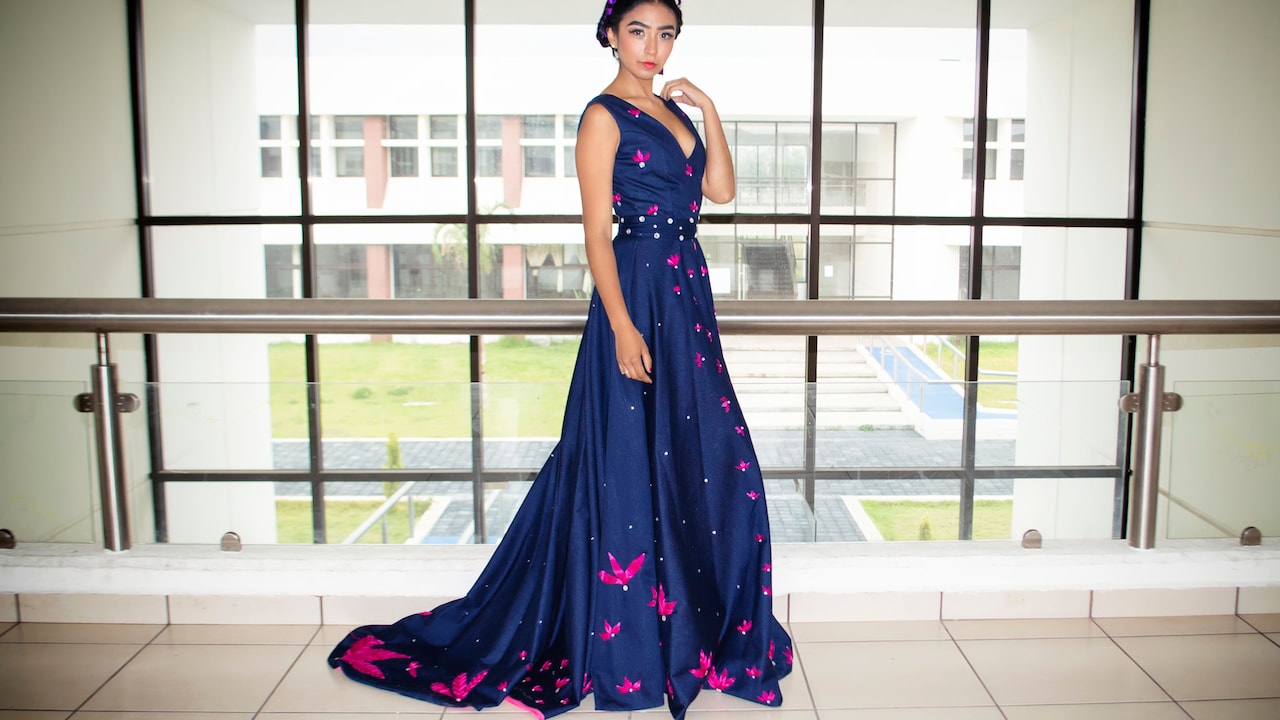
Select fabrics like chiffon and georgette that flow beautifully with every step
Photo Credit: Pexels
Let Prints And Embellishments Work Strategically
Prints, embroidery and surface details can guide the eye across a dress. Their scale and placement affect how tall, broad or balanced the body appears.
Petite women often suit smaller prints, delicate embroidery and vertical motifs. Large floral patterns may dominate a shorter frame, although clever placement can still make them work. Embellishment concentrated around the neckline or waist draws attention without creating visual clutter. Too many borders, panels and contrasting sections may break the body into smaller blocks.
Curvy women can use strategically placed details to highlight favourite areas. Vertical embroidery, side panels and evenly distributed prints create a smooth visual flow. Heavy work placed only across the bust or hips may add unnecessary emphasis. Dark side panels combined with a lighter centre can create definition without relying on shapewear.
Tall women can carry bold prints, wide borders and oversized motifs beautifully. Large-scale florals, colour blocking and dramatic embroidery often look proportionate on a longer frame. However, balance still matters. A heavily embellished dress needs simpler accessories unless the goal involves arriving like a royal wedding procession.
The most flattering design does not hide the body. It creates rhythm, leads the eye naturally and gives the dress a sense of purpose.
Find Sleeves That Support The Overall Shape
Sleeves affect more than arm coverage. They influence shoulder width, upper-body balance and the overall mood of a floor-length dress.
Petite women may find that cap sleeves, sleeveless cuts and fitted three-quarter sleeves keep the frame open and uncluttered. Oversized puff sleeves can look charming, but they should not compete with a full skirt. A little volume works; enough fabric to host a family gathering does not.
Curvy women often appreciate sleeves with structure and ease. Flutter sleeves, elbow-length designs and soft bell sleeves can skim the arms without gripping. Tight sleeves may restrict movement and create pulling across the bust or back. Always check the armhole, especially when buying embroidered or non-stretch styles.
Tall women can make a statement with long bishop sleeves, dramatic cuffs or sculptural shoulders. Their proportions often support more fabric, although the sleeve length must reach the wrist properly. A sleeve that stops unexpectedly can make even an expensive dress look poorly fitted.
Consider the weather and venue too. Full sleeves in heavy velvet may look regal during a winter reception in Jaipur, but the same outfit at a humid seaside function could become a personal endurance test.
Use Colour To Shape The Look
Colour influences mood, presence and proportion. Dark shades often create a streamlined effect, while lighter and brighter tones draw attention. Yet flattering colour choices go far beyond the usual advice to wear black.
Petite women can create an uninterrupted vertical line with monochromatic dresses. One colour from shoulder to hem makes the body appear longer. Jewel tones such as emerald, ruby, deep teal and wine offer richness without relying on heavy decoration. Contrasting borders should remain narrow if height is the main concern.
Curvy women can choose saturated shades that hold their visual strength. Navy, plum, rust, forest green and chocolate brown can look sophisticated, while vibrant pinks, oranges and blues bring joyful energy. Colour blocking works best when the sections follow the body's natural lines.
Tall women have the freedom to play with contrast. Two-tone dresses, broad borders and horizontal colour changes can break up length attractively. Pastels and bold shades both work, depending on skin undertone and occasion.
Most importantly, choose a colour that brightens the face. A supposedly “slimming” shade offers little value when it makes the complexion look tired. Confidence rarely arrives from disappearing into the background.
Check Fit Through The Bust, Hips And Shoulders
A floor-length dress should fit the widest part of the body first. Tailors can take in extra fabric more easily than they can create space where none exists. This principle becomes especially important with fitted bodices, structured fabrics and non-stretch embroidery.
Petite women may find that standard sizes fit around the bust but feel loose at the shoulders or too long through the torso. Altering shoulder seams and waist placement can make the dress look custom-made. Simply shortening the hem may not solve proportion problems higher up.
Curvy women should avoid buying a smaller size with the hope that shapewear will perform a miracle. The dress should close comfortably, sit smoothly and allow a full breath after dinner. Pulling lines across the bust or hips signal that more room is needed.
Tall women must check shoulder width, bodice length and hip placement. A dress may have enough total length yet still sit incorrectly because the waist seam lands too high.
During a trial, sit on a chair, bend slightly and lift both arms. A dress that passes the standing test but fails the movement test belongs back on the rack. Real celebrations involve eating, greeting, dancing and occasionally chasing a missing earring.
Match The Silhouette To The Occasion
The most flattering dress can still feel wrong when it does not suit the event. A heavily embellished ball gown may appear excessive at an intimate dinner, while a simple cotton maxi may feel too casual for a grand reception.
Petite women can choose sleek A-line, empire and column dresses for formal occasions. These shapes create length without drowning the frame. For festive gatherings, a lightly flared skirt adds movement while keeping the upper half fitted.
Curvy women often shine in wrap, fit-and-flare, panelled and softly draped silhouettes. These styles define the body while allowing ease. Mermaid dresses can also look stunning when the fit feels comfortable around the hips and thighs.
Tall women can embrace dramatic options such as tiered skirts, full gowns, bias-cut dresses and architectural shapes. Their height supports volume, but the outfit should still match the venue.
Think about the practical details before falling in love with the dress. Will there be stairs? Is the event outdoors? Does the celebration involve hours of dancing? A ₹7,000 gown that requires two people to manage the train may provide excellent photographs but a very long evening.
Finish The Look With Smart Styling
Accessories can strengthen the flattering effect of a floor-length dress or undo it completely. Shoes, jewellery, bags and hairstyles should support the silhouette rather than compete for attention.
Petite women can extend the leg line with pointed shoes, nude tones or footwear that matches the dress. A compact clutch and delicate jewellery keep the proportions balanced. Extremely oversized bags and broad chokers may visually shorten the frame.
Curvy women can use accessories to create focus. A well-placed belt defines the waist, while longer necklaces add a vertical line. Supportive shoes matter, particularly when the dress has weight. Nothing dims festive enthusiasm faster than painful feet before the starters arrive.
Tall women can wear bold jewellery, wide belts and larger handbags without losing balance. Flats, block heels and stilettos can all work, depending on comfort and personal preference. Height never needs an apology, so heels should not feel forbidden.
Undergarments deserve equal attention. The right bra, seamless briefs or comfortable shapewear can improve the fall of the fabric. These pieces should support rather than punish. The final look works best when every element allows natural posture, easy movement and a genuine smile.
Products Related To This Article
1. Aayu Layered Georgette A-Line Maxi Dress
2. Stylum Floral Print Fit & Flare Maxi Dress
3. Sangria Floral Printed Pure Cotton A-Linei Dresses
4. SASSAFRAS BASICS T-shirt Maxi Dress
5. Selvia Women Solid Layered A-Line Wrap Maxi Dress
6. SASSAFRAS Crochet Variegated Stripes Strappy Beach Cover-up Maxi
7. Boho By Athena Floral Print A-Line Maxi Dress
Choosing a floor-length dress becomes easier once the focus shifts from hiding the body to balancing proportions. Petite women can create length through clean lines, raised waists and lighter fabrics. Curvy women can celebrate shape with supportive necklines, defined waists and fabrics that skim rather than squeeze. Tall women can explore bold prints, dramatic volume and striking details while paying close attention to true garment length.
No rule needs blind obedience. Personal style, comfort and occasion matter just as much as body type. A dress may break every traditional guideline and still look spectacular because the wearer feels completely at home in it.
The trial room offers the clearest answer. Walk around, sit down, stretch the arms and notice how the dress feels. Good fashion should not demand constant tugging, adjusting or breath-holding. It should allow laughter, dancing and that second helping of dessert.
The perfect floor-length dress does not create a different body. It frames the one already there with confidence, movement and a little well-placed drama.
(Disclaimer: This article may include references to or features of products and services made available through affiliate marketing campaigns. NDTV Convergence Limited (“NDTV”) strives to maintain editorial independence while participating in such campaigns. NDTV does not assume responsibility for the performance or claims of any featured products or services.)