How To Pack Food In An Electric Lunch Box For Office Without Making It Soggy
Keep office meals fresh, warm and appetising. Learn how to pack rotis, rice, sabzi and gravies in an electric lunch box without trapping steam or turning food soggy.
How To Pack Food In An Electric Lunch Box Without Making It Soggy
A warm lunch can rescue even the most chaotic workday. One moment, the inbox looks endless; the next, the aroma of jeera rice or aloo paratha makes the afternoon feel manageable. Electric lunch boxes make that comfort possible without depending on an office microwave or paying ₹300 for a meal that arrives lukewarm. However, electric heating creates one common problem: trapped steam. When food releases moisture inside a closed container, crisp dishes lose their texture, rotis turn chewy, and vegetables begin to resemble a watery compromise. The lunch may still taste acceptable, but it rarely feels as satisfying as it did in the morning.
How To Pack Food In An Electric Lunch Box Without Making It Soggy; Photo Credit: Pexels
Good packing solves most of these problems. The process does not need fancy equipment or complicated meal preparation. A little cooling time, smart compartment use, and careful layering can make a noticeable difference.
The following ten methods help food retain its flavour and texture during the commute and reheating process. They work for everyday meals, from dal-chawal and pulao to parathas, cutlets and sabzi.
Simple Ways To Keep Your Office Lunch Fresh And Soggy-Free
Cool The Food Before Closing The Lid
Packing steaming food may feel efficient, especially during a rushed morning, but it creates the perfect setting for sogginess. Hot food continues releasing steam after the lid closes. With nowhere to escape, that steam settles as water droplets on the lid and sides before falling back onto the meal.
Allow cooked food to cool until it stops producing visible steam. It does not need to become completely cold. Spread rice, noodles or sabzi on a wide plate for a few minutes so heat escapes faster. Keep rotis uncovered briefly before stacking them.
Morning schedules can make this step difficult, so prepare wetter dishes the night before and refrigerate them safely. In the morning, pack them straight from the fridge if the lunch box will remain chilled until heating time.
Avoid leaving cooked food at room temperature for long periods. The aim is to release excess steam, not to let lunch spend half the morning on the kitchen counter. A short cooling window reduces condensation while keeping food safe and fresh.
Also Read: 5 Best Electric Lunch Boxes Under ₹1000 For Office And Travel: Get Hot Food Every Time
Keep Wet And Dry Foods Separate
The best defence against a soggy lunch is separation. Dal beside rice may look convenient at 8 am, but by 1 pm the rice may have absorbed enough liquid to lose its texture. The same problem affects gravy with rotis, chutney with cutlets and raita with pulao.
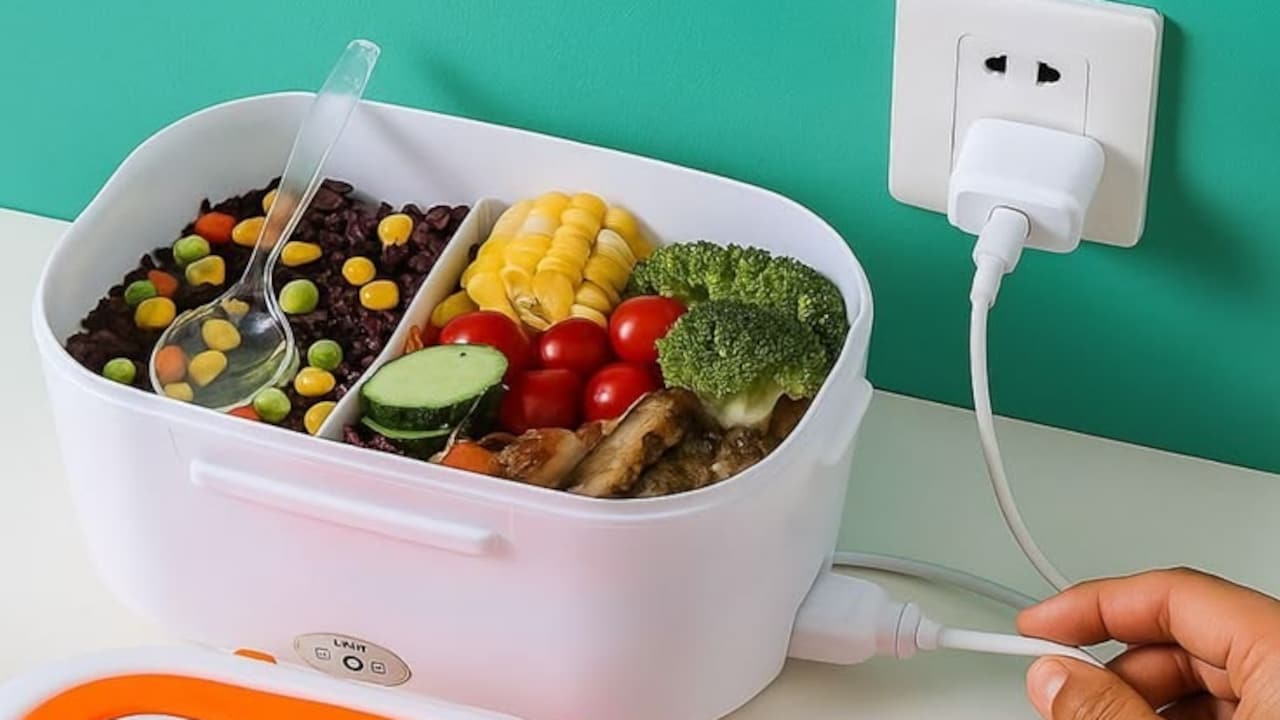
Use separate compartments for foods with different moisture levels. Place curries, dal, sambar and gravies in containers with secure lids. Keep rice, rotis, parathas and fried items in dry sections. Combine them only when ready to eat.
Even thick gravies release water as they sit and warm. Treat them as wet foods regardless of how rich or creamy they appear in the morning. A paneer gravy can quietly soften everything around it during a long commute.
Small leakproof containers also help with chutneys, pickles and dressings. A spoonful of mint chutney can transform a cutlet, but it should meet the cutlet at lunchtime, not during the bus ride. Think of each component as a guest who needs personal space before the meal begins.
Use The Right Compartment For Each Dish
Electric lunch boxes often include containers of different sizes and depths. Choosing the right one for each dish prevents uneven heating and unnecessary moisture build-up.
Use deeper compartments for dal, curry and foods with gravy. These containers reduce the chance of spills and give liquids room to expand slightly as they warm. Shallow compartments suit rice, poha, noodles and sautéed vegetables because they allow heat to spread more evenly.
Place foods that need stronger heating closer to the main heating surface, according to the appliance instructions. Lighter items, such as rotis or bread, may need less direct heat. Overheating them can make them tough rather than pleasantly warm.
Do not fill every compartment to the rim. A tightly packed container heats unevenly and may push food against the lid, where condensation collects. Leave a little space at the top.
Before buying an electric lunch box, check whether the inner containers have individual lids. A model may cost a little more, perhaps ₹200 or ₹400 extra, but separate sealed sections often make a major difference to texture and convenience.
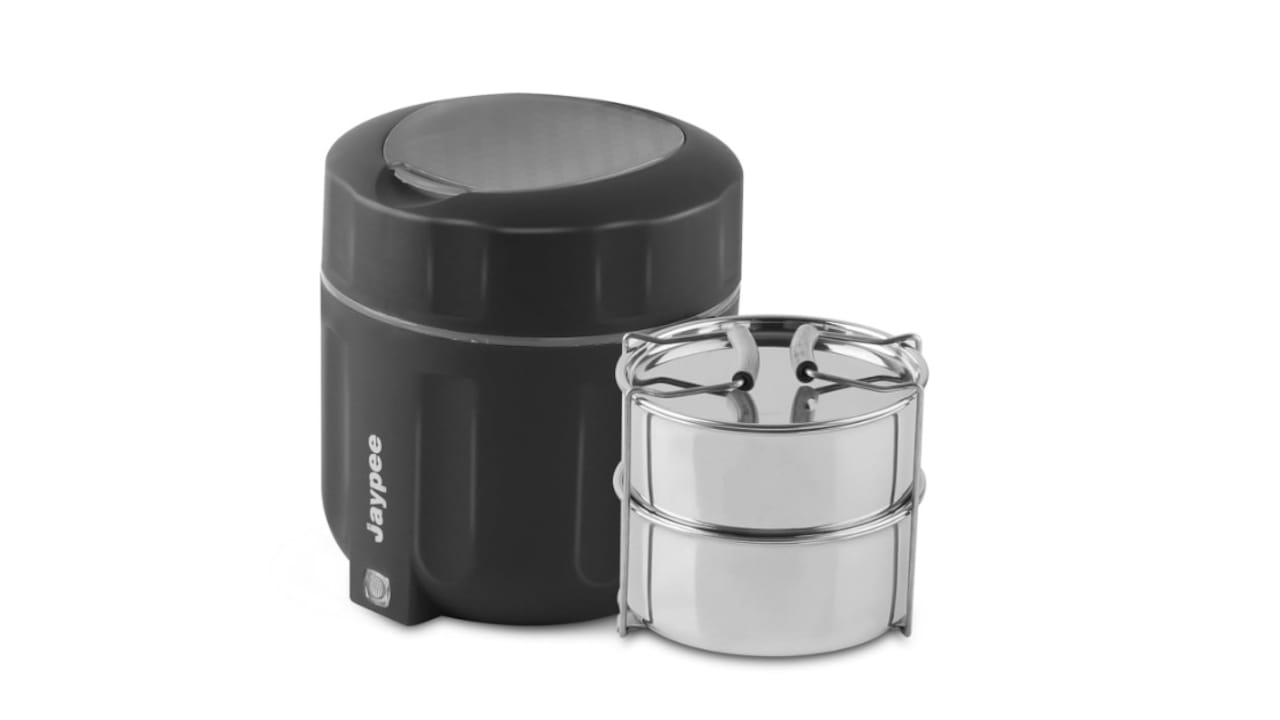
How To Pack Food In An Electric Lunch Box Without Making It Soggy; Photo Credit: Amazon
Pack Rotis Only After They Have Rested
Fresh rotis carry more heat and moisture than they appear to. Stack them immediately after cooking, seal the container, and they may turn damp by lunchtime. Leave them uncovered for too long, and they can become dry enough to double as office stationery.
Let each roti rest for a short while after it leaves the tawa. Stack them once the visible steam disappears but while they remain soft. Place a clean cotton cloth or food-safe paper between the rotis and the container lid. The material absorbs light condensation without pulling too much moisture from the bread.
Avoid wrapping hot rotis tightly in aluminium foil. Foil traps steam and often creates a wet surface. A loose wrap works better if foil remains necessary for convenience.
A tiny brush of ghee can help rotis stay soft, though too much may make them greasy after heating. For stuffed parathas, cool them separately before stacking. Place food-safe paper between pieces to stop them from sticking.
Heat rotis for a shorter period than curry. They need warmth, not a second cooking session.
Drain Excess Oil And Water From Sabzi
A dry-looking sabzi can still release moisture while sitting in a closed lunch box. Salt draws water from vegetables, and reheating encourages even more liquid to collect at the bottom.
Cook office-friendly sabzi until excess water evaporates. Vegetables such as cabbage, mushrooms, bottle gourd and spinach need particular care because they naturally release plenty of moisture. Use a wide pan and finish cooking on a slightly higher flame while stirring. This helps the liquid reduce without turning the vegetables mushy.
Let the sabzi rest for a few minutes before packing. If water gathers at the bottom, use a slotted spoon to transfer the vegetables into the container. The same approach works for oily preparations. Excess oil can soak into rotis or rice and make the entire meal feel heavy.
Add fresh coriander only after the dish cools slightly. Herbs can darken and release moisture when trapped against hot food.
Choose firmer vegetables for days with a long commute. Beans, carrots, cauliflower, potatoes and capsicum usually hold their texture better than softer vegetables. Lunch should comfort, not arrive looking emotionally exhausted.
Layer Rice To Protect Its Texture
Rice often becomes sticky because cooks pack it while hot or press it tightly into a small container. Both habits trap steam and crush the grains.
After cooking, fluff the rice gently with a fork or flat spoon. Spread it on a plate for a few minutes so excess heat escapes. When packing, spoon it loosely into the compartment instead of pressing it down. Leave some space for the grains to expand slightly during reheating.
For plain rice, a few drops of ghee can prevent clumping and add flavour. Avoid adding too much, or the meal may feel oily by afternoon. With pulao or fried rice, ensure vegetables and sauces contain little excess water before mixing them with the grains.
Keep dal and curry in separate containers. Pour them over the rice just before eating. This preserves the texture and lets everyone control the amount of gravy.
If refrigerated rice feels dry, sprinkle a teaspoon of water over it before heating. Do not add enough to create a miniature monsoon. Electric lunch boxes warm food slowly, so a tiny amount usually restores softness without making the grains mushy.
Add Crisp Ingredients At Lunchtime
Some foods simply cannot stay crisp for hours beside warm, moist ingredients. Papad, sev, fried onions, crushed peanuts and toasted seeds quickly lose their charm inside a sealed heated box.
Pack these additions in a small dry container or reusable pouch. Add them after opening the lunch box. The contrast can make an ordinary meal feel freshly assembled rather than reheated.
This method works beautifully with poha, upma, chaat-style meals, khichdi and curd rice. Keep lemon wedges separate as well. Lemon juice brightens a dish, but adding it too early can soften ingredients and change the flavour during storage.
For salads, carry cucumber, tomato and onion away from cooked food. Salt them only before eating because salt pulls out water. A salad seasoned at breakfast may become a small swimming pool by lunch.
Crispy toppings also bring a touch of fun to the workday. That final sprinkle of sev or roasted peanuts adds sound, texture and freshness. Colleagues may suddenly appear near the desk, drawn by curiosity and the hope of “just one bite”.
Choose Thicker Gravies For Office Lunches
Thin gravies travel poorly. They leak more easily, create extra steam and quickly soak into surrounding foods. Thicker gravies offer better control and usually retain their flavour during slow reheating.
For dishes such as chole, rajma, paneer or mixed vegetable curry, reduce the gravy slightly more than usual. Mash a small portion of the beans, onions or tomatoes to thicken the sauce naturally. Ground cashews, roasted gram flour or a little cooked potato can also improve consistency.
Avoid making the curry extremely thick because reheating may dry it out. The ideal texture should coat the spoon without running like soup. A teaspoon of water can always loosen it before heating if needed.
Secure the gravy container carefully. Check the silicone seal and lid before placing it inside the lunch box. Carry the box upright in a sturdy bag rather than allowing it to perform acrobatics beside a laptop.
Thicker gravies also make lunchtime serving easier. They stay where they belong, pair neatly with rotis and reduce the risk of a turmeric-coloured surprise on a pale office shirt.
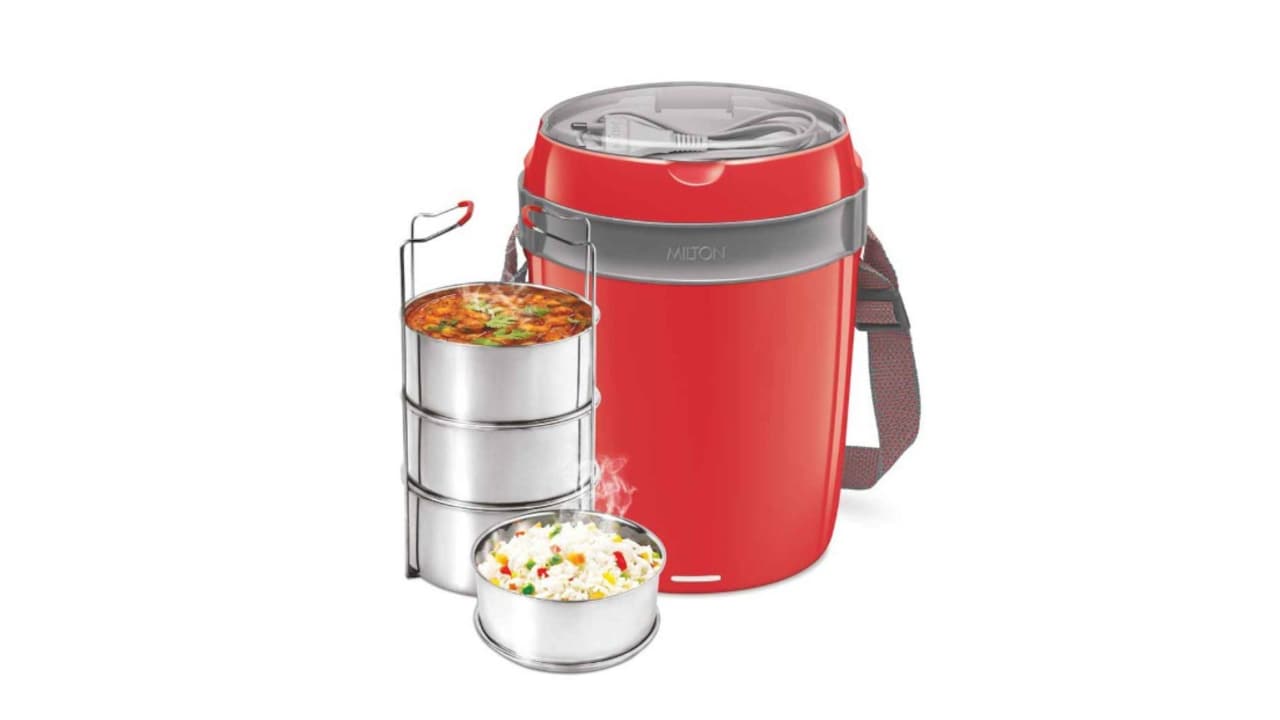
How To Pack Food In An Electric Lunch Box Without Making It Soggy; Photo Credit: Amazon
Control The Heating Time Carefully
More heating does not always produce a better lunch. Leaving an electric lunch box switched on for too long can dry rice, toughen rotis and push moisture from vegetables into the container.
Follow the manufacturer's heating guidance, but adjust it according to the food. Refrigerated dal or curry may need longer than room-temperature rotis. Dense dishes such as rajma and biryani also require more time than poha or lightly cooked vegetables.
When possible, heat wet foods first and add dry foods later. Some lunch boxes allow separate containers to be removed, making this easier. If the appliance heats everything together, keep rotis in a well-covered upper section and avoid placing them directly against the hottest surface.
Stir rice, curry or noodles halfway through heating when practical. This distributes warmth and prevents dry edges. Never open the box repeatedly, though, because heat escapes and the appliance must work longer.
Set a phone reminder so lunch does not continue heating through an unexpected meeting. A warm meal feels comforting. A paratha with the texture of a coaster feels like a personal betrayal.
Pick Dishes That Reheat Well
Smart packing helps, but the menu also matters. Some foods naturally survive storage and reheating better than others.
Choose dishes that hold their shape and flavour, such as stuffed parathas, jeera rice, vegetable pulao, rajma, chole, dry aloo sabzi, beans poriyal, paneer bhurji and thick dal. These meals tolerate gentle reheating without collapsing into a soggy mixture.
Limit foods that depend entirely on crispness, such as pakoras, dosas, puris and freshly fried snacks. They can still feature in the lunch box, but pack them separately and accept that they may not taste exactly as they did near the stove.
Avoid combining too many watery ingredients in one meal. For example, thin curry, cucumber salad and curd can create excessive moisture even when packed separately. Balance them with dry components.
Plan meals around the length of the commute and access to refrigeration. A lunch that sits for several hours needs more careful preparation than one stored in an office fridge.
The ideal office meal should remain appealing after a busy morning. Good choices make that goal much easier.
Products Related To This Article
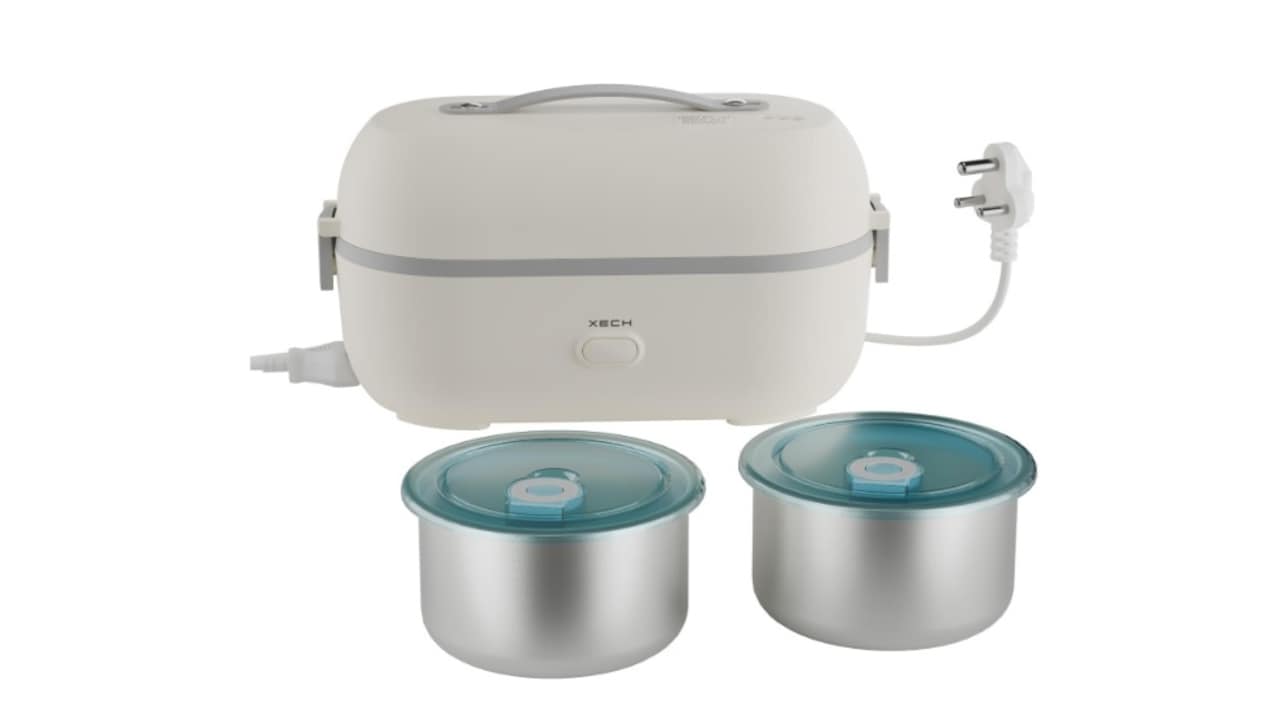
1. Xech Electric Lunch Box for Office & Travel
2. CELLO Newton 4 Tier Compartment Stainless Steel Electric Lunch Box for Office Use
3. MILTON Swiftron Portable Electric Lunch Box
4. Jaypee Plus Hottline 3-320X3 ml Stainless Steel Electric Lunch Box
5. Lifelong Electric Lunch Box | Food Warmer
6. CELLO Proton 2 Stainless Steel Electric Lunch Box for Daily
7. AGARO Elite Electric Lunch Box, 1.5L Food Heater for Daily Office Use & Travel
Preventing soggy food in an electric lunch box does not require chef-level skill. It comes down to controlling steam, separating wet and dry ingredients, packing each dish in the right container and heating everything with care.
Cool food briefly before sealing it. Keep gravy away from rice and rotis. Drain vegetables, loosen rice and save crisp toppings for the final moment. Most importantly, choose meals that enjoy being reheated rather than dishes that lose their personality after ten minutes in a closed box.
These small habits can turn lunchtime into a genuine break rather than another disappointing task between meetings. Rotis remain soft, rice stays fluffy and sabzi keeps its texture. Even the humble office lunch begins to feel thoughtfully prepared.
A well-packed electric lunch box offers more than warm food. It brings a little piece of home into a crowded train, a busy desk or a demanding afternoon. And when the lid opens without releasing a cloud of steam over a soggy meal, that small victory feels wonderfully satisfying.
(Disclaimer: This article may include references to or features of products and services made available through affiliate marketing campaigns. NDTV Convergence Limited (“NDTV”) strives to maintain editorial independence while participating in such campaigns. NDTV does not assume responsibility for the performance or claims of any featured products or services.)