How To Choose The Right Straightener Temperature For Your Hair Type
Unsure which straightener temperature suits your hair type? Learn the ideal heat settings for all hair types to achieve smoother results with less damage.
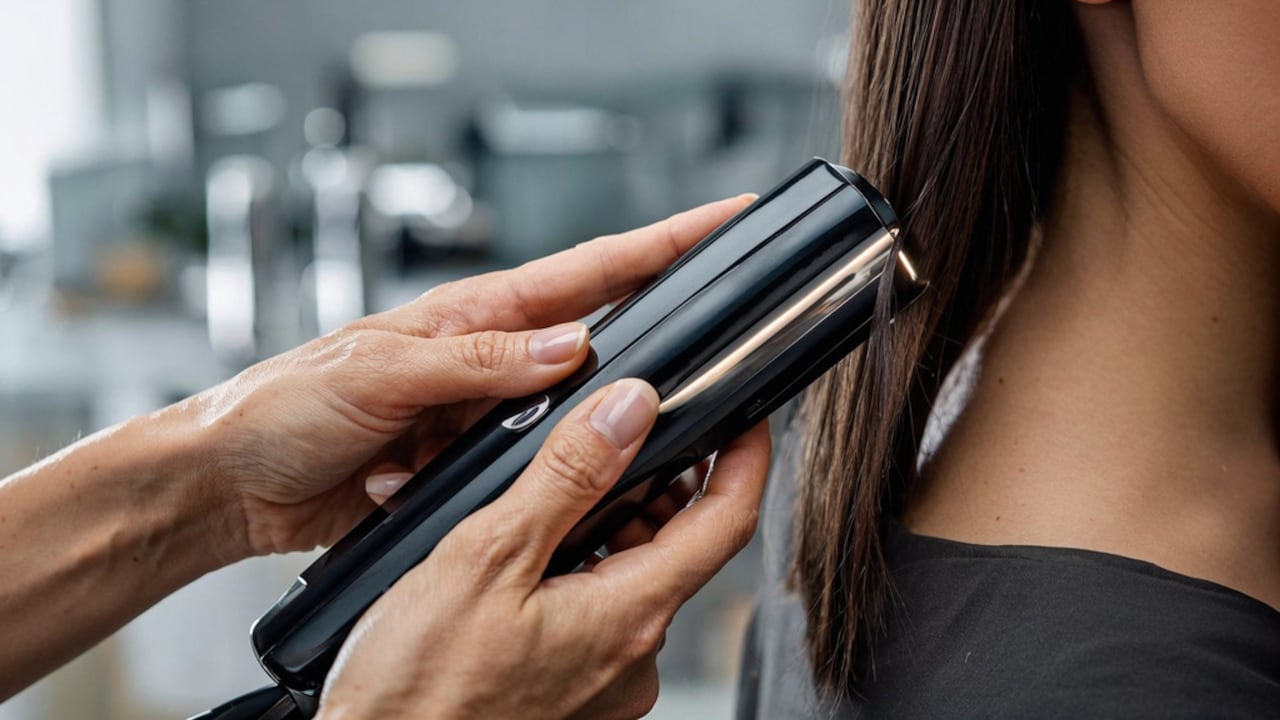
Try these tips to choose the right hair straightener temperature for your strands
Ever spent ages mirroring your flat iron, crafting what looks like absolute perfection, only to spot fried, frizzy, straw-like split ends a couple of weeks down the line? It is deeply annoying. Naturally, we blame the tool or assume it's cheap, but honestly, the real culprit is way simpler: your temperature dial is entirely wrong. Whether your fine strands iron out instantly or heavy, coarse curls demand a styling miracle, finding your sweet spot changes everything. It means getting sleek, salon-grade results without destroying your hair's health.
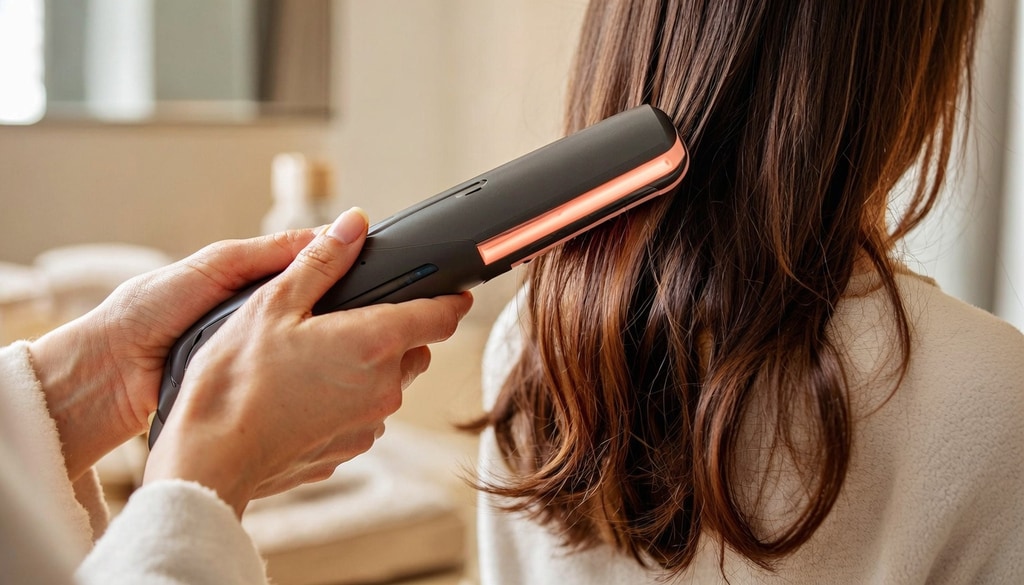
Discover the best temperature settings for every hair type to get smooth styles with less damage.
Photo Credit: iStock
The truth? There's no magic number that works for everyone. Texture, thickness, and colour treatments dictate what your hair can actually handle. Blasting maximum heat might save you five minutes today, but it literally bakes the moisture out, triggering dullness and breakage. Let's figure out your perfect setting for smooth, healthy hair.
Also Read: Best Hair Straightener With Ceramic Plates In Your Budget Under ₹1500
Why Straightener Temperature Matters More Than You Think?
It's easy to assume dialling up the heat means faster, better styling. But that's not how hair science actually works. Heat reshapes your strands by temporarily shifting their hydrogen bonds; the hotter the iron, the more stress those fragile links endure.
Too much heat strips away the protective cuticle, letting vital moisture escape and leaving you with brittle, dull hair. Conversely, going too low forces you to glide over the same section six times, causing friction damage. The trick is hitting that perfect baseline where it takes just one smooth pass. Thankfully, modern tools offer adjustable settings for exactly this reason.
How To Choose The Right Straightener Temperature For Your Hair Type?
Nailing down the perfect heat setting is incredibly simple once you take a step back and really look at your hair's unique texture, thickness, and current state of health.
Step 1: Identify Your Hair Type Before Styling
Before you even think about touching that power button, you need to know exactly what you are working with. Is your hair fine, medium, thick, curly, chemically relaxed, colour-treated, or heavily damaged? Understanding your starting point is the most important step because it keeps you from putting unnecessary stress on your strands right out of the gate.
Step 2: Use Lower Temperatures For Fine Hair
If your hair strands are on the thinner side, they generally don't need a massive blast of heat to fall into place. Keeping your straightener dialled in anywhere between 120°C and 150°C is usually more than enough to give you that glassy, smooth look. Staying in this lower bracket keeps your hair from losing its vital moisture and saves your delicate strands from major heat damage down the road.
Step 3: Pick a Moderate Heat Setting For Normal or Wavy Hair
If your hair has a medium texture, or it is naturally wavy, you've got a little more freedom. A temperature range around 150°C to 180°C is usually the perfect number. It gives just enough strength to smooth off stubborn frizz and keep that beautiful shine in place without cooking your strands to risky heat levels during your regular weekly habit.
Step 4: Turn Up Heat, But Do It Carefully For Thick Or Curly Hair
Thicker, coarser, or tightly coiled hair types tend to need a little more force to get straight, so you may end up hovering between 180°C and 210°C. The trick here is patience: always start on the lower end of this spectrum first. You can always click the temperature up a notch if your curls aren't cooperating, but starting lower prevents you from accidentally overprocessing your hair.
Step 5: Protect Coloured Or Damaged Hair With Gentler Heat
If you bleach your hair, get regular highlights, or use chemical relaxers, your strands are already inherently more fragile and prone to breaking. To keep your colour looking vibrant and avoid serious breakage, you really want to keep things gentle. Stick strictly to a range of 120°C to 170°C to give your hair a break.
Common Straightening Mistakes People Make
It might surprise you to learn that most hair damage doesn't actually come from the styling tool itself, but rather from the frantic, everyday habits we fall into when we are rushing to get ready in the morning.
1. Using Maximum Heat Every Time:
It is incredibly tempting to just slide that temperature bar all the way to the top because you are short on time. However, blasting your hair with maximum heat on a regular basis completely wrecks the internal structure of your strands, making split ends and breakage an absolute certainty.
2. Straightening Hair Without Heat Protection:
Skipping your heat protectant spray is like touching a hot pan without an oven mitt. Without that defensive barrier, the extreme temperature just comes right up against your exposed hair strands, and it quickly triggers very noticeable dryness and a more uneven feel without any shine.
3. Repeatedly Going Over The Same Section:
Gliding your straightener over the exact same piece of hair over and over again causes intense cumulative heat buildup. If you instead slow down, work with smaller, clean sections, and make one intentional pass, you will get a far better result with a fraction of the damage.
These were some of the easiest and most effective ways to choose the right hair straighener temperature for your hair type. Remember, every hair type demands a different temperature and styling routine to show the best results. So, take time to ascertain what suits your strands and enjoy salon-like finish at home.
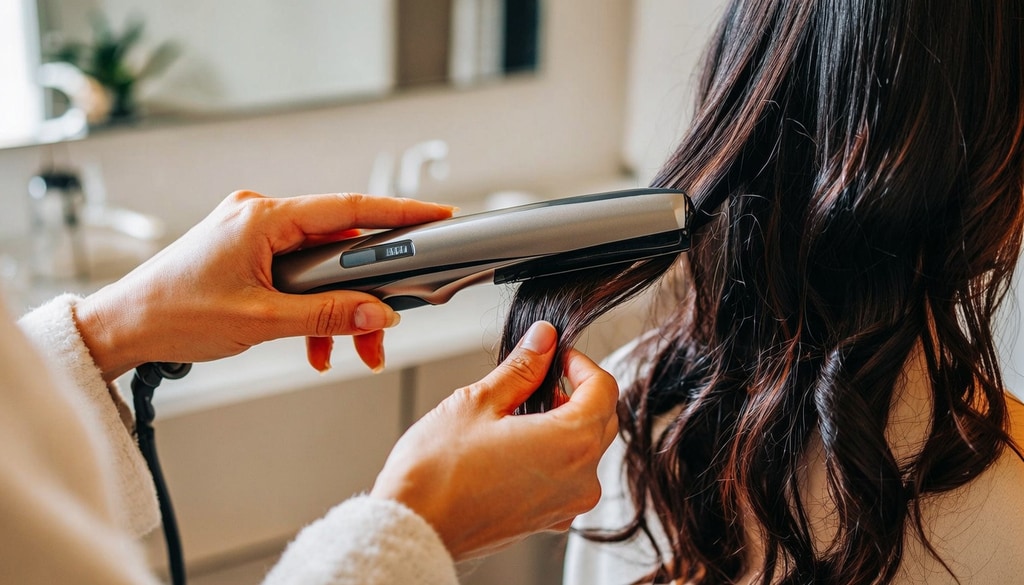
Master your straightener heat levels to achieve beautifully smooth results while minimizing hair damage.
Photo Credit: iStock
Some Hair Straighteners You May Like
1. Philips India's No. 1 Hair Styling Brand Selfie Hair Straightener
2. ELLE 2-in-1 Ceramic Hair Straightener & Curler with Airflow
3. Ikonic Professional Pro Straight Hair Straightener for Women
4. Havells HS4101 Ceramic Plates Fast Heat-up Hair Straightener
5. Nova NHS 860 Hair Straightener (Black)
6. PROTOUCH AIR SLEEK WET-TO-DRY Hair Straightener
7. AGARO Hair Straightener, Keratin-Infused Ceramic-Coated Plates
8. Remington S 3500 Hair Straightener
Frequently Asked Questions (FAQs)
1. What temperature is best for fine hair?
Fine hair is a little delicate, so it usually goes better with gentler heat settings around 120°C-150°C. Keeping it more on the cool side helps you get that nice sleek, polished look without drying it out or leading to any longer-term structural damage.
2. Is 230°C too hot for everyday straightening?
Honestly, for almost every hair type out there, yes, that is way too hot for daily styling. Regularly exposing your hair to extreme temperatures like 230°C quickly degrades the hair fibres and leaves it incredibly dry, especially if you skip your heat protectant.
3. Should coloured hair be straightened at lower temperatures?
Absolutely, yes. Because colour-treated hair has already been through a chemical process, it is simply more vulnerable to harm. Using lower temperatures helps guard the hair cuticle, so your colour stays lively and your ends are less likely to split.
4. Why does my hair still look frizzy after straightening?
Honestly, this can happen for a few small reasons: your straightener might be set too low for your hair type, the surrounding air may be incredibly humid, or you might need to keep a balance on how you put on your heat protectant and smoothing serums.
5. Can using a lower temperature still straighten hair effectively?
Yes, it completely can. If you have fine or medium-textured hair, you really don't need a ton of heat to get great results. Using a moderate temperature combined with good technique will give you a gorgeous, straight style without frying your hair.
(Disclaimer: This article may include references to or features of products and services made available through affiliate marketing campaigns. NDTV Convergence Limited (“NDTV”) strives to maintain editorial independence while participating in such campaigns. NDTV does not assume responsibility for the performance or claims of any featured products or services.)